
Things to Do Denver Start With Altitude, Not Itinerary
Denver sits exactly one mile above sea level, and that single fact shapes every plan you make here. Walk slower on day one, drink more water than you think you need, and save the big hike for day two. I learned that order the hard way, driving straight up from the airport once and hiking the same afternoon with a headache I had earned. The list below follows the smarter order, and it covers the things to do Denver first-timers ask me about most, from downtown streets to mountain day trips.
What Things to Do Denver Gets Right in One Weekend
Denver works as a weekend city because it packs three trips into one base: a walkable downtown, a serious museum and food scene, and mountain country an hour away. The downtown core is compact, the light rail and free shuttle cover the gaps, and the mountains sit visible from the city streets on clear days. Most visitors try to do all three in one day and end up rushed. The better split is downtown on day one, a museum or brewery afternoon, and a mountain day trip on day two, after your body has adjusted to the altitude.
Downtown: Union Station, Larimer Square, and the 16th Street Mall
Start at Union Station, the restored 1914 train station that now holds restaurants, bars, and a hotel lobby worth sitting in even if you arrive by car. The building kept its grand hall and added good food, and the plaza outside fills with travelers and locals at lunch. From there, walk to Larimer Square, the oldest block in the city, dating to 1858, where Victorian buildings hold restaurants and shops under strings of lights. I like Larimer in the early evening, when the lights come on and the patios fill, but the lunch crowds stay thin.
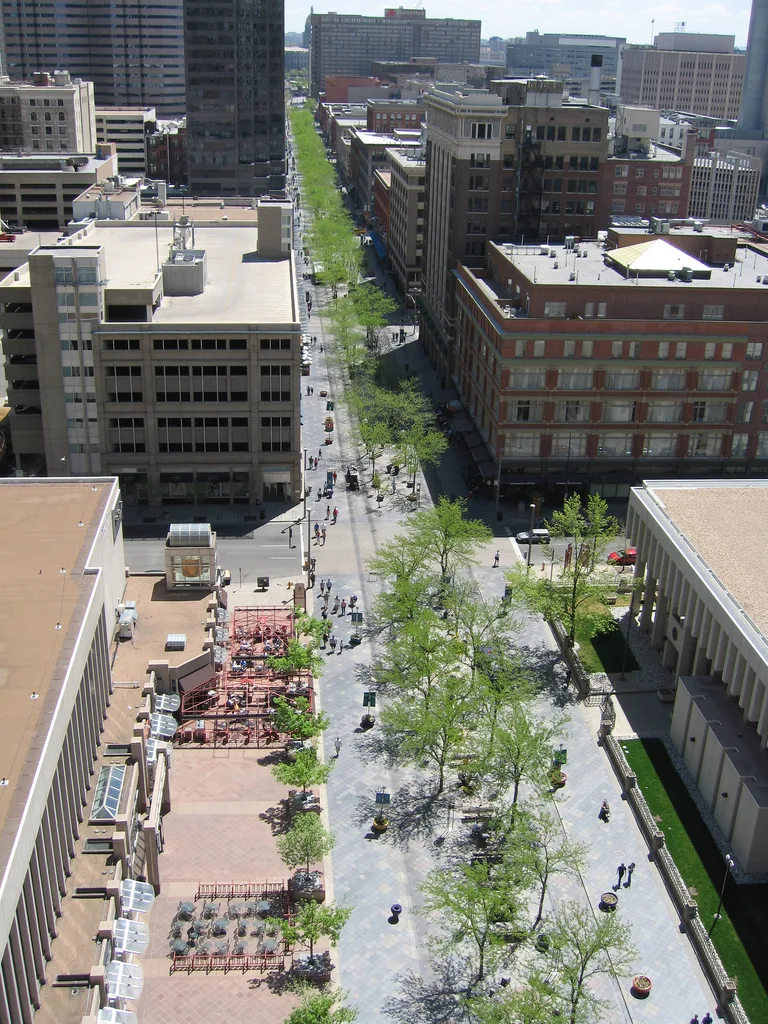
The 16th Street Mall runs 1.25 miles through downtown, a pedestrian street with a free shuttle bus, the MallRide, running its full length. Ride it end to end once to orient yourself, then walk the stretches you liked. The honest negative is the mall’s rough edges: some blocks feel empty, a few storefronts sit vacant, and the scene after dark is quieter than the guidebooks suggest. My fix is to use the mall as a connector, not a destination, and spend your time at Union Station, Larimer, and the river paths instead. For the downtown-first version of this trip, the official Visit Denver site lists current events, hotel deals, and neighborhood guides, and I check it before booking.

Museums That Earn a Morning: Art, Nature, and Meow Wolf
The Denver Art Museum, with its angular Hamilton Building designed by Daniel Libeskind, holds a strong Western American art collection and a Native arts collection that alone justifies a morning. I spent three hours there on a snowy day and left wishing I had allowed four, because the building itself pulls you from gallery to gallery. The Denver Museum of Nature and Science, in City Park, pairs dinosaur halls with a planetarium and a wildlife collection, and it works better for families than the art museum does.
Meow Wolf’s Convergence Station, opened in 2021, is the wild card: four alien worlds built as walk-through art, with hidden rooms, slides, and a story you piece together by exploring. It is the most fun I have had in a Denver museum, and the least easy to describe, which is the point. Book timed tickets ahead, because the popular afternoon slots fill, especially on weekends. The honest negative is the price: Meow Wolf costs more than the other museums, and younger kids may find the dark rooms and puzzles confusing. For kids under eight, the nature and science museum wins.
Red Rocks: The Venue That Is Also the Sight
Red Rocks Amphitheatre, ten miles west of the city in Morrison, Colorado, is the one Denver stop I never skip, even when no concert is playing. The venue, built into red sandstone formations and opened in 1941, seats about 9,500 people between two rock walls, and the view from the top rows runs across the plains to the city skyline. On non-show days, the park is open for visitors, and I have climbed the stairs as a workout, watched sunrise yoga classes on the stage steps, and eaten lunch at the top with the rocks behind me.
For a show night, book early, arrive before sunset, and bring a layer, because the temperature drops fast after dark at that elevation. The tailgating scene in the lots is friendly and low-key, and the sound carries cleanly even from the back rows. If you only have one evening in Denver, spend it here rather than at a downtown bar, because no other city has a venue like this one.

Parks, Gardens, and the River Paths
Washington Park, the city’s favorite green space, gives you two lakes, flower gardens, and a loop path where joggers, cyclists, and stroller-pushers share the space without friction. I run the loop on Denver mornings when I want a local feel before the tourist stops. The Denver Botanic Gardens, in the Cheesman Park neighborhood, holds a conservatory, a Japanese garden, and seasonal flower shows, and it is the calmest two hours in the city on a hot day.
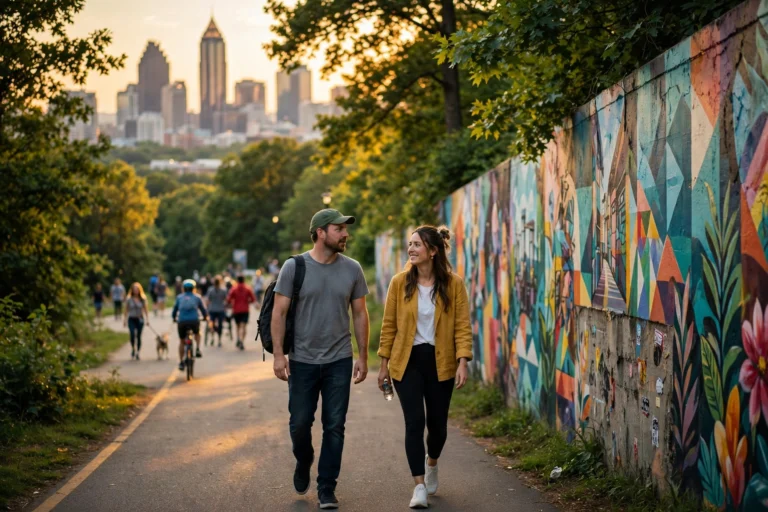
The South Platte River Trail runs through downtown and connects to the Cherry Creek Trail, and together they give you miles of paved paths for walking or biking without traffic. Rent a bike near Confluence Park, where the two waterways meet, and ride south along Cherry Creek for an hour, then turn back. The honest negative is the river itself: the Platte runs low and brown in late summer, and the paths under the highway bridges feel rough after dark. I ride in daylight and stick to the main trail, which stays busy and safe.
RiNo: Street Art, Breweries, and the New Denver
The River North Art District, called RiNo, is the city’s creative quarter, and it has changed fast in the last decade. Warehouses turned into breweries, galleries, and food halls, and the street art on the building sides changes often enough that a return visit feels new. I start at the Denver Central Market, a food hall where I can taste several kitchens in one lunch, then walk the side streets for murals and small galleries.
Denver’s beer scene is real, with dozens of breweries in RiNo and beyond, and the honest way to enjoy it is a tasting flight, not a crawl. Altitude strengthens the effect of alcohol, so I drink one flight, eat a full meal, and stop. The breweries themselves are friendly about it: most serve food, water is free, and the staff will tell you which beers run strongest. Skip the party-bus brewery tours, which rush you past the good rooms and charge more than walking between three breweries yourself.

Day Trips: Rocky Mountain National Park, Boulder, and the Mining Towns
Rocky Mountain National Park, about 70 miles northwest of the city, is the day trip that justifies Denver as a base. Trail Ridge Road, the highest paved through-road in the country, crosses the park above 12,000 feet when it is open, usually from late spring into fall, and the drive alone earns the day. I enter early, hike a short trail like Bear Lake or Alberta Falls, and leave before the afternoon storms build over the peaks. The park runs a timed-entry reservation system in the summer season, and the park service posts current rules and road status on the Rocky Mountain site, which I check the night before every visit.
Boulder, Colorado, about 30 miles northwest, gives you the Flatirons, a Pearl Street mall, and a college town that feels like Denver’s outdoorsy sibling. I pair Boulder with a Rocky Mountain day only if I have two days, because stacking both in one day turns the driving into the trip. The mining towns tell the other Colorado story: Georgetown, Central City, and Idaho Springs hold Victorian main streets and mine tours from the gold rush, and my notes on ghost towns American West cover the quieter mining settlements I pair with a Denver loop.
For the wider mountain and desert loop, my notes on desert destinations USA cover the Southwest parks I pair with a longer Colorado trip.
The state tourism board lists current road and park conditions on the Colorado site, which I check before any mountain drive.
Denver in Winter: Ski Days, City Lights, and the Cold Truth
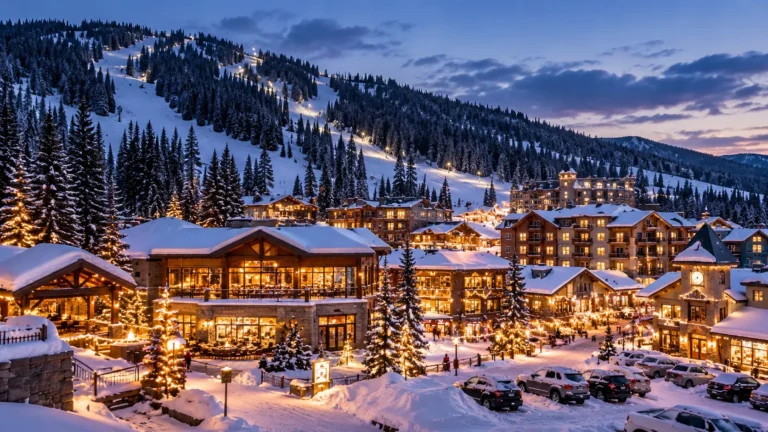
Denver in winter splits into two trips: the city itself, and the ski resorts an hour or two west. The city stays sunny even in January, with blue skies and cold air, and the museums, breweries, and restaurants run at their calmest. The ski day trip is the bigger draw: Loveland and Arapahoe Basin, each roughly an hour west on Interstate 70, give you high-altitude skiing without the resort-town prices, and the early-season snow holds well at their elevations.
The honest negative is the Interstate 70 weekend traffic, which can turn a one-hour drive into three on a Saturday morning. My fix is a weekday ski day, a 6 a.m. departure, or a resort bus that lets someone else drive. In the city, winter brings the Christkindlmarket downtown and holiday lights at the Botanic Gardens, both worth an evening. Pack for real cold: Denver winter mornings drop below freezing, the wind cuts through light jackets, and the sun fools you into underdressing.
Free Things That Are Worth Your Time
Denver hides a strong free list, and it matters because the mountain days cost real money. The Colorado State Capitol, with its gold dome, is free to enter, and the 13th step on the west side marks exactly one mile above sea level, a photo stop that earns its crowd. The 16th Street MallRide shuttle is free, as noted, and the Denver Public Library central branch, near Civic Center Park, is a calm, beautiful building worth a half hour. Confluence Park and the river paths cost nothing, and the Red Rocks park on non-show days is free to walk.
My rule for free Denver is to use the free stops as the frame and pay for one big thing a day: a museum one day, a mountain park entry the next, a brewery flight the third. That rhythm keeps the trip under control without making it feel cheap, and it leaves room for the coffee and breakfast burrito stops that cost little and deliver the most.

What to Skip, Honestly
Skip the 16th Street Mall as an evening destination, as noted: the blocks thin out after dark, and the better evenings sit at Union Station, Larimer, and RiNo. Skip the aquarium-style attractions downtown if you have limited days, because the museums and Red Rocks beat them, and for younger kids my notes on the most beautiful small towns USA cover the mountain towns, like Telluride and Ouray, that give families a better second day than another indoor stop. Skip a rental car for the downtown days: parking costs more than the light rail and rideshares combined, and the city core is walkable.
Skip the idea that Denver is only a gateway. Visitors treat it as a pit stop on the way to the mountains, and they miss the museums, the food, and the neighborhoods that make it worth two nights on its own. Give the city its own days, then take the mountain road.
Costs, Crowds, and Getting Around
Denver’s costs split into two buckets: the city, which runs moderate, and the mountains, which run expensive. A downtown hotel costs less than a resort-town room, the museums run mid-range, and the brewery flights stay reasonable. The mountain days cost more: park entry, ski lift tickets, and resort food add up fast, so I budget the mountain day at double the city day. The official transit site lists current light rail and bus fares on the RTD site, and I check it before buying passes, because the airport line and the day passes change terms.
Crowds follow a simple pattern: summer is busiest in the mountains, winter weekends are busiest on Interstate 70, and the city itself stays calmest in January and February. If you can only travel in summer, book the Rocky Mountain timed entry the day it opens, enter the park before 8 a.m., and save the city for the afternoon. If you travel in winter, ski on weekdays and enjoy the empty museums.
Questions I Hear From First-Timers at 5,280 Feet
How do I handle the altitude? Drink water on a schedule, skip alcohol on day one, sleep low the first night if you can, and save the big hike for day two. Most visitors feel fine after 24 hours, and the headache I earned came from ignoring that advice.
How many days does Denver need? Three: two city days and one mountain day. Two days works if you cut either the museums or the mountain trip, but I would rather cut a museum than the mountain road.
Do I need a car? Not for downtown, where the MallRide, light rail, and rideshares cover everything. Rent for the mountain and mining-town days only, and return it the same evening to skip downtown parking costs.
Is Denver good with kids? Yes, with a plan: the nature and science museum, the Botanic Gardens, Confluence Park, and a Red Rocks walk, which kids love for the stairs and the view. The brewery scene is for the adults after the kids are done for the day.
Give Denver Two Nights, Then Take the Mountain Road
If I had one Denver weekend and no favorite stop yet, I would spend the first day downtown, from Union Station to Larimer to the art museum, the second day at Red Rocks and RiNo, and the third day in Rocky Mountain National Park, entering early and leaving before the storms. Book the park timed entry and the Meow Wolf tickets ahead, because those are the two stops where a walk-up wait hurts. The city will still be there after lunch. The mountains reward the traveler who acclimates first and drives second.