The Florida Keys Are Called Keys Because of One Borrowed Spanish Word
The name has nothing to do with locks. Why Florida Keys called keys has a plain answer: the word comes from the Spanish cayo, meaning a small, low island, and English speakers reshaped that word into “key” over centuries of sailing, charting, and settling this chain. I first heard it from a charter captain off Marathon. Once you know the word, the chain stops looking like one long island and starts looking like what it is: hundreds of small, flat pieces of coral and limestone strung across shallow sea.
Why Florida Keys Called Keys: The Spanish Word Behind the Name
Spanish explorers sailed these waters in the early 1500s, and they needed a word for the low, scrubby islands they kept passing. They used cayo, a word they had picked up in the Caribbean from the Taíno people, whose word for a small island sounded much the same. English sailors and settlers later heard cayo, spelled it the way it sounded to them, and “key” stuck.
Juan Ponce de León charted the chain in 1513, and his name for the islands did not survive. He called them Los Martires, the Martyrs, because the jagged rocks and breaking surf reminded his crew of suffering men. That name faded. The working word of the sailors, cayo, outlasted the poetic one, which tells you something about how place names really get made. The name that survives is usually the one people use every day, not the one somebody writes down once on a chart.
The Florida Keys are the best-known American example of the word, but the same root shows up all over the Caribbean. The Bahamas are full of cays, and Belize has its own cayes. Say “key” in Key West and everyone knows you mean an island, but say it in a hardware store and you mean something else entirely. If you want to see the paper trail, the Florida Memory collections from the State Archives of Florida hold old maps and photographs that show how the spelling settled over the centuries.
A Key Is Not Just Any Island
Every key is an island, but not every island is a key, and the difference matters once you are standing on one. An island is any piece of land surrounded by water, from Manhattan to Maui. A key is a specific kind: small, low, and built from coral or limestone, sitting on a shallow reef platform in warm water. The word carries geology inside it, not just geography.
That low profile is the first thing you notice on the drive south. The land barely rises above the sea, and in places the road feels like it is floating on the water itself. There are no hills to climb and no cliffs to stand on. I have watched a parking lot in Key Largo go under a few inches of salt water on a calm, sunny afternoon, and nobody around me looked surprised.
“Cay” and “key” are the same word with two spellings, both pronounced “key.” Florida uses “key.” The Bahamas lean toward “cay.” Belize writes “caye.” The pronunciation never changes, only the letters. The ground under your feet tells the same story the word does. The upper Keys sit on ancient coral reef, fossilized into limestone, while the lower Keys sit on oolitic limestone, tiny round grains cemented together over time. This kind of ground holds no deep well, which is why the early Spanish found no fresh water here and moved on.
How Many Keys Are There, and How Many Can You Stand On
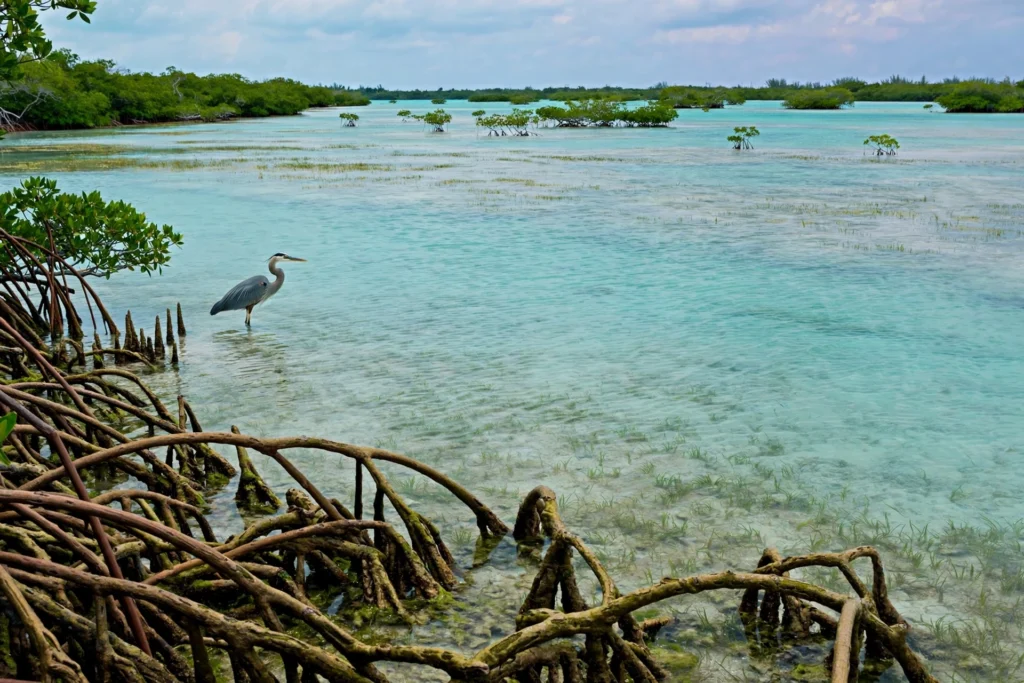
Ask three people how many keys there are and you will get three numbers. The chain holds more than 800 islands, islets, and mangrove clumps stretched across about 120 miles of sea, from just south of Miami to the Dry Tortugas.
The inhabited chain breaks into three loose groups. The Upper Keys start with Key Largo, the long, narrow island closest to the mainland, and run through Tavernier and Islamorada. The Middle Keys center on Marathon, a working town built across several connected islands. The Lower Keys run from Big Pine Key down to Key West, the end of the road and the southernmost city in the continental United States.
Key Largo earns its reputation as the dive capital of the chain, with the reef a short boat ride out. Islamorada calls itself the sportfishing capital, and the claim holds up if you have ever watched the charter fleet leave before dawn. Marathon moves slower, with family-run motels and a turtle hospital. Key West is the loudest and most crowded of the four.
The Dry Tortugas, about 70 miles west of Key West by boat, sit apart from the rest. Fort Jefferson, the massive brick fort on Garden Key, rises out of water so clear it looks shallow from the ferry deck, and the snorkeling around its moat wall is the best I have found anywhere in the chain. Getting there takes a full day and a reserved seat on the ferry or a seaplane. Monroe County governs the whole chain, and its official county site posts road closures, evacuation orders, and park information.
What the Name Tells You About Driving the Overseas Highway
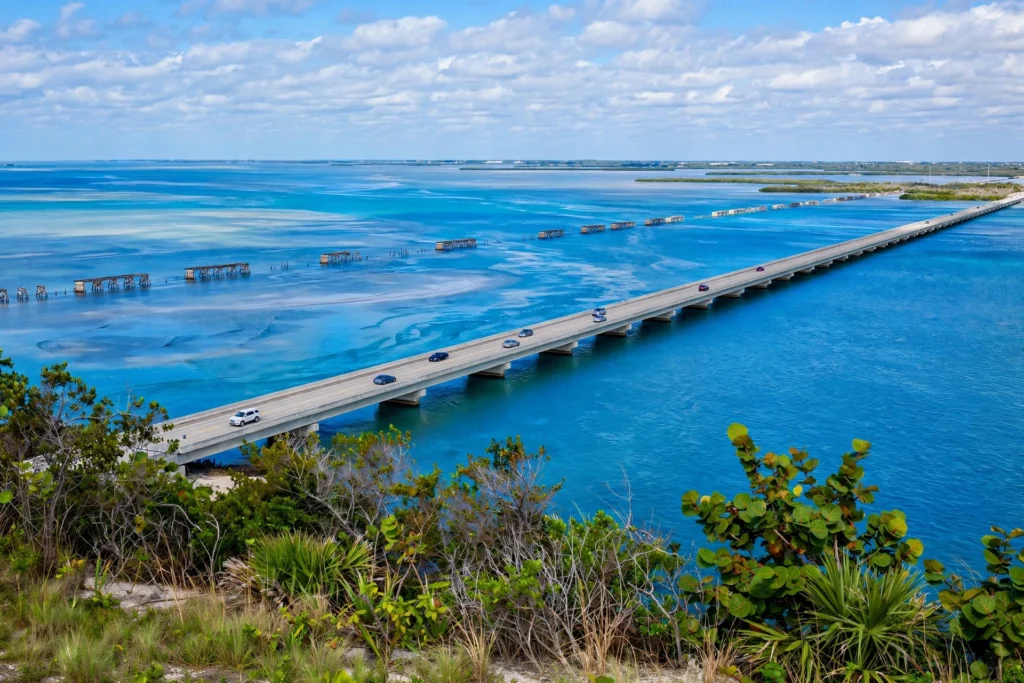
The Overseas Highway, U.S. Route 1, runs about 113 miles from Key Largo to Key West, and it is the only road through the chain. It crosses dozens of bridges, and the Seven Mile Bridge is the long, straight stretch people photograph most, a thin line of concrete with water on both sides. Driving it at sunset is one of the best free experiences in Florida. Driving it in a summer thunderstorm, with rain hammering the windshield and no place to pull over, is one of the least pleasant.
The highway follows the path of Henry Flagler’s Florida East Coast Railway, the Overseas Railroad that once carried trains all the way to Key West. The 1935 Labor Day hurricane destroyed the railroad, and the state later rebuilt its bridges as a highway. You can still see the bones of the old railway on the Bahia Honda bridge, where the rusted rail span runs beside the road.
Knowing the islands are keys, not one long island, explains why the drive feels the way it does. You are hopping from one small piece of land to the next, and the water keeps reappearing between them. The speed limit drops through every town, the bridges slow everyone down, and a single accident or drawbridge opening can stop traffic for an hour. I plan on three and a half to four hours for the full drive without stops, and I have never once made it in three. The name also explains why there is so little room to build. A key is small by definition, so the towns are squeezed onto narrow strips of land with water on both sides. Parking is tight everywhere, so in Key West I park once and do not touch the car again until I leave. The trolley and the bikes cover the old town fine, and the car only gets in the way.
The Words That Did Not Stick
Los Martires was the first name the Spanish gave the chain, but it was not the only one. Some stuck. Key West itself comes from Cayo Hueso, Spanish for “bone key,” a reference to the bones found there from an earlier burial ground. The English heard Hueso, turned it into “West,” and the name took a wrong turn that nobody ever corrected.
Key Largo means “long key” in Spanish, and it fits: the island runs about 33 miles, longer than any other in the chain. Islamorada is a Spanish phrase meaning “purple island,” for the purple flowers that once covered it. Marathon got its name from a railroad worker who said the job felt like a marathon.
The myth I hear most often is that the Keys open the door to the Caribbean, as if the name were a metaphor for a gateway. It is a good story, and it is wrong. The word predates that idea by centuries, and it describes the shape of the land, not its strategic value. Another myth says developers invented the name to sell real estate, which is also wrong: the word was on charts two hundred years before the railroad arrived. The real story is less colorful than any of those, and more interesting because it is true.
Where the Name Changes How You Plan a Trip
The word “key” is a warning label as much as a name, and it tells you what to pack. Low land floods, so check the tide charts and the forecast before you book a ground-floor room in hurricane season, which runs June through November. Shallow water means great snorkeling and tricky boating, so rent a boat only if you know how to read the water, and hire a guide if you do not.
Fresh water is the other thing the name implies. These islands never had much of it, and the water you drink today travels down from the mainland through a pipeline. It tastes fine, it is safe, and the supply is not endless, so the conservation signs in hotel bathrooms are not decoration.
The official visitor site, fla-keys.com, run by the Florida Keys tourism council, is the most reliable place to check what is open, what is seasonal, and which events are running on your dates. It lists fishing seasons, festival dates, and lodging, and it is the source I check before I tell anyone what to expect on a given week.
Lodging is where the small-island reality hits your budget hardest. Rooms are limited, demand is high, and prices climb steeply from December through April, when the weather is at its best and the snowbirds arrive. Booking three to four months ahead is sensible for winter weekends. If you want a kitchen and a dock, look at the dreamy Airbnbs in the Florida Keys that put you on the water instead of in a hotel corridor, and book those even earlier, because the good ones go first.
What Trips People Up on Their First Keys Drive
The first mistake is treating the drive as a highway trip. U.S. 1 through the Keys is a two-lane road for most of its length, with a 45 mph limit through towns and slow vehicles pulling trailers. The second mistake is trying to do the whole chain in one day. You can drive it in one day, but you will see it through a windshield, and the Keys reward stopping. Pick one or two islands and stay put.
The third mistake is underestimating Key West. It looks small on the map and feels big once you are in it, because the old town is dense with bars, shops, galleries, and crowds. Duval Street on a Saturday night is loud in a way that surprises first-timers who expected a sleepy fishing village. I like Duval for an hour or two, then I walk two streets over, where the guesthouses and gardens are quiet and the town feels like itself again.
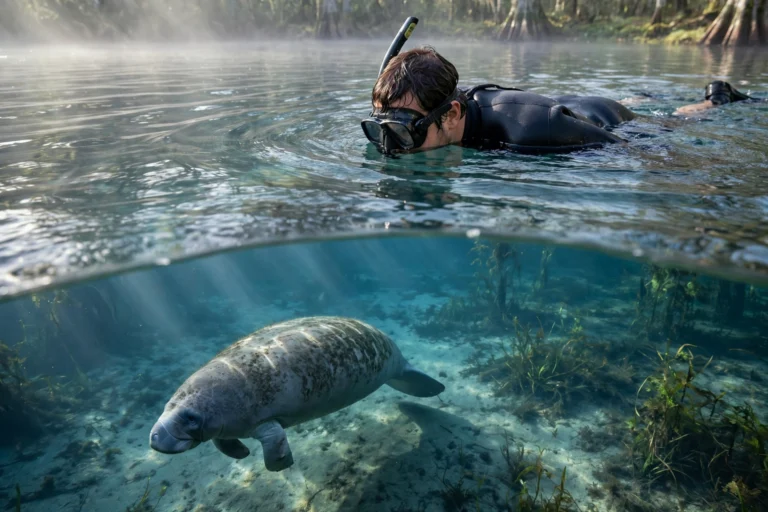
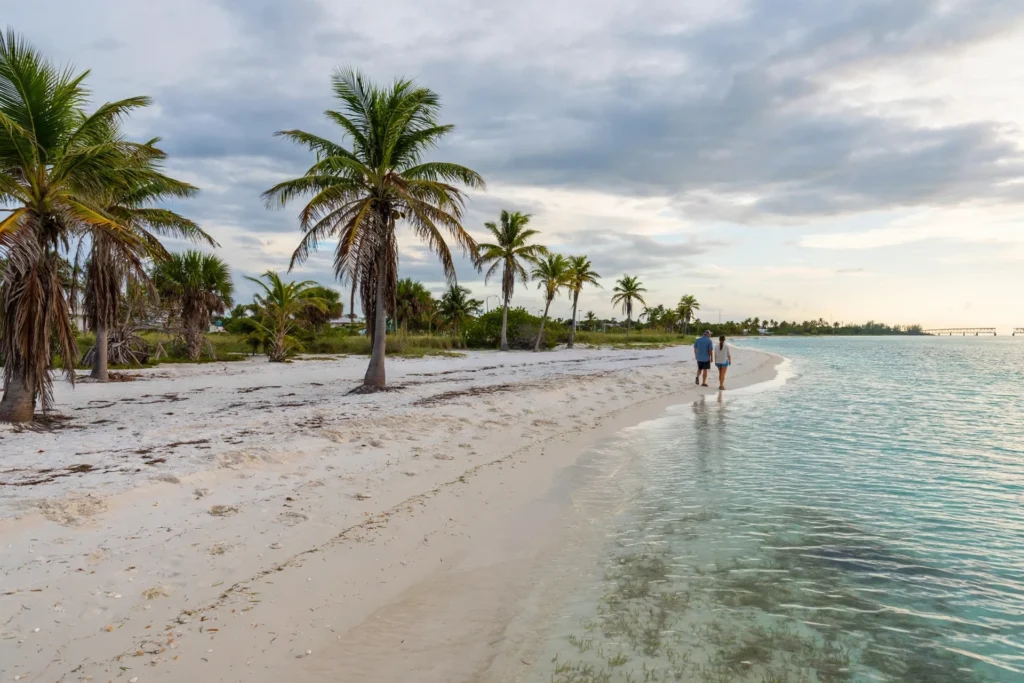
The fourth mistake is skipping the water. The Keys are best understood from a boat, a kayak, or a snorkel mask, and a trip that stays on land misses the reef, the flats, and the backcountry that make the chain worth the drive. A half-day snorkel trip out of Key Largo costs less than a fancy dinner and gives you more to remember. When you are ready to plan the southern end, start with things to do in Key West and build outward from the water activities, not the bar list. Mosquitoes deserve an honest mention, because nobody warns you properly. The no-see-ums at dusk are worse than the mosquitoes, small enough to pass through a screen and persistent enough to ruin an outdoor dinner.
Questions I Still Get Asked at the End of the Road
People ask me these questions on the ferry back from the Dry Tortugas and in the comments under every Keys post I write.
Are the Florida Keys islands? Yes, every key is an island, and the chain is a coral cay archipelago of more than 800 islands off the southern tip of Florida. The word “key” names a particular kind of island: small, low, and built from coral or limestone on a shallow reef. Calling them islands is correct, and calling them keys is more precise.
How many keys are there in Florida? More than 800 islands make up the chain, but only a few dozen are inhabited, and only a handful have roads, shops, and places to stay. Most of the count is mangrove islets and sandbars that you will never set foot on.
What does “key” mean as an island? It means a small, low island formed on a coral reef or sandbank in warm, shallow water. The word comes from the Spanish cayo, borrowed from the Taíno word for a small island, and English speakers reshaped it into “key.” The spelling “cay” means the same thing.
Do you need a passport for the Florida Keys? No, the Keys are part of Florida and the United States, so a domestic trip needs no passport. The confusion comes from how close Key West sits to Cuba and how Caribbean the place feels.
Say It Right, Then Go See Them
The name is a small piece of history you carry with you down the highway, and it pays off every time you look at the water. Say “key” and mean a small, low island built on coral, borrowed from the Taíno through the Spanish, and kept by the English because it fit. Then stop trying to see the whole chain in one day, pick one island, get on the water, and let the name do what names are supposed to do: tell you where you are.