Things to Do San Diego Work Best Neighborhood by Neighborhood
San Diego is not one city to see, it is a string of neighborhoods that each do one thing well, and the trick is to stop trying to cover them all in a day. I plan San Diego by neighborhood now: Balboa Park in the morning, a beach in the afternoon, a taco shop at night. That rhythm beats any checklist, because the city rewards slow movement and punishes freeway hopping. The list below follows that rhythm, and it covers the things to do San Diego first-timers ask me about most, in the order I would do them.
Why Things to Do San Diego Start in Balboa Park
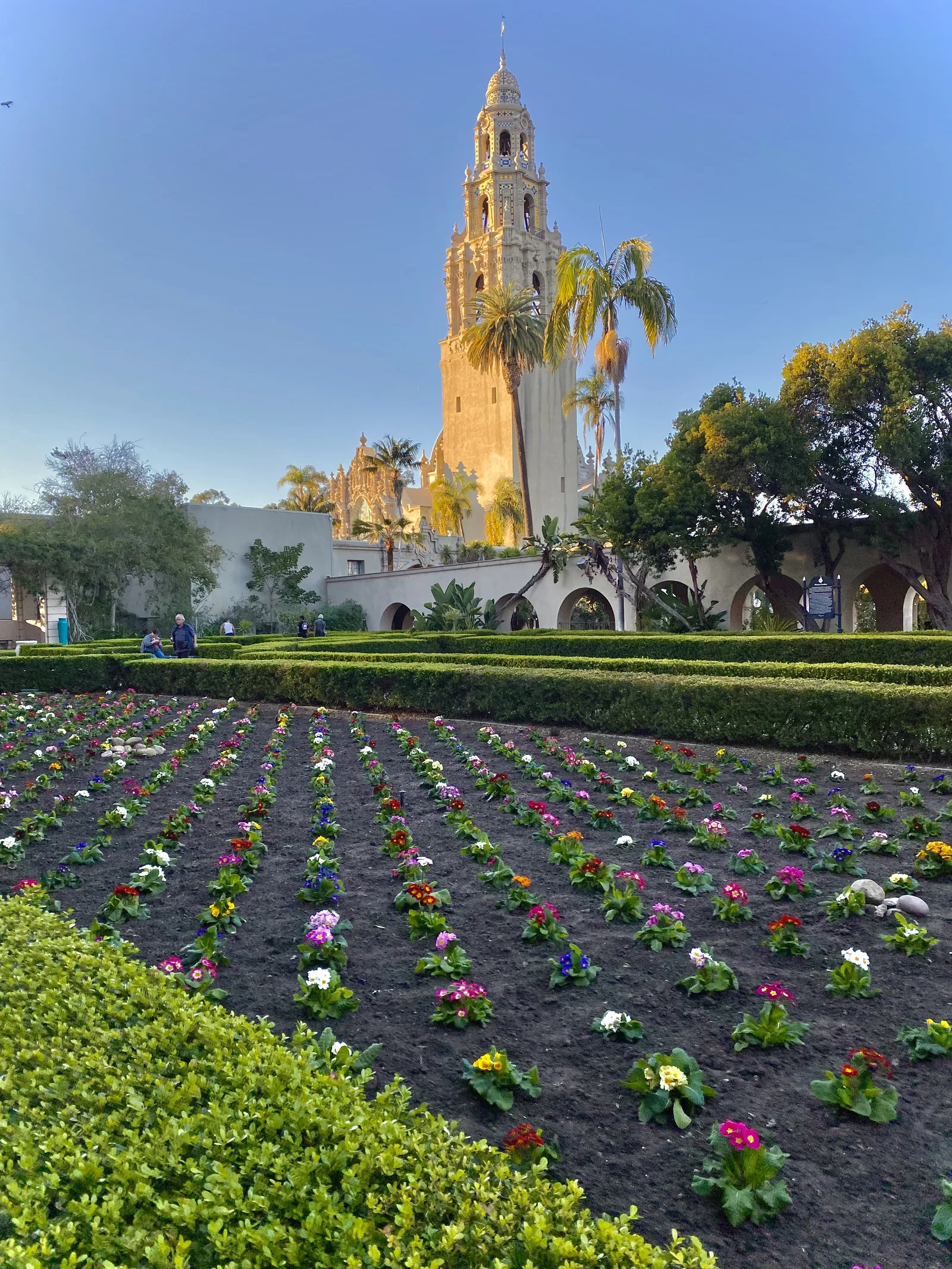
Balboa Park is the right first stop because it holds a dozen museums, gardens, and theaters in one 1,200 acre park, built for the 1915 Panama-California Exposition. I start there on every San Diego trip, because one morning in the park teaches you the city’s shape: Spanish-style buildings, palm-lined paths, and museums that range from art to air and space to natural history. The park itself is free to walk, and the museums charge separately, so I pick two museums per visit rather than racing through five.
The San Diego Museum of Art and the Museum of Us anchor the art and culture side, while the Fleet Science Center wins for kids who want hands-on exhibits. The gardens are the quiet win: the Botanical Building and lily pond sit at the park’s center, and the Japanese Friendship Garden gives you a shaded hour when the sun builds. For the garden-first version of this trip, my notes on botanical gardens USA cover the garden stops I pair with a Balboa Park morning.
The official Balboa Park site lists current museum hours and free days, and I check it before I go because individual museums keep different schedules and several close on Mondays.

Old Town and the Gaslamp: Two Histories, One Evening
Old Town San Diego State Historic Park marks the city’s first settlement, founded in 1769, and it reads like a small adobe village: historic houses, a blacksmith shop, and restaurants with mariachi music on the patios. I like Old Town in the late morning, when the tour buses have not yet filled the plaza and the shops are opening. The honest negative is the souvenir stretch: the main plaza shops sell the same goods, so I walk the residential adobe streets behind the plaza for the real feel.
The Gaslamp Quarter downtown gives you the other history: Victorian commercial buildings from the 1800s, now holding restaurants, bars, and the Petco Park ballpark. I go to the Gaslamp for dinner and an evening walk, not for a daytime visit, because the quarter wakes up at sunset. The USS Midway Museum, an aircraft carrier turned museum on the waterfront, sits a short walk from the Gaslamp, and I give it three hours: the flight deck, the below-deck exhibits, and the audio tour from former crew members, which is the best part.

La Jolla: Coves, Sea Lions, and the Walk That Earns Dinner
La Jolla, the coastal village north of the city, is where San Diego shows off. La Jolla Cove holds sea lions on the rocks and snorkelers in the protected water, and the cliff walk from the cove to Children’s Pool Beach gives you the best coastal mile in the county. I walk it in the late afternoon, when the light turns gold and the sea lions haul out in numbers. Keep distance from the animals: the sea lions are wild, they bite when crowded, and the rangers will move you back if you get too close.
Downtown La Jolla, called the Village, holds galleries, cafes, and the Museum of Contemporary Art San Diego La Jolla building, with ocean views from its terrace. The honest negative is parking: the Village fills by midmorning on weekends, and the lots charge resort prices. My fix is to park at a metered street a few blocks inland and walk down, or take a rideshare and skip the parking hunt entirely.

The Beaches, Ranked by What You Want From Them
San Diego County holds about 70 miles of coastline, and the beaches split by mood. Coronado Beach, across the bay from downtown, wins for families: wide flat sand, gentle waves, and the Hotel del Coronado as a backdrop, a Victorian hotel from 1888 that you can walk through even if you do not stay there. Pacific Beach wins for the boardwalk scene: surfers, beach volleyball, and a long oceanfront path where I rent a bike and ride south to Mission Beach and back.
Torrey Pines State Beach, below the cliffs of the Torrey Pines State Natural Reserve, wins for scenery: rare Torrey pine trees on the cliffs above, a long flat beach below, and a parking lot that fills by 10 a.m. on weekends. Sunset Cliffs Natural Park, on the Point Loma peninsula, wins for evening: the cliffs face west, the sun drops into the Pacific, and the crowd gathers quietly for the show. For the beach-first version of this trip, the best beaches in San Diego split exactly this way, by family, by scene, by scenery, and by sunset, and I pick one per day rather than hopping between them.

The Zoo, the Safari Park, and the Kids Question
The San Diego Zoo, 100 acres in Balboa Park and opened in 1916, is the most famous animal park in the country, and it earns the reputation. I enter at opening, ride the guided bus tour first for orientation, then walk the paths I liked best, because the zoo’s hills punish a random wander. The pandas left years ago, and the zoo does not hide that: the current stars are the elephants, the koalas, and the Africa Rocks habitats. The official San Diego Zoo site lists current ticket prices and hours, and I buy ahead because the gate lines build by late morning.
The San Diego Zoo Safari Park, 35 miles north in Escondido, gives you the opposite experience: wide savanna habitats, a tram ride through herds, and a feeling of distance that the city zoo cannot match. Families with a full day should pick one park, not both, because each deserves five hours. For younger kids, my notes on aquariums for families USA cover the indoor options, including the Birch Aquarium at Scripps in La Jolla, which pairs well with a cove walk on the same day.

Cabrillo and Point Loma: The View That Explains the City
Cabrillo National Monument, on the tip of Point Loma, marks where explorer Juan Rodriguez Cabrillo landed in 1542, and it gives you the best view in the county: the bay, the downtown skyline, and the ocean in one sweep. The Old Point Loma Lighthouse, built in 1855, sits on the hill, and the tide pools below the cliffs draw families at low tide. I go on a weekday morning, when the parking lot stays open and the lighthouse rooms stay quiet.
The park service posts current hours, tide pool times, and road status on the Cabrillo site, and I check it because the tide pools close when the tide runs high and the road closes for special events. The honest negative is the entrance fee and the drive: the monument sits at the end of a long peninsula road, and the lot fills on weekends. My fix is an early arrival, a lighthouse visit first, and a tide pool walk second, before the tour buses arrive.
Food: Tacos, Fish, and the Dinner Rule
San Diego’s food scene runs on two things: Mexican food and seafood, and the best of both sits outside the tourist zones. The taco rule is simple: the smaller the shop, the better the taco, and the fish taco, battered and fried with cabbage and white sauce, is the city’s signature bite. I eat tacos in Chula Vista and National City, south of downtown, where the shops serve locals and the prices stay low. For seafood, the Point Loma Seafoods counter, a dockside fish market with picnic tables, gives you grilled fish with the boats behind you, and it beats any white-tablecloth seafood room in town.
The tourist-menu trap near the beaches and the ballpark is real: big menus, big photos, and food that costs double the taco shops. My fix is to walk three blocks inland from any beach or ballpark before choosing a restaurant, because the quality jumps and the price drops fast.
Evening Activities: Sunsets, Ballgames, and the Bay
Evening activities in San Diego start with the sunset, and the city gives you three good versions: Sunset Cliffs for the cliffs, Coronado Beach for the wide sand, and a bay cruise from the harbor for the skyline. I pick one per evening and build dinner around it. The Petco Park ballgame, when the Padres play at home, is the best evening entertainment in the city: a downtown ballpark with bay views, good food, and tickets that cost less than the big-market parks.
The Old Globe Theatre in Balboa Park and the La Jolla Playhouse give you the stage version of the evening, and both run seasons worth checking before you travel. For a low-key night, the Gaslamp rooftop bars give you skyline views without a ticket, and the Sunset Cliffs crowd thins fast after the sun drops, leaving the cliffs quiet for a last walk.
Free Things That Are Worth Your Time
San Diego hides a strong free list, and it matters because the zoo and the parks add up fast. The Balboa Park grounds and gardens are free to walk, as noted, and the La Jolla Cove walk costs nothing. Sunset Cliffs and Coronado Beach are free, and the Old Town plaza is free to wander. The Torrey Pines beach, below the reserve, charges for parking but not for entry on foot, so I park outside and walk in when the lot fills.
My rule for free San Diego is to use the free stops as the frame and pay for one big thing a day: the zoo one day, the Midway the next, a bay cruise the third.
Day Trips: Julian, the Desert Edge, and the Border Question
Julian, a gold-rush town about an hour northeast in the mountains, gives you apple pie, a main street, and a cooler climate than the coast. I drive up in fall, when the apple harvest fills the bakeries and the mountain air drops ten degrees below the city. The town is small, so one afternoon covers it.
The Anza-Borrego Desert State Park, further east, gives you the desert version of the county: badlands, wildflowers in a good spring, and dark skies at night. I only recommend it from November through March, because the summer heat shuts down the hiking. Tijuana, across the border to the south, is the day trip I mention with a caveat: the food and culture draw visitors, but the border crossing back can take hours, so I only recommend it with a full day to spare and a plan for the return wait.
Costs, Crowds, and the Parking Problem
San Diego’s costs split into two buckets: the attractions, which run moderate to high, and the food, which stays reasonable if you eat where locals eat. A zoo ticket costs more than a museum ticket, the Midway costs more than Old Town, and the hotels near the beaches cost double the rooms inland. My fix is a hotel in Mission Valley or Old Town, central to everything, with free parking.
Crowds follow a simple pattern: summer is busiest at the beaches and the zoo, winter is calmest everywhere except the holiday weeks, and the marine layer clouds late spring and early summer mornings. The fog burns off by midday, so I plan beach afternoons and museum mornings in those months. Parking is the real San Diego tax: beach lots fill by 10 a.m., La Jolla fills by midmorning, and downtown garages charge by the hour, so I use rideshares for the beach and Village days and keep the car for the day trips.
For the wider warm-weather calendar, my notes on warm winter vacations USA cover where else the season works, because San Diego in winter, with its mild days and thin crowds, is the easiest version of this trip.
The official San Diego tourism site lists current events and hotel deals, and I check it before booking.
Questions I Get Before a First San Diego Weekend
How many days does San Diego need? Three, at minimum: one Balboa Park and zoo day, one beach and La Jolla day, and one Old Town, Gaslamp, and Midway day. A fourth day covers Julian or the desert edge, and I recommend it if you have the time.
Do I need a car? Yes, for San Diego in a way you do not for some cities. The neighborhoods spread out, the bus system takes time, and the day trips need wheels. Rent for the whole trip, stay in Mission Valley or Old Town with free parking, and use rideshares only for the Gaslamp evenings.
Is San Diego good with kids? Yes, and it may be the best big-city kids trip in the country: the zoo, the Safari Park, the beaches, the Midway, and the Balboa Park museums all work for kids, and the weather rarely ruins a day. The only caution is the sun: hats, sunscreen, and water, because the mild air hides how strong the sun runs.
When is the cheapest good time? January and February, after the holidays and before spring break, when the hotels drop and the crowds thin. The weather stays mild, the marine layer stays light, and the zoo lines stay short.
Give San Diego Three Days, Then Pick a Beach to Repeat
If I had one San Diego weekend and no favorite neighborhood yet, I would spend the first day in Balboa Park and the zoo, the second day in La Jolla and the beaches, and the third day in Old Town, the Gaslamp, and the Midway, with a taco stop every night. Book the zoo tickets ahead, because those are the lines that hurt most. The fog will burn off by lunch. The city rewards the traveler who plans by neighborhood and leaves the freeway for the day trips.