Desert Destinations USA Taught Me to Travel by the Thermometer
I stopped planning desert trips by the calendar the summer my car thermometer read 118 degrees outside Furnace Creek at noon. I had picked the date first and the desert second, and the desert won that argument fast. Now I rank desert destinations USA by one question: what does the thermometer say at 2 p.m. on the day I plan to walk? The places below passed that test across repeat visits and different seasons.
This is not a list of every desert in the country. It is the set I would send a friend to, heat warnings and crowd warnings left in. Some reward a dawn start so richly that the alarm feels like part of the trip. Others punish a careless midday plan so fast that I will tell you to skip the hike and drive instead.
How I Pick Desert Destinations USA Worth the Drive
I score a desert stop on four things, and scenery alone does not carry it. First, can I walk somewhere real without risking heat illness? Second, is there water, fuel, and food within an hour of the trailhead? Third, does the place offer one thing I cannot see anywhere else? Fourth, can an ordinary traveler reach it without a specialized vehicle? A stop that fails two of those tests drops off my list.
Drive time shapes the whole trip. I fly into a real airport city, rent a car I am allowed to take on dirt roads, and keep the first desert night within two hours of landing. Desert driving after a flight, in the dark, on an unfamiliar road, turns small problems into big ones.
Death Valley Rewards the Early Riser and Punishes the Noon Hiker
Death Valley National Park in California is the largest national park in the lower 48 states, and it behaves like it. The distances are long, the gas stations are few, and the summer heat is not a backdrop. It is the main fact of the place. Badwater Basin sits 282 feet below sea level, the lowest point in North America, and standing on that salt flat in July taught me that shade is a resource.
I do my Death Valley walking at dawn. Zabriskie Point at sunrise turns gold in about ten minutes. Mesquite Flat Sand Dunes near Stovepipe Wells give an easy hour of walking, and the ripples photograph best in low, raking light. By 10 a.m. in summer I am done hiking and back in the car, and I do not feel cheated.
I check conditions on the Death Valley National Park website before I drive in, because road closures after flash floods change plans more often than visitors expect.
A half hour past the park boundary, the crumbling walls of Rhyolite make a good detour, and the place pairs well with my notes on ghost towns American West.
The honest negative is water discipline. I carry a gallon per person for a summer day and drink on a schedule instead of waiting for thirst, and I still misjudged it once near Furnace Creek and lost an afternoon to a motel room. If you hike here in summer, start before sunrise and tell someone your route.
Joshua Tree Packs Two Deserts Into One Small Park
Joshua Tree National Park in Southern California holds two deserts at once. The higher Mojave side grows the twisted Joshua trees the park is named for, and the lower Colorado side runs hotter and drier, full of cholla cactus and ocotillo. Driving from the west entrance to the south end in one morning crosses that boundary.
Hidden Valley is my first stop with new visitors, because the boulder piles let you scramble a little without committing to a long trail. Keys View at sunset looks across the Coachella Valley toward the San Jacinto Mountains, and it is the easiest payoff in the park. Skull Rock sits right beside the road, crowded at midday and lovely at dawn when the pullout is empty.
I check the Joshua Tree National Park website for campground status before I go, because campgrounds book out months ahead on winter weekends.
The crowd problem is real from November through March, when the weather is kindest and every climbing group in the Southwest seems to arrive at once. Entrance lines back up on Saturday mornings, and the popular trailheads fill before 9 a.m. My fix: stay in Twentynine Palms or Yucca Valley and enter before 8 a.m.
White Sands Turns a Short Walk Into a Full Afternoon
White Sands National Park in New Mexico holds the largest gypsum dunefield on Earth, and the first sight of it still surprises me. The sand is white enough to hurt your eyes at noon and cool enough underfoot that I walked it barefoot in October. The park road ends in a loop where you can stop, climb, and sled.
Sledding is the activity I did not expect to love. The park store sells waxed plastic sleds, and they go fast on weekends, so I bring my own cheap sled. The best runs sit near the loop road, where the dune faces are steep and the landing zone is flat sand. I stay until sunset, when the dunes turn pink and the crowds thin to almost nothing.
I check hours and missile-range closures on the White Sands National Park website before I drive out, because the neighboring range closes the park on some test days.
The honest negative is shade. There is none on the dunes, and a summer afternoon here with children and no hats is a short trip. I visit in fall or spring, bring twice the water I think I need, and plan dune time for the last two hours of light.
The Sonoran Desert Around Tucson Feels Alive at Dawn
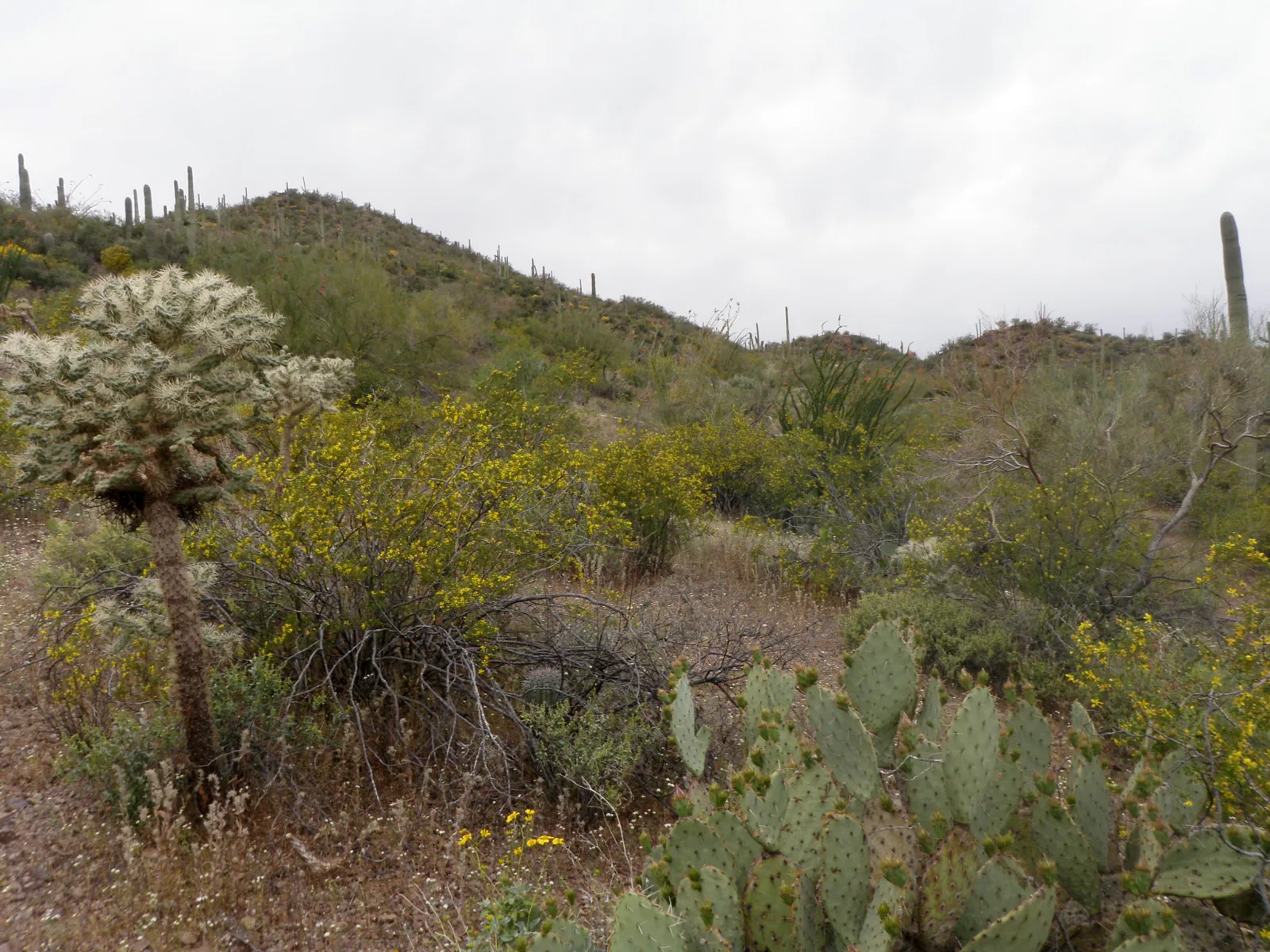
The Sonoran Desert around Tucson, Arizona, is the greenest desert I know, and dawn is when it shows that off. Birds start before the sun and giant saguaros stand in silhouette against a fast-orange sky. Saguaro National Park splits into two districts, east and west of the city, and I like the west for sunset and the east for longer morning walks.
Saguaros grow slowly, and the old ones tower over the trail like green telephone poles with arms. Some have stood for well over a century, and the park counts their growth in inches per year. I give the big ones room, stay on the trail, and watch for javelinas in the early morning.
I check trail and visitor center hours on the Saguaro National Park website before I go, since the two districts keep different schedules.
Most visitors fly into Phoenix, and our notes on things to do in Phoenix Arizona cover the city day before the desert drive. Phoenix sits about two hours north of Tucson, and that city night makes the early start far easier.
Moab Gives You Two Parks and One Very Busy Main Street
Moab, Utah, is the best base town in this article and also the most crowded one, and both facts share one cause. Arches National Park and Canyonlands National Park sit minutes from town, and the red rock country draws climbers, bikers, and photographers in every season except deep winter. Delicate Arch at sunset is worth the walk, about three miles round trip over slickrock with almost no shade, and I start it late enough that the return leg happens in cooling air.
Mesa Arch in the Island in the Sky district of Canyonlands is my dawn pick: the arch frames the sunrise and the short trail suits a sleepy morning. The tradeoff is company: on a spring weekend, dozens of photographers line up at the same arch, so I arrive early and leave without lingering.
Arches has used a timed-entry reservation system in recent peak seasons, so I check the reservation rules before a spring or fall visit. Lodging in Moab books out early in those seasons too, and the prices on the main street reflect it. My fix is a weekday trip and a motel booked months ahead.
Monument Valley Works Best From the Valley Floor
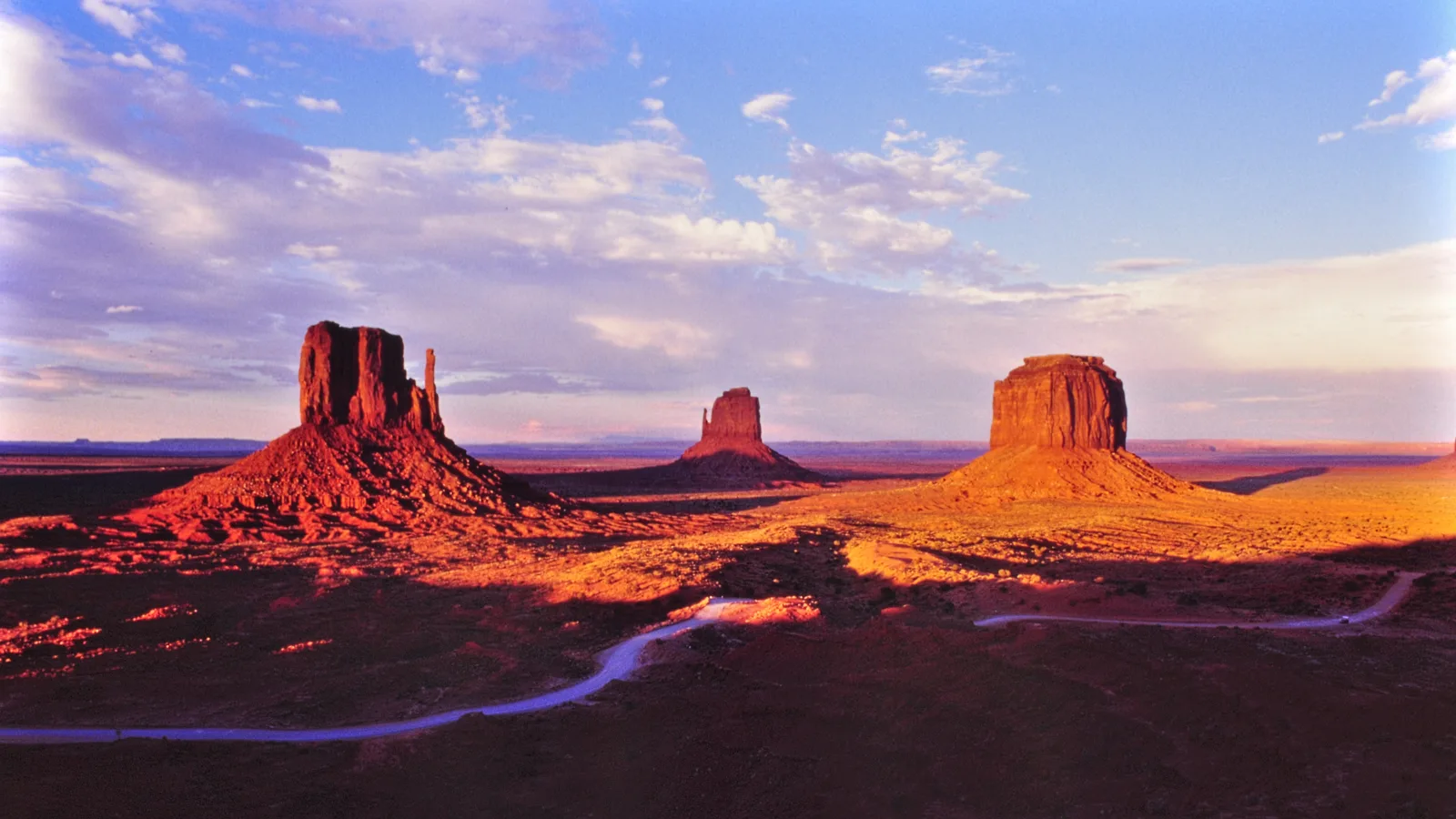
Monument Valley on the Utah–Arizona line belongs to the Navajo Nation, and the famous buttes rise out of a flat valley floor in a way no photograph prepares you for. The 17-mile loop drive takes a couple of hours with stops, and the road is rough enough that I drive it slowly and skip it after rain. The backcountry beyond the loop requires a Navajo guide, and I recommend hiring one, because the guided routes reach arches and ruins the loop never shows.
Sunrise at the Mittens is the classic view, and it earns the reputation. I watch it from the viewpoint near the visitor center, then drive the loop while the light is still low. By midday the valley turns harsh and flat in photographs, so I use those hours for the drive onward.
The tribal park posts loop-road conditions on the Navajo Nation Parks site, and I check it before driving the loop.
The honest negative is access. This is a long drive from anywhere, the nearest full-service town is a real distance away, and the loop road will punish a low-clearance car. I plan fuel, food, and a full day around it.

Desert Towns That Make Good Bases
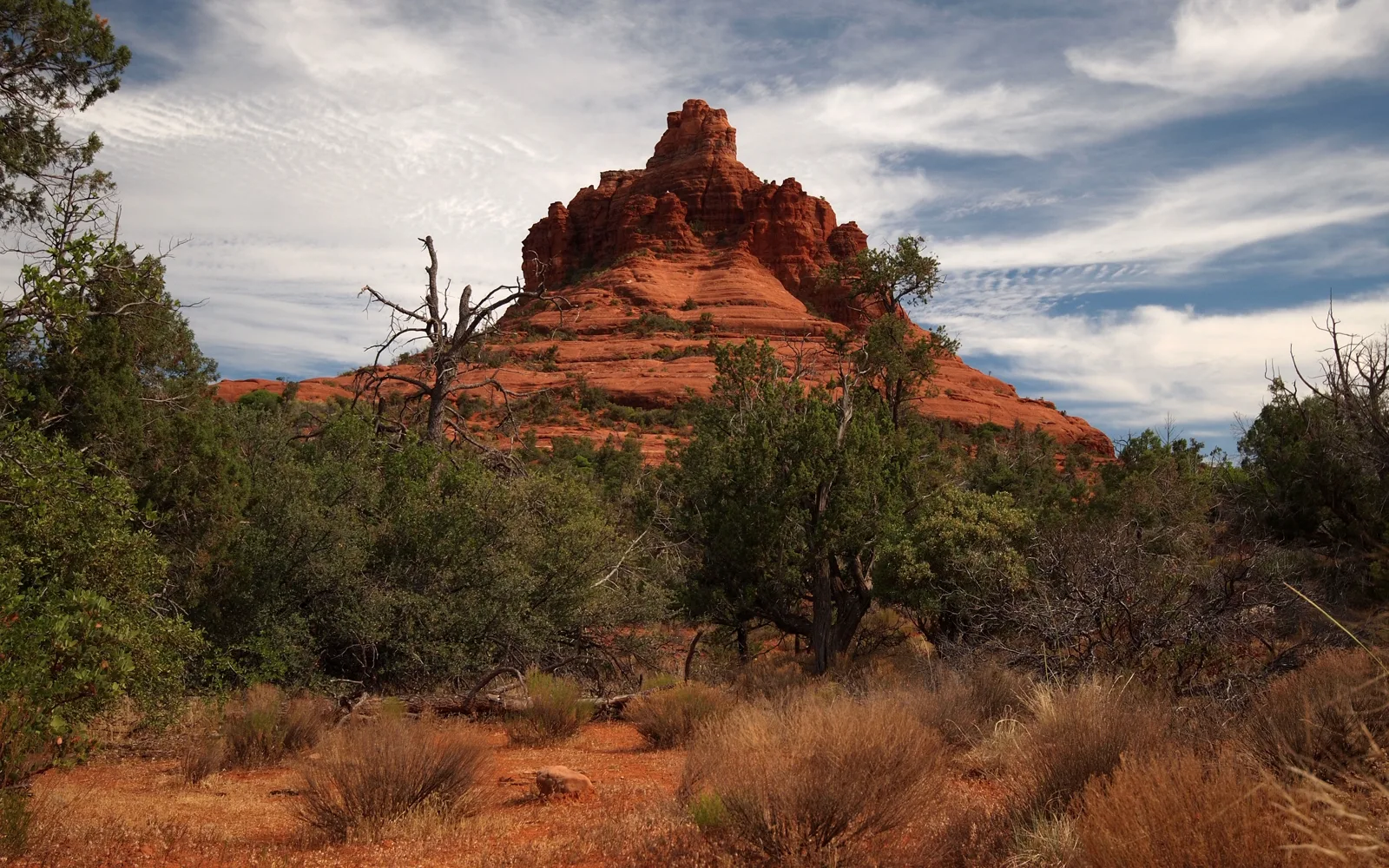
The best desert towns to visit share one trait: they feed and house you well after a hard day outside, without pretending to be something else. Moab does that with motels and bike shops. Sedona, Arizona, does it with red rock views from nearly every patio and a short climb up Airport Mesa at dawn. Borrego Springs, California, does it quietly, beside Anza-Borrego Desert State Park with dark skies and a main street you can walk end to end.
Twentynine Palms works as a Joshua Tree base because it is close, plain, and cheap compared with the resort towns west. Page, Arizona, serves the same role for the Utah border country. I pick the town closest to the park I plan to walk at dawn, not the prettiest town on the map.
When the Mojave Lets You Walk Comfortably
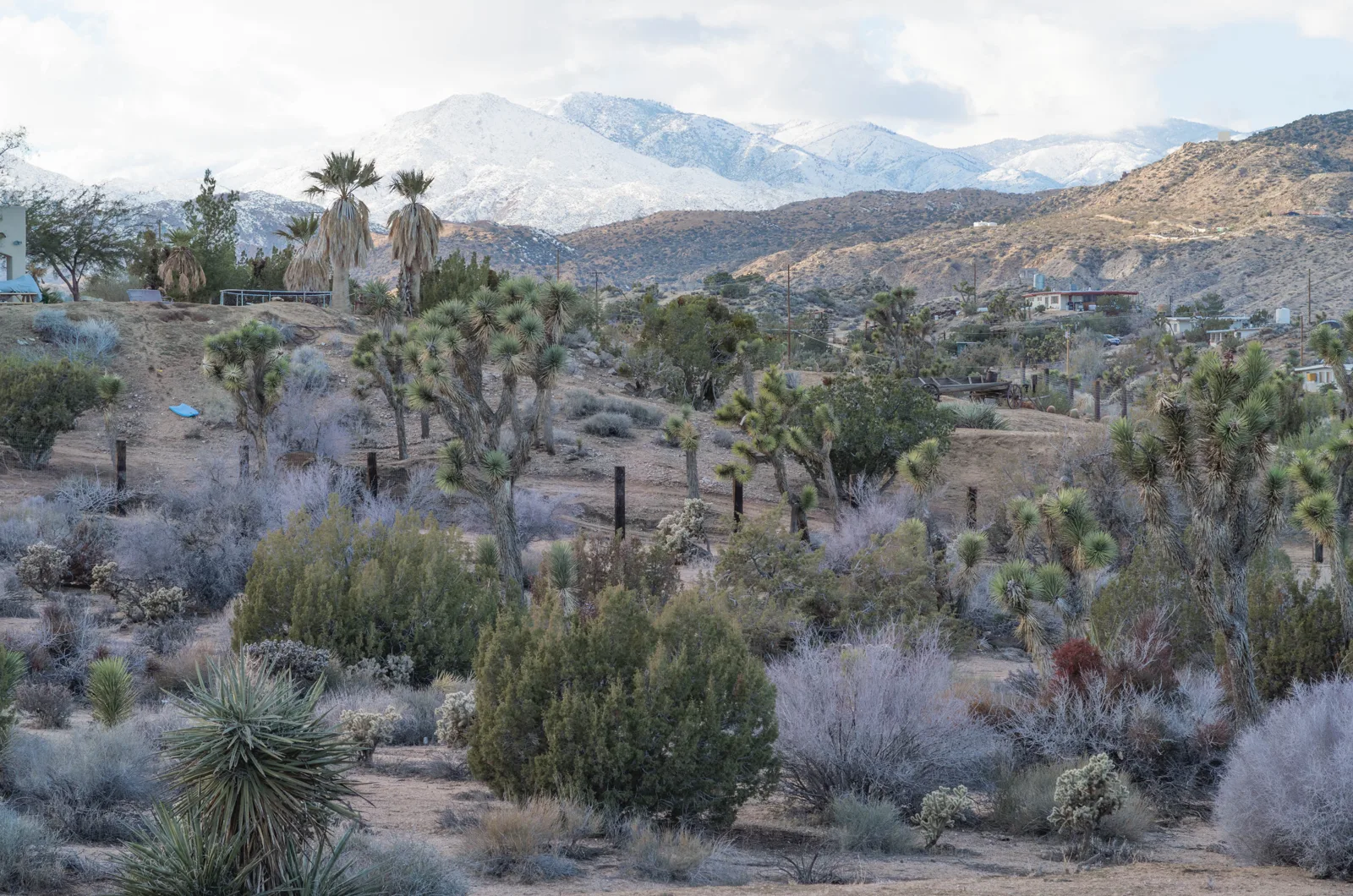
The best time to visit Mojave desert country runs in two windows: March through April, when wildflowers appear in good rain years and the daytime air stays mild, and October through November, when the summer heat breaks and the crowds thin. I prefer November, because the light gets golden early and the trails empty out after the fall break crowds leave. Winter brings cold nights and occasional snow at higher elevations, and summer brings triple-digit days that shut down midday hiking.
Desert destinations in the southwest punish the traveler who plans only around a calendar date. I check the forecast for the specific town, not the region, because a 20-degree swing between the valley floor and a higher trailhead is normal. I pack a warm layer even for a spring trip, since desert nights drop fast after sunset.
For the wider fall calendar, my notes on places to visit in November USA cover where else the season works.
The Night Sky Is the Second Trip
Desert stargazing spots in America earn their reputation because the air is dry, the towns are far apart, and the horizon stays dark. Death Valley is one of the darkest places I have stood under at night, and the Milky Way there in summer looks close enough to touch. Joshua Tree runs a close second for a first-timer, because the park roads make a dark pullout easy to reach.
Borrego Springs is my quiet pick, a small town where the streetlights stay dim and the sky opens over the desert floor. I plan stargazing around the moon, not the calendar: a new-moon weekend beats a full-moon week every time. I bring a red flashlight and warm clothes, because desert nights bite even after a hot day.
Deserts With Kids: What Works and What Wears Them Out
Family friendly desert vacations USA work best when the walking stays short and the payoff stays visible. White Sands wins for children, because sledding down a dune needs no explanation. Hidden Valley in Joshua Tree wins next, because kids can scramble the boulders while adults watch from one spot. The Junior Ranger programs give children a booklet and a goal, and my young companions finished those faster than any hike I planned.

What wears children out is distance without shade and a midday start. I keep desert walks under two miles with kids and plan a pool or motel break for the afternoon. Death Valley in summer with children is a hard no for hiking in my book: the heat risk is real and the trails offer no escape. A winter or fall visit flips that completely.
Questions I Get Asked at the Trailhead
Is one desert enough for a week? Yes, if you pick one region and go deep. A week in southern Utah covers Arches, Canyonlands, and Monument Valley without rushing, while a week hopping between four states mostly happens inside a car.
Can I visit the desert in summer? You can drive through it and enjoy dawn and dusk, but midday hiking in July is a risk I no longer take. If summer is your only window, pick a higher-elevation desert town and start walks before sunrise.
Which desert should a first-timer pick? Joshua Tree, for the short drive from a major airport, the easy trails, and the two-deserts-in-one lesson. Death Valley in November is my second pick, for the scale and the empty roads. Either one teaches the thermometer rule fast.
Pick One Desert and Go Deep
If I had to send you to one place from this list, I would send you to Joshua Tree in November, with a dawn start and a night set aside for stars. If you have already been there, I would send you to White Sands in October, for the sledding and the sunset dunes. Book the motel first, because desert towns fill before the parks do. The desert rewards the traveler who respects the heat, starts early, and leaves one day unplanned.