
Things to Do Miami Taught Me to Split the Day in Two
My first Miami trip failed because I treated it as one place. It is three: a beach town, a Latin city, and a wild edge where the road ends in sawgrass. Once I learned to split the day, beach in the morning, city in the afternoon, water or music at night, the city opened up. The list below follows that split, and it covers the things to do Miami first-timers ask me about most, in the order I would do them.
How Things to Do Miami Break Into Three Zones
Think of Miami as three zones stacked on top of each other. The beach zone runs along the barrier island: South Beach, Miami Beach, and the sand. The city zone sits across the bay: Little Havana, Wynwood, Downtown, and Coral Gables. The wild zone starts where the suburbs stop: the Everglades to the west and Biscayne Bay to the east. Most visitors see only the first zone and then wonder why the city felt shallow. The second and third zones are where Miami earns a second trip.
South Beach and the Art Deco District: Walk It Before the Heat
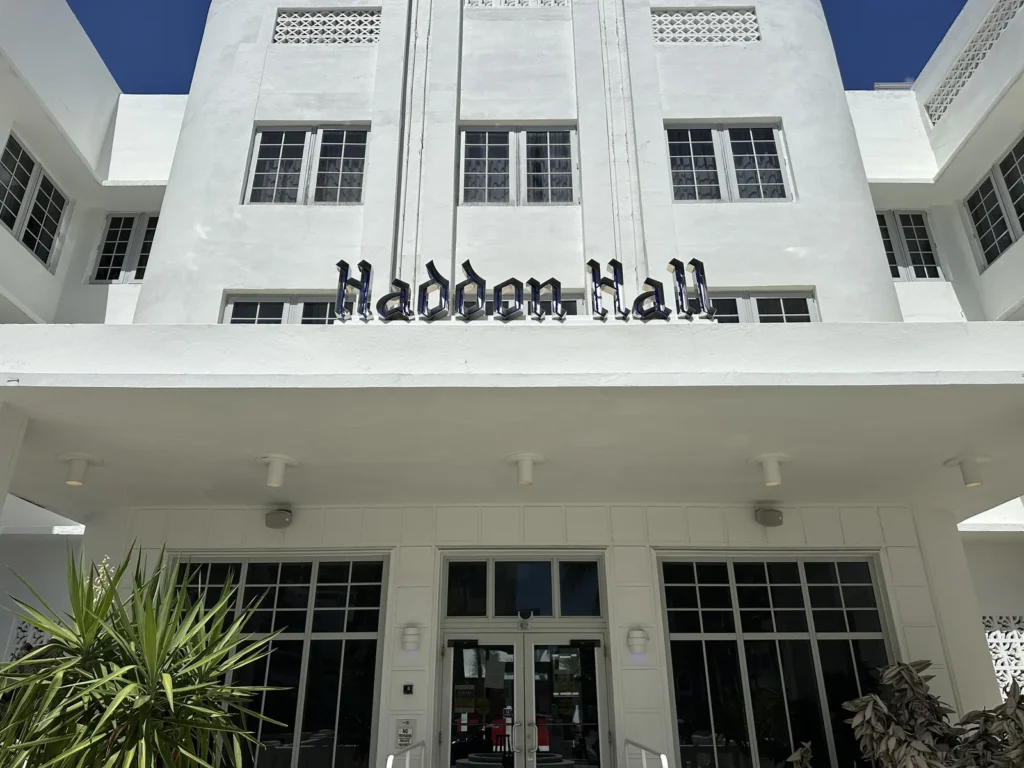
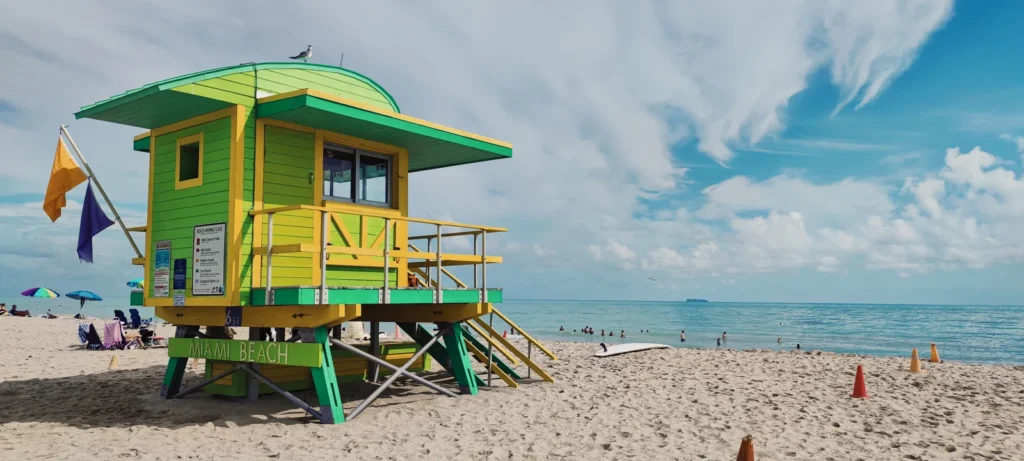
Start on Ocean Drive in South Beach at 8 a.m., before the heat and the crowds build. The Art Deco Historic District holds roughly 800 pastel buildings from the 1920s and 1930s, and the best way to see them is on foot, looking up at the porthole windows, neon signs, and curved corners. I walked the district with coffee in hand one January morning and covered the main stretch in about an hour, stopping at every third building to read the plaques.
The beach itself is wide, white, and free, and the water stays warm enough to swim from spring through fall. The honest negative is the Ocean Drive price trap: the restaurants with the biggest menus and the loudest hosts charge the most for the least. Walk two blocks west to Washington Avenue or Collins Avenue for lunch, where the food costs less and tastes better. For the beach-first version of this trip, the sand, the boardwalk, and the quieter northern stretches of Miami Beach deserve a full morning.

Little Havana: Calle Ocho on Foot, Domino Park at Dusk
Little Havana is the city zone at its most alive, and Calle Ocho (Southwest 8th Street) is its spine. I start at Domino Park (Máximo Gómez Park), where older Cuban men play dominoes at concrete tables with a seriousness that stops tourists mid-stride. Watch a game before you photograph one. The park is free, open all day, and the most honest street theater in the city.
Walk east from the park past cigar shops where rollers still work by hand, fruit stands selling mamey and guava shakes, and murals of Celia Cruz and other Cuban icons. Stop for a cortadito, a short sweet Cuban coffee, and a pastelito, a flaky pastry, at a ventanita, a walk-up coffee window. Lunch at a family-run spot on Calle Ocho costs half what South Beach charges, and the portions run bigger. The honest negative is parking: the side streets fill fast on weekends, so I take a rideshare to the park and walk from there.

Wynwood and the Design District: Color, Then a Quiet Gallery Hour
Wynwood is the city’s outdoor gallery, and the Wynwood Walls, a set of gated mural courtyards, anchor it. Go on a weekday morning, when the light is good and the crowds are thin, and give the Walls an hour. The surrounding streets hold more murals, free to view from the sidewalk, plus breweries, coffee roasters, and shops that change every few months. That churn is the point: Wynwood rewards a return visit, because the walls repaint and the storefronts turn over.
Walk north into the Design District for the contrast: quiet streets, high-end shops, and public art installations between the stores. I like the pairing because it shows both Miamis in one afternoon, the loud street art and the polished galleries, without a car ride between them. If you go on a Saturday night, expect crowds and lines at the popular bars. My fix is a late-afternoon visit, murals in daylight, dinner nearby, and then the night scene only if you want it.
Vizcaya and Coral Gables: The Old Money Afternoon
Vizcaya Museum and Gardens, built between 1914 and 1922 as the winter home of industrialist James Deering, is the most surprising stop in the city: a European-style villa on Biscayne Bay with formal gardens, a stone barge in the bay, and rooms full of art. I spent three hours there on a rainy afternoon and wished I had allowed four. The gardens alone justify the ticket, and the bay views from the terrace are the calmest in Miami. The official Vizcaya site lists current hours and ticket prices, and I buy ahead on weekends because the morning slots fill.
Pair Vizcaya with Coral Gables, the planned city of coral stone and banyan trees just inland. The Venetian Pool, a spring-fed public pool built in 1924 from a coral rock quarry, is the most unusual swim in the city, and the Biltmore Hotel courtyard is worth a coffee stop even if you do not stay there. Coral Gables is also the quiet answer to the Miami price problem: the restaurants here cost less than South Beach, the streets are shaded, and the pace drops a gear.

The Everglades Day Trip: Airboats, Anhingas, and Real Distance
The Everglades National Park, 1.5 million acres of sawgrass prairie and mangrove coast, sits about an hour west of the city, and it is the wild zone at its best. I start at the Shark Valley entrance, where a 15-mile loop road runs through the prairie, and I take the tram tour first, because the guide points out alligators and herons I would have driven past. The observation tower halfway around the loop gives the best view of the river of grass, and it is worth the climb in the heat.
Book the tram ahead in winter, when the dry season brings the birds and the crowds together. The park service posts current tour times and conditions on the Everglades site, and I check it because water levels change what you see. The honest negative is summer: the wet season brings mosquitoes in numbers that end a walk fast, and the afternoon storms cut tours short. My fix is a winter or early spring visit, long sleeves, and repellent even in January.
For the wider warm-weather calendar, my notes on warm winter vacations USA cover where else the season works.
Biscayne Bay and Key Biscayne: The Water Half of the City
Biscayne National Park protects a mostly underwater world: coral reefs, mangrove islands, and the bay itself, with about 95 percent of the park under water. Most visitors see it by boat, on a snorkeling or glass-bottom tour from Convoy Point, and I recommend the morning trip, when the water is calmest and the light is best for the reef. The park service posts tour schedules on the Biscayne site, and I book ahead because the boats are small and the weekend trips fill.
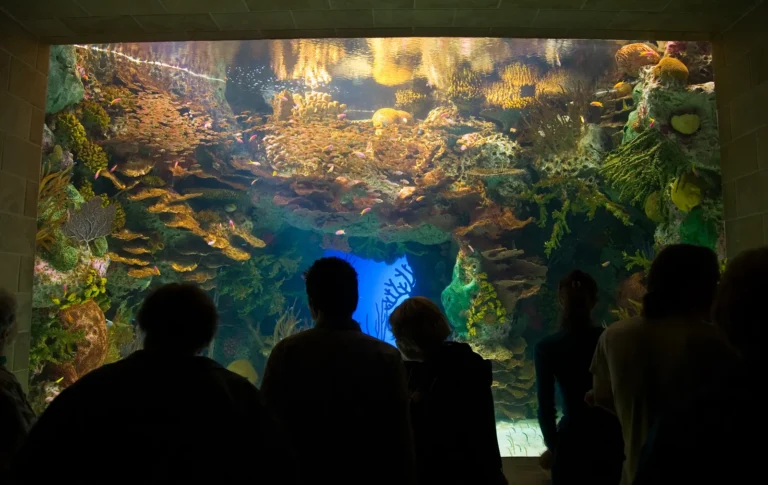
Key Biscayne, the barrier island south of the city, gives you the same water without a tour booking. Bill Baggs Cape Florida State Park, at the island’s southern tip, holds a restored lighthouse from the 1800s, a quiet beach, and a seawall path where I have watched herons fish at dawn. The island also holds the Miami Seaquarium area and family beaches, and for younger kids my notes on aquariums for families USA cover the indoor options when the heat or a storm drives you inside.
Free Things That Are Worth Your Time
Miami hides a strong free list, and it matters because the city can get expensive fast. The Miami Beach Botanical Garden is free, small, and shaded, a good reset between beach and lunch. Bayfront Park in Downtown gives you bay views, a fountain, and a free amphitheater lawn without a ticket. The Wynwood street murals outside the gated Walls cost nothing to view. South Pointe Park, at the southern tip of Miami Beach, gives you cruise ships passing the jetty, fishermen on the pier, and a sunset crowd that feels local.
My rule for free Miami is to use the free stops as the frame and pay for one big thing a day: Vizcaya one day, the Everglades tram the next, a boat trip the third. That rhythm keeps the trip under control without making it feel cheap, and it leaves room for the coffee and pastelito stops that cost almost nothing and deliver the most.
Miami at Night: Where to Go, and Where to Skip
Miami at night splits into two scenes, and I like one much more than the other. The good scene is live music and late food: jazz in Little Havana, salsa clubs with dance floors that welcome beginners, and the rooftop bars in Brickell where the view earns the drink price. The scene I skip is the Ocean Drive club line: long waits, high covers, and rooms so loud you cannot talk. If a club is your goal, go early, buy ahead, and leave before midnight, when the line peaks.
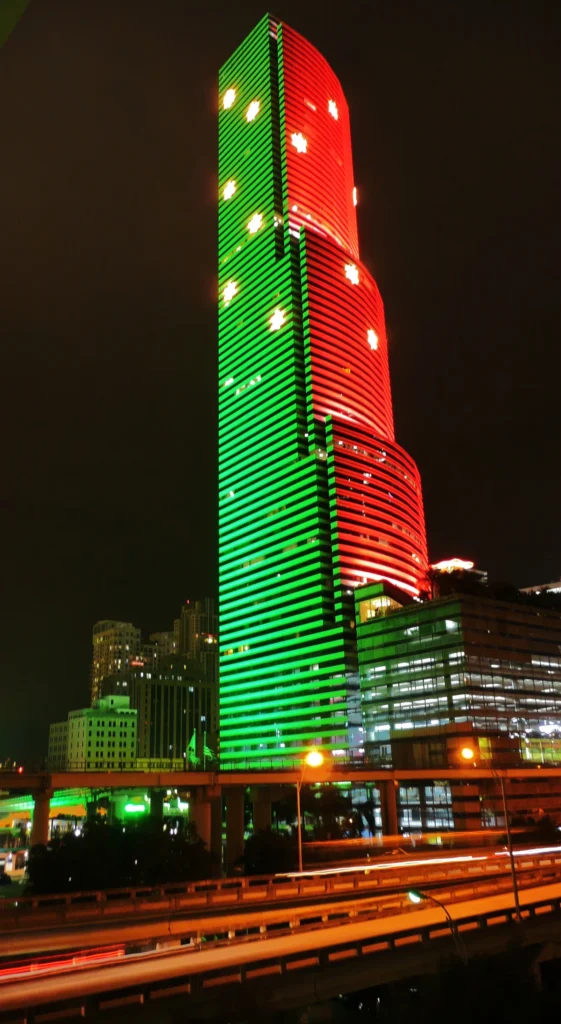
For a first-timer night, my plan is simple: dinner in Little Havana, music after, and a walk along the Miami Riverwalk or the bay before bed. The city at night from the water side, with the skyline lit and the air finally cool, is the Miami I remember best, and it costs nothing.
Costs, Crowds, and the Weather Window
Miami’s weather window runs December through April, when the humidity drops, the rain eases, and the city fills with visitors. That is also when prices peak, especially around Art Basel in early December and the winter holidays. My fix is January or late April, when the weather holds and the hotel rates ease a little. Summer brings lower prices and brutal humidity, plus hurricane season from June through November, so I check forecasts daily and buy refundable rooms if I travel then.
For a November trip, my notes on places to visit in November USA cover where else the fall season works, because Miami in November is warm but not yet at winter prices.
Budget honestly: a South Beach hotel can cost double a Downtown or Coral Gables room, and the beach clubs and boat tours add up fast. The official Miami tourism site lists current events and hotel deals, and I check it before booking. The free stops above, plus a rental car only for the Everglades and Key Biscayne days, keep the trip reasonable.
Questions I Get Before a First Miami Weekend
How many days does Miami need? Four, at minimum: one beach day, one city day, one wild day, and one flex day for weather or a second look. Three days works if you cut either the Everglades or Biscayne, but I would rather cut a beach morning than either wild trip.
Do I need a car? Not for the beach and city zones, where rideshares and buses cover the gaps. Rent for the Everglades and Key Biscayne days only, and return it the same evening, because parking in South Beach costs more than the rental.
Is Miami good with kids? Yes, with a plan: beach mornings, Vizcaya gardens, the Seaquarium area, and the Everglades tram, which kids love for the alligators. The nightlife zones are not for kids, so split the day and keep evenings to family restaurants.
When is the cheapest good time? Late April and early May, after the winter crowds thin and before the summer storms settle in. September is cheapest and riskiest, at the peak of hurricane season, so I only recommend it with refundable bookings.
Book the Beach Morning, Then Earn the City Night
If I had one Miami weekend and no favorite zone yet, I would spend the first morning on South Beach, the first afternoon in Little Havana and Wynwood, the second day in the Everglades, and the last morning at Vizcaya before flying home. Book the Everglades tram and the Vizcaya tickets ahead, because those are the two stops where a walk-up wait hurts. The beach will still be there after lunch. The city rewards the traveler who splits the day and lets each zone do its own work.