Historic American Cities Reward the Traveler Who Walks Them Slowly
I rank historic American cities by one test: can I spend a full day on foot and still find something I did not expect around the next corner? The cities below pass that test, and they do it without turning their past into a costume. I have walked all six, some more than once, and the order I love them changes with the season. Boston in October, Charleston in April, and St. Augustine in February are my picks, for reasons that have nothing to do with postcards.

Why Historic American Cities Still Run on Foot
The best historic cities in America were built before the car, and that is their whole advantage. Streets are narrow, blocks are short, and the important buildings sit close together because nobody planned for parking lots. A car in these places is a burden, not a tool. I park once, or I arrive by train, and I walk. The cities that reward that approach most are the ones where the walking itself tells the story, from cobblestones to church bells to the smell of a bakery that has been on the same corner for decades.
Boston, Massachusetts: The Trail That Teaches You to Look Up
Start in Boston, Massachusetts, on the Freedom Trail, a 2.5 mile red line painted on sidewalks that links 16 historic sites. I walked it in October once, when the crowds had thinned and the leaves were turning, and it took me most of a day with stops. The line itself is the genius of it: you cannot get lost, and every turn puts you in front of something that matters, from Boston Common to the Old North Church to Bunker Hill.
Two stops earn extra time. The Paul Revere House, built around 1680, is small and crowded, and that is the point: you stand in rooms where a family lived and worked, not in a grand hall. The Old South Meeting House, where the Boston Tea Party was planned, still feels like a room where an argument could start. For the trail itself, the National Park Service posts current site hours and details on the Boston park site, and I check it before I go because individual sites keep different hours.
The honest negative is the crowds in summer. The trail is free to walk, but the popular house museums fill by midmorning, and the narrow streets around Faneuil Hall turn into a slow shuffle. My fix is simple: start at 8 a.m., walk the trail north to south, and save the marketplace for lunch when you want a crowd. For a longer New England swing, my notes on small towns in New England cover the quieter stops I pair with a Boston weekend.
Philadelphia, Pennsylvania: Where the Documents Still Feel Alive
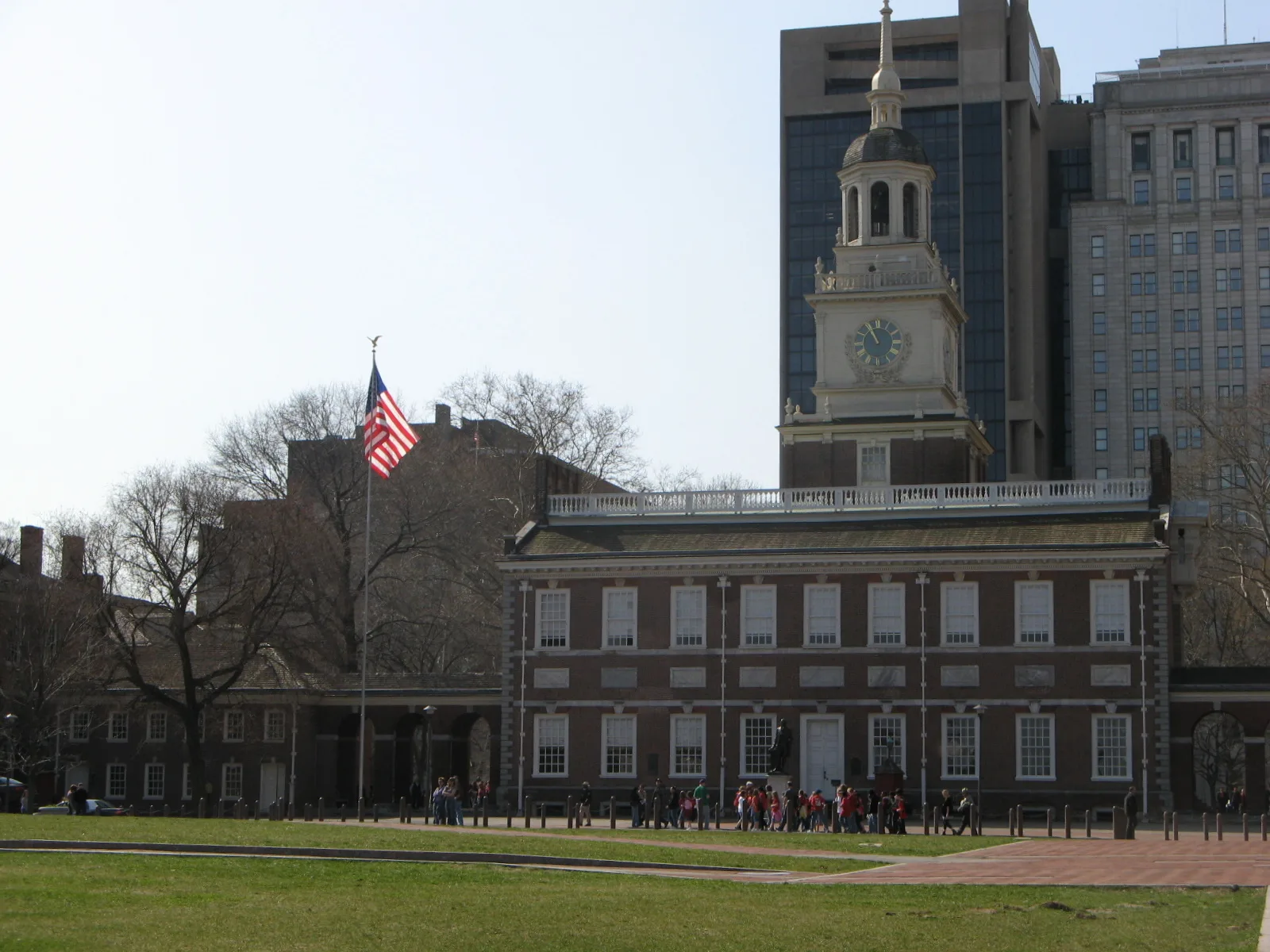
Philadelphia, Pennsylvania, is the city where I felt history as an argument rather than a monument. Independence Hall is a plain Georgian room, and standing where the Declaration and the Constitution were debated does something no exhibit panel can do. The Liberty Bell sits across the street, cracked and smaller than you expect, and the line to see it moves faster than the line for coffee nearby.
Book the timed entry for Independence Hall early. Entry is free, but the timed tickets go first, and the walk-up line in spring and summer can eat an hour. The park service lists current ticket rules on the Independence Hall site, and I read it the morning I plan to go. Elfreth’s Alley, a narrow brick street of houses dating to the early 1700s, is my favorite unplanned stop: people still live there, so keep voices low and cameras respectful.
Philadelphia rewards a second day more than most cities on this list. The first day covers the historic core; the second covers the neighborhoods, the markets, and the food, which is better than the guidebooks suggest. Skip the horse-drawn carriage pitch near Independence Mall. The walk is short, the streets are flat, and the carriage tells you less than the plaques do.
Charleston, South Carolina: Beauty With a Harder Story Underneath
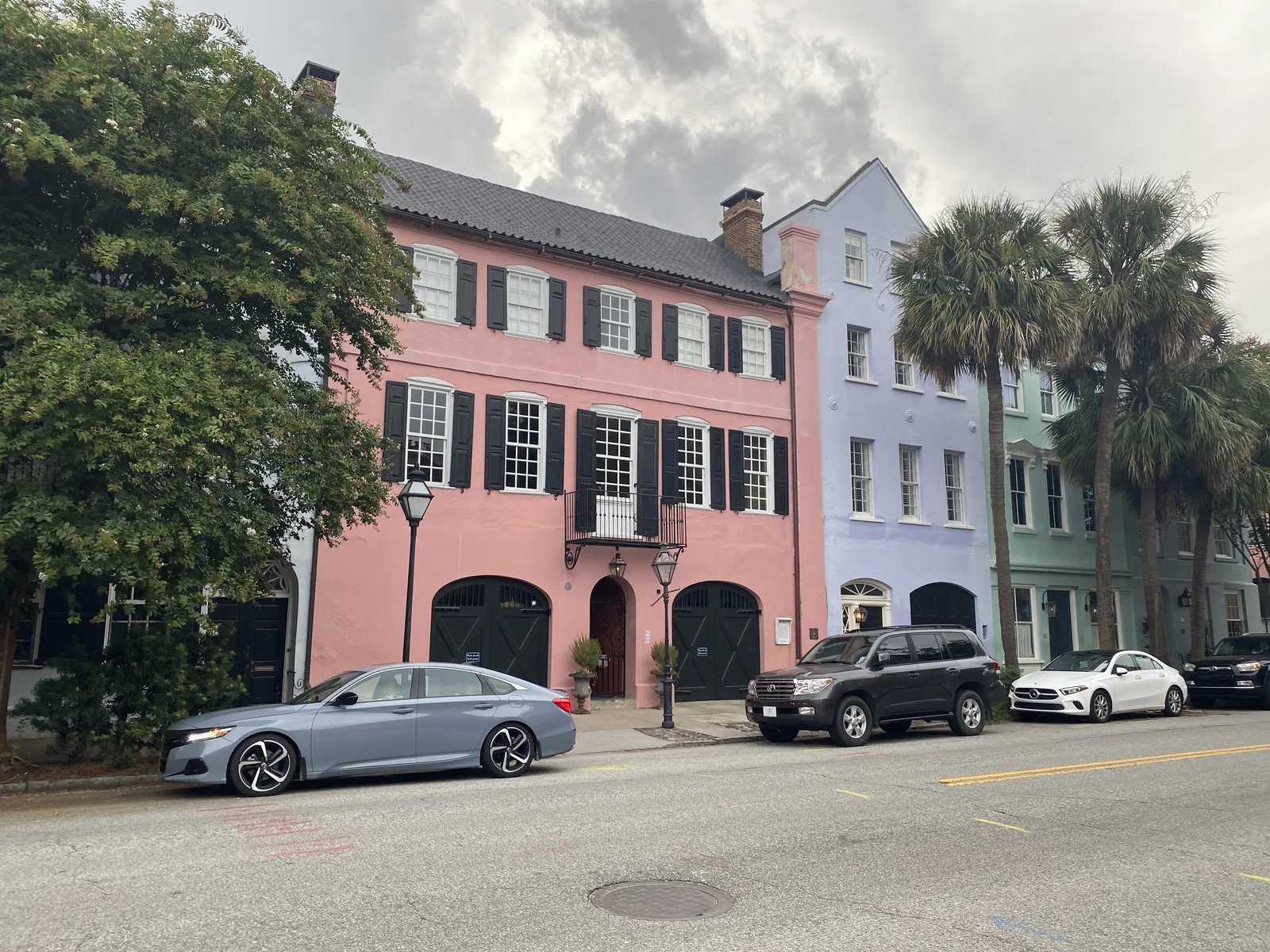
Charleston, South Carolina, founded in 1670, is the prettiest city on this list and the one I write about most carefully. Rainbow Row, the pastel houses along East Bay Street, photographs well at dawn before the tour groups arrive. The Battery at the tip of the peninsula gives you harbor views and a long promenade where locals walk dogs in the morning. The Old Slave Mart Museum on Chalmers Street tells the part of the story that the pretty houses leave out, and I consider it required, not optional.
Charleston punishes a summer visit. July humidity makes a midday walk feel like work, and the afternoon storms cut walking tours short. I go in April or late October, when the air stays warm enough for a porch but light enough for a long walk. Carriage tours crowd the narrow streets by late morning, so I walk the residential streets south of Broad Street early, when the only traffic is delivery vans and joggers.
If you time a Charleston trip around the Fourth of July, my notes on cities to watch fireworks USA cover where else the holiday works, because Charleston’s harbor show draws a crowd that books rooms months ahead.
Savannah, Georgia: Squares That Slow You Down on Purpose
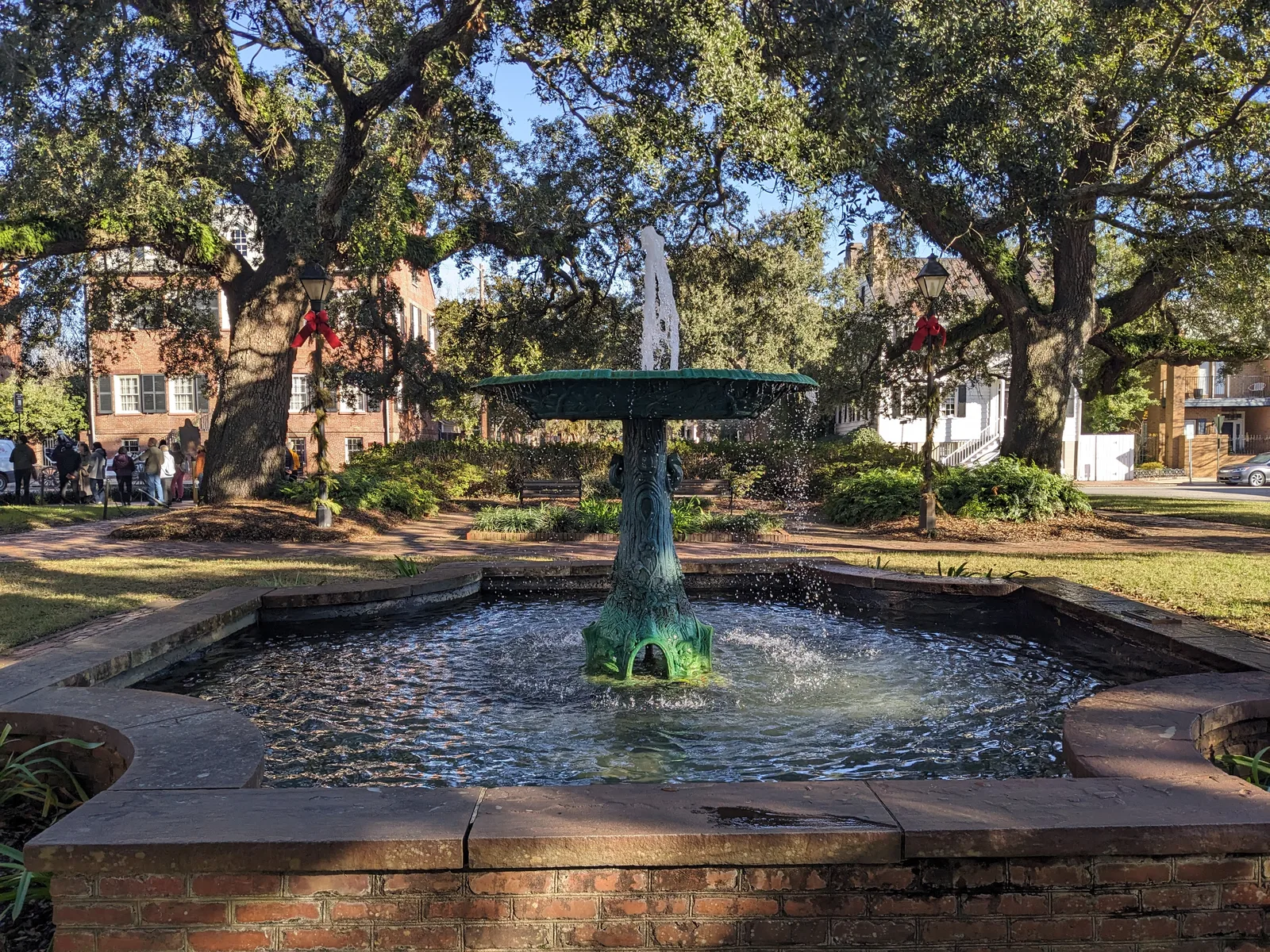
Savannah, Georgia, founded in 1733, runs on a plan that still works: 24 original squares, of which 22 survive, each one a small park with benches, live oaks, and Spanish moss. I spent a whole afternoon moving from square to square with no destination, and that aimless walk taught me more about the city than any single house tour. Forsyth Park, with its white fountain, is the big set piece, but the smaller squares, like Chippewa Square and Lafayette Square, are where the city feels lived in.
Savannah is the easiest city on this list to do badly by rushing. The historic district is flat and walkable, but the heat and the bar scene pull visitors into a loop of the same three streets. My fix is to walk the residential squares east of Bull Street in the morning, eat lunch away from River Street, and save the riverfront for sunset, when the light on the water earns the crowd. The city pairs well with Charleston in one trip, about two hours apart by car, and the drive itself is an easy Lowcountry stretch.

St. Augustine, Florida: The Oldest City, and the Most Honest About It
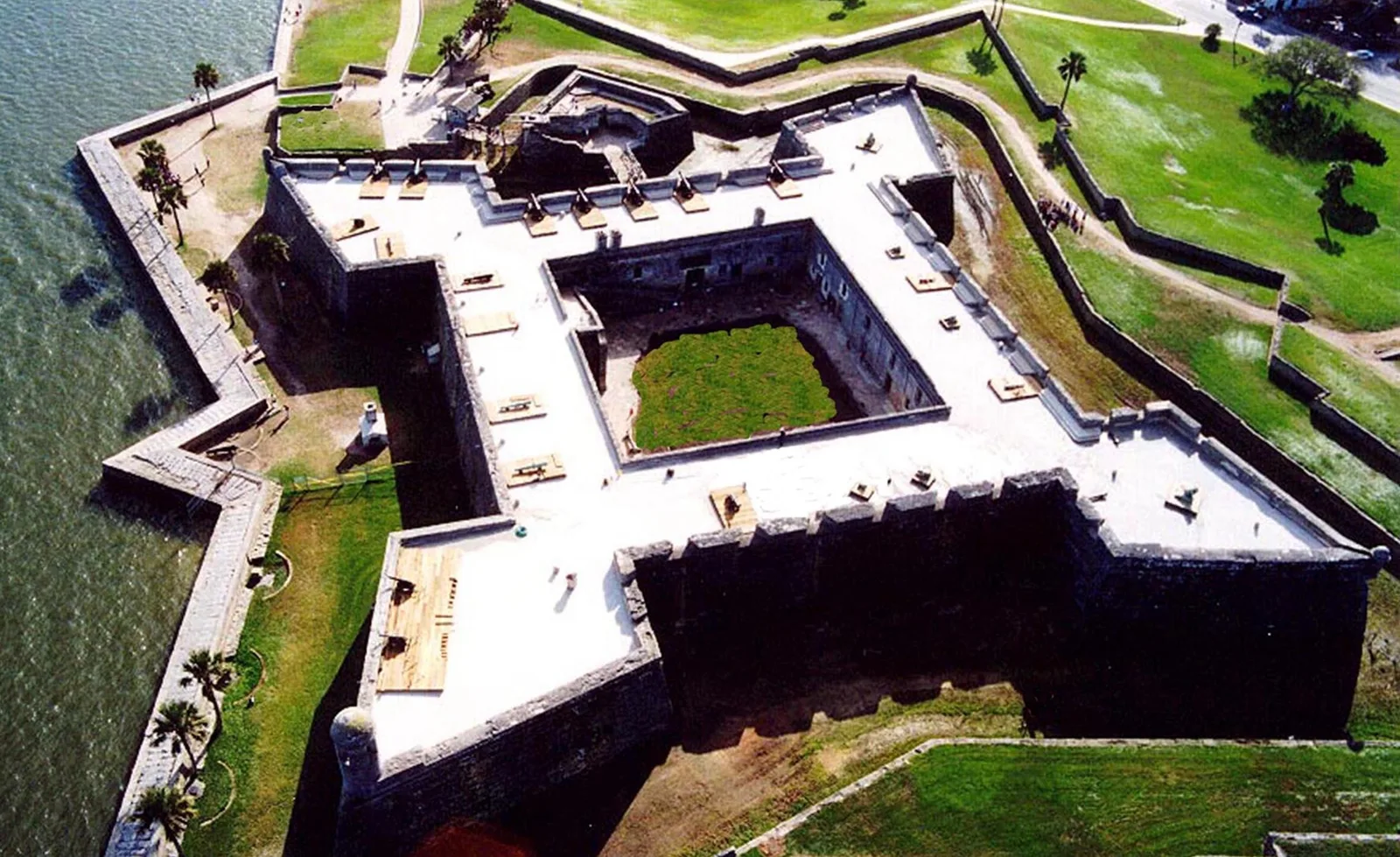
St. Augustine, Florida, founded in 1565, is the oldest continuously occupied European settlement in the United States, and it wears that fact without fuss. The Castillo de San Marcos, a stone fort built starting in 1672, is the anchor: thick coquina walls, a moat, and cannon demonstrations that draw kids and adults alike. I spent two hours there on a February morning and had the walls mostly to myself, which is the St. Augustine advantage in winter.
The old town around St. George Street is pedestrian-only in stretches, lined with shops and cafes that lean touristy by midday. The trick is to walk it before 10 a.m., when the shopkeepers are opening up and the street belongs to locals walking dogs. The park service posts fort hours and ranger programs on the Castillo site, and I check it because the fort closes for special events more often than visitors expect.
St. Augustine is also the best winter pick on this list. While Boston and Philadelphia freeze, St. Augustine sits in the 60s, the crowds stay thin, and the light on the old stone stays warm all afternoon. That is why it anchors my February trips, and why I tell cold-weather travelers to start here.
Colonial Williamsburg, Virginia: A Whole Town as a Museum
Colonial Williamsburg, Virginia, is the strangest and most ambitious stop on this list: an entire colonial capital, restored to its 18th-century appearance, where costumed interpreters work trades and debate politics in character. I went expecting a theme park and found something better, a place that takes the daily life of the 1770s seriously, from the blacksmith’s forge to the printing press to the kitchen gardens. The Colonial Williamsburg site lists ticket options and programs, and I buy ahead because the multi-day passes cost less than two single days.
The honest negative is the price and the polish. Admission is not cheap, and the restored streets can feel too clean, too perfect, compared with the worn brick of Philadelphia or Boston. My fix is to pair it with a day in nearby Yorktown or Jamestown, where the ground is rougher and the story feels less staged. Williamsburg works best for families with kids old enough to ask questions, roughly eight and up, because younger kids tire of the walking and the talking fast.
What the Small Towns Add That the Big Cities Cannot
The most historic small towns in America deserve a place beside these cities, because they keep a scale the big cities lost. A small town lets you walk the whole historic core in an hour, eat lunch where the owner knows the regulars, and see a courthouse, a church, and a main street without a subway ride between them. My notes on the most beautiful small towns USA cover the ones I pair with city trips, and the overlap is real: several of those towns, like Telluride and Bar Harbor, trade on scenery more than history, while the historic small towns trade on the opposite.
The practical point is sequencing. Fly into a big historic city, spend two days on foot, then rent a car for one small-town day before flying home. That rhythm beats three cities in four days, which turns every old street into a blur. I learned that the hard way in a week when I stacked Boston, Philadelphia, and Charleston back to back and remembered the airports better than the squares.
Costs, Crowds, and the Booking Rules That Matter
Historic cities reward early planning in three specific ways. First, the free timed tickets, in Philadelphia and at popular Boston house museums, go before the walk-up lines form. Second, rooms in Charleston and Savannah in spring book out early, and the prices on the main streets reflect it; I stay a few blocks off the main drag and walk in. Third, Williamsburg tickets cost less bought ahead than at the gate, and the multi-day option pays off if you add Yorktown.
Crowds follow a simple pattern: summer is worst everywhere except St. Augustine, spring is worst in Charleston and Savannah, fall is best in Boston and Philadelphia, and winter is best in St. Augustine and Charleston. If you can only travel in summer, pick St. Augustine or Savannah and plan your walking for before 10 a.m. and after 5 p.m., with museums and long lunches in the middle.
Questions I Hear on the Cobblestones
Which city should a first-timer pick? Boston, for the Freedom Trail. The red line removes all navigation stress, the sites sit close together, and one day gives you a real sense of the place. Philadelphia is my second pick, for the documents and the food.
Can I do these cities without a car? Yes, for Boston, Philadelphia, and Savannah, all walkable with train or bus arrivals. Charleston and Williamsburg work better with a car for at least one day, and St. Augustine is easiest with a car for the beaches and the fort area.
Are these trips good with kids? Boston and Williamsburg lead, because the trail and the trades give kids something to do with their hands. Philadelphia works for kids old enough to care about the documents, roughly ten and up. Charleston and Savannah work best as slow walks with frequent snack stops.
How many days does each city need? Two full days for Boston and Philadelphia, two for Charleston, one to two for Savannah, one to two for St. Augustine, and two for Williamsburg with Yorktown. A single day in any of them feels rushed, and I would rather cut a city than rush two.
Start in Boston, Then Follow the Old Road South
If I had one historic week and no favorite city yet, I would fly into Boston, walk the Freedom Trail over two days, take the train to Philadelphia for two more, then fly south to Charleston and Savannah for the rest. St. Augustine waits for winter, and Williamsburg waits for a trip with kids. Book the timed tickets first, because the old cities reward the traveler who plans the morning and leaves the afternoon open to wander. The streets have been there for centuries. They will still be there after lunch.