Warm Winter Vacations USA That Skip the Snow Without Skipping the Trip
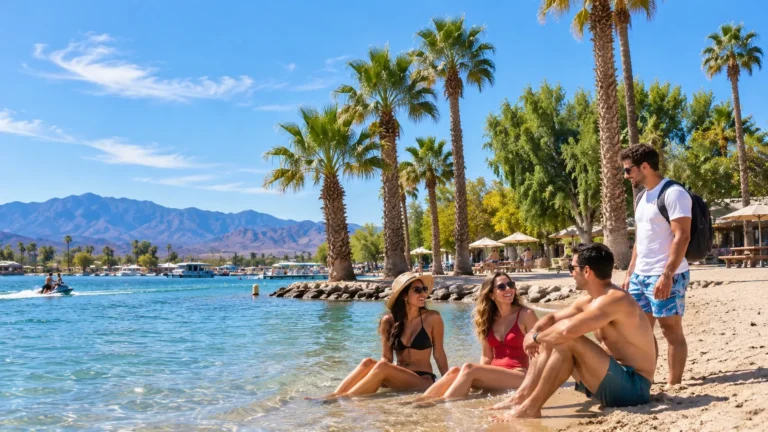
I stopped chasing snow years ago, and my winters got better for it. The best warm winter vacations USA trips I have taken share one habit: I picked a place where I could be outside in a light jacket in January, eat dinner on a patio, and still feel like I was on a trip, not just escaping weather. If you want sun without a resort bubble, start with towns, not hotels.
How I Judge Warm Winter Vacations USA on the Second Morning
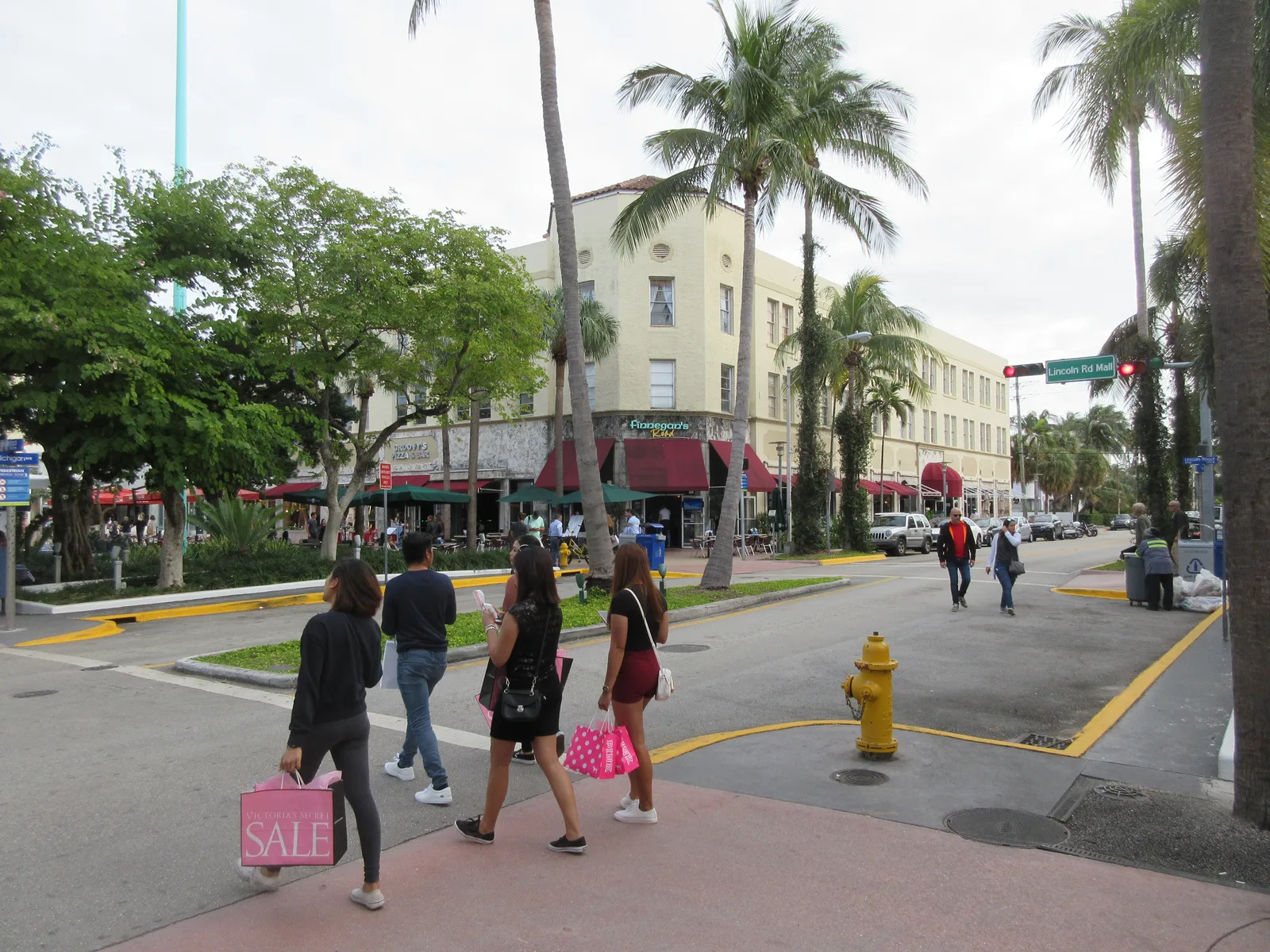
My test is simple, and I run it on the second morning, not the first. Anyone can love a place on arrival day, when the flight is over and the palm trees look new. On day two, I ask three questions. Can I walk somewhere good for breakfast. Is there something free or cheap to do before lunch. And do I want to stay, or am I already counting days. A warm town that passes day two earns the rest of the week.
I learned this in a Florida beach town where day one felt perfect and day two felt empty. The hotel pool was fine, the beach was fine, and there was nowhere to walk to. We drove to every meal, we drove to every activity, and by day three the kids were bored in a place that looked like paradise in photos. The next winter I picked a smaller town with a main street, a public park, and a farmers market, and the same kids asked to stay an extra night.
That is why I rank walkability above sunshine. Sunshine is easy to find in winter in the United States. A town you can walk, with a grocery store, a cafe, and a park, is harder to find, and it matters more after the first two days.
Florida, But Not the Florida Everyone Books First
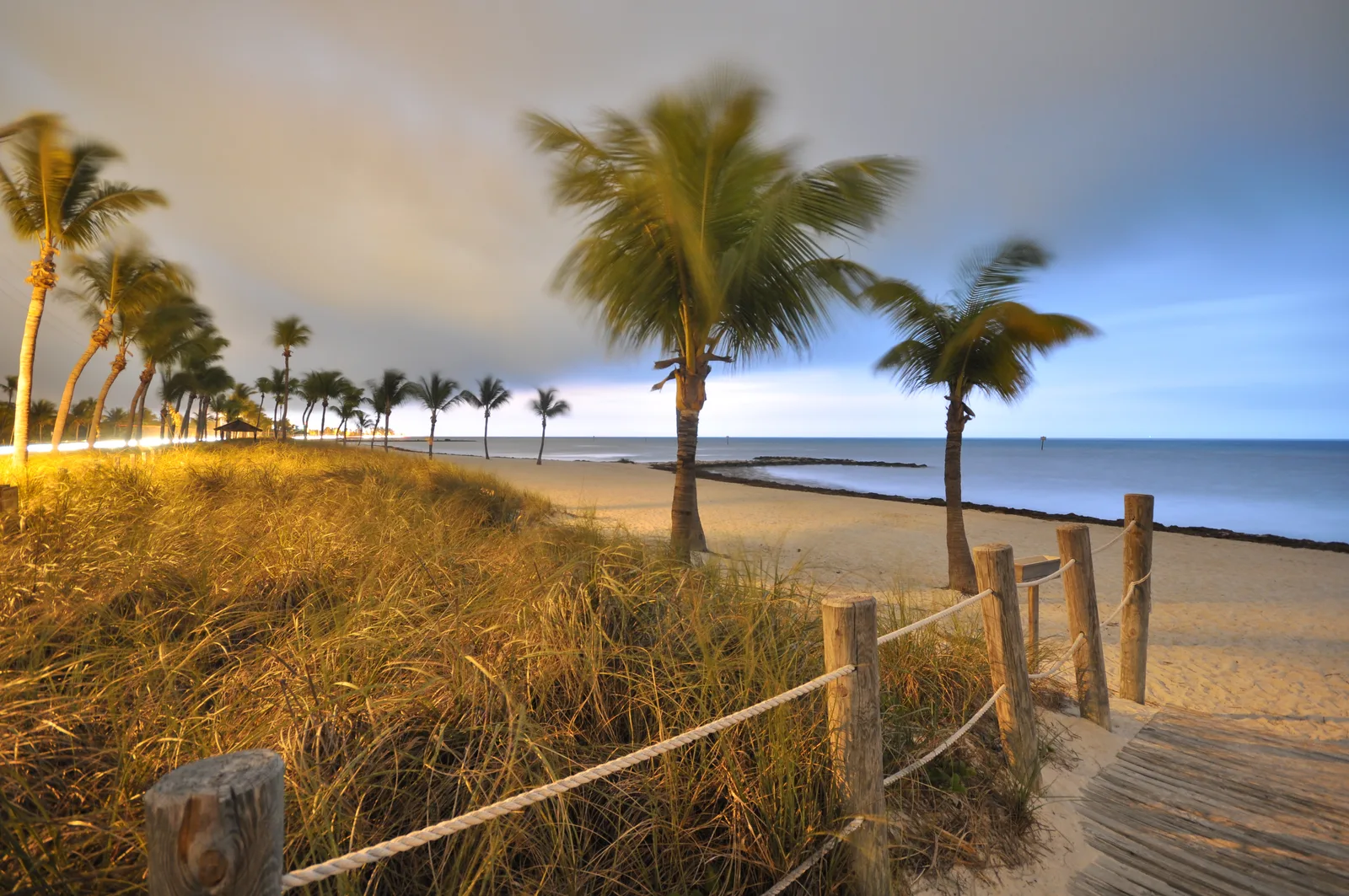
Florida is the obvious answer, and it is obvious for a reason. The air stays warm, the water stays swimmable in the south, and the state is built for winter visitors. The mistake is booking the biggest name first and then complaining about crowds and prices.
I start with the smaller Gulf and Atlantic towns instead of the famous theme park corridor. A town with a fishing pier, a public beach, and a main street gives you the same winter sun with shorter lines and lower prices. I look for a town where locals still live year round, because those towns keep restaurants open in January and do not shut down when the snowbirds leave.
For a Florida town that fits the walkable test, my guide to small towns in Florida is the place I send friends first. Many of those towns have a beach within walking distance of a main street, which is the combination that makes a cheap winter week work.
The Florida Keys are a different trip, and I treat them that way. The drive down the Overseas Highway is part of the vacation, and I plan it as a slow drive, not a race to the last island. I stop in the middle Keys for a night, I swim in the morning, and I reach Key West, Florida in the afternoon, when the light is best. The Keys cost more than the mainland, and I budget for that by staying fewer nights and cooking breakfast.
When I plan a Keys trip, I check the official Florida Keys tourism site for island conditions and events, because road work and seasonal closures change the drive. I also check Visit Florida for statewide winter conditions, because a cold snap in the north of the state does not mean the same weather in the south.
The Desert Winter I Did Not Expect to Love
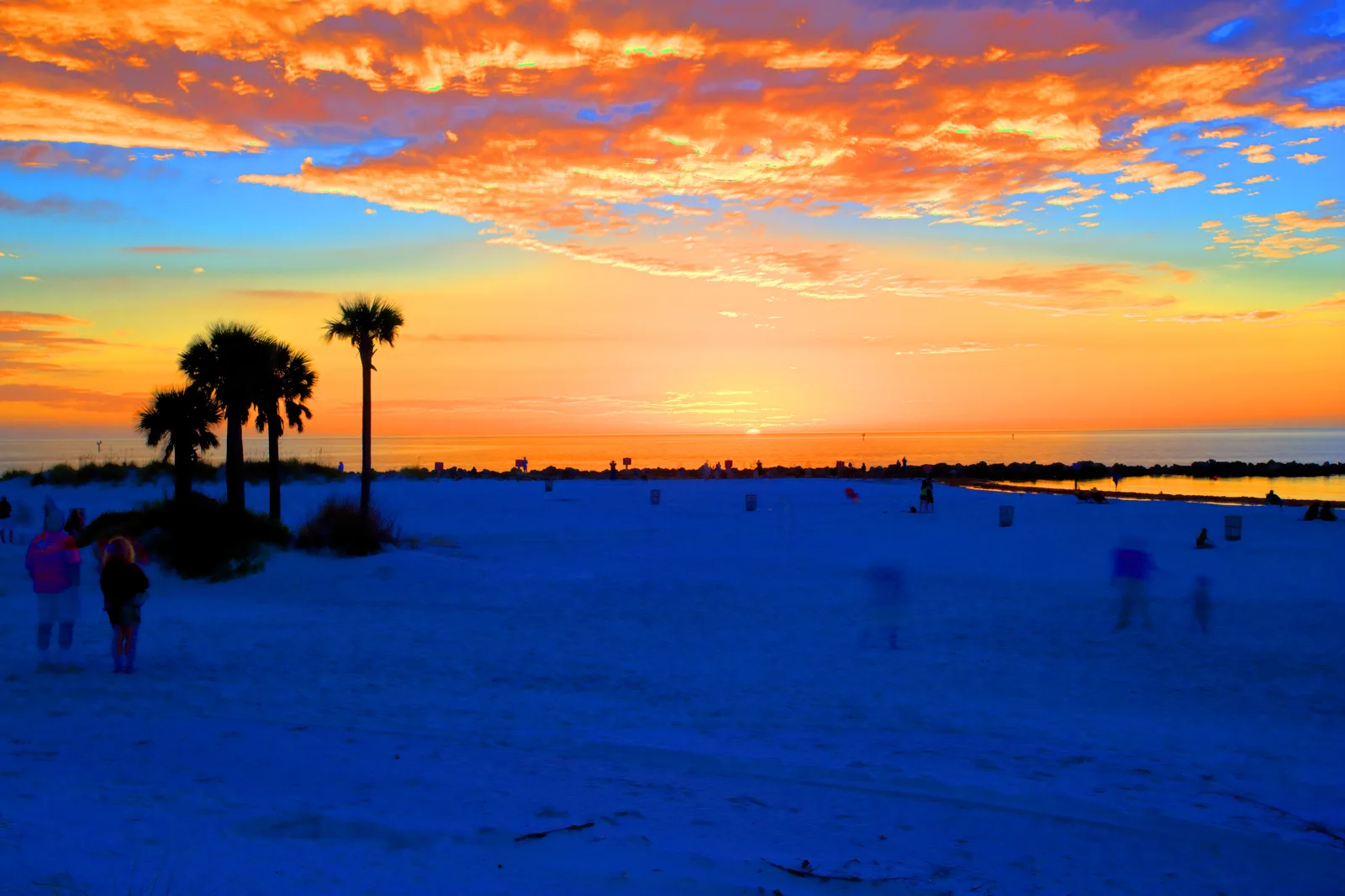
Arizona, New Mexico, and the desert parts of Texas, California give you a second kind of warm winter, and it suits people who do not love humidity. Days are sunny and dry, nights are cool, and you need a jacket after sunset. I pack layers for a desert winter, a light jacket for the day and a real coat for the evening, and I plan hikes for the morning, when the light is soft and the trails are quiet.
Phoenix, Arizona works as a base because you can day trip to the desert, to small towns, and to the mountains without changing hotels every night. I stay in a neighborhood with a grocery store and a cafe, I hike in the morning, and I eat dinner in town. The trap in Phoenix is sprawl. If you book a room far from anything walkable, you will drive everywhere, and the trip starts to feel like commuting in nice weather.
Tucson, Arizona is quieter and, for my money, better for a longer stay. The desert around Tucson feels wilder, the food scene is stronger, and the pace is slower. I spent a winter week there once, hiking in the morning, working from a cafe in the afternoon, and eating dinner early, and I came home rested in a way a beach week never quite manages.
For desert parks and winter conditions, I check the Arizona tourism site before I book, because desert towns vary more than people expect. A town at a higher elevation can be cold at night even when the valley below is warm, and that matters if you booked a room with a patio you planned to use every evening.
Snowbirds on a Budget, Without the Snowbird Trap
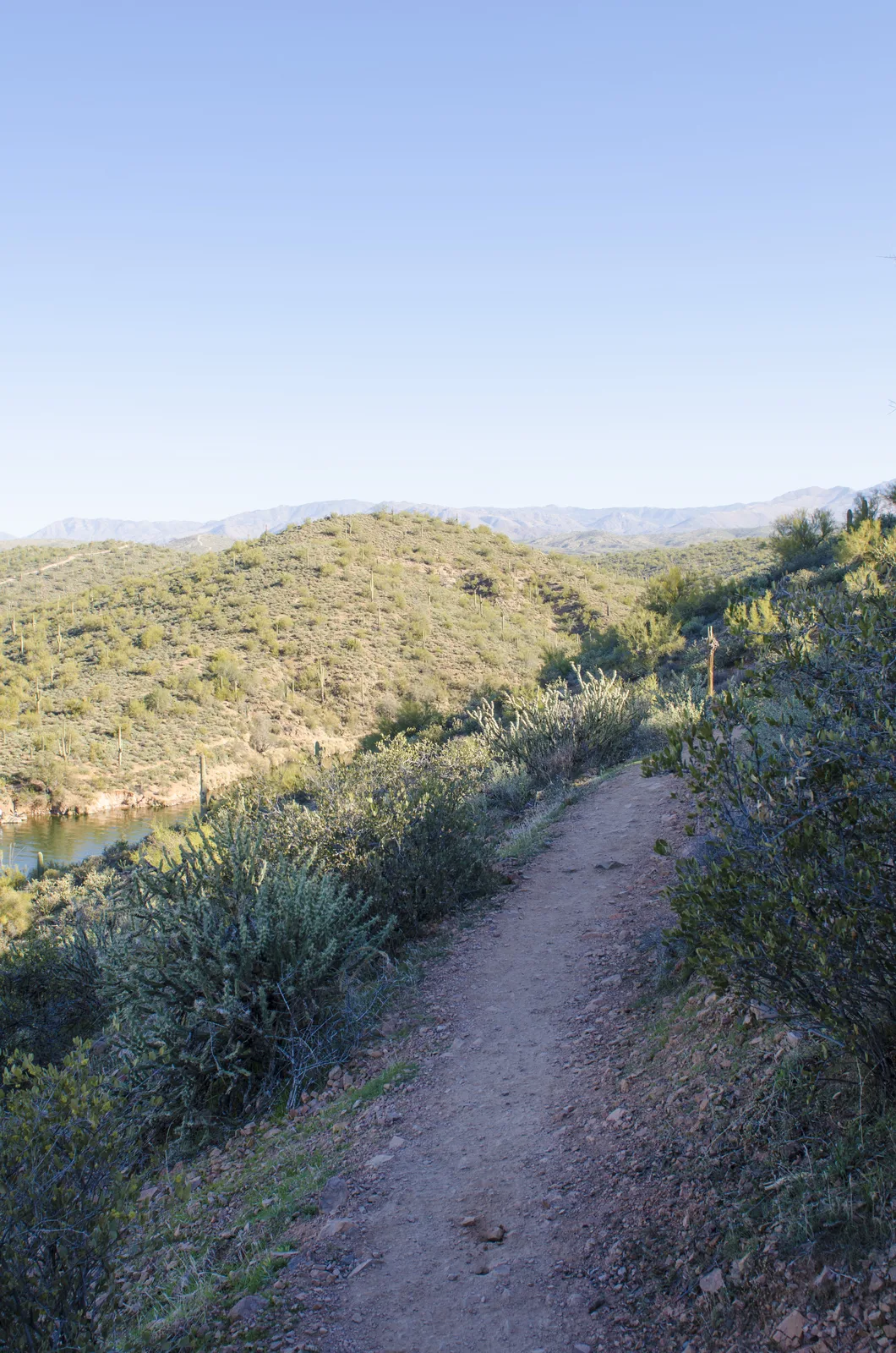
The word snowbird makes people picture a gated community and a golf cart, and some winter visitors do want exactly that. Many do not. The budget version of a snowbird trip is a rented condo or a small house in a real town, for two weeks or a month, with a kitchen and a grocery store nearby.
I cook breakfast, I eat one meal out a day, and I use the saved money for one good activity a week, not a paid event every day. That pattern works in Florida, Arizona, and the Gulf Coast, and it is the same pattern I use for budget trips in other seasons. My guide to affordable Christmas getaways lays out the same math for December, and it holds in January and February too.
The snowbird trap is booking too far from town to save money on rent. A cheap rental twenty minutes from everything is not cheap once you add gas, parking, and the meals you buy because you did not want to drive home to cook. I pay a little more for a place in town, and I save it back in food and fuel.
I also watch the calendar. Winter rates drop after the holiday weeks, and the quietest weeks in January and early February are often the best value. I avoid the weeks when a big event fills a town, because rates jump and restaurants fill, and I would rather have a calm week than a famous one.
Family Warm Winter Trips That Keep Kids Outside
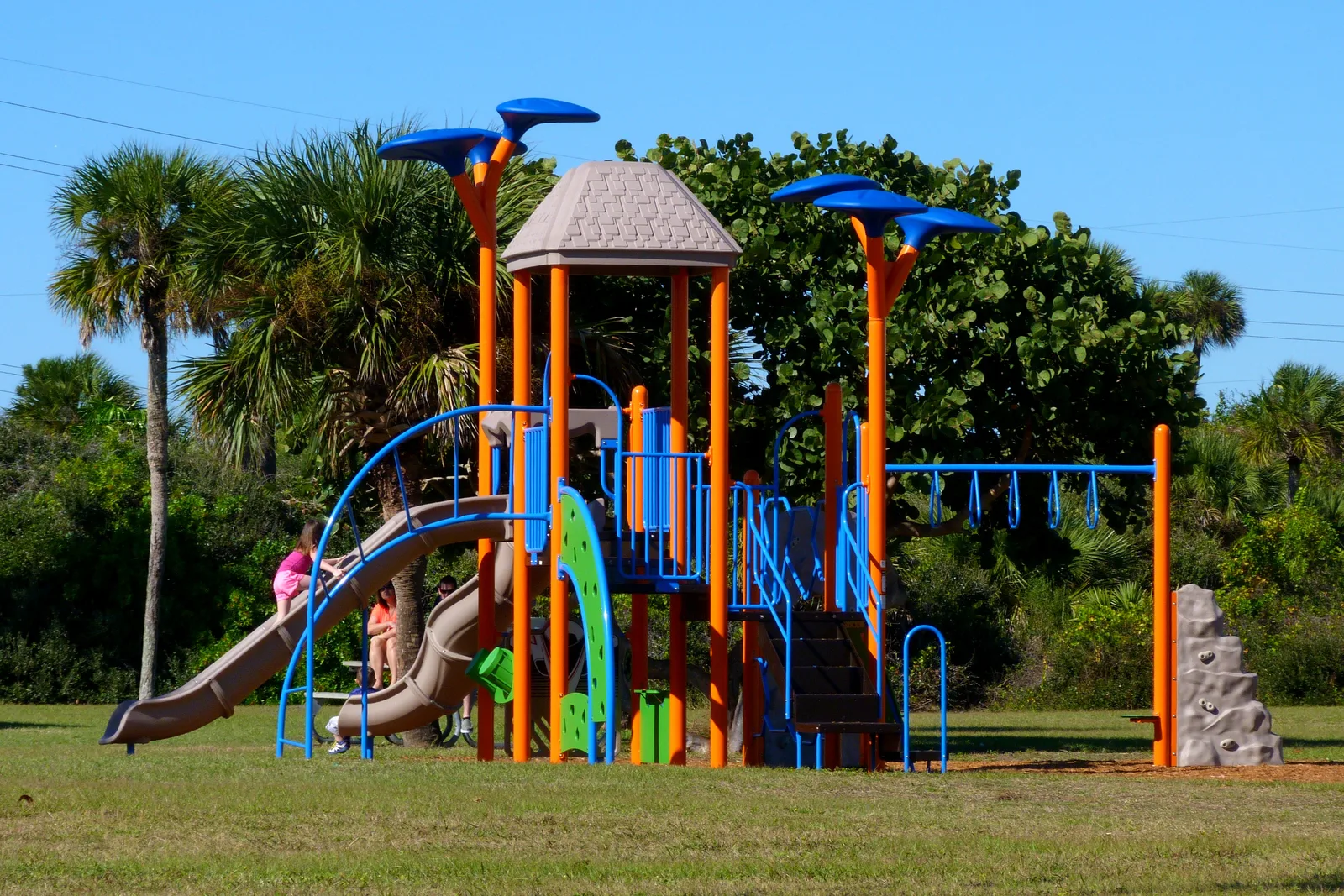
Families need a different test than couples. Kids need a beach or a park they can reach on foot, a place to burn energy before lunch, and a backup plan for a rainy day. A warm winter trip fails for families when every activity needs a car and a ticket.
I pick family towns with a public beach, a playground, and a nature center or a small museum within walking or a short drive. The beach does the heavy lifting in the morning, the park does it in the afternoon, and dinner is early, because tired kids and late dinners do not mix. I also pack for water, even in winter, because a kid who gets wet at a splash pad in January still needs a dry change of clothes.
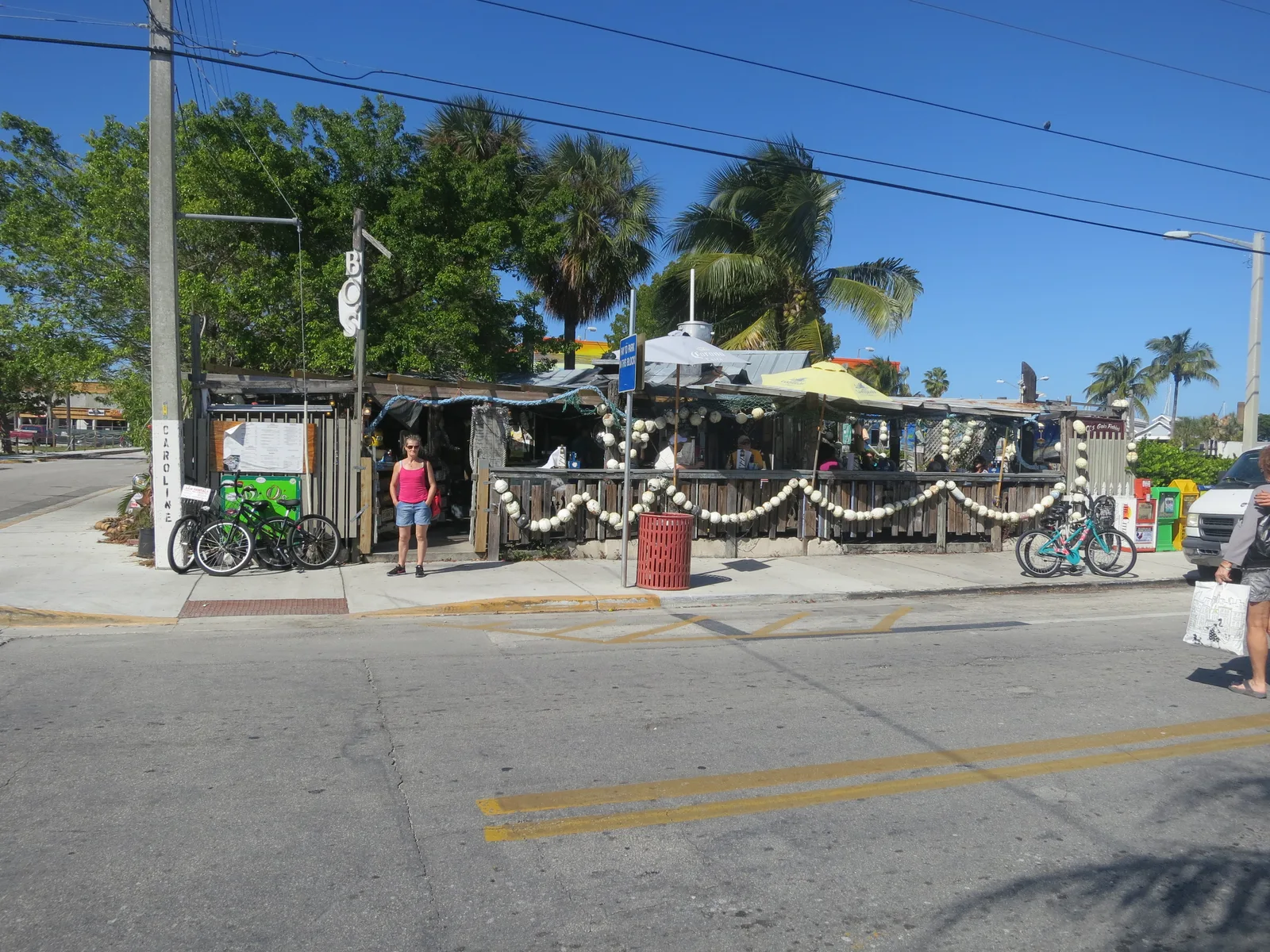
Key West, Florida works for families in a way people do not expect, because the town is small enough to walk and the water is everywhere. My guide to things to do in Key West covers the walkable version of the town, which is the version I recommend for families. I skip the loudest bar street at night with kids, and I spend the days on the water and in the old town streets instead.
One family rule I keep: I never book two ticketed attractions in one day. The second ticket always becomes the argument, and a free beach morning plus one paid activity in the afternoon beats two paid activities and a tired family.
The Everglades and the Gulf Coast, Done Slowly
South Florida rewards a slow trip, and the Everglades are the best example. The Everglades are not a beach, and they are not a theme park. They are a wide, flat, wild place where you move slowly, you look for birds, and you learn to like quiet. I take a ranger walk when one is offered, I bring water and sun protection, and I plan a short visit, not a full day of driving through the park.
Before I go, I check the National Park Service Everglades page for conditions and closures, because water levels and road work change what is open. The park is not a place to wing it in winter, even though winter is the best season to visit, with fewer mosquitoes and cooler air.
The Gulf Coast, from the Florida Panhandle to the Texas coast, gives you a third winter option: wide beaches, small towns, and seafood restaurants that do not feel like tourist traps. I like the Gulf for a driving trip, because you can move town to town, stay two nights in each, and never feel rushed. The water is cooler than the Atlantic side in winter, and I tell people that plainly, so they do not arrive expecting a summer swim.
For Gulf towns, I look for a public beach with parking, a main street with a grocery store, and a place to watch the sunset without paying for it. A sunset is free, and a town that gives you a good one every night does not need a paid attraction to earn its keep.
What I Skip, Even When the Brochure Looks Warm
I skip all-inclusive style resorts in winter when I want a town trip, because a resort keeps you inside a bubble and the town outside the gate stays a mystery. Resorts have their place, and I have enjoyed them, but they are not the trip I am describing here, and they cost more for less freedom.
I skip winter destinations that are warm only on paper. A town that averages warm days but drops cold at night, with no indoor backup, is a bad pick for a family or for older travelers. I check night temperatures, not just day highs, and I book a room with heating I can control, because a cold night in a thin-walled rental ruins a warm week.
I also skip the cheapest flight to a warm place if it lands me far from the town I want. A cheap flight into a distant airport, plus a long rental car drive, plus a night in a highway hotel, costs more in time and money than a slightly pricier flight into the right airport. I price the whole trip, not just the flight.
Warm Winter Questions I Get in November
Is Florida too crowded in winter to enjoy?
Not if you pick a smaller town and avoid the holiday weeks. The famous beaches and theme park areas are crowded, and I skip those in winter, but small Gulf and Atlantic towns stay calm, restaurants keep tables, and beaches have room. Book a town, not a famous name, and winter crowds become a non-issue.
Can you swim in winter in the United States?
Yes, in South Florida, the Florida Keys, and parts of Hawaii, though Hawaii is a separate trip. The Gulf Coast is cooler, and desert towns are not swimming destinations in winter at all. Check water conditions for the specific town, not the state, because a few hundred miles changes the answer completely.
How long should a warm winter trip be?
Five nights is my minimum for a flight trip, because travel days eat the first and last day. Two weeks is better for a rental, because you settle in, you cook, and you stop feeling like a tourist. Shorter than five nights, I pick a driving destination instead of a flight, so the trip does not feel rushed.
The Warm Winter Trip I Would Book Again Tomorrow
If I had one winter week and no constraints, I would drive to a small Florida town I can walk, book a place with a kitchen for five nights, and plan beach mornings, a park afternoon, and one good dinner a day. I would cook breakfast, I would walk to the beach, and I would leave one day completely open, because the best winter days are the ones you do not plan.
If money were tight, I would pick a Gulf Coast town in late January, stay in town, and use the same pattern, with fewer paid activities and more free beach and park time. Warmth does not have to cost a lot, and a calm week in a real town beats a rushed week in a famous resort.
For timing, my guide to places to visit in November USA is a useful bridge, because November is when winter rates and crowds start to shift, and the towns that work in November often work even better in January. Pick the town first, book a place in town, and leave room in each day for a walk you did not plan. That walk is usually the part you remember.