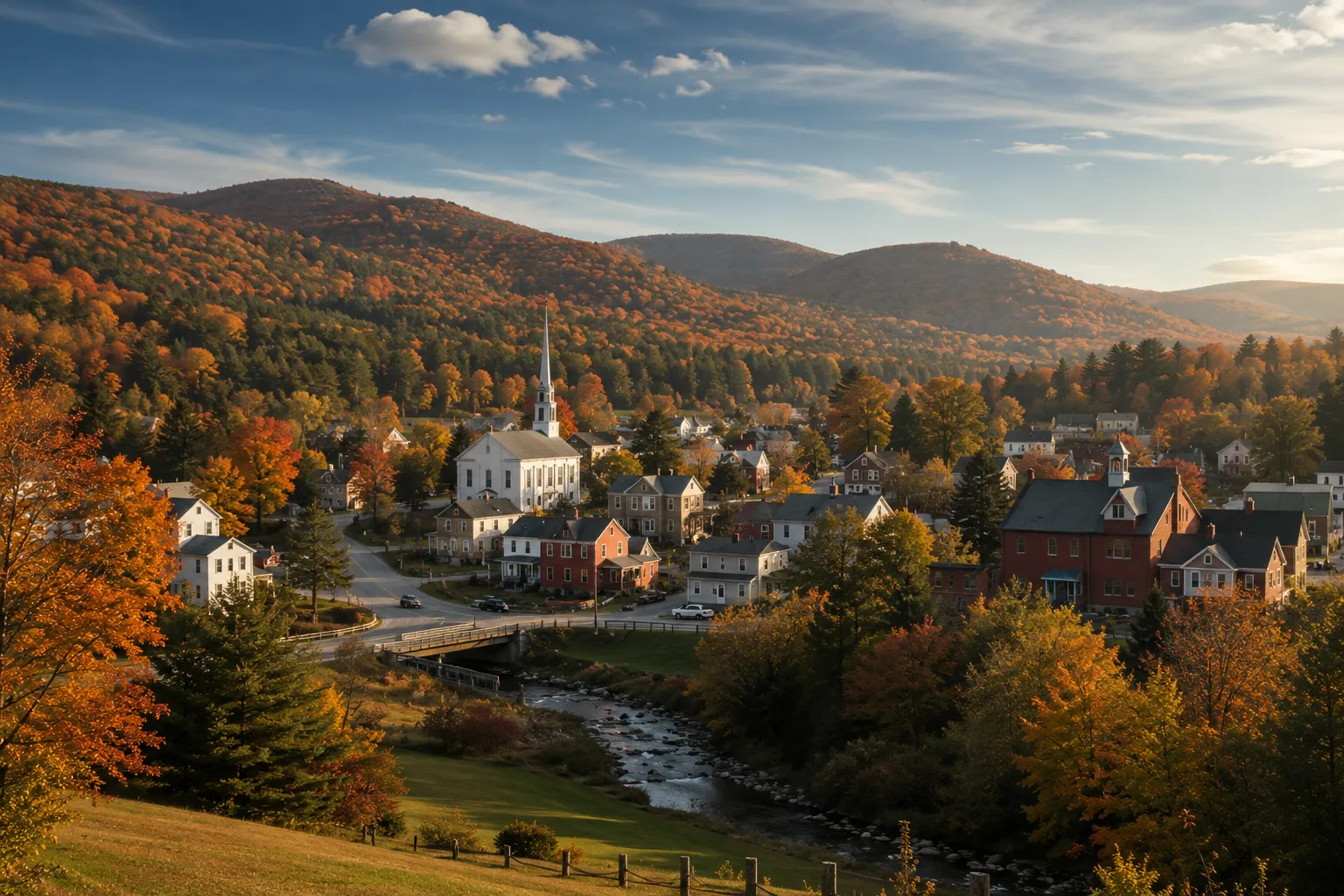
Mountain Towns in USA: Pick Your Elevation Before You Pick Your Town
The best mountain towns in USA travel splits along one line that most guides ignore: elevation. A town at 3,000 feet and a town at 9,600 feet are different vacations, different weather, and different physical experiences, even if the photos look alike. Pick your elevation first, then pick your town. Here are the ones worth the drive, the two months when most of them shut down, and the reservations you need before you leave home.
Altitude Decides Your First 48 Hours
Start here, because this is what people get wrong.
Altitude sickness generally begins above 8,000 feet. That puts several popular Colorado towns squarely in range, including Breckenridge at roughly 9,600 feet and Leadville, the highest incorporated city in the country at about 10,150 feet.

Symptoms show up as headache, nausea, poor sleep, and shortness of breath on stairs you would normally not notice. It is not fitness-dependent. Marathon runners get it.
What actually helps:
• Sleep lower than you climb. Spend your first night below 8,000 feet if you can, then move up.
• Give it a full day before any hard hiking. Arrive, walk around town, eat, sleep.
• Drink far more water than feels necessary. Dry mountain air pulls moisture out fast.
• Skip alcohol on night one. One drink at 9,000 feet does not behave like one drink at sea level.
• Descend if symptoms worsen. Going down 1,000 to 2,000 feet resolves most cases quickly.
Practical version: fly into Denver at 5,280 feet, sleep there or in the foothills, then drive up the next day. That single change prevents most ruined first days.
Mountain Towns in USA Worth the Drive, Range by Range
Colorado Rockies
Telluride sits at about 8,750 feet in a box canyon with no through road, which is why it feels sealed off from the rest of the world. The gondola connecting town to Mountain Village is free and runs most of the year.
Ouray calls itself the Switzerland of America and sits lower, near 7,800 feet, in a ring of peaks. It anchors the northern end of the Million Dollar Highway, the stretch of US Route 550 between Ouray and Silverton with no guardrails and severe drop-offs.
Crested Butte is the wildflower town, reaching peak bloom in July. Estes Park is the eastern gateway to Rocky Mountain National Park, which puts Trail Ridge Road, the highest continuous paved road in the country at 12,183 feet, within reach.
Northern Rockies
Jackson, Wyoming, sits at roughly 6,200 feet with Grand Teton National Park immediately north and Yellowstone National Park beyond it. Jackson Hole Airport is the only commercial airport inside a US national park, which is convenient and expensive in equal measure.
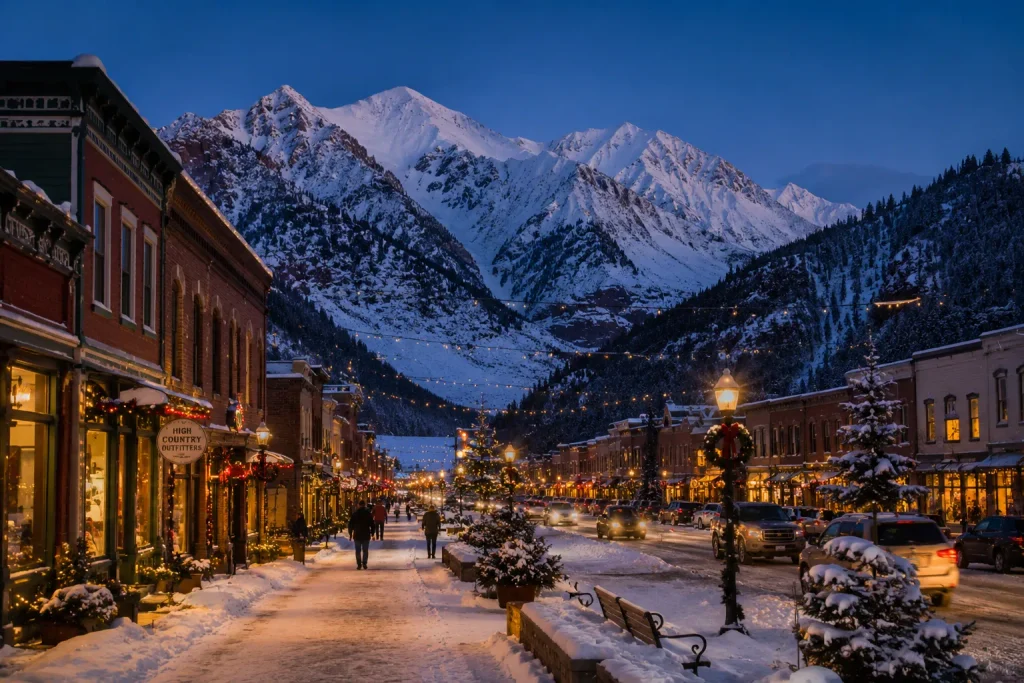
Whitefish, Montana, is my pick for value in this region. It sits near Glacier National Park and has an Amtrak stop on the *Empire Builder* line, making it one of the few genuinely car-optional mountain towns in the West.
Ketchum and Sun Valley, Idaho, stay quiet in summer and carry excellent trail networks with a fraction of Colorado’s traffic.
Pacific Northwest and Sierra Nevada
Bend, Oregon, sits around 3,600 feet on the dry side of the Cascade Range, which means more sun than Portland and a longer outdoor season. The Cascade Lakes Scenic Byway runs west from town past a chain of alpine lakes.
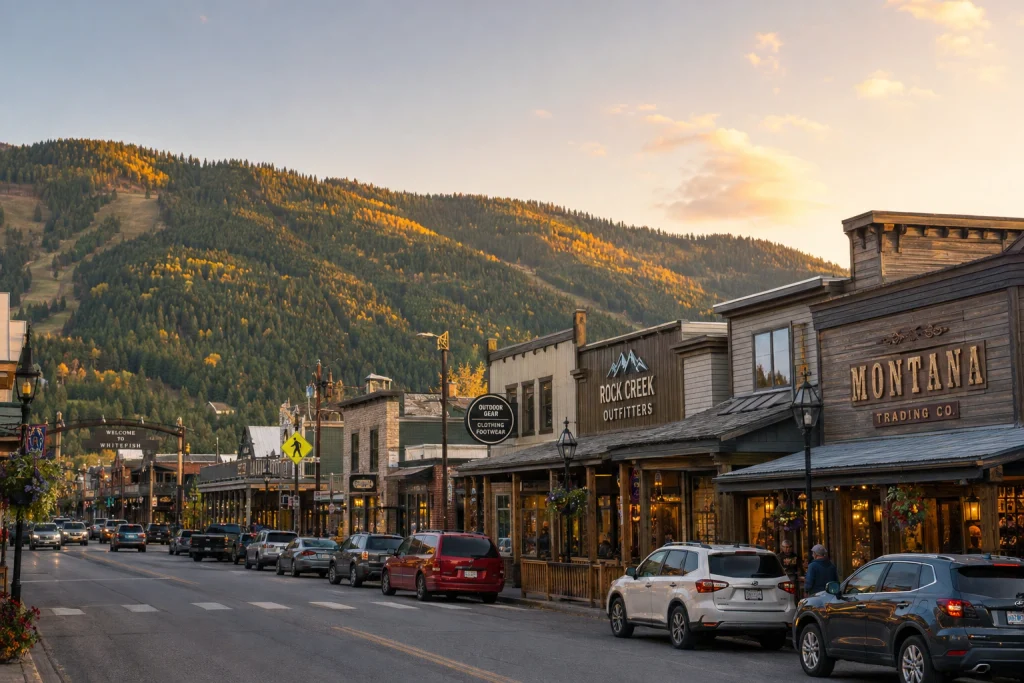
Leavenworth, Washington, leans hard into a Bavarian theme that either charms you or does not. The surrounding Cascades and the Icicle Creek drainage are the real draw.
Truckee, California, is the working-town alternative to Lake Tahoe’s resort side, at roughly 5,800 feet.
Southwest
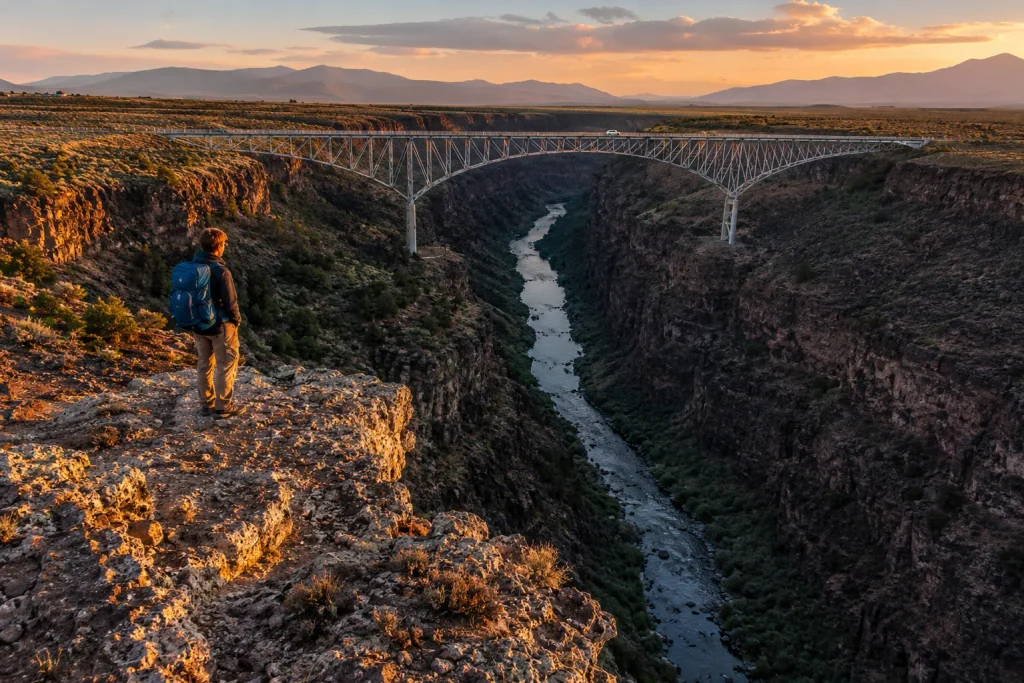
Taos, New Mexico, sits near 6,970 feet below the Sangre de Cristo Mountains, with an arts scene that predates its ski hill by decades. Flagstaff, Arizona, at about 7,000 feet, is the high-country counterweight to Phoenix and the gateway to the San Francisco Peaks.
Appalachians and Northeast
Eastern mountain towns sit far lower, which removes the altitude problem entirely.
Asheville, North Carolina, at roughly 2,130 feet, has the Blue Ridge Parkway running past town and Great Smoky Mountains National Park about an hour west. Stowe, Vermont, sits below Mount Mansfield, the state’s highest peak. North Conway, New Hampshire, anchors the White Mountains, and Lake Placid, New York, sits inside Adirondack Park.
Mud Season: The Two Months Nothing Is Open
This is the detail that ruins more mountain trips than weather, and almost no roundup mentions it.
Most western mountain towns have two dead seasons. Mid-April through May, after the lifts close and before the trails dry, and late October through November, after hiking ends and before snow arrives.
During those windows:
• Restaurants close for weeks at a time, sometimes the majority of them in a small town
• Lifts, gondolas, and shuttle services shut down
• High passes and scenic roads stay gated, including Trail Ridge Road and Going-to-the-Sun Road
• Trails turn to mud, and hiking on them causes real erosion damage
The upside is real: lodging drops to its lowest rates of the year and you will have the town to yourself. Just go in knowing that half the businesses have their lights off.
Four Seasons, Four Completely Different Towns
• Summer, late June to early September: Full access. Passes open, everything running, highest prices and crowds. Wildflowers peak in July at elevation.
• Fall, mid-September to mid-October: My favorite window. Aspens turn gold, crowds thin after Labor Day, and afternoon thunderstorms stop.
• Winter, December to March: Ski season. Highest rates in resort towns, but non-ski towns like Ouray and Taos stay affordable.
• Spring, April to May: Mud season. See above.
One weather note that matters: high country afternoons bring thunderstorms almost daily in July and August. Summit before noon and be heading down by early afternoon. Lightning above the treeline is not survivable by waiting it out.
Why Resort Towns Cost So Much, and How to Dodge It
Resort mountain towns run expensive because the buildable land is physically limited by terrain.
• Book six to nine months out for July, August, and ski season in Telluride, Jackson, Park City, or Aspen.
• Stay in the working town next door. Ridgway instead of Telluride, Victor, Idaho, instead of Jackson, Buena Vista instead of Breckenridge. The savings are substantial and the drive is short.
• Rent a car with clearance if you plan on unpaved passes. Many mountain roads are gravel, and rental agreements often prohibit them.
• Watch resort fees and parking. Ski towns charge for both, and neither shows in the nightly rate.
Book Your Park Entry Before You Book Your Room
Several mountain gateway towns now sit next to parks with entry systems. Showing up without one means you do not get in.
Rocky Mountain National Park requires timed entry reservations during peak hours, running May 22 through mid-October in 2026. Two permit types exist: one covering the Bear Lake Road corridor plus the rest of the park, and one covering the park excluding Bear Lake Road. Details and current dates are on the park’s timed entry page.

Reservations release monthly through Recreation.gov, with a small processing fee, and a limited batch drops the evening before each arrival date. Those go fast.
Glacier National Park runs vehicle reservations for Going-to-the-Sun Road during summer. Check current requirements on the Glacier official site before booking Whitefish lodging.
For road and pass status in Colorado, the state DOT maintains COtrip, which shows closures in real time. High passes close for weather with no notice.
Four Places That Disappoint Visitors Every Single Year
• Gatlinburg, Tennessee, if you want a mountain town. It is a boardwalk attraction strip next to a great national park. Stay in Townsend or Bryson City instead.
• Aspen, Colorado, unless money is genuinely not a factor. Neighboring towns deliver comparable terrain for a fraction of the cost.
• Sedona, Arizona, on any weekend. Trailhead parking fills before 8 a.m. and the shuttle system exists because the roads cannot handle demand.
• Any high pass in a rental sedan after an October storm. Chain laws apply, and enforcement is real.
Matching a Town to Who You Are Traveling With
• With kids: Estes Park or Bend. Low-effort activities, walkable centers, and short drives to real scenery.
• On a budget: Ouray, Taos, or Whitefish. Real mountain access without resort pricing.
• Without crowds: Ketchum in summer, or any of these towns in early June before schools release.
• Car-free: Whitefish via Amtrak, or Asheville with a walkable downtown.
Questions Readers Send Me Most
What is the best mountain town to visit in the USA?
Telluride, Colorado, for scenery and a sealed-off canyon setting. Jackson, Wyoming, for access to two national parks from one base. Asheville, North Carolina, if you want mountains without altitude concerns or long flights. Your answer depends mostly on whether you want high elevation or easy access.
When is the best time to visit mountain towns?
Mid-September through mid-October. Aspens turn, crowds drop after Labor Day, afternoon thunderstorms stop, and rates fall from summer peaks. Summer offers full access to high passes but the highest prices. Avoid mid-April through May, when most western mountain towns close for mud season.
How high is too high for someone not used to altitude?
Altitude sickness typically starts above 8,000 feet. If you are coming from sea level, sleep your first night below that threshold, then move higher the next day. Avoid alcohol and hard exertion for the first 24 hours. Descending 1,000 to 2,000 feet resolves most symptoms.
Which mountain towns are cheapest to visit?
Ouray and Ridgway in Colorado, Taos in New Mexico, and Whitefish in Montana all deliver serious mountain access at well below resort-town pricing. Staying in the working town adjacent to a resort town, rather than the resort itself, is the single most effective way to cut costs.
Do you need a car to visit mountain towns in the USA?
Usually yes, but not always. Whitefish, Montana, has an Amtrak Empire Builder stop and a walkable downtown. Asheville, North Carolina, works without a car if you stay central. Everywhere else, trailheads and scenic drives require a vehicle, and some require clearance.
Are national park reservations required near mountain towns?
Often, yes. Rocky Mountain National Park requires timed entry during peak hours from late May through mid-October. Glacier National Park runs vehicle reservations for Going-to-the-Sun Road in summer. Both book through Recreation.gov and sell out quickly. Check each park’s official page before you finalize lodging.
Your Next Move
Choose your elevation first. If altitude concerns you or you are traveling with young kids or older parents, stay east or stay below 7,000 feet. If you want the high alpine, build in an acclimatization night.
Most disappointing trips to mountain towns in USA ranges come down to one of three things: arriving too high too fast, arriving during mud season, or arriving without a park reservation. All three are avoidable from your couch.
Then book lodging six months out, secure any park reservations the moment they release, and check pass status the morning you drive. Do that and the mountains hold up their end.