Aquariums for Families USA That Keep Kids Looking, Not Just Walking
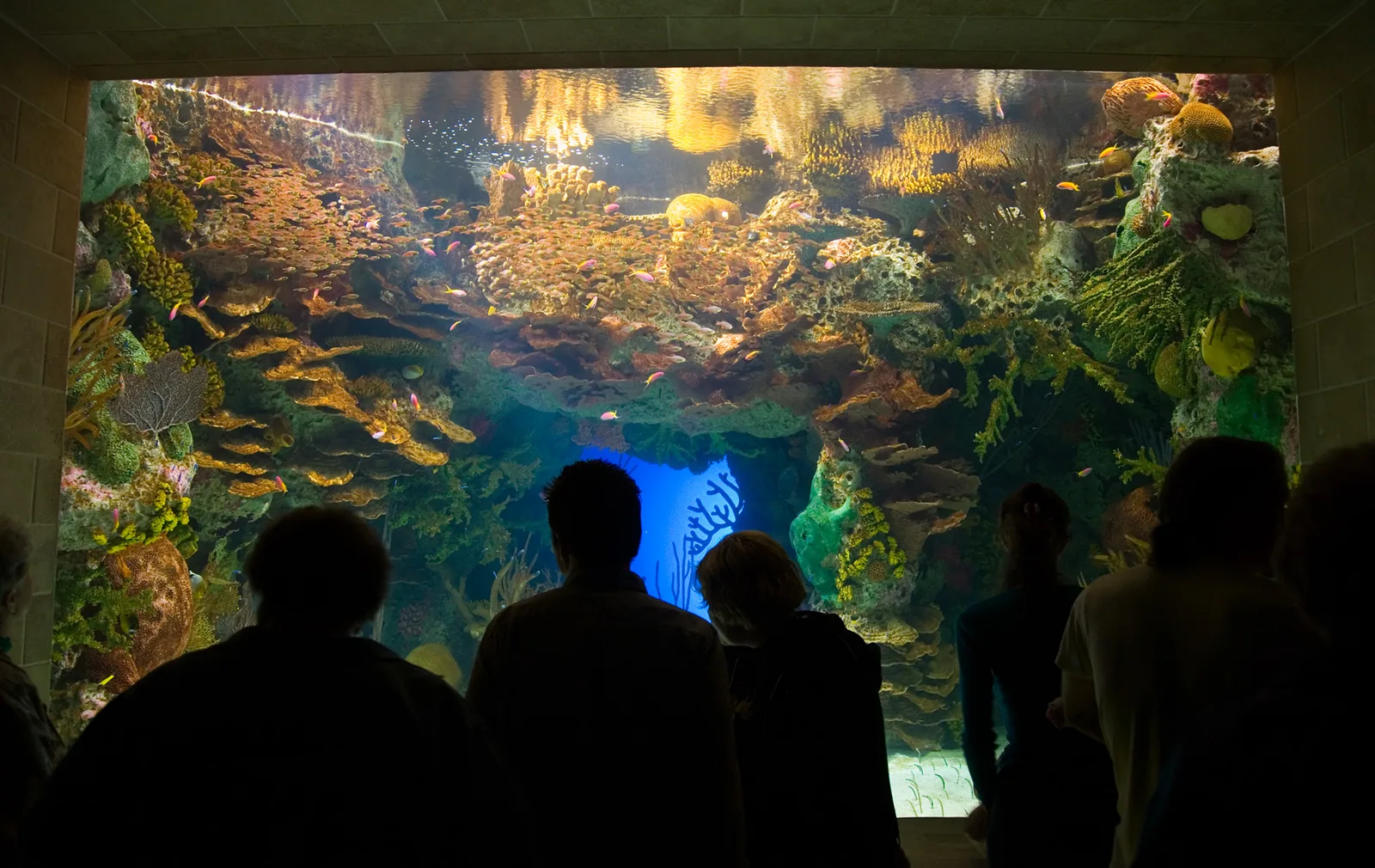
I have walked aquariums with kids who ran through the whole building in an hour and learned nothing, and I have walked aquariums where the same kids stopped, stared, and asked questions for three hours. The best aquariums for families USA trips I have taken share one habit: I picked one aquarium, arrived early, and let the kids set the pace, instead of trying to see every tank in one visit. If you want an aquarium day that feels like a trip, not a march, slow down.
How I Pick Aquariums for Families USA Before I Buy a Ticket
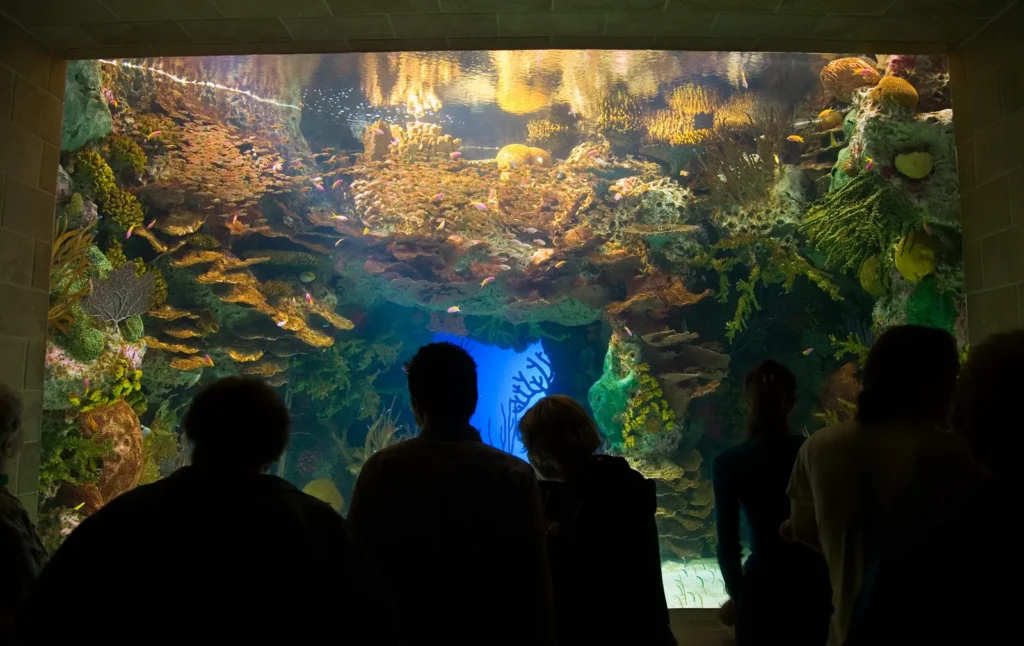
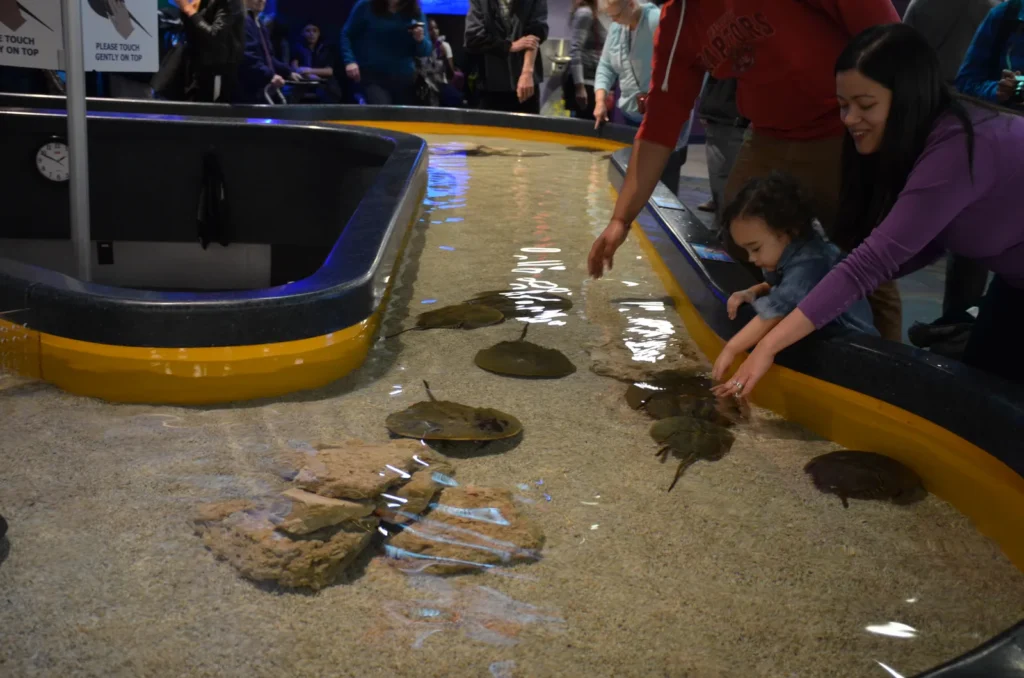
My test starts before I buy anything, with three questions. Is there a touch tank where kids can feel, not just look. Is there a big tank or tunnel where a child can sit and watch for a long time. And is there a quiet corner for a break, because a tired kid in a loud hall learns nothing.
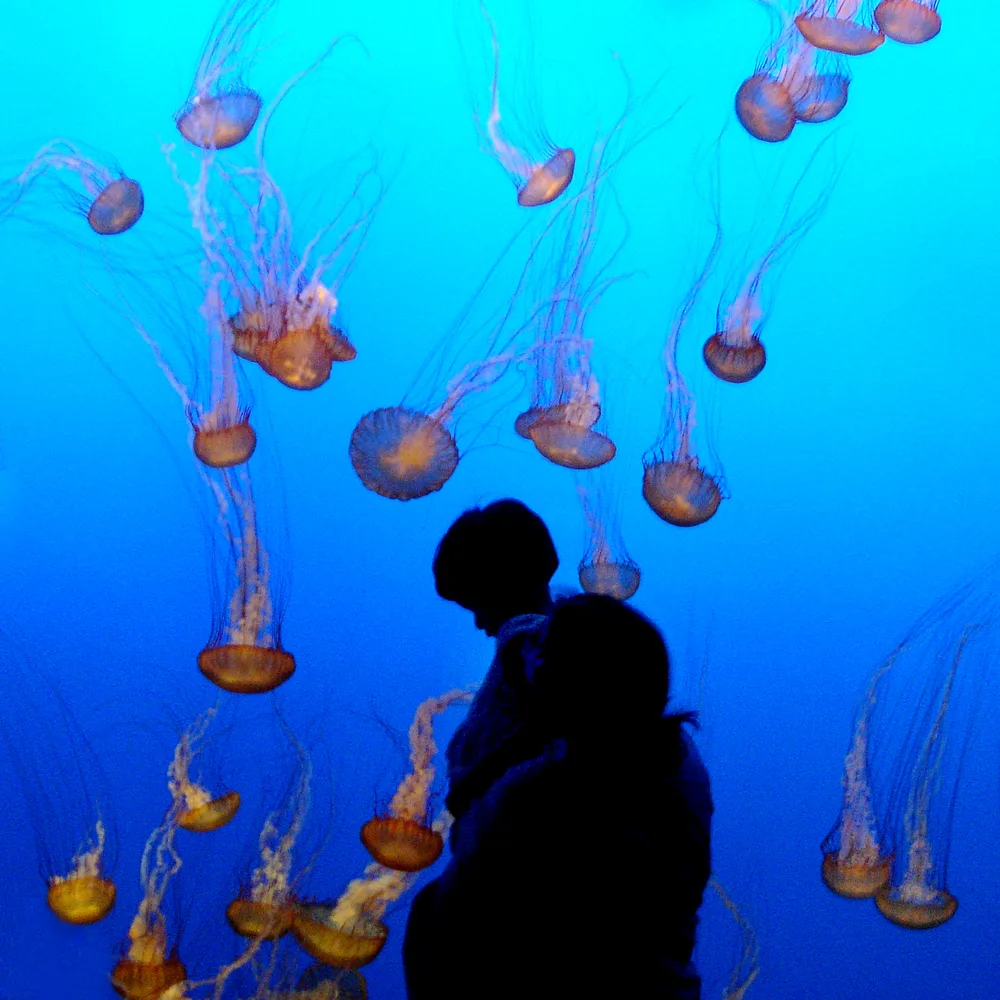
I learned this in an aquarium where the tanks were beautiful and the halls were crowded, with no place to sit except the floor. My daughter, who was four at the time, lasted an hour, then asked to leave, and I realized the aquarium had failed her, not the other way around. The next trip I picked an aquarium with a touch tank first, a big shark tank second, and a bench near the jellyfish, and she stayed twice as long.
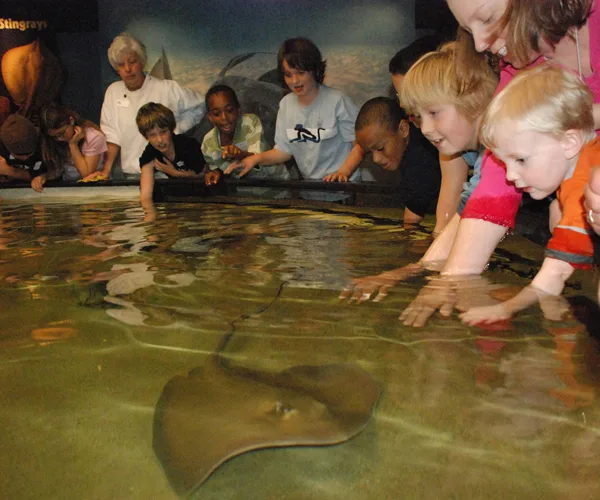
That is why I rank interaction above size. A huge aquarium with no touch tank and no place to sit is a worse family trip than a smaller aquarium where kids can touch a starfish, watch a ray glide past, and rest when they need to.
The Big Aquariums That Earn a Full Day
Georgia Aquarium, Atlanta, Georgia, is the biggest name most families know, and it earns a full day, with a huge ocean tank, a dolphin presentation, and a touch area that keeps younger kids busy. I arrive at opening, I go to the biggest tank first, before the crowds build, and I save the dolphin presentation for the afternoon, when the kids need a seated break.
Monterey Bay Aquarium, Monterey, California, is a different kind of big aquarium, built around the California coast, with kelp forest tanks, sea otters, and jellyfish galleries that hold a child’s attention without noise or spectacle. I spent a morning there once, watching the kelp sway and the otters float, and my kids asked more questions in that hour than they asked in a whole day at a louder aquarium.
Shedd Aquarium, Chicago, Illinois, gives you a Great Lakes and ocean mix in one building, with a Caribbean reef tank, a polar play zone for younger kids, and a dolphin and beluga area that works as a seated rest. I plan Shedd as a half day, not a full day, because Chicago has a lakefront walk outside that makes a better afternoon than a second lap inside.
For planning, I check the official Georgia Aquarium site for ticket types and timed entry rules, because big aquariums change their entry systems by season. I check the official Monterey Bay Aquarium site the same way, and the official Shedd Aquarium site for Chicago, because each aquarium runs its own ticketing, and a third party site can show outdated information.
Aquariums for Toddlers, Not Just for Older Kids
Toddlers need a different aquarium than a ten year old, and I plan for that plainly. A toddler needs low tanks they can see into without being lifted, a touch area at their height, a stroller friendly route, and a quiet room for a nap or a feed. A toddler does not need a long dolphin show, a dark tunnel, or a loud presentation.
I pick toddler aquariums with a shallow touch pool, a small shark or ray tank at floor level, and a play area where a toddler can move without bumping into older kids. I also bring a change of clothes, because a touch tank in winter still means wet sleeves, and a wet toddler is an unhappy toddler.
The National Aquarium, Baltimore, Maryland, works for toddlers in the morning, when the halls are quieter, because the tanks are at varied heights and the route is clear. I go early, I skip the busiest galleries, and I leave before nap time, because a toddler who naps at home naps better than a toddler who melts down in a gift shop.
For family trip patterns that work with toddlers, my guide to family destinations USA covers the same pace logic I use here: one main activity in the morning, a break at midday, and a free walk in the afternoon. The aquarium changes, the pattern holds.
Touch Tanks, Dolphins, and the Questions Kids Ask
Touch tanks are the heart of a family aquarium trip, and I treat them that way. I let kids touch slowly, I teach them to use two fingers and a light touch, and I read the signs about which animals can be touched and which cannot. A touch tank is not a petting zoo, and I say that to my kids before we go in, so they do not grab at a ray or a starfish.
Dolphins are the other big draw, and I handle them honestly. Some aquariums have dolphin presentations, some have dolphin habitats you watch without a show, and some have no dolphins at all. I check the specific aquarium before I promise a child a dolphin, because a disappointed kid who expected a dolphin show is harder to manage than a kid who knew the plan was sharks and rays.
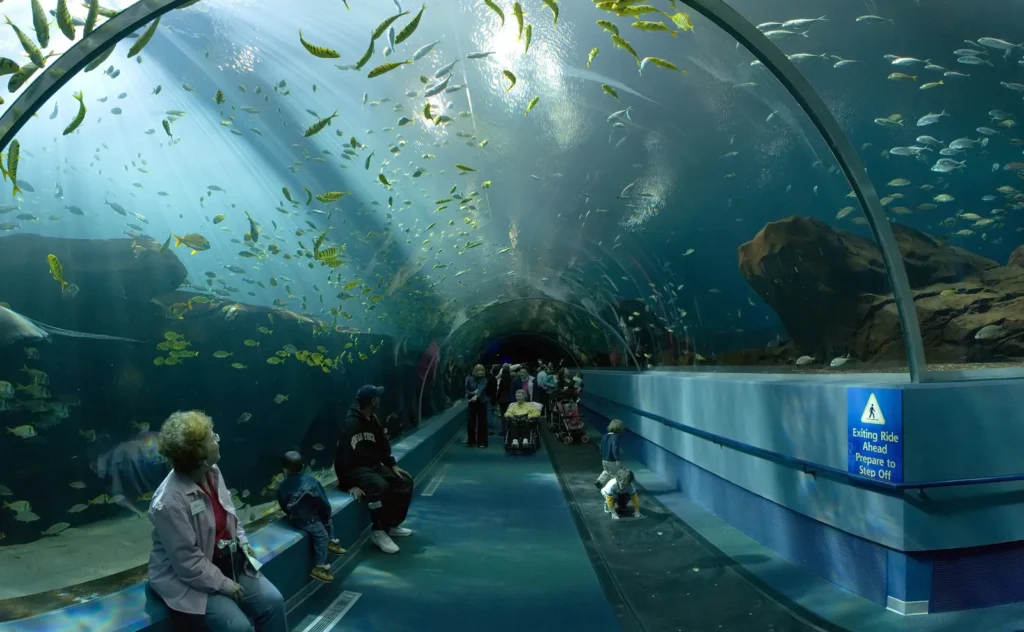
I also prepare for the questions kids ask, because aquariums raise them fast. Why is that shark not eating the other fish. Why is the jellyfish glowing. Why does the otter float on its back. I do not invent answers, and I read the signs with my kids, because a sign that says a shark eats at a certain time is a better answer than a guess I make up on the spot.
For a summer trip pattern that pairs with an aquarium day, my guide to summer destinations for families USA covers the same one activity plus a free afternoon logic, which is useful when an aquarium is the morning plan and a beach or park is the afternoon plan.
Ticket Prices, Timed Entry, and the Booking Order I Use
Ticket prices for families are the part of an aquarium trip that surprises people, because a family of four pays for four tickets, plus parking, plus food, and the total grows fast. I do not quote prices here, because they change by aquarium and by season, and a price I write today can be wrong by the time you travel. I check the official aquarium site for the travel week, and I budget for parking and food on top of tickets.
Timed entry is now common at big aquariums, and I book it in advance, for the first slot of the day, because the first hour is the quietest and the tanks are easiest to see. I also check whether a ticket includes a presentation or a special gallery, because some aquariums charge extra for those, and I would rather know before I arrive than at the door with tired kids.

My booking order is simple. First, I pick the aquarium and the day, based on weather and crowds. Second, I book timed entry for the morning. Third, I plan parking and lunch, because a hungry family in a long lunch line is a bad afternoon. Fourth, I plan a free afternoon activity outside, so the day does not end in a gift shop.
I also check whether the aquarium offers a family or multi-visit ticket, because a family staying in a city for a week can sometimes visit twice for less than two single visits, and a second visit, at a slower pace, is often better than a first visit rushed to see everything.
Coastal Towns That Pair With an Aquarium Day
An aquarium day works best as part of a coastal town trip, not as a standalone drive to a building. Monterey, California, gives you an aquarium in the morning and a coastal walk in the afternoon, with sea lions on the rocks and a harbor to watch. Baltimore, Maryland, gives you an aquarium in the morning and a harbor walk in the afternoon, with boats and a science museum nearby for older kids.
Chicago, Illinois, gives you an aquarium in the morning and a lakefront walk in the afternoon, with a beach in summer and a museum campus that lets you mix a second activity without driving. Atlanta, Georgia, gives you an aquarium in the morning and a park or a downtown walk in the afternoon, which matters in summer, when the air conditioning inside feels good and the walk outside needs shade and water.
For coastal town ideas that pair with an aquarium, my guide to coastal beach towns USA covers the walkable coastal towns I use as bases, which is useful when you want a beach morning and an aquarium afternoon in the same trip.
I also plan a rainy day aquarium as a backup, not as a main plan, because an aquarium on a rainy day is crowded with every other family who had the same idea. If rain is forecast, I book the first slot, I arrive early, and I leave before the midday crowd builds.
What I Skip, Even When the Aquarium Is Famous
I skip aquariums that are mostly screens and shows, with few live animals in clear tanks, because a child can watch a screen at home, and a screen does not teach what a live ray gliding past teaches. I check photos and reviews for live tanks, not for show schedules, before I book.
I skip the gift shop as a main activity, because a gift shop at the end of every aquarium is designed to end the day with a purchase, not with a memory. I set a small souvenir budget before we go in, I let each child pick one item, and I leave, because a long gift shop visit after a long aquarium visit is a recipe for a meltdown.
I also skip a second aquarium in the same trip if the first one was good, because two aquariums in one week blur together, and a beach, a park, or a museum makes a better second day than a repeat of the same tanks. One aquarium, done slowly, beats two aquariums done fast.
Aquarium Questions I Get From Parents
What age is best for an aquarium trip?
Three to eight is the sweet spot, old enough to watch and ask questions, young enough to be amazed by a touch tank. Toddlers enjoy the colors and movement, and older kids enjoy the science signs, but the three to eight range gets the most from a full visit. Plan a shorter visit for toddlers, and a longer one for school age kids.
Are aquariums worth the ticket cost for a family?
Yes, if you arrive early, use the touch tanks, and stay for a seated presentation, because a rushed hour is poor value and a slow three hours is good value. Check the official site for family ticket options, and budget for parking and food on top of tickets, so the total does not surprise you at the door.
How long should we plan for an aquarium visit?
Two to three hours for most families, with a break in the middle, is my pick. Toddlers need less, about ninety minutes, and older kids can stretch to four hours if they read signs and watch presentations. Leave before the kids are tired, not after, because a good exit beats a long visit that ends in tears.
The Aquarium Day I Would Book Again Tomorrow
If I had one aquarium day and no constraints, I would book Monterey Bay Aquarium, Monterey, California, for the first morning slot, watch the kelp forest and the otters, use the touch area, and walk the coast in the afternoon, with lunch in town. I would take notes on the questions my kids asked, I would read the signs with them, and I would leave before they were tired.
If I wanted a big city aquarium, I would pick Georgia Aquarium, Atlanta, Georgia, for a full day, with the biggest tank first and a seated presentation in the afternoon, because that pattern gives a big building a calm rhythm. For a free afternoon idea after either trip, my guide to free things to do in Honolulu is not an aquarium guide, but it shows the free walk and park pattern I pair with a paid morning, which is the same logic in a different city. Pick one aquarium, arrive early, and let the kids set the pace. That is the whole plan, and it works every time I follow it.