Coyote Buttes Taught Me That Winning the Permit Is Only the Start
I applied for the Wave lottery three times before my name came up, and the morning I finally walked into the sandstone I understood why the permit is the least interesting part of the story. Coyote Buttes rewards preparation more than luck, and it punishes the opposite just as fast. The rock is fragile, the trail is unmarked, the road in is dirt, and the desert does not care how long you waited for the email.
The country sits inside Vermilion Cliffs National Monument, on the Arizona side of the Utah line, and the land is managed by the Bureau of Land Management. That last fact shapes everything about a visit. There are no gates with rangers waving you through, no paved loop road, no visitor center at the trailhead, and no signs pointing to the famous rock. You get a permit, a map, and a set of rules, and the rest is on you. I liked that bargain once I understood it, and I underestimated it on my first attempt.
This is the story of that learning curve: the lottery, the choice between the two units, the unmarked walk to the Wave, the dirt road that can end a trip before the hike starts, and the wider loop that makes the long drive worth it.
The Permit Lottery Rewards Patience More Than Luck
The lottery is the first filter, and it works the way a desert filter should: slowly, and without much sympathy. You apply through the
A few practical points held true across all my applications. Apply for the dates you can truly use, not the dates you wish you could use, because a permit you cannot use is a wasted draw for everyone behind you. Keep your group small, since permits are issued for a set number of people and a large group is harder to place. Read the rules attached to the permit before you celebrate, because the permit covers day use in a fragile area, and the conditions on group size, walking surfaces, and waste apply to every member of your party.
The honest negative is that the lottery can absorb a whole season of weekends without a win, and that is normal. I met hikers at the trailhead who had tried for years, and I met one who won on a first try. If the Wave is the only reason for your trip, build a backup plan into the same week, because a refused application should not be the end of the drive.
Coyote Buttes North vs South Is a Choice You Make Before You Apply
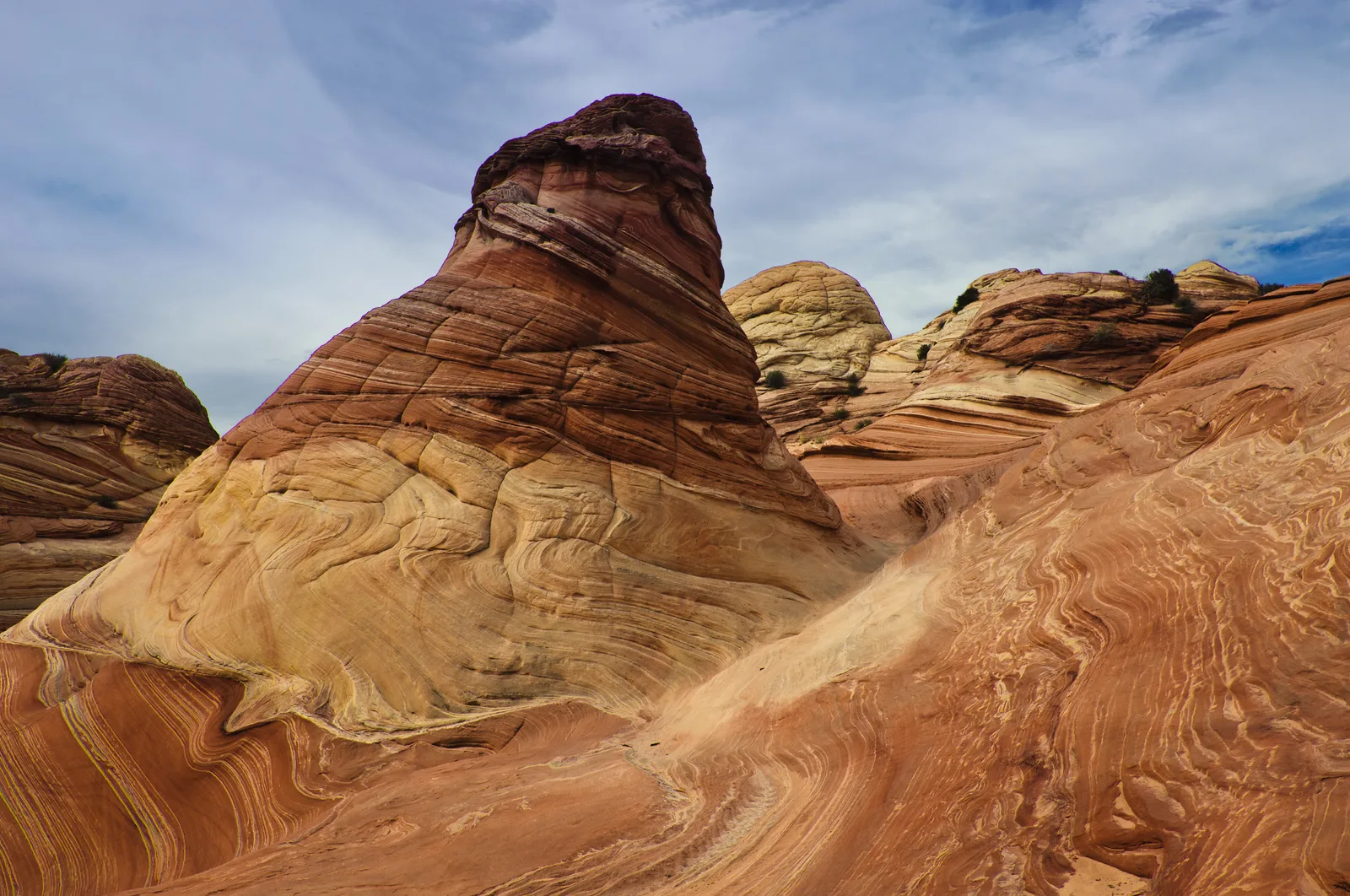
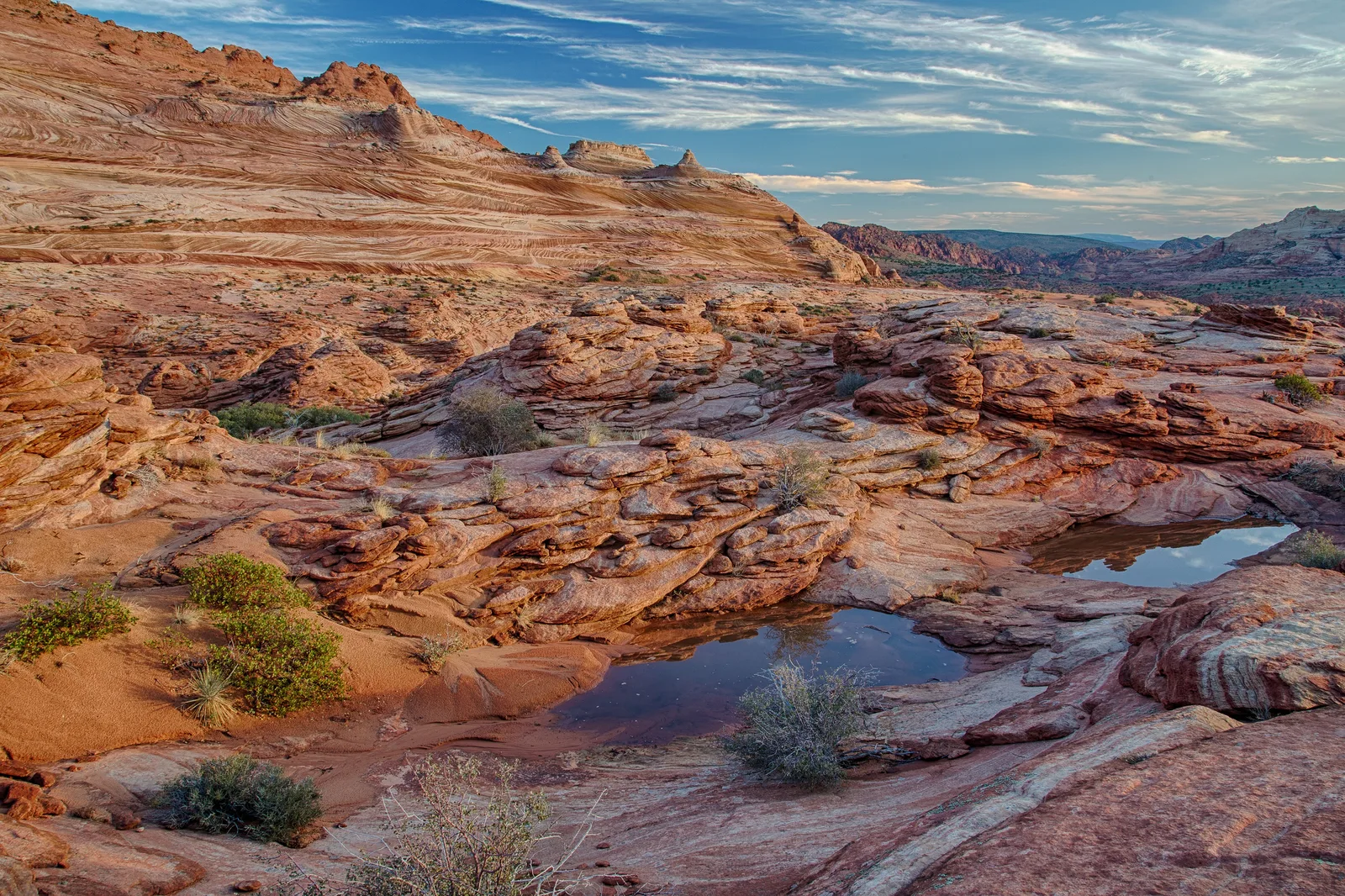
The permit you apply for is not one permit for one place. The area is split into a North unit and a South unit, and you apply for one or the other. The North unit holds the Wave, the swirling corridor of sandstone that fills every photograph you have seen. The South unit holds a quieter set of formations, including the Teepees, and it draws a fraction of the attention. Choosing between them is the most consequential decision in the whole process, and you make it before you know whether you have won anything.
I chose North first, like most people do, because the Wave was the image in my head. That choice meant competing in the hardest draw for the most photographed rock in the monument. On a later trip I walked the South unit, and the difference taught me something the photographs had not. The South country felt emptier, the formations were less familiar, and I spent more time looking and less time waiting for other people to finish their photos. If your goal is a famous picture, North is the honest answer. If your goal is a quiet day in strange rock, South is not a consolation prize, and treating it like one sells it short.
One caution applies to both units: the rock here is thin, layered sandstone, and it breaks under careless feet. Stay on the durable surfaces where the permit asks you to, skip the formations that are closed or roped off, and leave the place looking like you were never there. The Wave in particular is small, much smaller than the photographs suggest, and a crowd standing on it at once is hard on the rock and on the experience.
How to Hike the Wave Without a Marked Trail
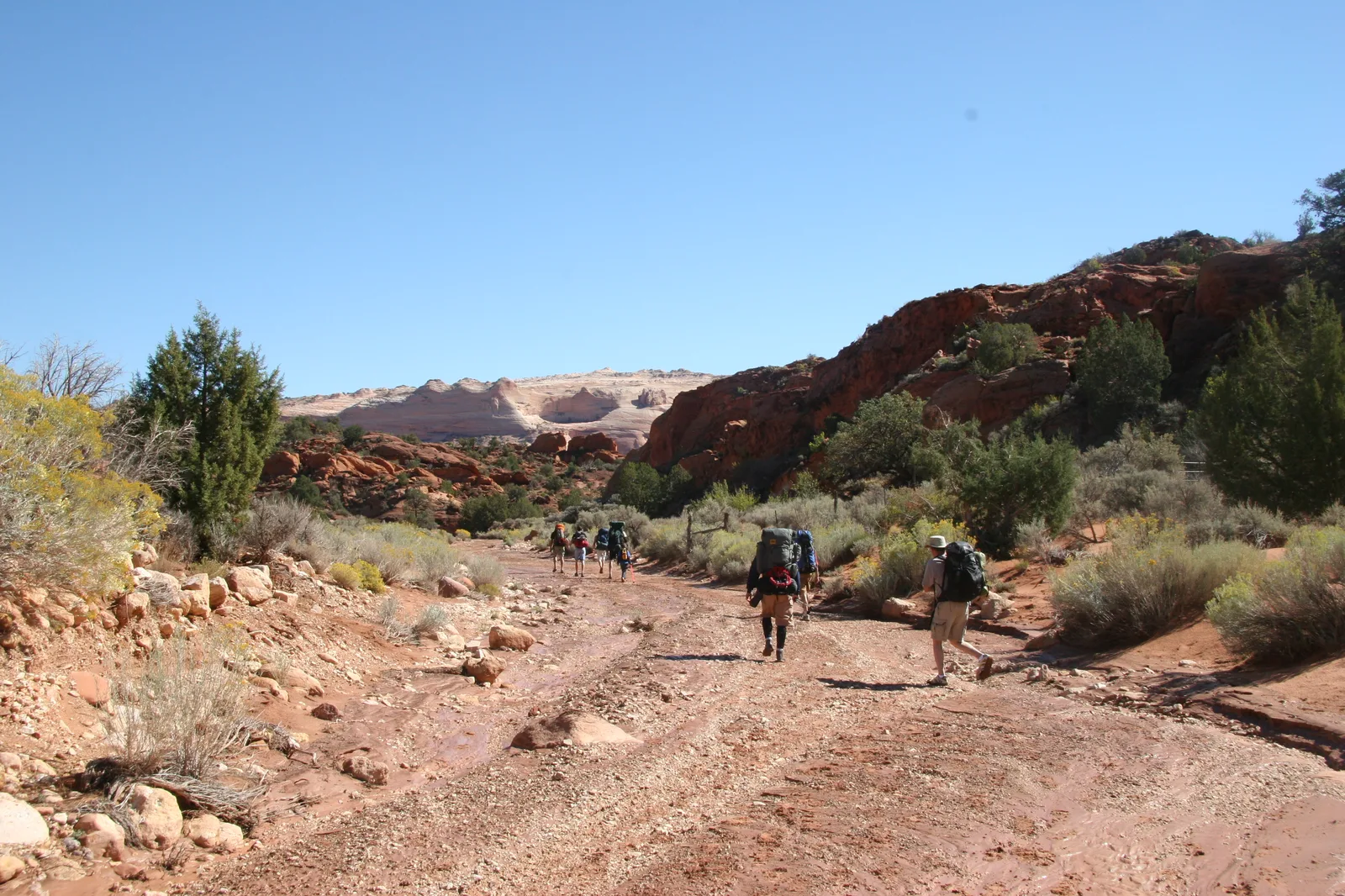
The walk to the Wave starts at Wire Pass Trailhead, and the first thing to accept is that there is no marked trail in the usual sense. The route crosses a wash, climbs slickrock, and threads between buttes, and the cairns and footprints you find along the way are hints, not a promise. I downloaded the route description and a GPS track before I left pavement, and I was glad I had both, because the middle section looks the same in every direction when the sun is high.
The distance runs about three miles each way, which sounds easy until you add sand, slickrock, and a desert sun. I took longer than I expected on the way in, partly from stopping to check the route and partly from the heat, and the return leg felt longer still. Carry more water than you think you need, because there is no water on the route and no shade worth the name once you leave the wash. A hat, sunscreen, and salty snacks are not optional extras here; they are the plan.
Navigation is the skill that matters most, and it is the one most first-timers underrate. The route is not hard to follow in good light with a track loaded, but it is easy to drift off line in the wash or on the open slickrock, and a wrong turn adds miles in country where miles are expensive. Start early, keep your group together, and turn back while you still have water and daylight to spare. The Wave will still be there on another permit, and a rescue in this country is a serious undertaking in a place remote enough that help is not quick.
The Dirt Road Decides Your Day Before the Trail Does
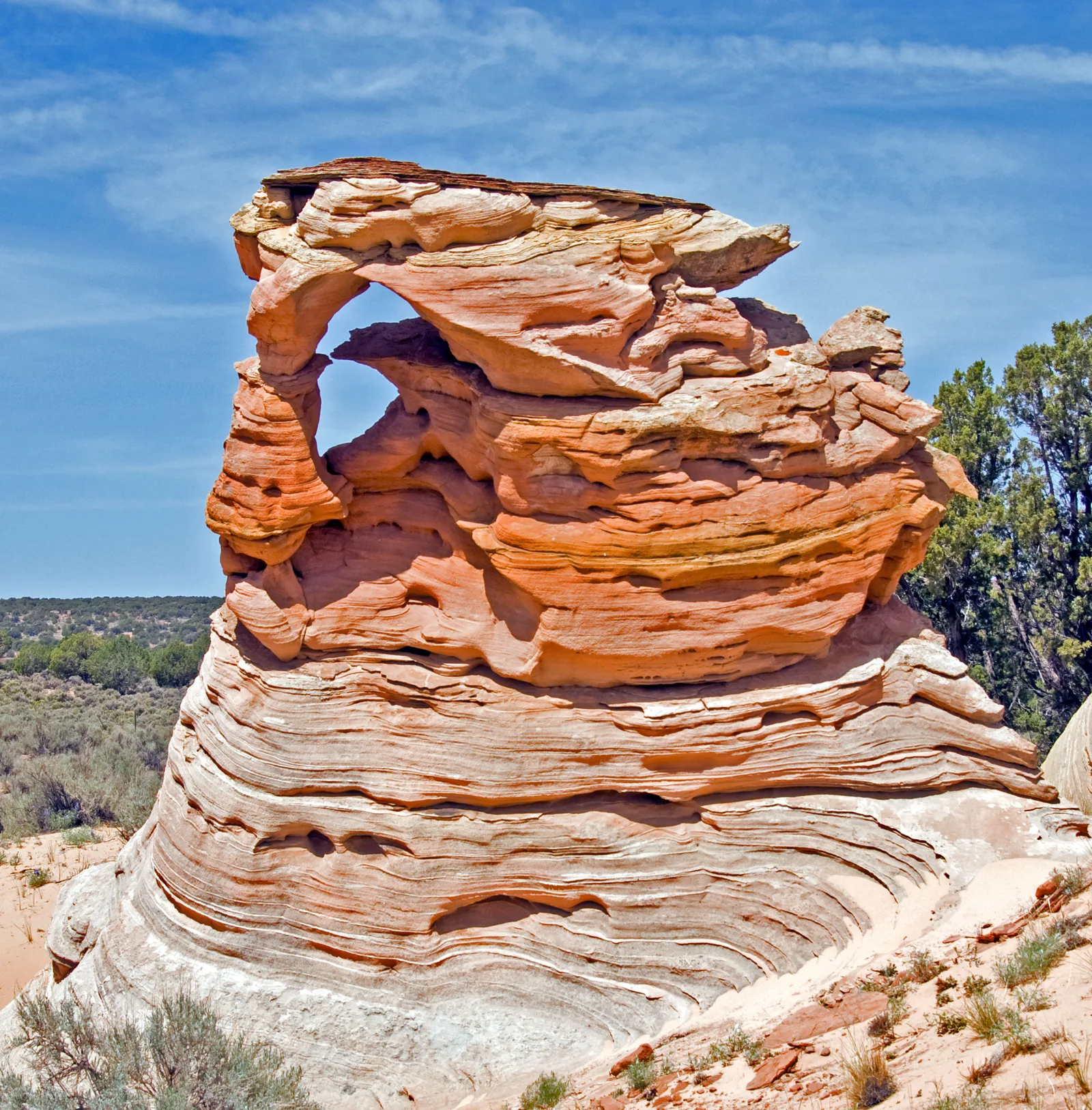
The drive in runs on House Rock Valley Road, an unpaved road that connects the highway to the trailheads, and it deserves as much planning as the hike. In dry weather a careful driver in a standard car can manage it, but after rain the surface turns to slick clay and ruts, and the road can close or strand a vehicle that should never have tried it. I checked conditions before I left town, and I would not have gone in after a storm even with a permit in hand.
High clearance helps, and so does a spare tire you know how to use, because there are no services on the road and no quick tow. I carry a paper map for this stretch, since phone signal fades in and out between the highway and the trailhead, and I tell someone my plan and my expected return time before I leave pavement. Those habits sound fussy until the day you need them, and in this country the day you need them is the day you are glad you bothered.
The road is also the reason to keep your schedule loose. A permit date is fixed, but a washed-out road does not care about your permit, and neither does a summer storm that builds over the cliffs by afternoon. I plan a buffer day around the hike when I can, and I treat the drive as part of the trip rather than a chore before it.
What the Desert Asks of You Once You Leave the Trailhead
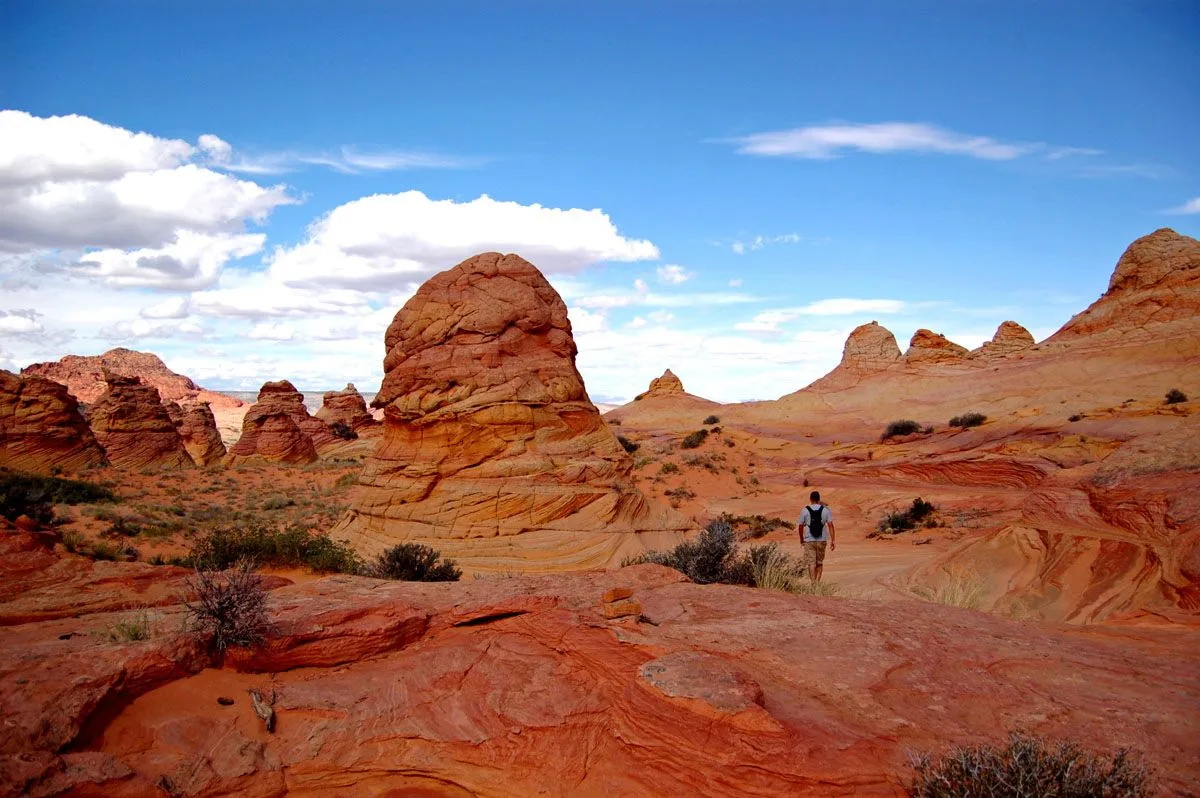
Heat is the main risk, and it is quieter than people expect. Summer temperatures in this country climb into dangerous ranges, and the hike offers almost no shade. I check the forecast through the National Weather Service before I go, and I plan the hike for the cooler hours, starting at first light and aiming to be off the open rock before the afternoon builds. Spring and fall are kinder, with cooler air and longer shadows, and winter brings its own trade: cold mornings, short days, and the chance of snow on the road.
Water discipline matters more than fitness here. I carry a gallon per person for the day as a baseline and drink on a schedule rather than waiting for thirst, which arrives too late in dry air. I also carry food with salt, because a long walk in heat without it leaves you flat in a way that water alone does not fix.
The other risk is complacency after the famous rock. The Wave is the destination, but the walk out is where tired hikers make mistakes, and I have watched people lose the route on the return because they stopped paying attention once the photograph was taken. Keep the track running, keep water in reserve, and save enough daylight to retrace your steps without rushing. The desert rewards the hiker who treats the return as half the hike.

A Wider Arizona Loop That Earns the Drive
The permit area sits close enough to other country that a single-purpose trip wastes the drive. Kanab, Utah, is the usual base town, with motels, a grocery, and a visitor center where you can ask about road conditions in person, and Page, Arizona, sits within reach for travelers coming from the south. I base in Kanab when I can, because the drive to the trailhead is shorter and the town knows this trip well.
If you are building a longer Arizona stay around the hike, my notes on things to do in Arizona cover the wider set of stops I pair with desert days, from canyon country to small towns that make good overnight breaks. The point is not to stack famous names but to give the permit day breathing room on both sides, so a road delay or a lost lottery does not sink the whole week.
Water makes a good counterweight after days of sandstone, and my notes on lake destinations in the USA cover the kind of stop that resets a desert-weary group. Lake Powell sits within reach of Page, and an easy evening by the water after a hard hiking day does more for morale than another early start.
Two nearby places deserve a mention, with one limit attached. White Pocket, also inside the monument, is a swirling white-and-orange landscape that photographers love, and it needs its own planning and its own rough road, so do not treat it as a casual add-on to a Wave day. Paria Canyon and Buckskin Gulch offer long slot-canyon walking nearby, and they carry their own permit and flash-flood rules, so they belong on a separate day with separate preparation. Mentioning them here is not a recommendation to stack them; it is a warning against stacking them.
The Honest Misses I Would Plan Around
The first miss is the crowd at the Wave itself. Even with a limited permit system, the famous corridor fills by mid-morning, and the photograph everyone wants requires patience and a willingness to wait your turn. I arrived early and still shared the rock with a dozen people, and the best pictures came from stepping back and letting the place empty for a minute rather than crowding the corridor. If solitude is the goal, the South unit or a weekday date serves you better than the Wave at noon on a Saturday.
The second miss is underestimating the road and the weather together. A permit is not a guarantee of access, and a storm the night before can turn a hiking day into a waiting day. I have seen permit holders turned back by road conditions they had not checked, and I have been the person checking the sky at dawn and deciding to wait. Build the buffer day, check conditions twice, and treat a postponed hike as a good decision rather than a ruined trip.
The third miss is treating the permit as the achievement. The permit is paperwork. The achievement is walking in prepared, walking out with water to spare, and leaving the rock unmarked by your visit.
What I Would Do Differently on the Next Application
Next time I will apply with a wider window of dates and a weekday bias, and I will hold the South unit as a real first choice rather than a backup, because the quieter country suited the way I like to travel. I will keep the buffer day, keep the paper map, and keep the early start, and I will stop treating the Wave photograph as the measure of the trip. The measure is simpler: a safe walk, a quiet hour in strange rock, and a road home that I drove in daylight with water still in the bottle.
If you are applying for the first time, start with the lottery, read the permit rules twice, and plan the trip around the possibility of losing the draw. The desert will still be there, and so will the other country in the monument, and a well-planned week that misses the Wave beats a frantic day that wins it and then runs out of water on the way back. That is the lesson the permit taught me, and it is the one I carry into every application since.