The Most Visited Cities California Has to Offer Are Worth the Crowds
I have driven California from the Oregon line to the Mexican border, and I keep returning to the same handful of cities. The most visited cities California counts each year are Los Angeles, San Francisco, San Diego, and Anaheim, and they earn their crowds for reasons that hold up on a second and third visit. This guide covers those four, plus four smaller stops that round out a first trip, with honest notes on traffic, fog, prices, and what I skip.
What the Most Visited Cities California Numbers Mean for Your Trip
Each city counts its own visitors, day trips included, so the totals overlap and you cannot add them up into one statewide number. The order below follows what the cities’ tourism bodies reported for 2025, and that is all it is. No state agency publishes one official ranking, and the counting methods differ from place to place.
- Los Angeles: about 49.5 million visitors, including 6.4 million international visitors.
- San Diego County: about 32.4 million visitors.
- Anaheim: a record 26.5 million visitors.
- San Francisco: about 23.7 million visitors.
Read those numbers as a rough sense of scale, not a verdict. They are not measuring the same thing in the same way, so I use the figures to set expectations about crowds, not to declare a winner.
Visit California has route guides and regional overviews that help you see how these cities fit together before you book anything.
Los Angeles Rewards People Who Slow Down
Los Angeles punishes the traveler who tries to see it all in one day. I learned that on my first trip, when I stacked the Hollywood Walk of Fame, a Santa Monica sunset, and dinner downtown into a single afternoon and spent most of it staring at brake lights on the 405. Pick one pocket per day and the place opens up.
My favorite days start in Silver Lake or Los Feliz, with coffee and a slow walk past craftsman houses and taco trucks, then drift toward the beach in the late afternoon. Venice at 7 a.m. belongs to runners and surfers, and it feels like a different town than the packed boardwalk at noon. Griffith Observatory at dusk gives you the skyline and the Hollywood Sign in the distance.
The city hosted 2026 FIFA World Cup matches, and Los Angeles International Airport (LAX) ranks among the busiest airports in the United States, so plan extra time on arrival and departure days. I allow a full hour just to get out of LAX, and I never book dinner for landing night.
What I skip: the Walk of Fame as a destination in itself. Ten minutes there told me everything I needed.
Our guide to things to do in Los Angeles covers the neighborhoods and day plans I return to.
Discover Los Angeles keeps the most current list of what is open, what is new, and what is worth booking ahead.
San Francisco Punishes the Unprepared and Rewards the Patient
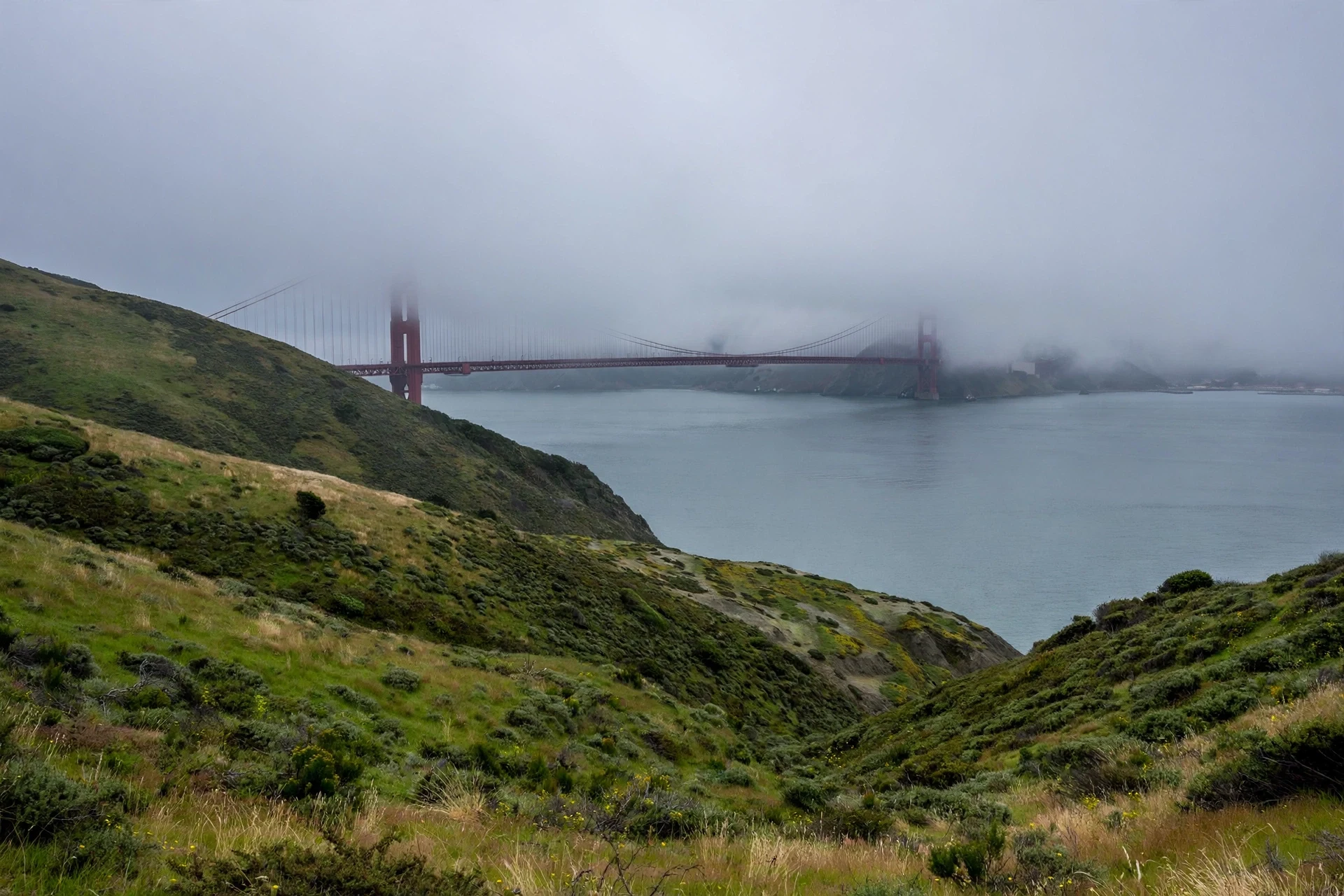
San Francisco is my favorite city in the state and the one most likely to humble a first-timer. The fog rolls in most summer afternoons, the hills turn a short walk into a workout, and a hotel room that looks reasonable online can sit a steep climb from the nearest cable car stop. Pack a layer even in July. I have stood shivering in a T-shirt on Fisherman’s Wharf at 4 p.m. while the sun shone forty miles inland.
The city rewards patience. My best mornings start at the Ferry Building on a market day, with coffee and a pastry eaten on the steps while the bay wakes up. From there I walk the Embarcadero toward Coit Tower, or I ride a cable car up California Street and walk down through the Mission District, where murals cover whole walls and the burrito shops run long lines. The Golden Gate Bridge looks its best at first light, before the tour buses arrive, and the walk across takes about 35 minutes each way.
Costs sting here more than anywhere else on this list, so I stay near a Muni line and save one splurge meal instead of three.
What I skip: the chain restaurants along the Wharf. Eat two streets inland, where the tables fill with locals.
Our piece on San Francisco hidden gems covers the quieter corners beyond the postcard stops.
San Francisco Travel is where I confirm what is open and how to get around without a car.
San Diego Is the Easiest City on This List to Love
San Diego asks the least of you. The weather cooperates most of the year, the beaches sit close to the neighborhoods, and the whole county feels built for slow days. I have spent whole afternoons in Balboa Park and still missed half of it: museums, gardens, and the San Diego Zoo fill one green stretch, and three hours there feels short.
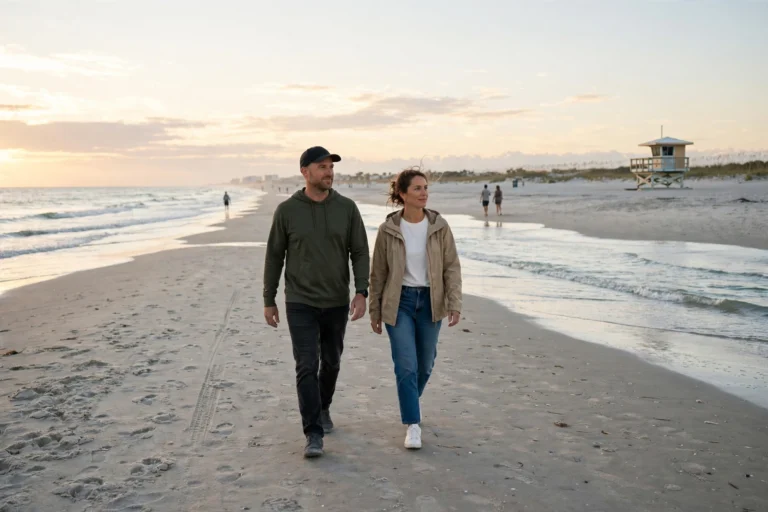
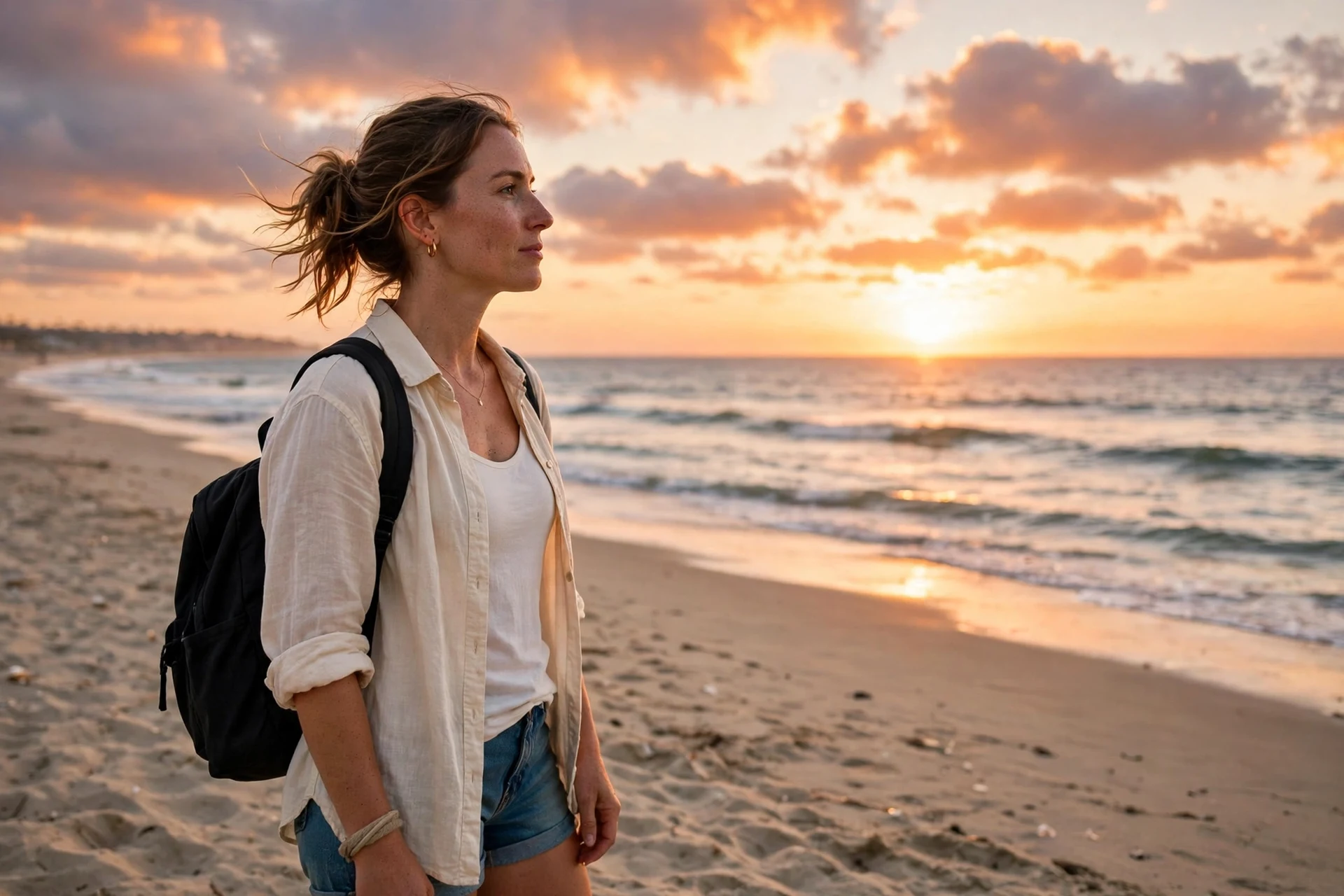
My routine runs like this. Morning coffee in North Park, a walk through Balboa Park before the midday heat, then the beach at La Jolla in the late afternoon, when the light turns the cliffs gold and the sea lions crowd the cove. Coronado Beach stays wide and calm, good for families and long walks, and the Gaslamp Quarter downtown works for dinner. The best fish tacos I have eaten came from counter spots with plastic chairs and no waitlist.
The honest negative is the car. San Diego spreads out, and the trolley covers only part of it. I budget for a rental car or rideshares, and I pick a hotel near the beach or the park instead of a cheaper room twenty minutes inland. Summer weekends fill the popular beaches by late morning, so I arrive before 10 a.m.
San Diego Tourism Authority covers the whole county, from the city beaches to the inland valleys.
Anaheim Beyond the Park Gates
Anaheim sits about 25 miles southeast of downtown Los Angeles in Orange County, and most visitors come for one reason: Disneyland Resort, which opened in 1955 and still anchors the whole city. I have done the parks on crowded Saturdays and on quiet weekdays, and the difference is real. Arrive at opening, ride the big attractions first, and leave the park for a midday break instead of standing in line through the hottest hours.
The city beyond the gates deserves a look too. The Anaheim Packing District fills a restored 1919 packing house with food stalls, live music, and tables that spill outside on warm evenings. Center Street Promenade downtown holds small restaurants and shops that feel a world away from the resort crowds. I like ending a park day with dinner there, where the prices drop and the pace slows.
The negatives are crowds and cost. Park tickets, food inside the gates, and parking add up fast for a family, and the resort area hotels charge peak prices on weekends and school breaks. I stay a short drive away on the busiest nights. Skip the resort-area chain restaurants that charge theme park prices for ordinary food. The Packing District feeds you better for less.
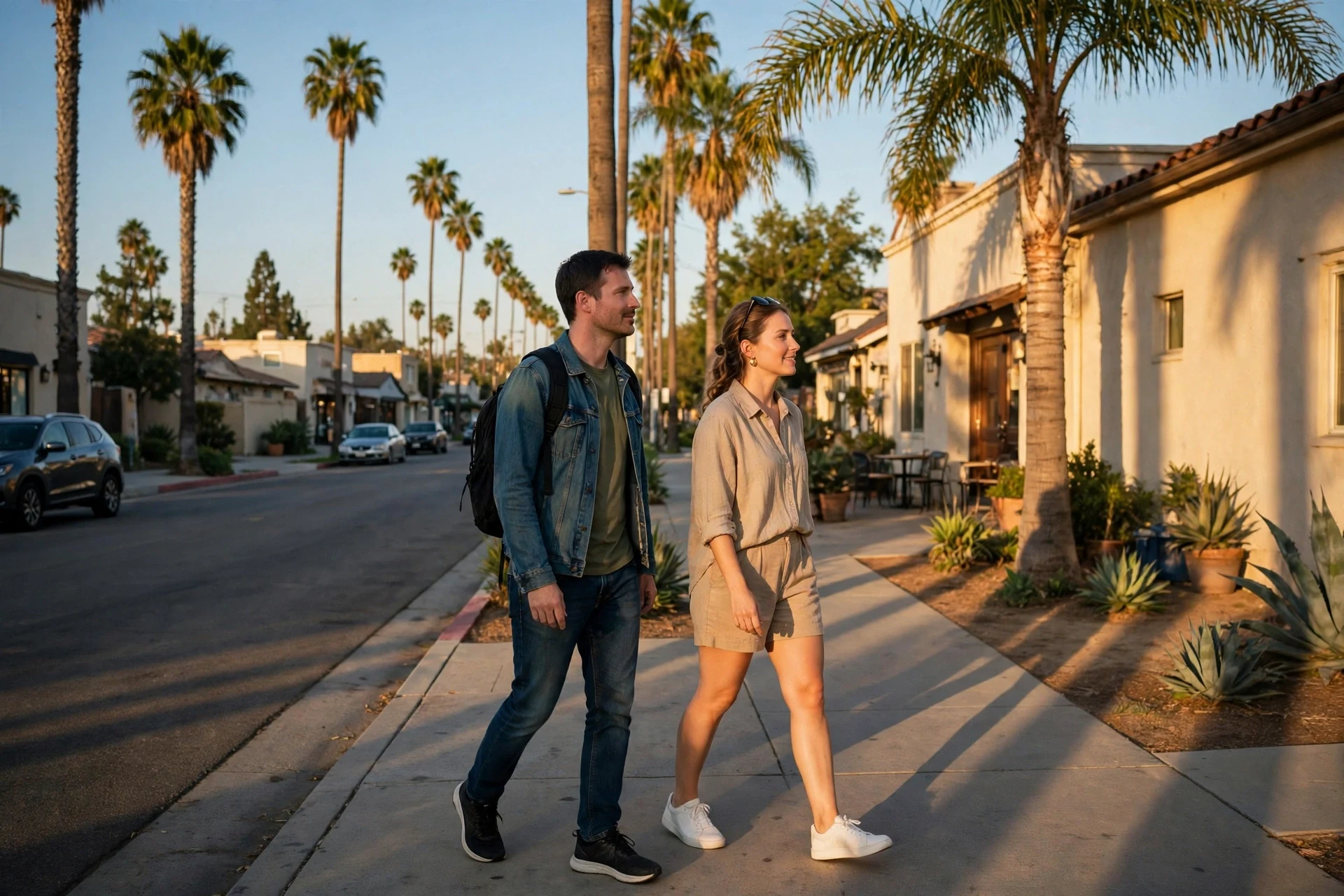
Visit Anaheim lists the resort details alongside the downtown and neighborhood stops.
Four Smaller Stops That Round Out a First Trip
The big four anchor a first trip, but these four smaller cities give it shape, each one showing a different side of California.
Santa Barbara: the Slow Coast
Santa Barbara sits about 90 minutes north of Los Angeles on a clear run, and it moves at half the speed of its southern neighbor. I walk State Street from the waterfront toward the hills, stop for coffee in the Funk Zone, and end up on the beach by late afternoon. Skip the chain shops on the lower blocks of State Street and head uphill, where the independent stores and wine tasting rooms cluster.
Palm Springs: Desert Light and Mid-Century Lines
Palm Springs runs hot, dry, and bright, and it rewards travelers who plan around the sun. I arrive in the morning, walk the mid-century neighborhoods when the light is soft, and ride the Palm Springs Aerial Tramway up into the San Jacinto Mountains for cooler air and a view across the whole valley. Summer afternoons pass 100 degrees, so midday is pool time, never hiking time.

Sacramento: the Capital Without the Rush
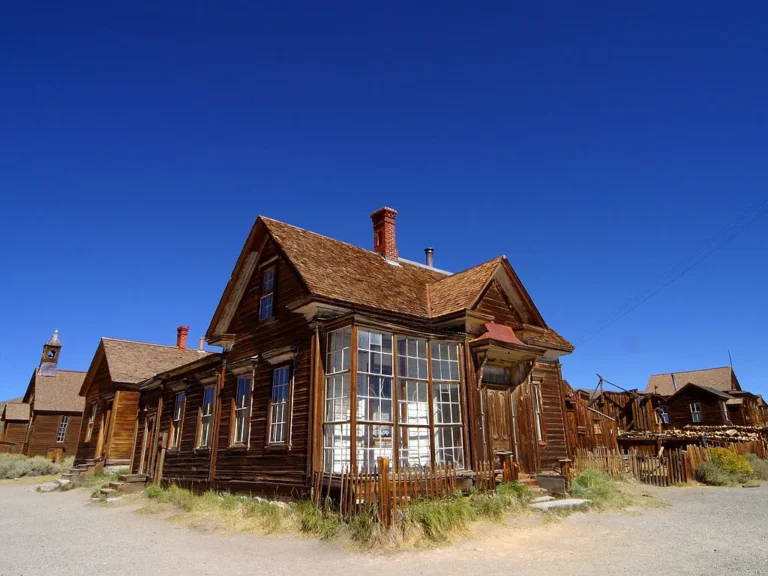
Sacramento, the state capital, surprises people who expect a sleepy government town. Old Sacramento keeps its wooden sidewalks and Gold Rush storefronts along the river, and the California State Capitol grounds make a calm green walk in the middle of the city. I stop for lunch in the midtown grid, where the restaurants and coffee shops outnumber the chain spots. It works as a one-night stop on a northbound drive.
Monterey: Fog and a Working Waterfront
Monterey sits about two hours south of San Francisco on the coast, and it smells like salt and kelp the moment you step out of the car. Cannery Row keeps its old sardine cannery buildings, now filled with shops and restaurants, and the Monterey Bay Aquarium anchors the waterfront with exhibits that hold my attention for hours. I walk the coastal recreation trail toward Pacific Grove in the morning, when the fog is still lifting. Summer mornings run grey and cold, and the sun sometimes waits until noon.
Stringing the Cities Together on the Open Road
A California road trip works best when the driving itself is part of the plan, not a chore between cities. The classic run is Highway 1 from San Francisco to Los Angeles, through Monterey and Big Sur, and it needs at least two days. The road twists along cliffs above the Pacific, and the pullouts fill fast on weekends, so I leave early and stop often. The most visited cities California tallies each year share one trait: they reward a slow second look, and nowhere is that truer than on this coast road.
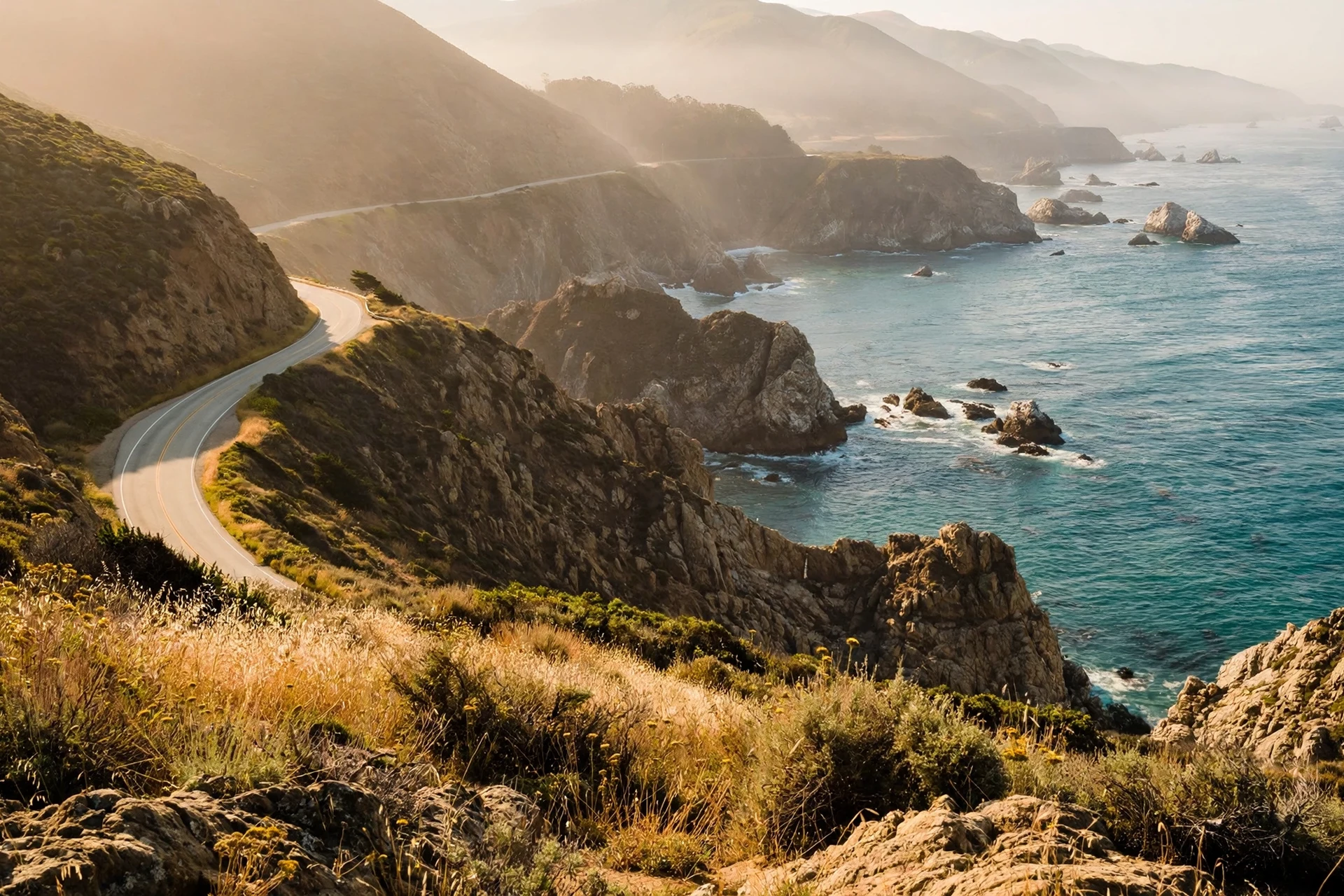
The practical shape looks like this. Day one runs San Francisco to Monterey, about two hours, with an overnight on the peninsula. Day two runs Monterey through Big Sur to San Luis Obispo or Santa Barbara, with stops at the Bixby Creek Bridge and the state parks. Day three finishes into Los Angeles. Rushing it into one day means eight hours of driving and no time to stop.
The other easy coastal drive runs Los Angeles to San Diego, about two hours without traffic on the interstate, or closer to three on the coast road through Laguna Beach and San Clemente. I take the coast road south and the interstate north. Check road conditions first, since winter storms sometimes close stretches of Highway 1.
When to Go, What It Costs, and How Long to Stay
September and October bring the warmest, clearest days to San Francisco and the coast, after the summer fog eases. San Diego stays pleasant nearly all year, with its busiest stretch from June through August. Palm Springs peaks from October through April and bakes in summer. Anaheim runs busy on school breaks and holidays.
Costs vary city to city. San Francisco hotels and parking cost the most on this list. Los Angeles costs swing with the neighborhood: a beach hotel runs high, a room inland runs lower. San Diego sits in the middle, and Anaheim prices spike around the resort on weekends. Food runs cheapest in San Diego and Sacramento.
How long? I give Los Angeles three full days, San Francisco three, San Diego two or three, and Anaheim two, with one park day and one day for the rest of the city. Add a day for the Highway 1 drive and a day each for Santa Barbara, Palm Springs, and Monterey if you include them. A ten-day trip covers the big four plus the coast road without rushing. With kids, I add a day to Anaheim and San Diego and cut a day from San Francisco, where the hills and the fog wear small legs out fast. On a budget, I stay inland, cook one meal a day, and spend on one good experience per city instead of three average ones.
The Questions I Get Asked About California Cities
San Francisco vs Los Angeles: which suits a first trip?
Pick San Francisco if you want a compact, walkable city with fog, hills, and neighborhoods you can cover on foot in three days. Pick Los Angeles if you want beaches, sunshine, and food from every corner of the world. Walkers choose San Francisco. Sun seekers choose Los Angeles.
How many days do I need for the big cities?
Seven days covers Los Angeles, San Francisco, San Diego, and Anaheim at a steady pace, with flights in and out of two different cities. Ten days adds the Highway 1 drive and one smaller stop. Fewer than five days means picking two cities and doing them well.
Can I see these cities without a car?
San Francisco, yes, with cable cars, buses, and your feet. San Diego and Los Angeles, only partly, since both spread wide. Anaheim works without a car if you stay near the resort. For the coast road and the smaller stops, a car is not optional.
Book the Flights, Then Let the Coast Set the Pace
Start with two cities, not four, if your time is short. Fly into San Francisco, drive the coast road south, and fly home from Los Angeles or San Diego. Book hotels near the places you will walk each day, leave one afternoon in every city with nothing planned, and let the fog, the tacos, and the sunset set the pace.