Things to Do Los Angeles Taught Me to Plan by Neighborhood, Not by List
I planned my first trip around things to do Los Angeles lists and spent half of it in traffic, crossing a county-sized city for stops that looked close on a map and were not. My second trip worked because I picked one base, grouped everything near it, and left the far side of the city for another visit. LA rewards that kind of patience. It punishes the checklist.
The Things to Do Los Angeles First-Timers Remember Longest
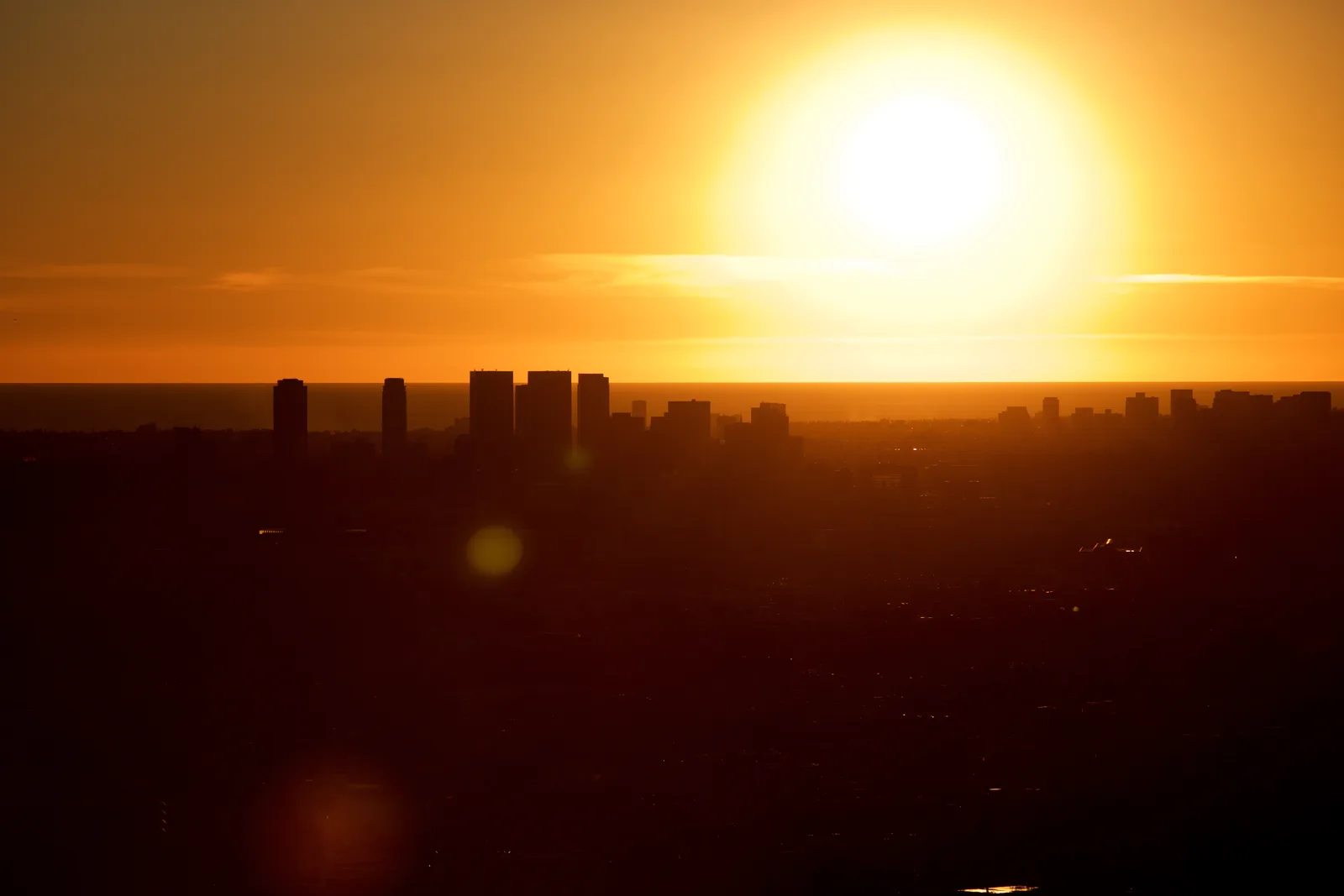
The stops people talk about afterward are rarely the ones with the longest lines. They are the ones with a view, a walk, or a meal attached to them. Griffith Observatory at sunset sticks because the whole basin lights up below you. The Getty Center sticks because the garden and the architecture are as much the visit as the art inside. Santa Monica sticks because you walked off the pier and kept going, not because you checked a box there.
That pattern shaped how I plan LA now. I rank a stop by what surrounds it. A museum next to a good lunch and a walk beats a famous stop that strands you in a parking structure for an hour. A beach you can reach on foot from your hotel beats a prettier beach that costs you a freeway crossing at rush hour.
Pick a Base Before You Pick a List
LA is not one city in the way visitors expect. It is a spread of neighborhoods joined by freeways, and the freeway is the trip. Westside days feel different from downtown days, and east side days feel different again. Staying in Santa Monica while your list lives in Silver Lake and Pasadena means you commute to your own vacation.
First-timers do best with one of three bases. Santa Monica or Venice suits beach-first trips and anyone who wants to walk to dinner. Hollywood or Los Feliz suits first-timers who want Griffith Observatory, the studios, and the east side within a short drive. Downtown suits museum-heavy trips, since The Broad, the concert hall, and the markets cluster there. Pick one, then let the other two wait for a return trip.
Traffic decides more than taste does here. A midday drive that looks like twenty minutes on a map can double when the freeways load up, and the return leg is often worse. I plan one anchor in the morning, one in the afternoon, and nothing that forces a cross-city drive between them. The Metro helps on some corridors, and the official Metro site is the place to check which lines serve your base before you count on them. I use it for downtown and Hollywood corridors and drive for the beach and the hills, where the bus and rail coverage thins out.

The Free Stuff That Carries a Trip
LA is kinder to a tight budget than its reputation suggests, as long as you skip the paid viewpoints and the tour buses. Griffith Observatory costs nothing to enter, and the terrace view alone is worth the drive up the hill. The Getty Center also offers free admission, with parking as the cost, and the tram ride up from the lot is part of the experience. Both places get crowded on weekends, so I go early or late in the day and treat the middle of the day as beach or neighborhood time.
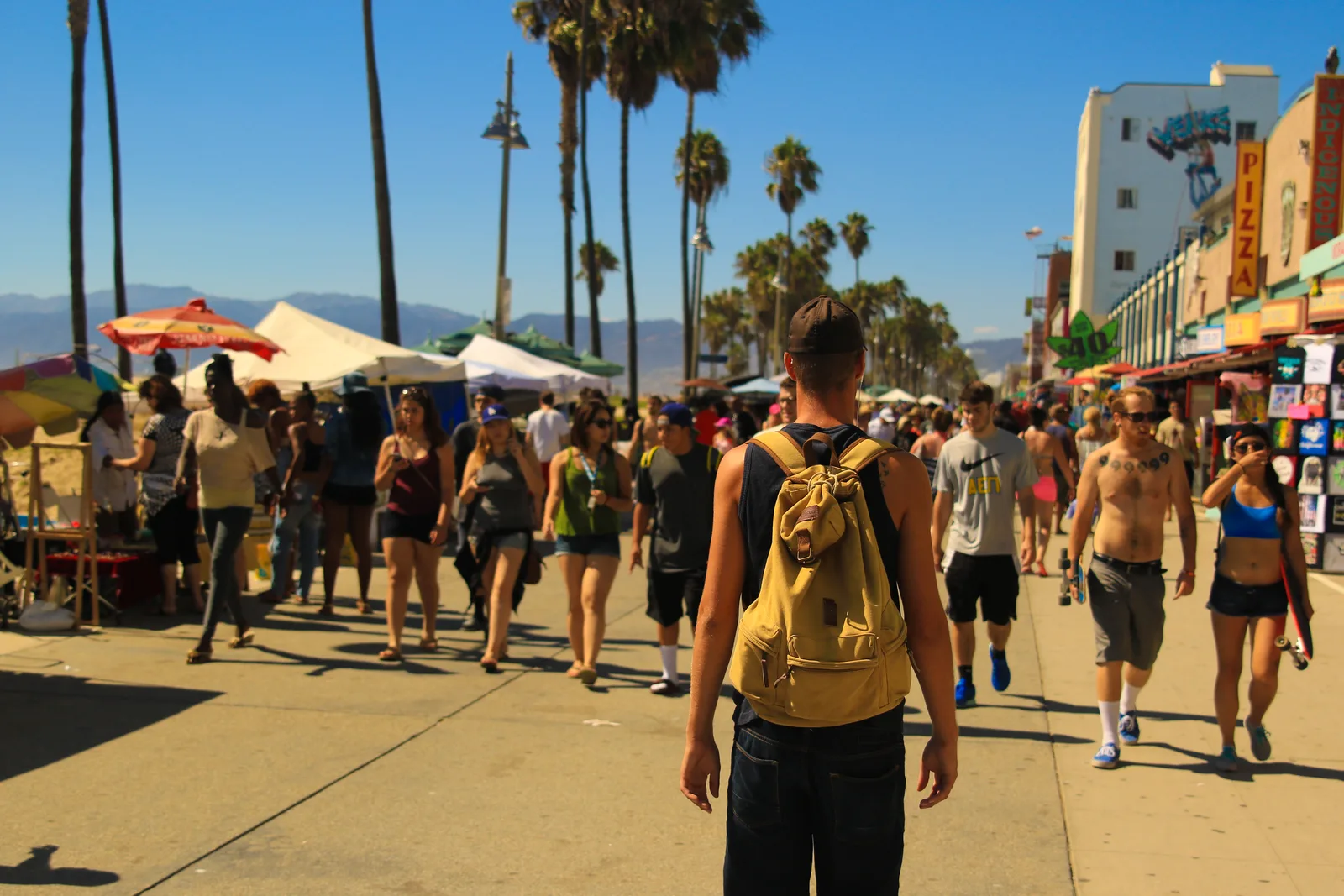
The beaches are the other free anchor. Santa Monica has the pier and the long, flat beach path, and Venice has the boardwalk scene that people either love or leave quickly. I like both, but for different reasons. Santa Monica is the easy family beach day. Venice is the people-watching walk. The long beach path that joins them lets you sample both without moving the car, and the coastal towns along that path are why I point readers toward coastal beach towns USA when they ask where else the California shore works this way.
Runyon Canyon is the free hike everyone ends up doing, and it earns its crowd. The loop is short, the city view from the top is immediate, and dogs are everywhere. Go at sunrise if you want quiet. By late morning the trail feels like a sidewalk, and the parking scramble around the entrances eats the time you saved by picking a short hike.
First-Timer Classics, Ranked by How They Hold Up
Griffith Observatory holds up on every visit I have made. The building itself is beautiful, the science exhibits inside are hands-on enough for kids without talking down to adults, and the view covers the basin, the ocean on a clear day, and the Hollywood sign on the ridge. The official Griffith Observatory site is worth checking before you go, since hours and planetarium shows change with the season. Parking near the observatory fills up on weekends, so I take the shuttle from the lower lot when it runs rather than circling the hill.
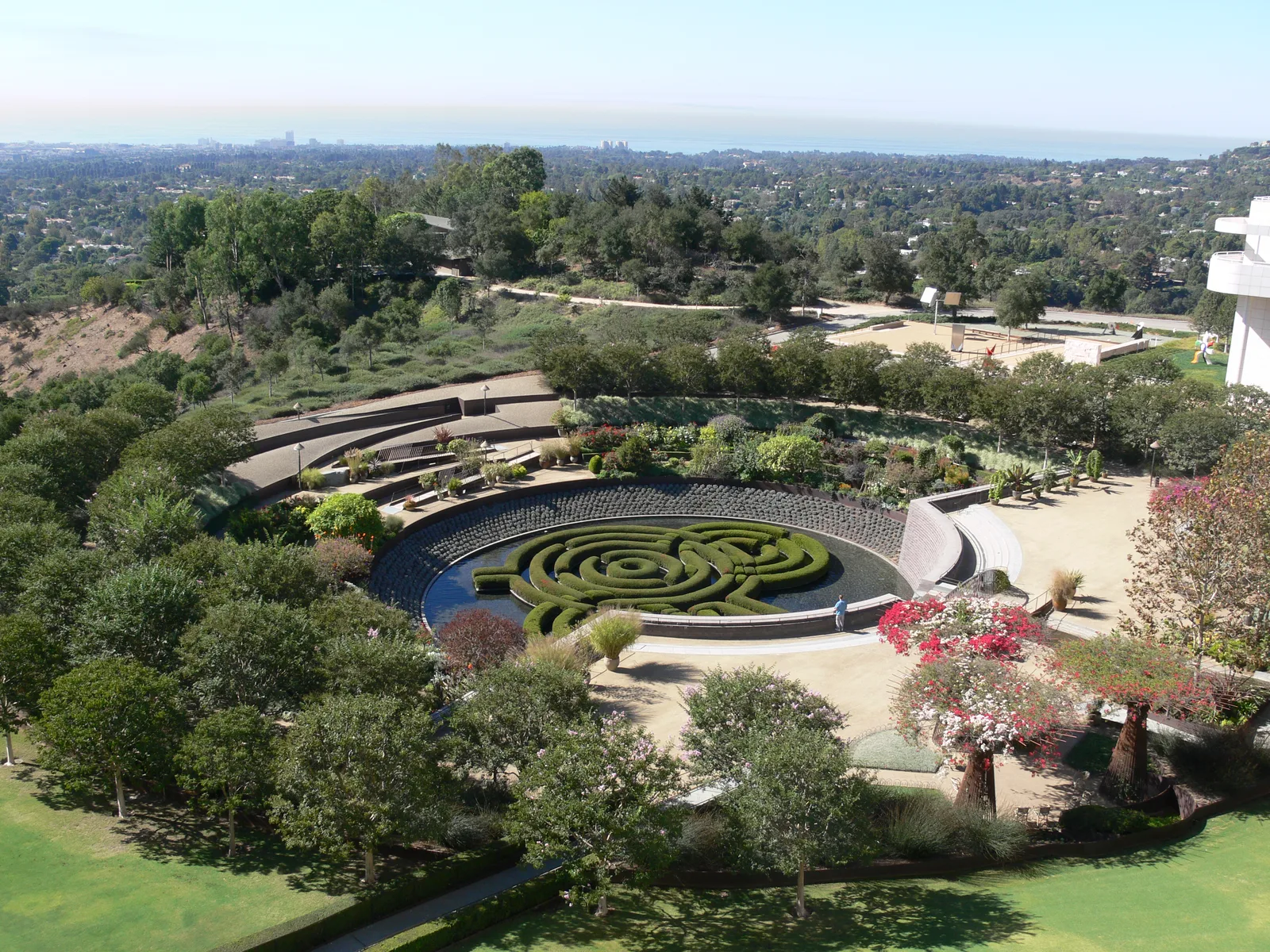
The Getty Center holds up for a different reason. The art is strong, but the reason I return is the whole setting: the pale stone buildings, the garden that changes with the season, and the view west toward the ocean. You can spend two hours here without entering a single gallery and still feel like you saw something. Plan a half day, not a quick stop, because the tram, the garden, and the terraces slow you down in a good way.
The Broad, downtown, is the modern art stop I recommend with a warning. The collection is sharp and the building is worth seeing, but timed-entry tickets are the whole game, and walk-up space is not something to count on. Book ahead if it matters to you. Pair it with Grand Central Market for lunch, since the market’s stalls give a group with different tastes an easy way to eat together without a reservation.
The La Brea Tar Pits surprise people. The pits themselves are small, but watching the tar bubble in the middle of a city park, with mammoth statues above ground and real excavation below, gives kids something they remember. The Los Angeles County Museum of Art sits next door, so the two make one sensible afternoon. I would not cross the city for the pits alone, but as part of a Mid-Wilshire day they are worth it.
The Hollywood sign is the classic that needs the most managing. You cannot walk up and touch the letters, and the viewpoints that promise the closest look come with steep residential streets and limited parking. Lake Hollywood Park gives the straightforward view most first-timers want, and the trail from the park toward the ridge gives a longer walk with better angles. Skip the tour vans that promise a drive-by photo. You will get a better picture on foot, on your own schedule.

LA After Dark
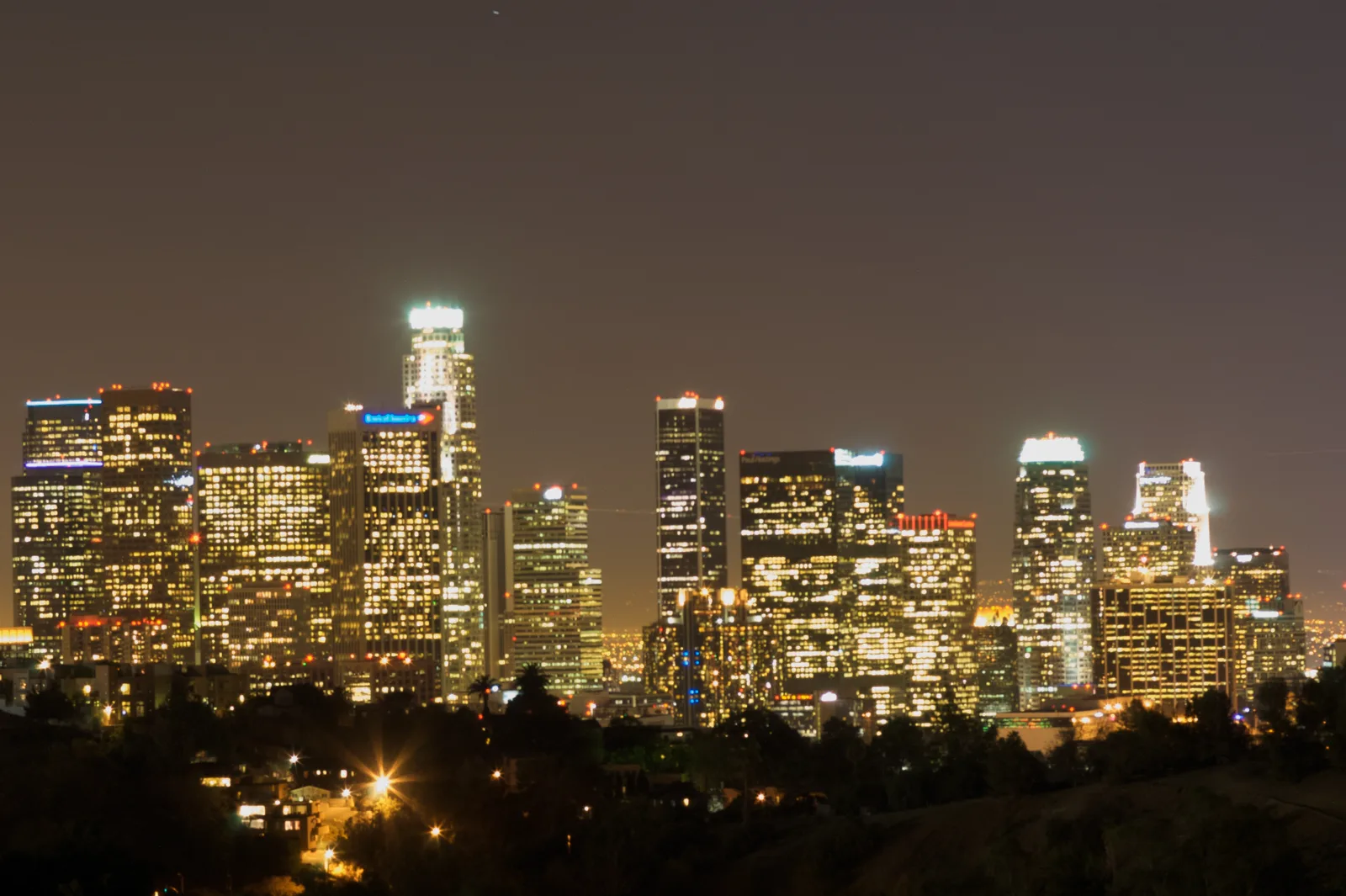
LA at night belongs to the observatory, the beaches, and the neighborhoods that eat late. Griffith Observatory after sunset is a different place from the daytime version, quieter inside and more dramatic outside, with the city grid lit up below. The beach towns cool down and empty out, and an evening walk on the Santa Monica path feels nothing like the midday crowd.
Downtown after dark works if you stay near the lit corridors. Grand Central Market runs into the evening, the concert hall area is well traveled on performance nights, and the rooftop bars above the old theaters give a skyline view without a ticket. Koreatown eats late better than almost anywhere in the city, and a group that cannot agree on dinner will find something there at hours when other neighborhoods have closed.
One night warning from experience: do not plan a beach bonfire or a late hike without checking conditions first. Some beaches allow fires only in designated pits, and some canyon trails close at dusk. A quick check saves a drive to a locked gate, and the city’s own park pages are the reliable source for that, not a blog post from three years ago.
Three Days Without Backtracking
A first trip fits three days if each day stays in one zone. Day one, Westside: Santa Monica pier and beach in the morning, Venice boardwalk in the afternoon, dinner on Abbot Kinney or Main Street. Day two, central: Griffith Observatory in the morning, Los Feliz or Silver Lake for lunch, the Getty Center in the afternoon if you have the energy, or the Tar Pits if you do not. Day three, downtown and east: The Broad, Grand Central Market, Olvera Street, and an evening in Koreatown.
That shape leaves room for a fourth day in Malibu or Pasadena, and both are worth it if you have the time. Malibu gives the wilder coastline, with El Matador Beach and Point Dume as the two stops I return to, though the stairs down to El Matador are steep and the parking is tight. Pasadena gives the Huntington Library and gardens, a full-day stop that suits a slower traveler. Readers planning a longer California loop should also look at beautiful places California before they decide whether to add the coast or the desert next.
Families should bend this plan, not abandon it. Kids do best with one big stop and one outdoor stop per day, and the observatory, the beach path, and the Tar Pits all give them room to move. The advice I give parents is the same one I give everyone: keep the driving short and the middle of the day loose. The full family angle, including how to sort stops by age, is covered in family destinations USA, and it is worth reading before you promise a child three museums in one day.
If your trip is longer than a weekend, the same zone logic stretches easily. Add a day for the coast, a day for Pasadena, and a day with nothing planned except a neighborhood walk and a long lunch. The unplanned day is usually the one people mention afterward, because it is the day LA stops feeling like an itinerary and starts feeling like a place. If Los Angeles is one stop on a wider California loop, the most visited cities in California shows how it stacks up against San Francisco, San Diego, and Anaheim.
What I Skip Now
The Hollywood Walk of Fame is the skip I state most plainly. The stars are set into a busy commercial sidewalk, the crowds are thick, and the experience is mostly walking past souvenir shops while looking down. See it if you are already in Hollywood for the observatory or a show, but do not build a day around it.
Rodeo Drive is a second skip, unless window shopping is the point. The street is short, the shops are priced for a different trip, and the photo of the sign takes about a minute. Beverly Hills itself is pleasant to drive through, but the shopping street is not a destination for most first-timers.
Studio tours split my advice. A working studio tour can be a great day for a film fan, but it eats half a day and costs more than most people expect, and the backlot experience varies a lot by studio and by day. If film history is your main interest, pick one tour and build the day around it. If it is a side interest, the observatory view and a walk through the old theater district give you more of the city for less of the day.
What Friends Ask Before They Book LA
Do I need a car? Mostly yes, unless your whole trip sits on one Metro corridor. The city is spread out, and the bus and rail network does not reach the beaches, the hills, and Malibu the way a car does. Rent for the days you leave your base zone and skip it for a downtown-only stretch.
Is LA safe for a first-timer? The tourist zones are manageable with normal city sense, but the city changes block by block, and some areas deserve a second look after dark. Stay on lit, busy streets at night, keep valuables out of parked cars, and ask your hotel about the streets right around it rather than trusting a general guide.
How many days does LA need? Three days covers the first-timer core if you stay zoned, and five days lets you add Malibu and Pasadena without rushing. Less than three days means choosing: beach or museums, not both, and saying so honestly beats cramming both into a blur.
When is the best month? Late spring and early fall give the most reliable beach and hiking weather, while summer brings crowds and winter brings the chance of rain that closes canyon trails. The city works year-round, but the outdoor days are the ones most affected by season, so pick your month by what you plan to do outside.
Book the Neighborhood First, Then the List
LA rewards the traveler who chooses a base, groups the stops near it, and leaves the rest for next time. Pick Santa Monica for the beach, Los Feliz for the hills and the east side, or downtown for the museums. Build three zoned days, put Griffith Observatory and the Getty Center on different days, and keep one evening loose for Koreatown or a beach walk. Skip the Walk of Fame as a destination, book The Broad ahead if it matters, and check the official pages for hours and parking before you drive anywhere. That is the whole method, and it is the difference between a trip spent in traffic and a trip spent in the city.