
The Museums to Visit in the USA That Are Worth Crossing the Country For
I have spent rainy afternoons in museum halls from Washington to Los Angeles, and the ones I remember are not the ones with the longest lines. They are the ones where a single room stopped me cold: a dinosaur hall in New York, a war museum in New Orleans, a gallery in Chicago where the light fell just right. The best museums to visit USA has to offer span ten buildings in five cities, and this list is the ten I would cross the country for, with the free ones first and the skips named honestly.
The Museums to Visit USA That Give You a Full Day
I picked these ten by a simple test: could I spend a full day inside without checking my watch? A great museum gives you a reason to stay past lunch, and every one on this list does. I left off famous names that feel like a chore after an hour, and I left off small gems that deserve their own trip. What remains are the big halls, the deep collections, and the places where the building itself is part of the show.
Three of the ten are free, which changes the math. The Smithsonian museums in Washington and the National Gallery of Art charge nothing at the door, and the Getty Center in Los Angeles charges nothing for admission either, though you pay for parking. The rest charge, and the prices run from the high twenties to the low thirties for an adult ticket. I name prices only where I am confident of them, and I flag the rest to verify, because museum prices move every year and a stale number is worse than none.
Plan these museums like trips, not errands. Go early, pick three galleries, and leave before your feet give out. The museums that disappoint people are almost always the ones visited in a rush.
Washington: Three Free Museums That Anchor the List
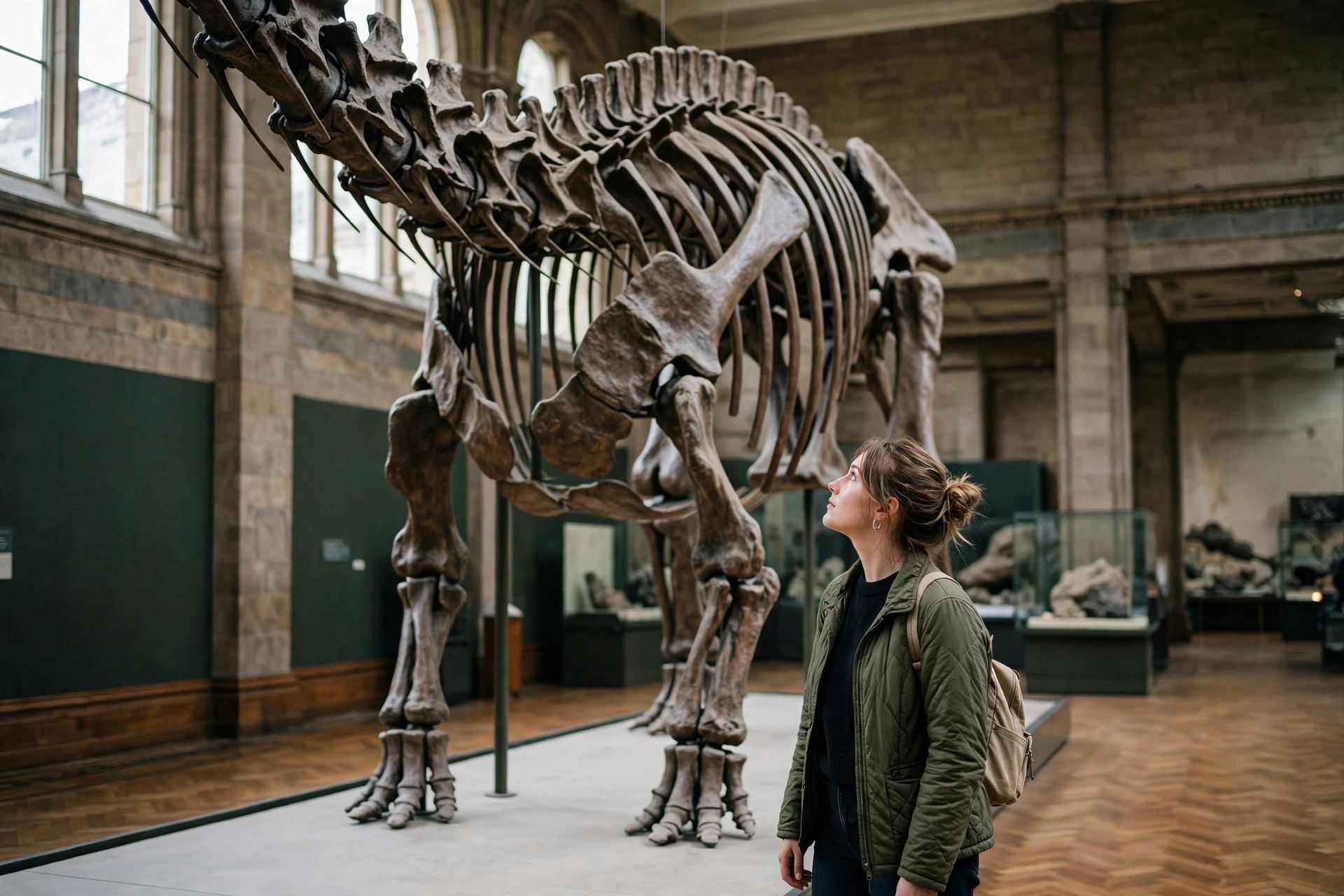
Washington is the best museum city in the country for one reason: the free ones are the best ones. The National Museum of Natural History holds the Hope Diamond, a 45.52-carat blue diamond that draws a crowd all day, and the dinosaur hall that every kid in America should see once. Go to the diamond early or late, because the line in the middle of the day eats an hour.
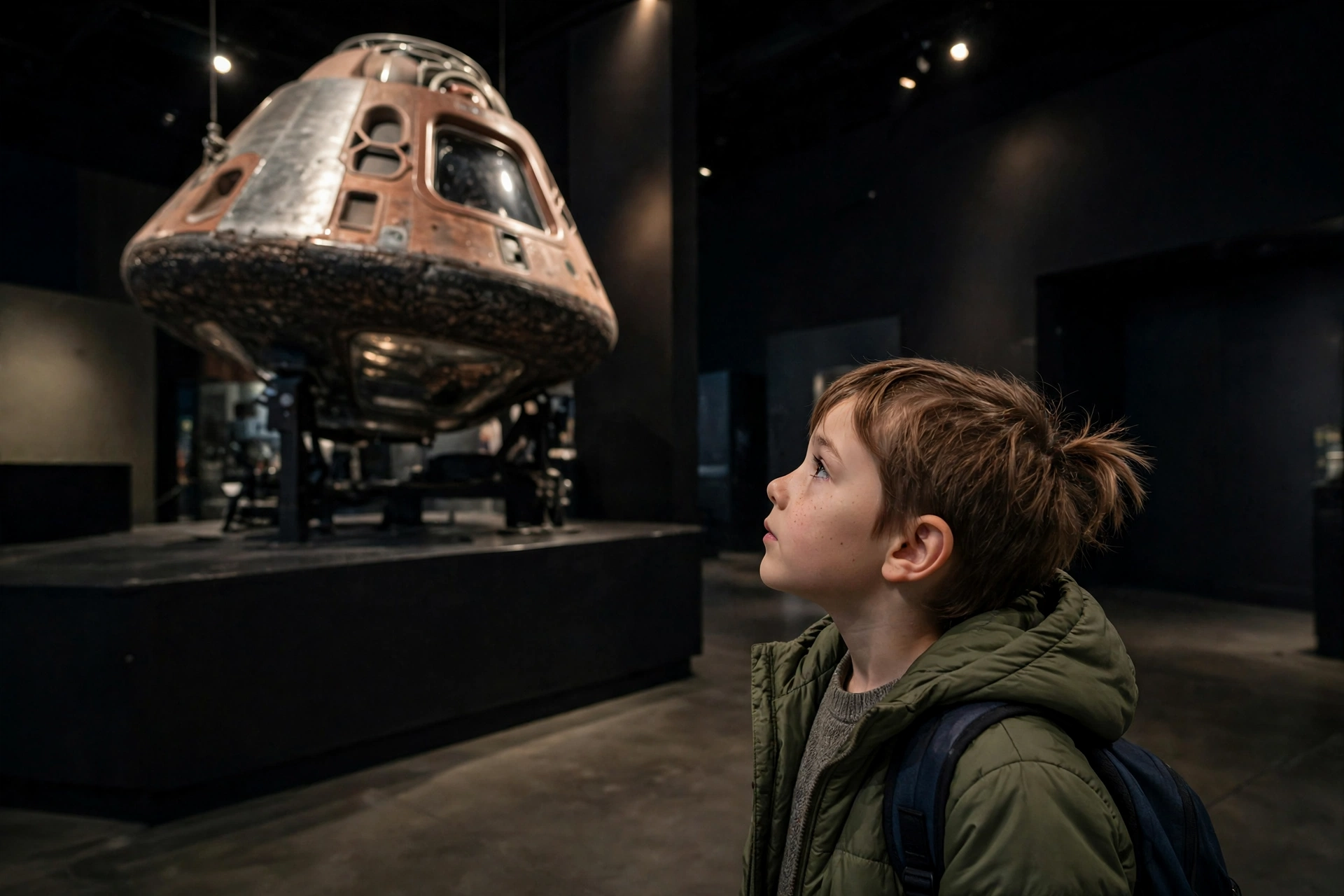
The National Air and Space Museum holds the Wright Flyer from 1903 and the Apollo 11 command module Columbia, and the building reopened after a long renovation with new galleries that make the old favorites feel fresh. The National Gallery of Art is the quiet one, free, calm, and full of Dutch masters and American paintings, with the East Building for modern work. If you only have one afternoon in Washington, spend it here instead of rushing through three museums.
The third Washington stop on my list is the National Museum of African American History and Culture, which needs timed-entry passes that you book in advance. The history galleries start underground and rise through the building, and the design is the point. Book the passes weeks ahead for a weekend, and go in the morning when the crowds are thinnest.

New York: The Met, MoMA, and the Dinosaur Hall
New York holds three of the ten, and they could not be more different. The Metropolitan Museum of Art on Fifth Avenue is the biggest museum in the country, and the honest advice is to pick one wing and see it properly. The Egyptian wing, the American wing, or the European paintings will fill a morning each. Adult admission is $30, and New York state residents pay what they wish, which is the best deal in the city if you live there. The Cloisters, the Met’s medieval branch in Fort Tryon Park, is included in same-day admission and is worth the subway ride north.
The Museum of Modern Art is smaller and sharper. The collection runs from Van Gogh’s Starry Night to Warhol’s soup cans, and the building is easy to navigate in half a day. Adult admission is $30, and the museum runs free Friday evenings, though you should verify the current schedule before you go, since the free hours change.
The American Museum of Natural History is the one I send families to first. The dinosaur halls are the draw, with the towering skeletons that have not changed much since I was a kid, and the Hall of Ocean Life with the blue whale model hanging overhead. Adult admission is $28, and New York residents pay what they wish. The planetarium shows cost extra, and they are worth it if your kids are old enough to sit still for 30 minutes.
Chicago: Two Museums That Reward a Full Day Each
Chicago has two museums that each deserve a full day, and I would not try to do both in one. The Art Institute of Chicago holds the most famous American paintings in the country, including American Gothic and A Sunday on La Grande Jatte, plus one of the best Impressionist collections anywhere. The building sits on Michigan Avenue, and the two bronze lions out front are the meeting point for half the city. Admission runs in the low thirties for an adult, and Illinois residents get free Thursday evenings, which is the time to go if you can.
The Field Museum is the other Chicago stop, and it is the museum I take people to when they think museums are boring. Sue the T. rex stands in the main hall, and the ancient Egypt galleries and the gem hall fill out a day without trying. The museum sits on the lakefront next to the Shedd Aquarium and the Adler Planetarium, so you can pair it with either, but do not try all three in one day. Admission is around $30 for a basic ticket, with an all-access pass that costs more, and I would verify the current price before you go.

Los Angeles and New Orleans: The Two That Surprised Me
The Getty Center in Los Angeles surprised me the most. Admission is free, the tram ride up the hill is part of the experience, and the gardens and the views over the city are as good as the art. The collection runs from Renaissance paintings to photography, and the building, all white travertine and sharp angles, is a museum in itself. Parking costs around $20, which is the real price of the visit, and the sunset from the terrace is the best free show in Los Angeles. Go on a weekday if you can, because the weekends fill up with picnics on the lawn.
The National WWII Museum in New Orleans is the heaviest museum on this list and the one I think about most. The campus covers several buildings, and the main experience walks you through the war from Pearl Harbor to the end, with personal stories at every turn. The 4D film, Beyond All Boundaries, is the part people talk about afterward, and it is worth the extra ticket. Admission runs around $31 for an adult, and you should verify the current price. Give it a full day. A half day here feels rushed, and the museum earns the time.
The Money Question: Free Days, Timed Tickets, and What to Skip
Museums cost real money now, and the total for a family adds up fast. The free museums in Washington and the Getty are the obvious starting point, and the pay-what-you-wish policies for locals in New York are the next best deal. If you are not a local, the adult ticket at the big museums runs $28 to $32, and a family of four can spend $120 before lunch. Buy tickets online in advance where the museum offers it, because the door price is sometimes higher and the line is always longer.
Timed-entry passes are the other thing to plan around. The National Museum of African American History and Culture needs them, and the popular special exhibitions at the Met and MoMA sell out on weekends. Book the passes when you book the flights, not the night before.
What to skip: the gift shop first pass, the audio guide if you are short on time, and the special exhibition if the permanent collection is what you came for. The special shows are often the most crowded rooms in the building, and the permanent galleries are where the museum’s real strength lives. Skip the museum cafe for lunch if the line is long. Eat outside, walk for twenty minutes, and come back fresh.
Pairing Museums With the Rest of the Trip
Museums work best as one anchor in a day, not the whole day. In Washington, pair the Natural History museum with a walk on the National Mall and a late lunch in Eastern Market. In New York, pair the Met with Central Park, which is right outside the door, and the American Museum of Natural History with a walk down to the Hudson. In Chicago, pair the Art Institute with Millennium Park and the Field Museum with the lakefront.
The USA bucket list destinations list on this site covers the wider trips these museums sit inside, and it is worth a look if you are building a multi-city route around them.
If you are planning a ski trip for the same season, the best ski resorts in the USA roundup covers the mountains worth pairing with a city stop, and the winter timing lines up well with the museums’ quietest months.
For the days between museum visits, the off the beaten track places list has the small towns and quiet corners that make a good break from the big halls.

Questions I Hear About the Big Museums
Which museum should I visit first if I only have one day? The National Museum of Natural History in Washington, because it is free, huge, and the dinosaur hall and the Hope Diamond give you two unforgettable rooms in one morning.
Are the Smithsonian museums really free? Yes. The Smithsonian museums in Washington charge no admission, and neither does the National Gallery of Art. Timed-entry passes are the only catch, and only at the African American History museum.
Is the Met worth $30? Yes, if you pick one wing and see it properly. The Egyptian wing alone is worth the ticket, and the Cloisters is included the same day.
How long should I plan for the WWII Museum? A full day. The campus is big, the film adds an hour, and a half day leaves you feeling like you missed the point.
What is the best free museum experience in the country? The Getty Center at sunset, with free admission, the tram ride, and the terrace view over Los Angeles.
Start With the Free Ones, Then Pick Your City
These are the museums to visit USA travelers ask me about most, and the advice stays the same: start with the free ones in Washington and Los Angeles, then pick one city and do its museums properly instead of rushing through three cities in a week. Book the timed passes early, go in the morning, and leave before your feet give out. The museums will still be there, and the second visit is always better than the first.



2 Comments