Wine Regions USA Finally Made Sense When I Stopped Chasing Famous Labels
I used to plan wine trips around names I recognized from a bottle, and I came home with good photos and a thin memory. The best wine regions USA trips I have taken share a different habit: I picked one valley, stayed in one town, and tasted slowly, instead of driving between famous names all day. If you want wine country to feel like a trip, not a checklist, stay put.
Why Wine Regions USA Reward Staying in One Valley
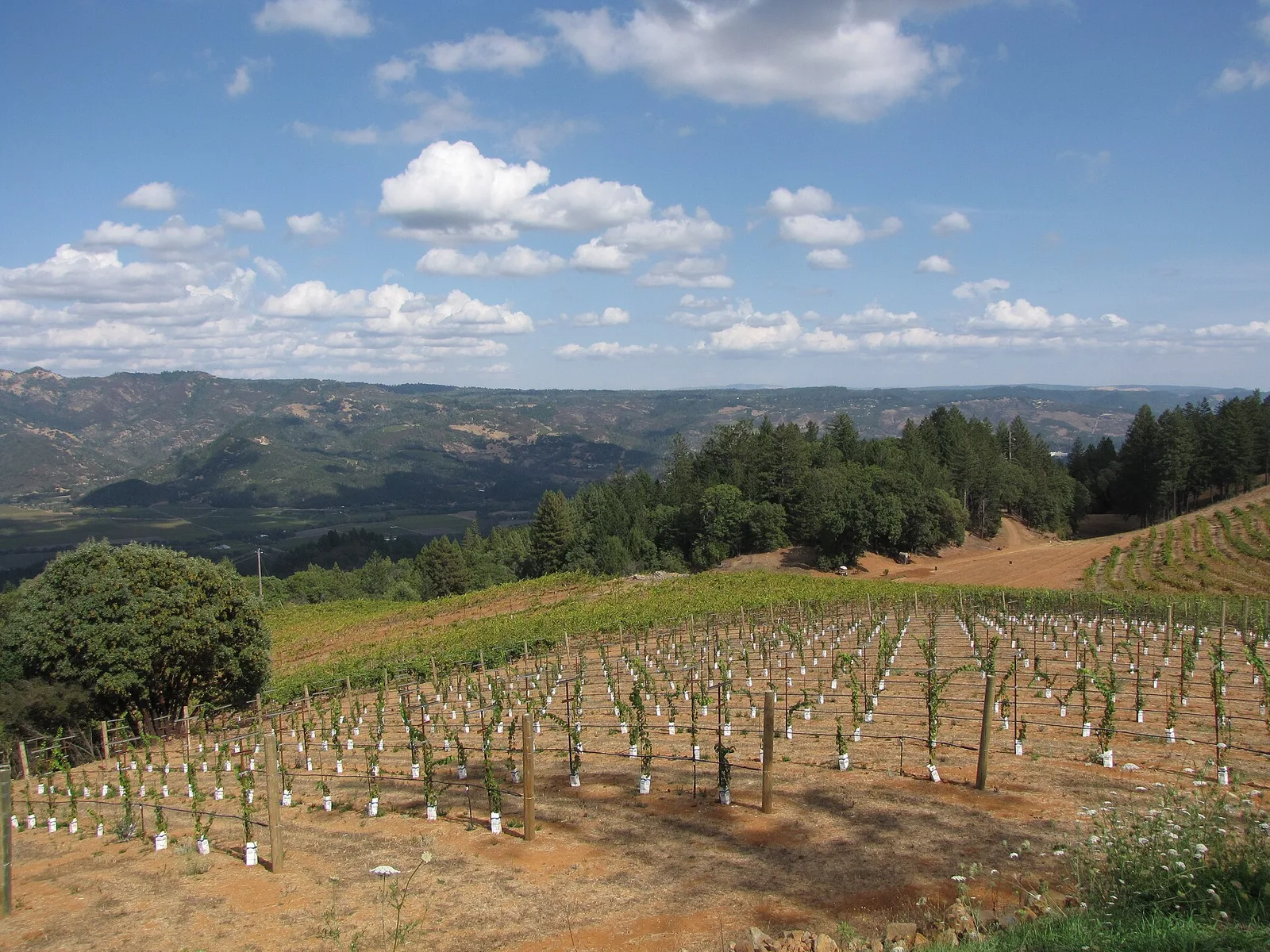
My rule is simple, and I learned it the hard way in Napa Valley, California, where I booked three tastings in one day, drove between them in traffic, and remembered none of them well by dinner. The next trip I booked one tasting in the morning, lunch in town, and a long walk in the afternoon, and that single tasting stayed with me for months.
Wine tasting is not sightseeing. Your palate tires, your attention fades, and a fourth tasting rarely teaches you anything the second one did not. I now book two tastings a day at most, and I prefer one, with food in between. I drink water, I eat, and I take notes in a small notebook, because a name I loved at noon is gone by evening if I do not write it down.
I also pick a base town I can walk in the evening. A town with a main street, a wine bar, and a restaurant means I do not drive after tasting, and that alone makes the trip safer and calmer. I book a room in town, I taste nearby, and I walk to dinner.
Napa and Sonoma, Without the Napa Price Tag Every Day
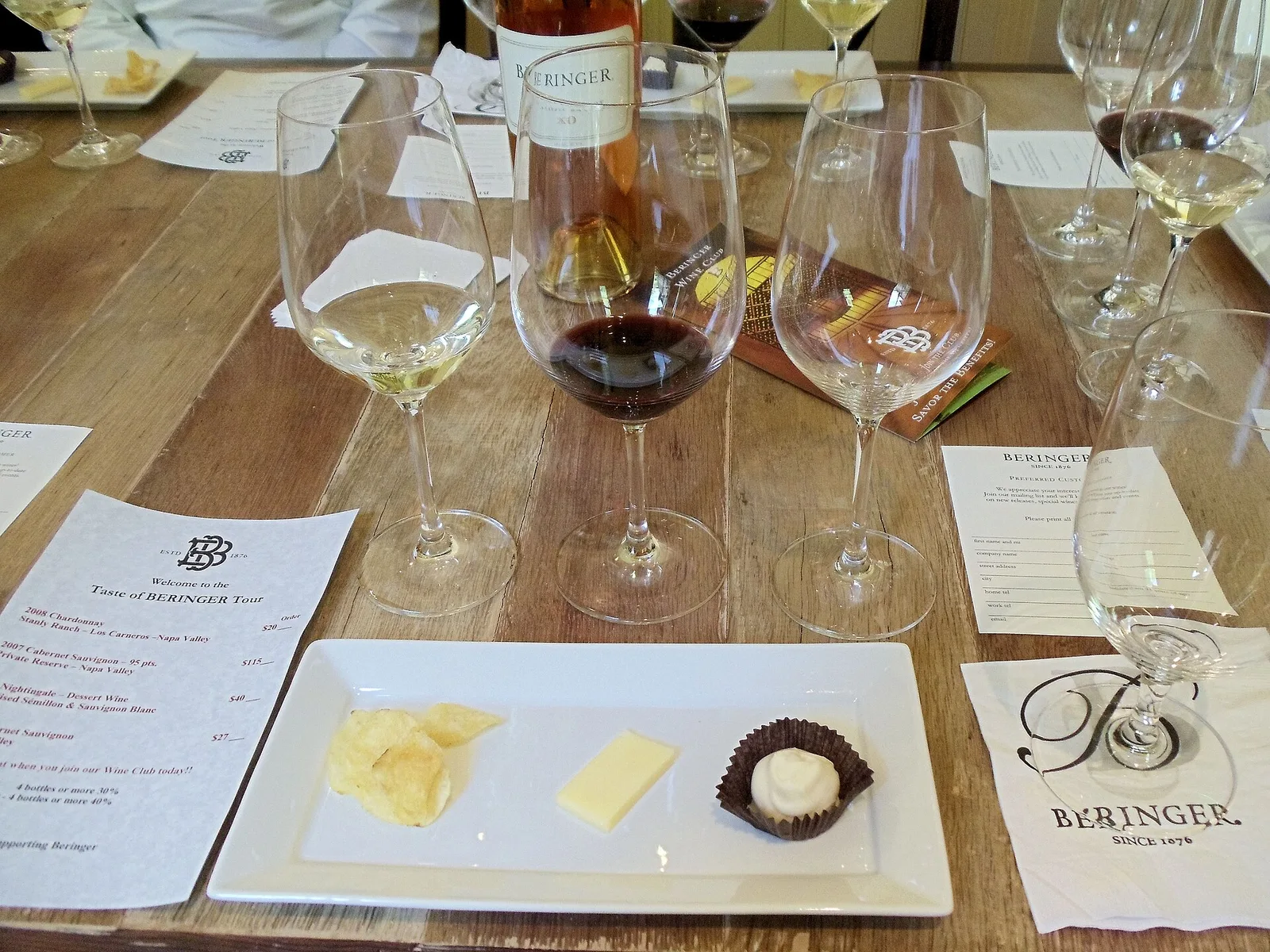
Napa Valley, California is the most famous wine region in the United States, and it earns the fame, with Cabernet Sauvignon, hillside vineyards, and restaurants that draw people from all over the world. It also costs more than most other regions, and the tasting rooms fill up, so I plan Napa differently than I plan other valleys.
I book Napa tastings in advance, I pick one famous producer and one smaller producer in the same day, and I eat lunch in a town, not at a tasting room that charges a premium for the view. I also stay in a nearby town when Napa town rates feel high, because a short drive in the morning, before tasting, beats a high room rate every night.
Sonoma County, California is the calmer sibling, and for many first-time visitors it is the better pick. The valleys are wider, the tasting rooms are less formal, and the towns feel more like working towns than wine theme parks. I spent a weekend in Sonoma town once, tasting in the morning, walking the plaza in the afternoon, and eating dinner early, and I came home with a clearer sense of the region than I ever got from a rushed Napa day.
For planning, I check the official Visit Napa Valley site for tasting room information and town events, because hours and booking rules change by season. I check the official Sonoma County tourism site the same way, because Sonoma has many small producers that do not appear on big booking platforms.
The Napa versus Sonoma question has no single right answer, and I say that plainly. Pick Napa if you want famous names and a polished day, and you accept the cost and the crowds. Pick Sonoma if you want a slower day, a wider range of wines, and a town you can walk. I pick Sonoma for a first trip with friends, and Napa for a special occasion, when one famous tasting is the point.
California Beyond the Two Famous Valleys
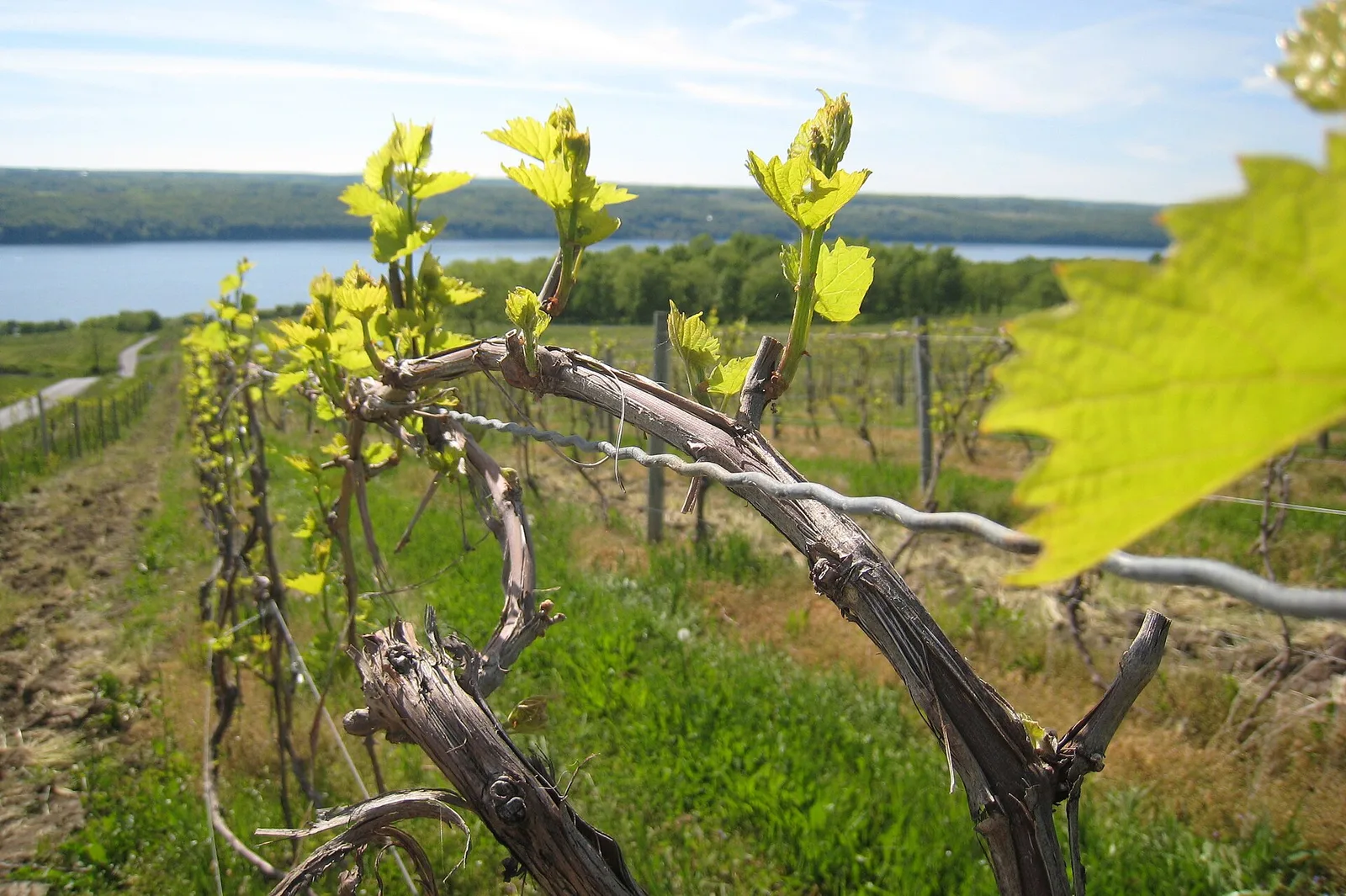
California has more wine country than Napa and Sonoma, and the rest of it is where the best value lives. Paso Robles, California, in San Luis Obispo County, gives you Rhone style wines, wide valleys, and tasting rooms where the person pouring often made the wine. Santa Barbara County, California, gives you coastal vineyards, cooler air, and a town, Santa Barbara, California, that works as a base for both wine and beach days.
I like Paso Robles for a weekend when I want to taste without a crowd, because the region is spread out and the towns are small. I drive between tastings in the morning, I eat lunch in Paso Robles town, and I stop tasting by late afternoon, because country roads in the dark after tasting are a bad idea. I also book a designated driver or a tour when I plan more than one tasting in a day, and I say that as a safety rule, not a suggestion.
Santa Barbara County works differently, because the vineyards sit near the coast and the fog shapes the wines. I taste in the Santa Ynez Valley, California, in the morning, I eat lunch in Los Olivos, California, a small town built around tasting rooms, and I drive back to Santa Barbara for dinner. That pattern, valley by day and town by night, is the one I repeat in most wine regions.
For statewide context, I check Visit California for regional guides and seasonal notes, because California wine country spans a long state and a single valley guide does not cover the rest. I use the statewide site as a starting point, not as a substitute for the valley tourism sites, which know their own producers better.
The East Coast and Inland Valleys Most Visitors Miss
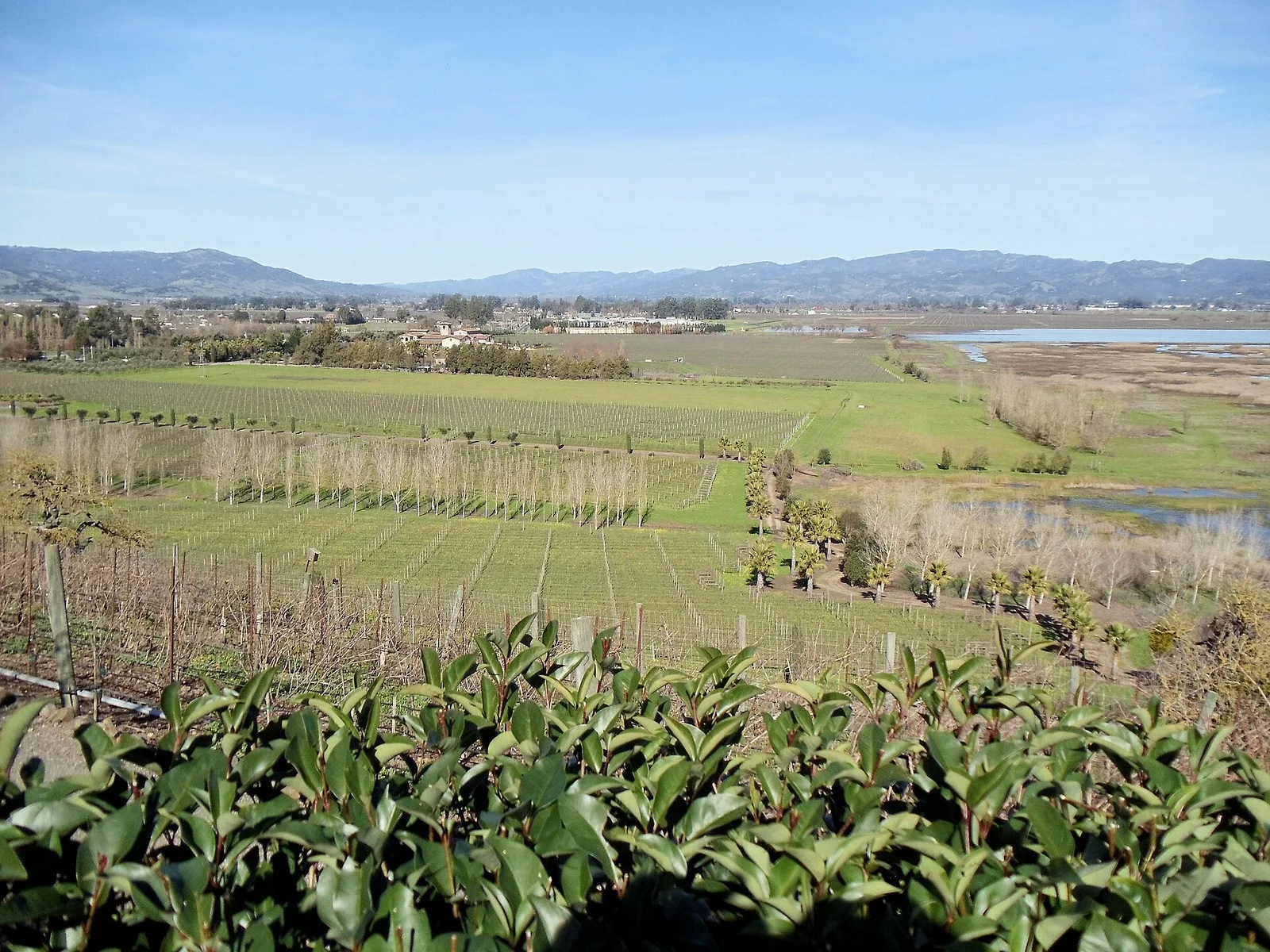
Wine country is not only California, and the regions outside California are where I have had some of my most surprising tastings. The Finger Lakes, New York, around Seneca Lake, New York and Cayuga Lake, New York, make Riesling in a cool climate, with lake views and small towns that feel nothing like Napa. I taste in the morning, I eat lunch in a lake town, and I walk along the water in the afternoon, because the lakes are half the trip.
Virginia wine country, around Charlottesville, Virginia, gives you rolling hills, historic towns, and tasting rooms close to Washington, District of Columbia, which makes it an easy weekend for East Coast travelers. I spent a fall weekend there once, tasting in the morning, walking a historic main street in the afternoon, and eating dinner in Charlottesville, and the trip felt complete without a single famous label.
Walla Walla, Washington, in the Walla Walla Valley, Washington, is a longer trip for most people, and it rewards the effort with Syrah and Cabernet Sauvignon in a small town that takes wine seriously without taking itself too seriously. I book Walla Walla for a long weekend, not a day trip, because the town deserves two days, and the drive in deserves a slow pace.
For a weekend trip pattern that works in any of these regions, my guide to weekend trips USA covers the same base town logic I use here: one town, two tastings a day, food in between, and a walk in the evening. The region changes, the pattern holds.
What the Season Changes About a Wine Weekend
Season changes wine country more than most visitors expect, and I plan around it. Harvest, in late summer and early fall, is the busiest and most exciting time, with crush activity in the vineyards and tasting rooms full of energy. It is also the most crowded and the most expensive, and I book harvest trips well in advance, with tastings reserved and a room in town.
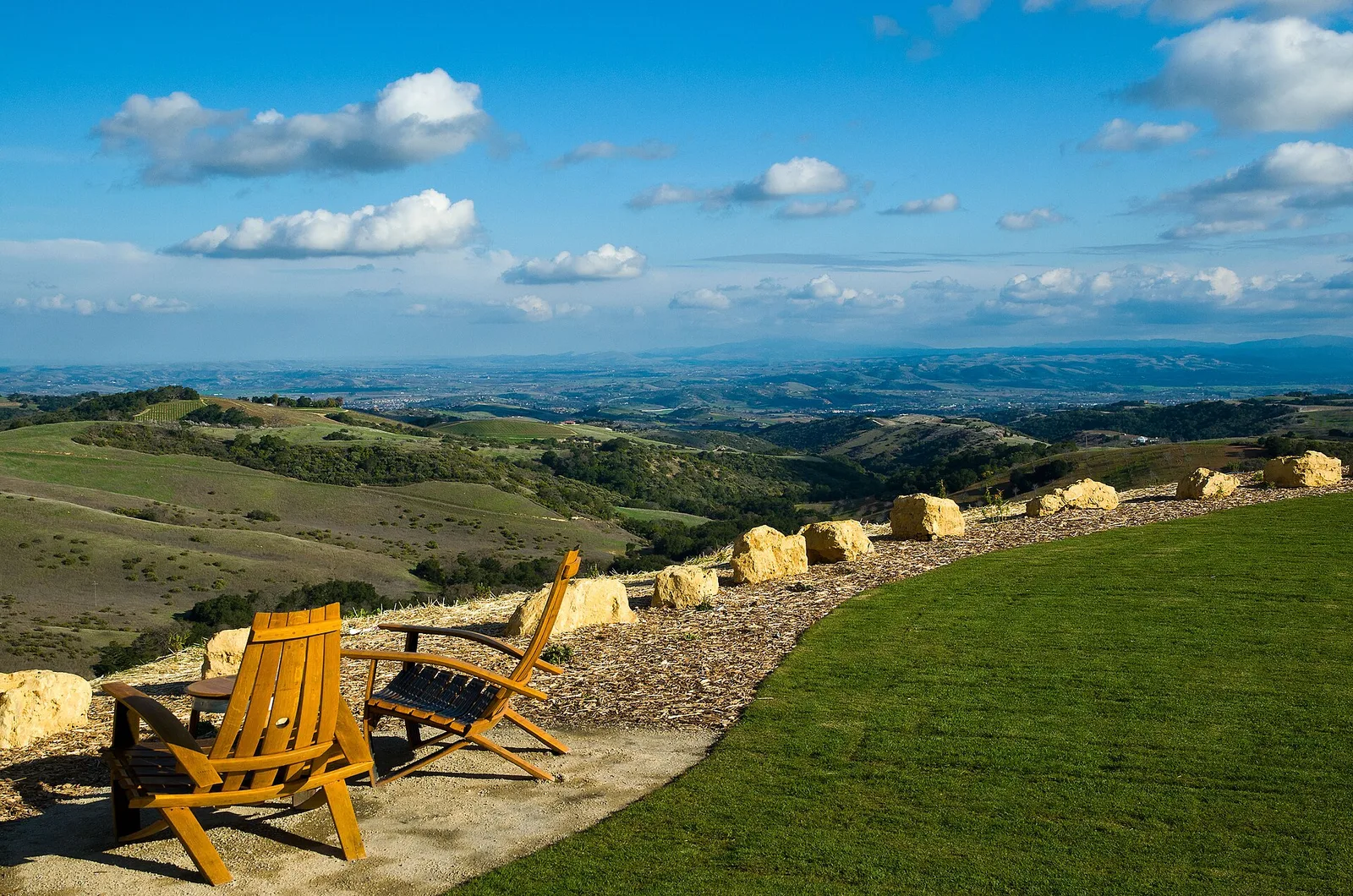
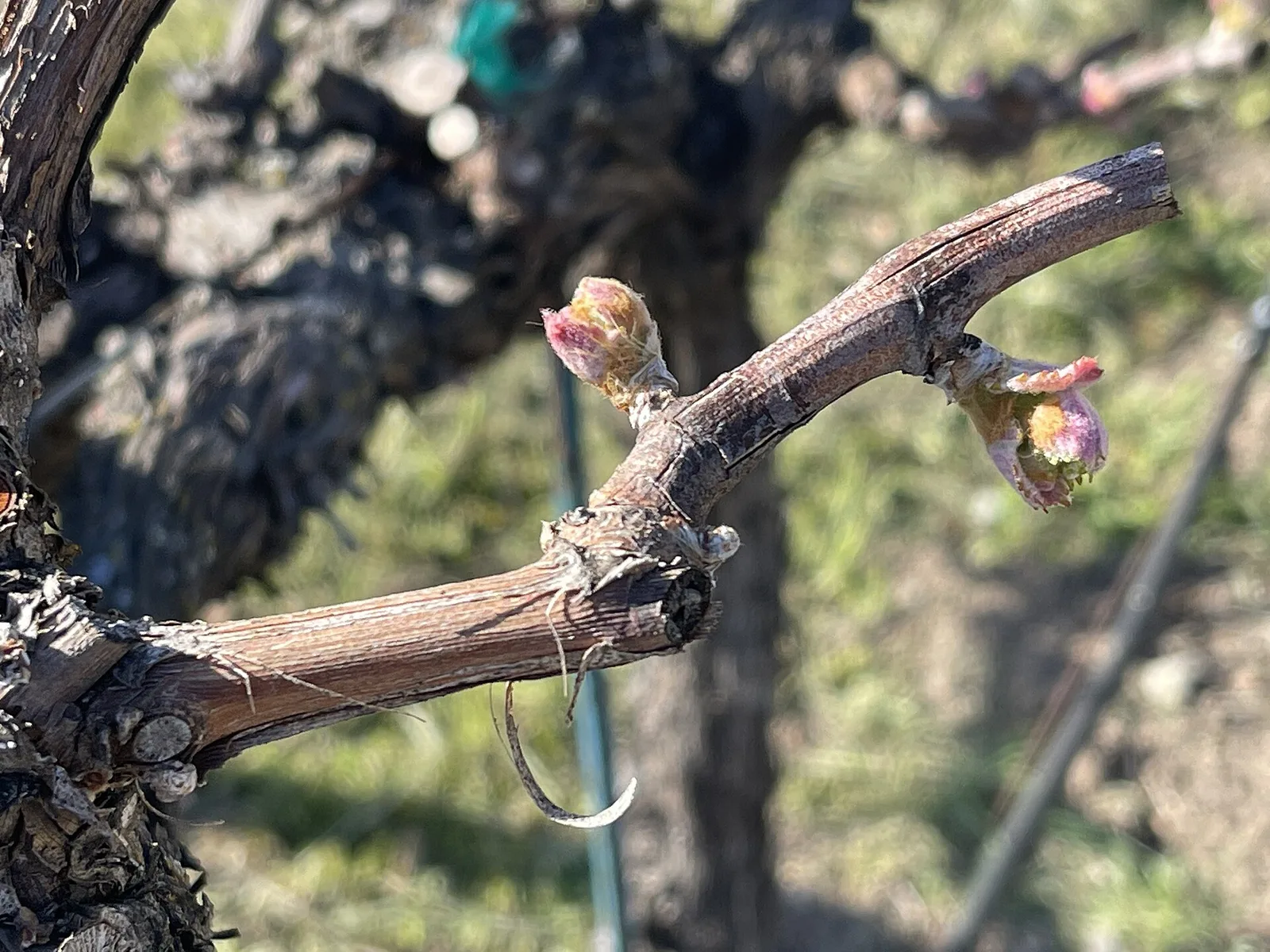
Winter is my quiet pick for wine country, especially in California, where the vines are bare but the tasting rooms are calm and the winemakers have time to talk. I taste in winter when I want conversation, not crowds, and I accept that the landscape looks different, with brown hills and bare vines, in exchange for a slower day.
Spring brings green vines and wildflowers, and it is a good compromise between harvest crowds and winter quiet. I pick spring for a first trip to a new region, because the weather is mild, the tasting rooms are open, and the towns are lively without being full.
Summer is hot in inland valleys, and I plan summer tastings for the morning, with lunch and a siesta in the afternoon, and a walk in the evening when the air cools. I also drink more water in summer tastings, because heat and tasting do not mix well, and a headache in a hot valley ruins a good wine day.
What to Eat, What to Bring, and What to Skip
Food is half a wine trip, and I plan it with the same care as the tastings. I eat a real breakfast, I book lunch in advance in small towns, and I never taste on an empty stomach. I also carry water, a snack, and a notebook, because a tasting without food and notes is a blur by dinner.
I bring layers, because wine valleys cool fast in the evening, even in summer, and a tasting room patio that felt warm at noon feels cold at six. I bring comfortable shoes, because vineyard walks are on gravel and hills, not on flat floors, and I leave the fancy shoes at home.
I skip tasting rooms that rush you through a flight without talking about the wine, because a rushed tasting teaches nothing and costs as much as a slow one. I also skip the most famous tasting room in a region if the only reason to go is the name, because a smaller producer nearby often pours better wine and has time to explain it.
For California scenery and town ideas beyond wine, my guide to beautiful places California covers the coastal and valley towns that pair well with a wine weekend, which is useful when you want a non-wine day in the middle of a wine trip.
Wine Country Questions I Get Before a First Trip
Is Napa worth the cost for a first wine trip?
Yes, once, if you pick one famous tasting and accept the price, but Sonoma is the better first trip for most people, with lower costs, calmer rooms, and a wider range of wines. I tell friends to start in Sonoma, then add Napa for a special day, rather than starting in Napa and feeling rushed and overcharged.
How many tastings should I book in a day?
Two at most, and one is better, with food and water in between. Your palate tires, your attention fades, and a third tasting rarely adds anything except a headache. Book the morning tasting, eat lunch, walk, and then decide if you still want a second one in the afternoon.
Do I need a tour, or can I drive myself?
You can drive yourself if you taste lightly, eat, and stop early, but a tour or a designated driver is the safer pick for more than one tasting in a day. I book a driver when I plan two tastings, because country roads and tasting do not mix, and a driver lets everyone in the group taste equally.
The Wine Trip I Would Book Again Tomorrow
If I had one wine weekend and no constraints, I would book a room in Sonoma town, California, taste in the morning, walk the plaza in the afternoon, and eat dinner in town, with one famous producer and one small producer across the weekend. I would take notes, I would drink water, and I would leave one afternoon completely open, because the best wine days are the ones you do not overplan.
If I wanted a new region, I would pick the Finger Lakes, New York, for a long weekend, with lake towns as the base and Riesling as the theme, because the lakes change the trip from a tasting tour into a place trip. For transport, my guide to best Amtrak routes is useful for the train legs that pair with a wine weekend, especially where a train into a valley town beats driving the whole way. Pick one valley, stay in one town, and taste slowly. That is the whole plan, and it works every time I follow it.