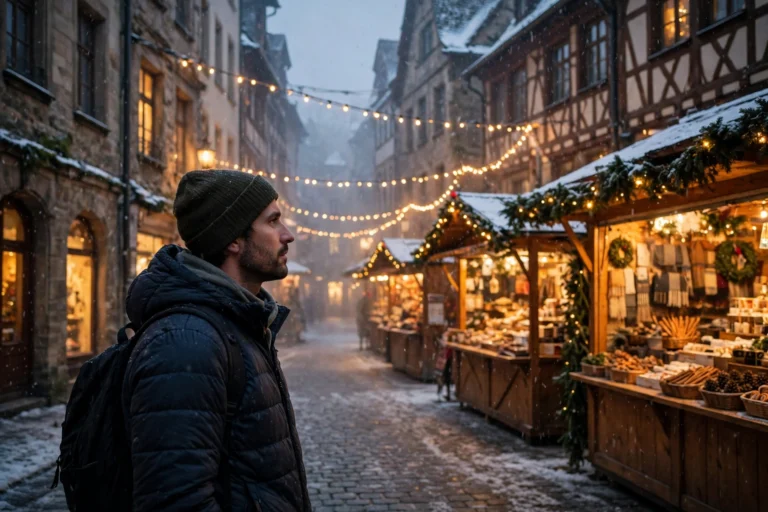
Winter Cities Europe Reward the Traveler Who Packs for Darkness
I used to treat Europe as a summer trip and nothing else, and I paid for that mistake with crowds, prices, and sunburn. Then I spent one December week moving between Vienna and Prague in freezing fog, and I came home convinced that winter cities Europe keeps its best version for the cold months. The markets, the empty museums, the light at 4 pm: none of it works in July. This is the trip I wish someone had talked me into five years earlier.
Winter Cities Europe, Ranked by What You Get
I rank these six on five things: how good the markets are, how walkable the center stays in cold and ice, how the city handles darkness, whether the food is built for winter, and how much still runs in January after the decorations come down. December gets all the attention, but a city that empties out in January is a different trip, and I say so below. Six cities made the cut because twelve would have been a list of names, not a plan you can use.
Vienna, Austria
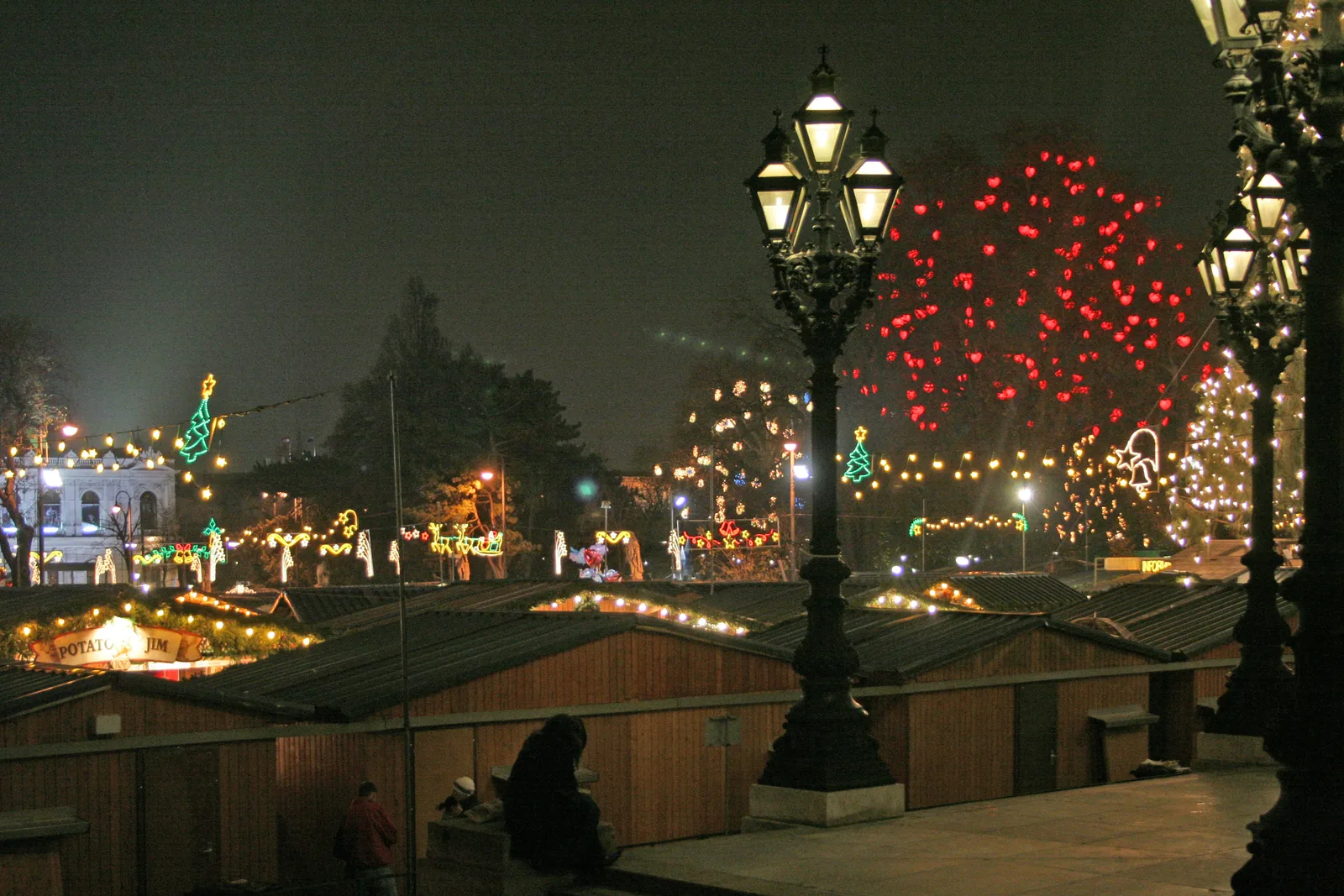
Vienna is the city I send first-timers to, because it treats winter as a season to enjoy rather than endure. The coffee houses do the heavy lifting: you order a Melange, the waiter leaves you alone for an hour, and the cold outside turns into something you watch through the window instead of something you fight. The Vienna tourist board lists market dates and opening hours, and I check it every year before I book because a few markets close right after Christmas while others run into January.
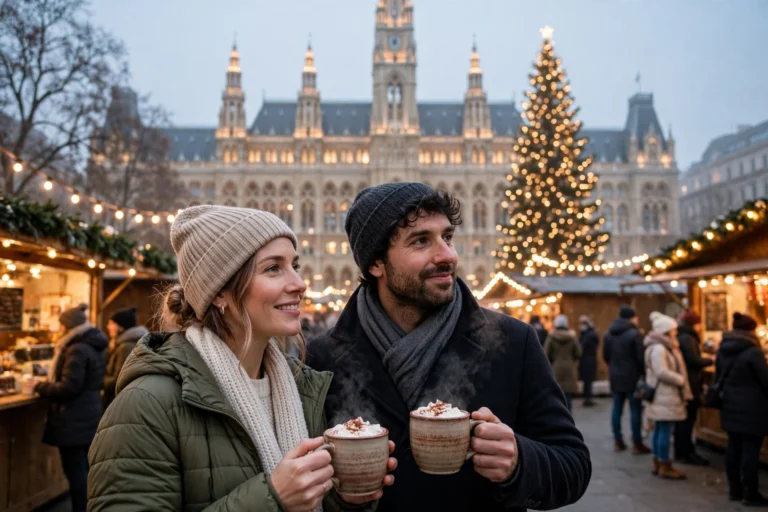
My favorite evening is the Rathausplatz market, where the rink in front of City Hall fills with skaters and the stalls sell roasted chestnuts and hot punch. Schönbrunn Palace and the Belvedere look better with bare trees and thin crowds, and in January you can walk into both without the summer lines. The honest downside is the gray: Vienna in December can go days without real sun, and if that wears on you, plan a museum day in the middle of the trip.
Prague, Czech Republic
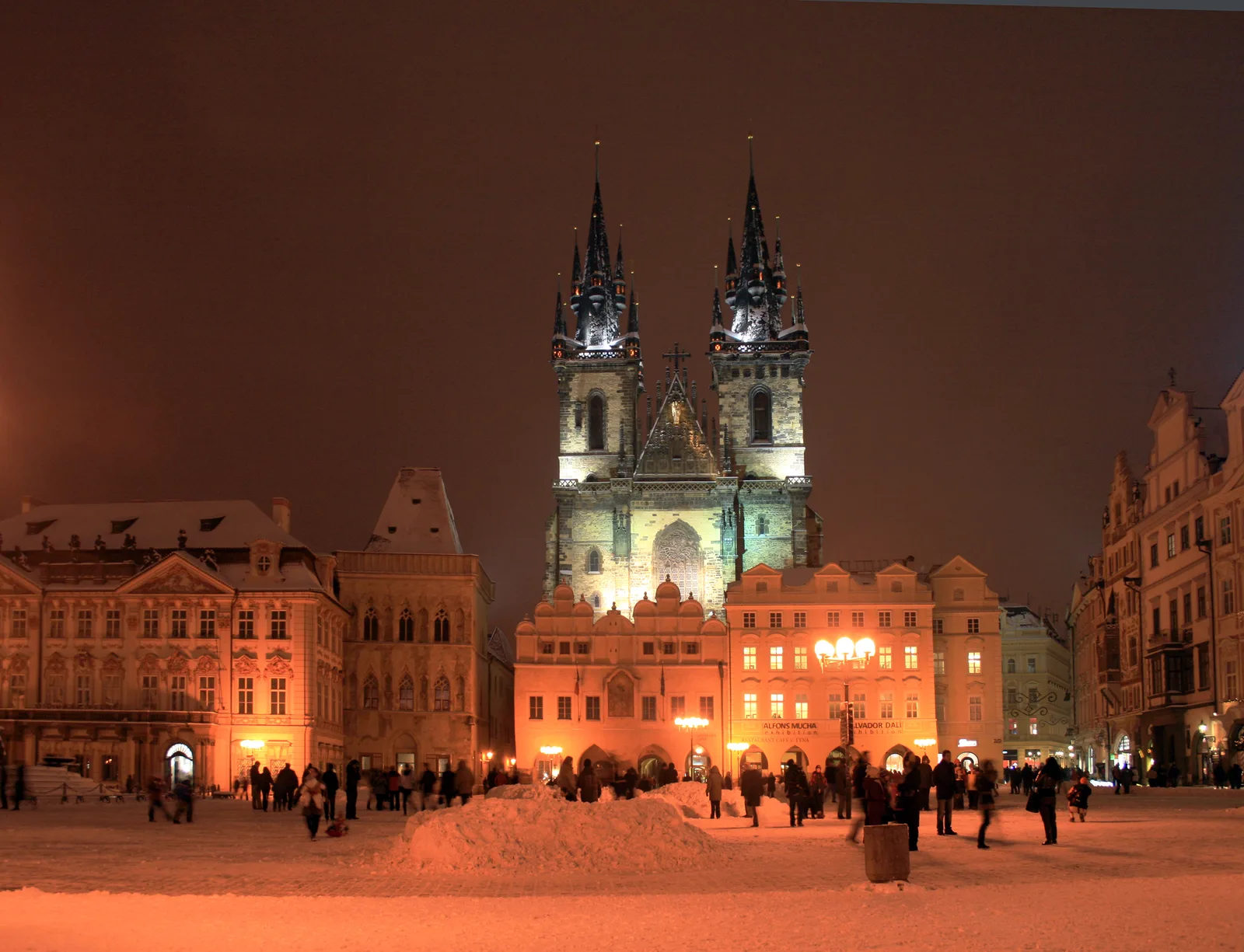
Prague is the prettiest of the six and the easiest to get wrong. The Old Town Square market is gorgeous and crowded, so I go early, buy a chimney cake from a stall, and leave the square to the tour groups by late morning. The official Prague tourism site posts market hours and winter opening times for the big sights, which saves a wasted walk. Charles Bridge at dawn, nearly empty, is the Prague I remember best, and it costs nothing.
January is my favorite month here: hotel rates drop, the bridge stays quiet, and the pubs serve food that makes sense in cold weather, heavy and cheap. The downside is ice. The cobbles get slick, so bring shoes with real grip and skip the dress shoes. Prague rewards slow walkers and punishes anyone in a hurry.
Strasbourg, France
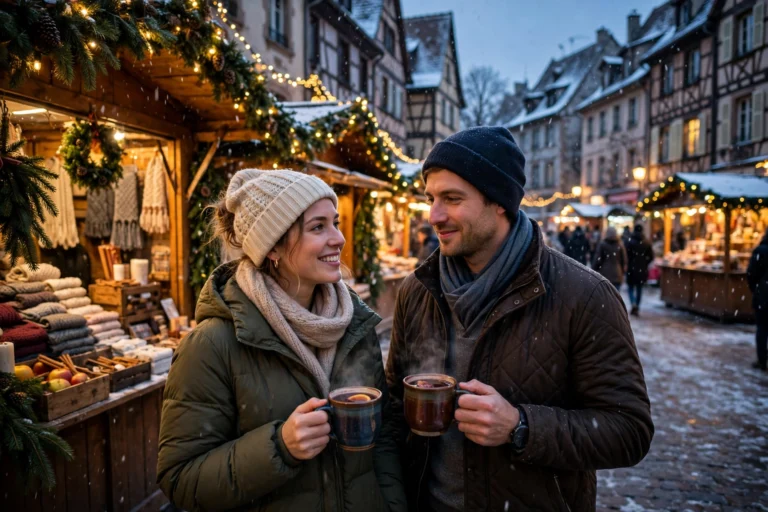
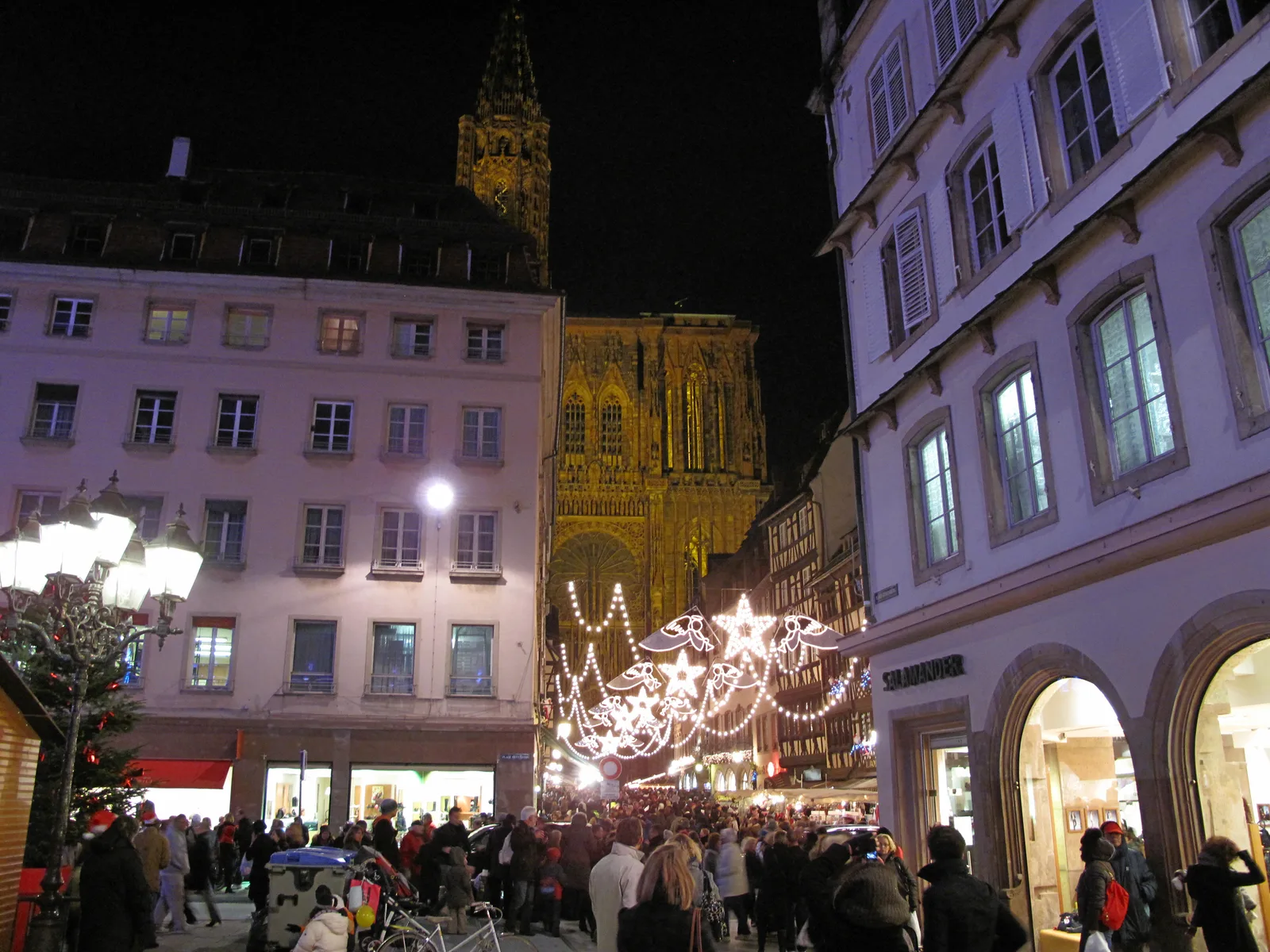
Strasbourg calls itself the Capital of Christmas, and for once the slogan undersells it. The whole center becomes a market, not just one square, and the half-timbered lanes of Petite France look like they were built for December light. Strasbourg’s official Christmas site lists every market location and date, and I use it to plan around Saturday afternoons, when the crowds get thick. The cathedral square at dusk, with the single spire lit, is the single best view on this list.
Eat tarte flambée standing up at a stall, then sit down somewhere warm for choucroute. The honest problem is size: Strasbourg is small, and two full days cover it, so pair it with Colmar by train or fold it into a longer Alsace trip rather than flying across an ocean for one town alone.
Copenhagen, Denmark
Copenhagen is the city that taught me darkness can be a feature. December gives you about seven hours of daylight, and the Danes answer with candles, Tivoli Gardens, and food meant for cold nights. Visit Copenhagen keeps the winter opening hours for Tivoli and the museums in one place, which matters because winter hours change a lot here. I walked everywhere and skipped the bike: cycling in icy wind is a local skill, not a tourist activity.
Nyhavn in winter is quieter than the postcards suggest, and I like it better that way. The houses still look painted, the boats still bob, and you can get a table without a queue. The downside is price. Copenhagen is the most expensive city on this list by a clear margin, so I budget for one good dinner a day and eat bakery food the rest of the time.
Edinburgh, Scotland
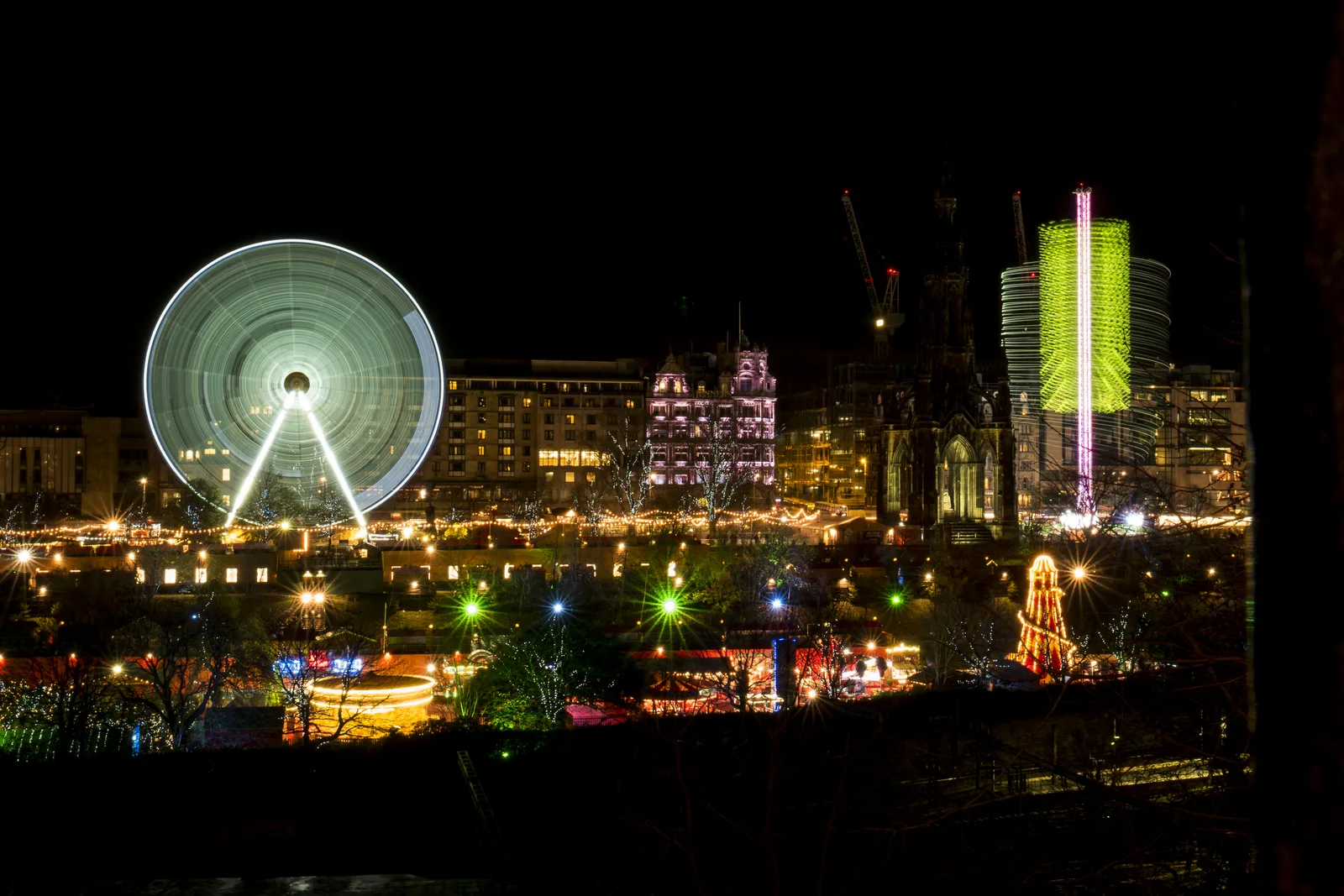
Edinburgh is the loudest of the six, and I mean that as praise. The Christmas market runs along Princes Street under the castle, and Hogmanay, the New Year street party, is ticketed and huge. I went once, and the fireworks over the castle at midnight were worth the crush, but I would not bring small kids into the street party itself.
The Royal Mile in winter wind is a different test: the wind cuts through a coat that felt fine in Vienna, so bring a real winter coat, not a fashion one. Arthur’s Seat on a clear winter morning gives you the whole city in one look, and the climb takes under an hour for most walkers. The downside, beyond wind, is rain that arrives sideways, so pack a hood, not an umbrella.
Tallinn, Estonia
Tallinn is the coldest city on this list and the easiest to love in a short trip. The Town Hall Square market is small, old, and ringed by merchant houses, and the whole old town is walkable in an afternoon. Tallinn sits among the coldest European capitals in winter, and you feel it on the walls: the wind off the Baltic finds every gap in your coat.
The upside of that cold is quiet. Even in December, Tallinn never feels packed the way Prague does, and prices sit well below Copenhagen or Vienna. The downside is daylight, which shrinks to about six hours around the solstice, so I plan one outdoor walk and one warm museum or cafe stop per day and never try to do more.
December, January, or February: Picking Your Weeks
December is for markets and atmosphere, and it costs the most: hotel rates peak on market weekends, and Saturday crowds in Strasbourg and Prague get thick. January is my pick for value and quiet, with the trade-off that some markets close after Christmas and a few sights switch to shorter winter hours. February is the coldest and cheapest month, and it suits travelers who want snow odds and empty streets more than they want market stalls.
If your dates fall in late fall rather than deep winter, I keep a separate list of places to visit in November USA for readers staying stateside, because November rewards a different kind of trip. For Europe, though, the week between Christmas and New Year is the one week I would avoid unless you love crowds: everything is open, everything is full, and nothing is cheap.
Daylight shapes every plan here. Copenhagen and Edinburgh give you roughly seven hours in December, Tallinn about six, and Vienna and Prague a little more. I plan one outdoor sight and one indoor sight per day, and I never book a walking tour for the last light of the day, because winter light fades fast and a rushed tour in the dark is a wasted ticket.
The Snow Question, Answered Honestly
No city on this list guarantees snow in December, and anyone promising a white Christmas in a specific city is selling you something. Your best odds for the snowiest cities to visit in Europe are Tallinn and Edinburgh in January or February, with Prague a reasonable bet in a cold year. Vienna and Strasbourg more often get cold rain than snow, and I plan for rain and treat snow as a bonus.
If snow is what matters most, add a mountain day rather than betting a city break on it: a train into the Alps from Vienna or Strasbourg turns a gray day into a white one, and you sleep back in the city. That is the honest version of a snow trip, and it has never failed me.

What a US Winter Trip Costs
Winter fares from the US East Coast to Vienna, Prague, or Copenhagen usually run below summer fares, and the flight runs about seven to eight hours nonstop where nonstop service exists. I book the flight first, then a hotel near the old town rather than near the airport, because winter trips live or die on how far you walk in the cold. Markets are mostly free to enter, so your daily spend goes to food, hot drinks, rink entry, and museum tickets, not admission gates.
The hidden cost is clothing. If you do not own a warm coat, waterproof shoes, and a real hat, buy them before you fly, because European winter gear in tourist shops costs more and fits worse. Pack light otherwise: one bag you can carry up station stairs beats a big suitcase on icy platforms.
The Markets Worth Standing in the Cold For
Christmas markets in European cities work because they are built for locals first: craftspeople selling real work, food stalls with one or two specialties done well, and no entry fee at most of them. I eat one hot meal at the stalls, drink one hot punch, and buy one thing I can carry home, and then I leave before the cold settles in my shoes. Two hours at a market beats four.
I love the US versions too, and I have written about Christmas markets USA for readers who want the same feeling closer to home. The difference is scale and age: the European markets run longer, spread wider, and sit inside old towns that were built before cars, which changes how the whole evening feels.

If You’d Rather Skip the Cold
If reading this far made you colder instead of keener, I understand, and winter travel is not a test you have to pass. I keep a guide to warm winter vacations USA for exactly that reader, and a warm beach in January beats a cold city you resent. Pick the trip you will enjoy, not the trip that sounds impressive.
The honest negatives of this trip, collected: short days, rain that feels colder than the temperature suggests, market crowds on Saturdays, and winter hours that close a sight you walked across town to see. None of them ruined a trip for me, but all of them shaped one, and a traveler who hates cold should believe that before booking.
Questions I Get About Winter in Europe
Do I need a car? No. Every city on this list runs on walking and trams, and a car in an old town in winter is a burden, not a help. I use trains between cities and trams inside them, and I have never missed a car. The one exception is a mountain day trip, where a train still works fine.
Is December too crowded? On Saturdays, yes, at the biggest markets. On weekday mornings, no. I plan market visits for weekday evenings, museum visits for Saturday mornings, and I book hotels early for market weekends. January removes the problem entirely, which is why it is my favorite month here.
What should I pack? A warm coat, waterproof shoes with grip, a hat, gloves, and layers you can add indoors, because museums and cafes run warm. Skip the umbrella, since winter wind breaks them, and bring a small bag you can carry up icy station stairs without a struggle.
The Trip I’d Book First
If I had one week and had never done this trip, I would fly into Vienna, spend three nights there, take the train to Prague for three more, and fly home from Prague. The train takes about four hours, the two cities feel completely different, and you get markets, coffee houses, and a bridge at dawn in a single trip. Book the flight first, then a hotel near each old town, then check market dates before you lock anything else.
Winter in Europe is not a consolation prize for missing summer. It is a different trip, quieter, colder, and in the right cities, better. Pack for darkness, plan for short days, and go.