Three Weeks in the Cheapest Cities Europe Has, on a Paris Long-Weekend Budget
I spent three weeks crossing Europe on a budget that would barely cover a long weekend in Paris, and the trip never felt cheap. The food was good, the rooms were clean, and I never skipped a museum over the ticket price. The cheapest cities Europe still offers let you spend less and still get the full trip. These eight are the ones I would send a friend to first, ranked by what a day on the ground really costs.
Why These Are the Cheapest Cities Europe Has to Offer
Price is not the only reason a city lands on this list. A place can be cheap and still be a bad trip if the food is bland, the streets feel unsafe after dark, or everything worth seeing sits an hour outside town. Every city below passed three tests on my own visits: a bed, a meal, and a ticket to something worth seeing.
Cities east of Vienna run on lower wages and lower rents, so the savings show up in every price you touch. Capitals like Lisbon and Warsaw still undercut Paris and Amsterdam by a wide margin. Prices move, though, so I have flagged every price here for a check before publishing.
Krakow, Poland: Big Meals, Small Bills
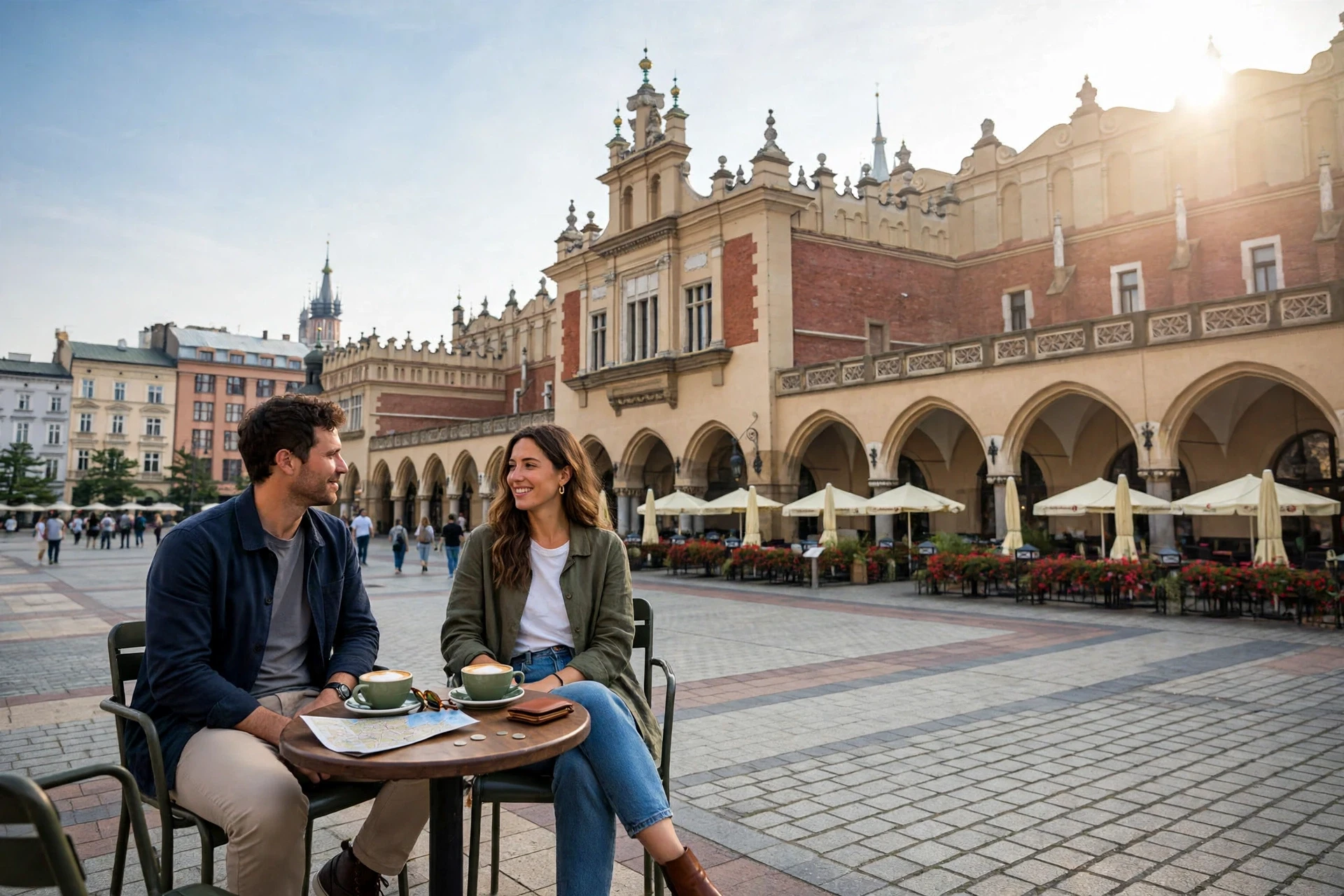
Krakow was the first place in Europe where I stopped converting prices in my head. A filling lunch of pierogi and soup in the Old Town ran about 8 to 12 euros, and a private room near the Main Market Square cost roughly 35 to 50 euros a night. The Wawel Castle grounds are free to walk.
I walked the Planty Park ring before the tour groups arrived, then crossed the Vistula River to Kazimierz, the old Jewish quarter, where a tiny place on Szeroka Street served potato pancakes for the price of a coffee back home.
The Main Market Square in July is packed shoulder to shoulder by midday, and the louder bars around the square feel built for stag parties, not travelers. I stayed in Kazimierz and walked in early.
The official tourism site lists opening hours and current ticket prices: Krakow official tourism site
Budapest, Hungary: Thermal Baths for the Price of Lunch
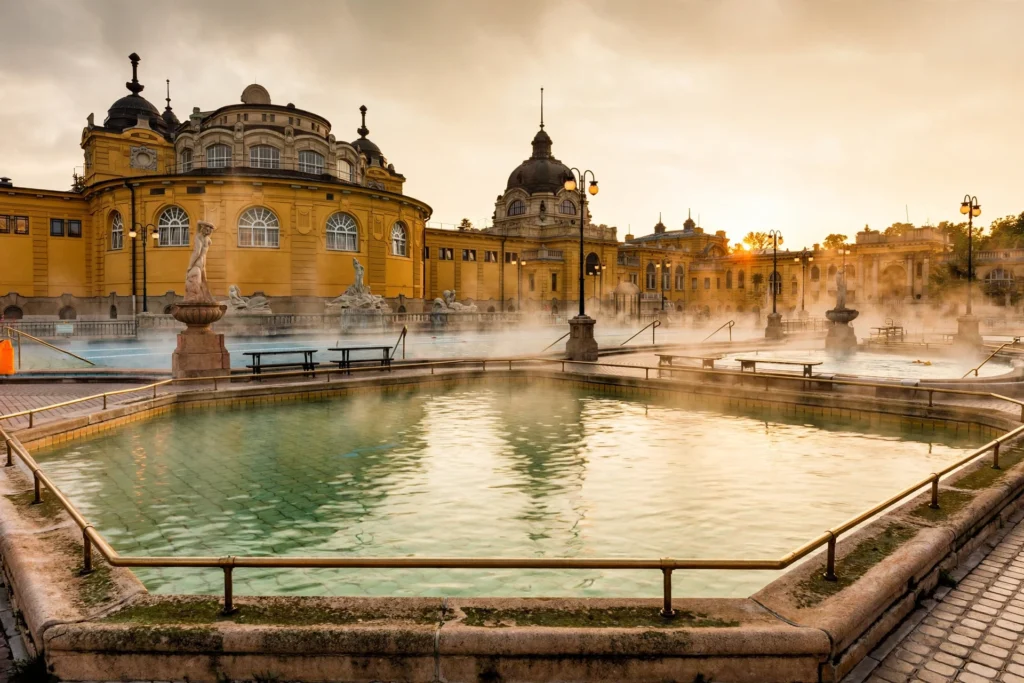
Budapest gives you the grandest setting on this list for the least money. The Danube splits the city into hilly Buda and flat Pest, and the chain bridges between them cost nothing to cross on foot. I spent a full afternoon in the Szechenyi Thermal Bath, an outdoor pool complex in City Park, for roughly the price of a sandwich in Vienna.
Food is where Budapest wins daily. A bowl of goulash with bread in a market hall ran 6 to 9 euros. The Great Market Hall on Fovam Square is worth a visit even if you buy nothing. I took the tram along the Danube at sunset, a ride that costs about a euro and gives you the Parliament Building lit up across the river.
The ruin bar district in the Jewish Quarter is fun once, and the second night the prices and the noise start to feel like a trap. Some thermal baths also add weekend surcharges, so check the day before you go.
The official tourism board lists bath hours and ticket prices: Budapest official tourism site
Lisbon, Portugal: The Cheapest Capital in Western Europe
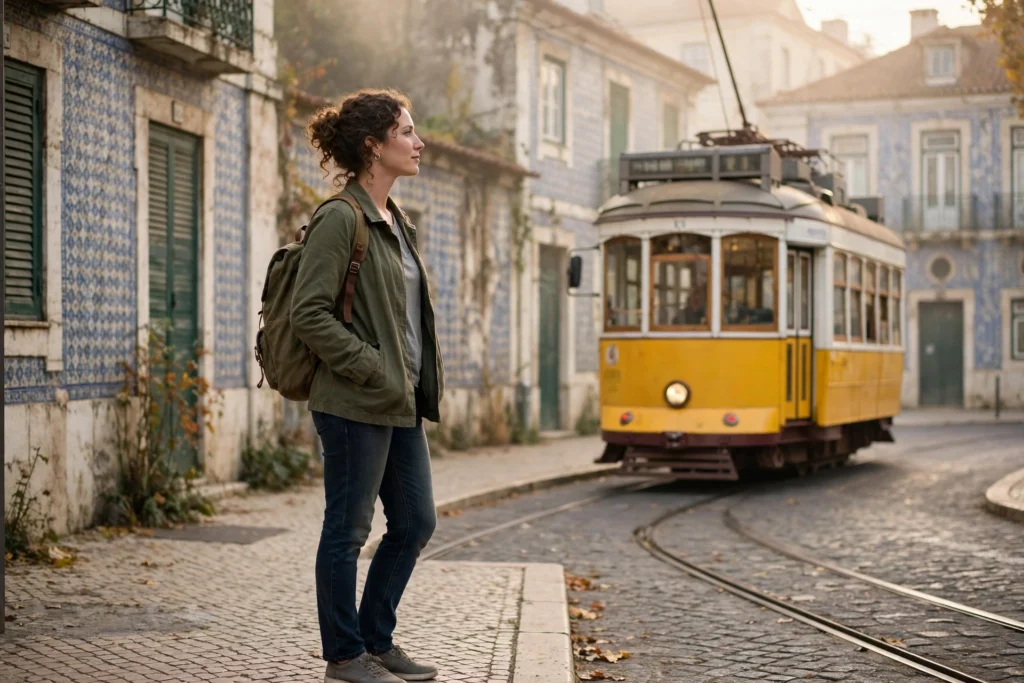
Lisbon is the cheapest capital to visit in Europe on the western side of the map, and it does not feel like a compromise. Tram 28 rattles through Alfama, the oldest quarter, past laundry lines and tiny squares, for the price of a single metro ticket. I rode it early, before 8 in the morning, when the only other passengers were locals heading to work. The Miradouro da Graca viewpoint costs nothing and shows you the whole terracotta roofline in one look.
Lunch is the budget move here. A grilled sardine plate ran 8 to 11 euros in the side streets off the main squares, while the same meal on Rua Augusta cost nearly double. I stayed in a guesthouse in Graca, a ten-minute walk uphill from the center, for about 45 to 60 euros a night.
The line for the Santa Justa Lift can eat an hour of your day, and I skipped it without regret because the Elevador da Gloria gives you a similar climb for a normal fare. Book rooms early for June and September, when prices jump.
The official tourism board lists viewpoints, tram routes, and free events: Visit Lisboa official site
Sofia, Bulgaria: Mountains, Monasteries, and Four-Euro Dinners
Sofia is the city on this list most travelers skip, and that is exactly why it stays cheap. A full dinner with a drink in the center ran 5 to 8 euros. The Alexander Nevsky Cathedral, one of the largest Orthodox churches in the world, is free to enter, and its gold domes dominate the skyline from half the city. I walked from the cathedral to the National Palace of Culture in twenty minutes, past Roman ruins under a glass floor in the metro station.
The best day trip from Sofia is also the cheapest. A bus to the Rila Monastery, about two hours south in the Rila Mountains, costs a few euros each way, and the monastery itself is free to enter. I went on a weekday and had the painted courtyard nearly to myself.
Sofia has rough edges. Some pavements are uneven, English is less common outside the center, and the winter air can be grey. Bring cash for small cafes.
Bucharest, Romania: Grand Boulevards on a Small Budget
Bucharest surprised me. I expected a grey post-communist capital and found wide boulevards, Belle Epoque mansions, and the largest administrative building in the world, the Palace of the Parliament. A guided tour of the palace costs a few euros and takes you through halls so large they feel empty on purpose. I booked the morning slot, when the groups are smaller.
The Old Town around Lipscani Street is compact and walkable, and a three-course lunch there ran 7 to 10 euros. I stayed in a small hotel near University Square for about 40 to 55 euros a night, breakfast included. The Herastrau Park on the north side of the city is where locals go on Sundays, and the lake paths are free and quiet.
Bucharest is not polished. Some buildings are still scarred and empty, and the traffic is loud. The metro is fast and cheap, though.

Belgrade, Serbia: The Best Value on the Danube
Belgrade sits where the Sava River meets the Danube, and the Kalemegdan Fortress on that meeting point is free to walk at any hour. I went at sunset and watched the two rivers run different colors side by side. Below the fortress, the Knez Mihailova pedestrian street runs to Republic Square, and the cafes along it serve coffee for about 1 to 2 euros.
Food in Belgrade is generous and cheap. A plate of grilled meat with bread and salad ran 6 to 9 euros, and the portions were large enough that I skipped lunch the next day more than once. The Skadarlija quarter, a cobbled lane of old taverns with live music, is the place to go in the evening. I paid about 30 to 45 euros a night for a clean private room nearby.
Belgrade is not a pretty postcard town, and some visitors find the concrete blocks outside the center hard to love. I liked it precisely because it feels lived in rather than staged. Summer brings river parties on the floating clubs, which are loud late at night, so pick a room away from the riverfront if you want sleep.
Warsaw, Poland: A Rebuilt Capital That Stays Affordable
Warsaw is the most underrated capital on this list. The Old Town, rebuilt brick by brick after the war, is a UNESCO World Heritage site. I spent a morning in the Royal Castle and an afternoon along the Vistula riverfront, where new promenades and beaches fill with locals in summer. A museum ticket ran 5 to 8 euros, and many museums are free on one day a week.
The food scene is the surprise. A proper Polish lunch of soup, dumplings, and compote ran 7 to 11 euros in the milk bars, the old canteens that still serve workers and students. I ate at one near Nowy Swiat three days in a row and never paid more than 8 euros. A private room in a guesthouse near the center cost about 40 to 55 euros a night.
Warsaw in winter is cold and dark early, and the city sprawls, so you will use the metro and the trams. A day ticket covers everything, and the service is cheap and reliable.

Riga, Latvia: Art Nouveau Streets and a Compact Old Town
Riga closes the list with the smallest historic center of the eight, which is part of its charm. The Old Town is flat, walkable, and full of Art Nouveau facades, and the Riga Central Market, housed in five old zeppelin hangars, sells smoked fish, rye bread, and pickles for a few euros. I ate breakfast there twice and paid less than 5 euros each time. A private room near the center ran about 35 to 50 euros a night.
The House of the Blackheads on Town Hall Square is the postcard shot, and the St. Peter’s Church tower gives you the whole city for a small fee. The Alberta Street walk, ten minutes from the Old Town, is the best free attraction in Riga, a single street of ornate early twentieth-century apartment buildings.
Riga is quiet in winter and the days are short, so summer is the better season for a first visit. The city is small enough to see the main sights in two full days.
The official tourism site lists current events and transport passes: Live Riga official site
How I Kept a Day Under 60 Euros
A cheap city only stays cheap if you spend like a local. I set a simple rule on this trip: one paid attraction a day, lunch from a market or a milk bar, and dinner at a place with no English menu on the door. That rule held my daily spend to roughly 45 to 60 euros in every city above, including the room.
Transport is the easiest place to save. I walked everywhere under thirty minutes and bought day passes only when the sights spread out. In Budapest and Warsaw, the day pass paid for itself by the third ride.
Rooms matter more than meals. A private room in a guesthouse beat a hostel dorm for me, because I slept better. I booked two to three weeks ahead, and I checked the map before booking, because a room that sits an hour out costs more in transport and time than a central room at a higher nightly rate.

The Traps That Eat a Budget Fast
The fastest way to blow a budget in a cheap city is to eat and drink where the tour buses stop. The main square in Krakow, the riverfront in Budapest, and the Rua Augusta strip in Lisbon all charge double for food that is worse than the side streets two blocks away. I made the mistake once in each city, then walked one street over and paid half.
Airport transfers are the second trap. A taxi from the airport can cost as much as a night in a guesthouse, while the bus or train into town costs a few euros. The third trap is the hop-on bus tour. It sounds convenient, and it is expensive for what it gives you in cities this walkable. I used the regular city bus instead.
Currency is the last one. Krakow and Warsaw use the zloty, Budapest uses the forint, Sofia uses the lev, Bucharest uses the leu, Belgrade uses the dinar, and Riga and Lisbon use the euro. I paid by card where I could and took cash from ATMs in town, never at the airport.
Questions People Ask Before Booking These Cities
Is Europe still affordable for a budget traveler?
Yes, if you pick the right cities. The eight above run about 45 to 60 euros a day including a private room, roughly half what I spent in Paris or Amsterdam. The savings come from rooms, meals, and transport, not from skipping the sights, because most of the best views and walks are free.
How many days do I need in each city?
Two full days covers Riga and Sofia. Three days suits the other six. Add a day if you want a slow pace or a day trip, like Rila Monastery from Sofia or the Danube Bend from Budapest, and both are easy to reach by bus or train.
Which of these cities is best for a first trip?
Krakow is the easiest first stop, because the center is compact, English is widely spoken, and the food is forgiving. Lisbon is best if you want sun and the sea, and Budapest is best if you want grand architecture on a small budget.
When should I go for the lowest prices?
Late April through May and September through mid-October give you good weather and lower room rates. July and August bring the highest prices and the biggest crowds, especially in Lisbon and Krakow. Winter is cheapest, but the days are short in Riga and Warsaw.
Do I need cash, or will cards work everywhere?
Cards work in hotels, restaurants, and shops in all eight cities. I still carried some cash for market stalls, small cafes, and buses in Sofia and Belgrade. Take cash from a bank ATM in town, not a currency exchange booth at the airport.
Pick One City and Book the Flight
Start with the city that fits the trip you want, not the one with the lowest number. If you want food and history, pick Krakow. If you want baths and grand streets, pick Budapest. If you want sun, pick Lisbon. Book the room two to three weeks ahead, check the airport bus before you land, and eat one street away from the main square. The cheapest cities Europe has left are not a compromise. They are the trip.