Movie Filming Locations USA Are Worth the Drive When You Skip the Tour Bus
I planned a whole road trip around movie filming locations USA, and half of them disappointed me. Not because the places were bad, but because I showed up expecting the movie and found a parking lot, a plaque, and a gift shop. The half that worked changed how I travel. I stood where the camera stood, and the place still had something to say without the film. That is the test I use now, and it is the test behind every pick in this article.
What Movie Filming Locations USA Look Like After the Cameras Leave
A filming location is one of three things, and knowing which one saves you a wasted drive. Some are real places that played themselves, like Monument Valley. Some are sets built for a production and left standing, like parts of a studio backlot. Some are ordinary streets and buildings that borrowed a famous scene for a day and then went back to normal life. The first group rewards a visit on its own merits. The second group is fun if you like seeing how the trick works. The third group is only worth it when it sits on a route you were taking anyway.
I also learned to check what is still there before I go. A bench gets removed. A diner closes. A ranch changes its tour. The movie never changes, but the location does, and the gap between the two is where disappointment lives. When a place still looks, feels, or functions like it did on screen, I rank it high. When all that remains is a sign telling you what used to be there, I tell you to skip it, and I say so below.
Monument Valley, Where the Road Does the Acting
Monument Valley sits on the Utah-Arizona border inside the Navajo Nation, and it has played itself in westerns since John Ford started pointing cameras at it in the 1930s. I drove the 17-mile Valley Drive loop on a clear morning, and the red buttes did not need any help from a film crew. The road is unpaved in stretches, rough enough that I was glad I was not in a low car, and the loop took most of a morning once I stopped at the overlooks.
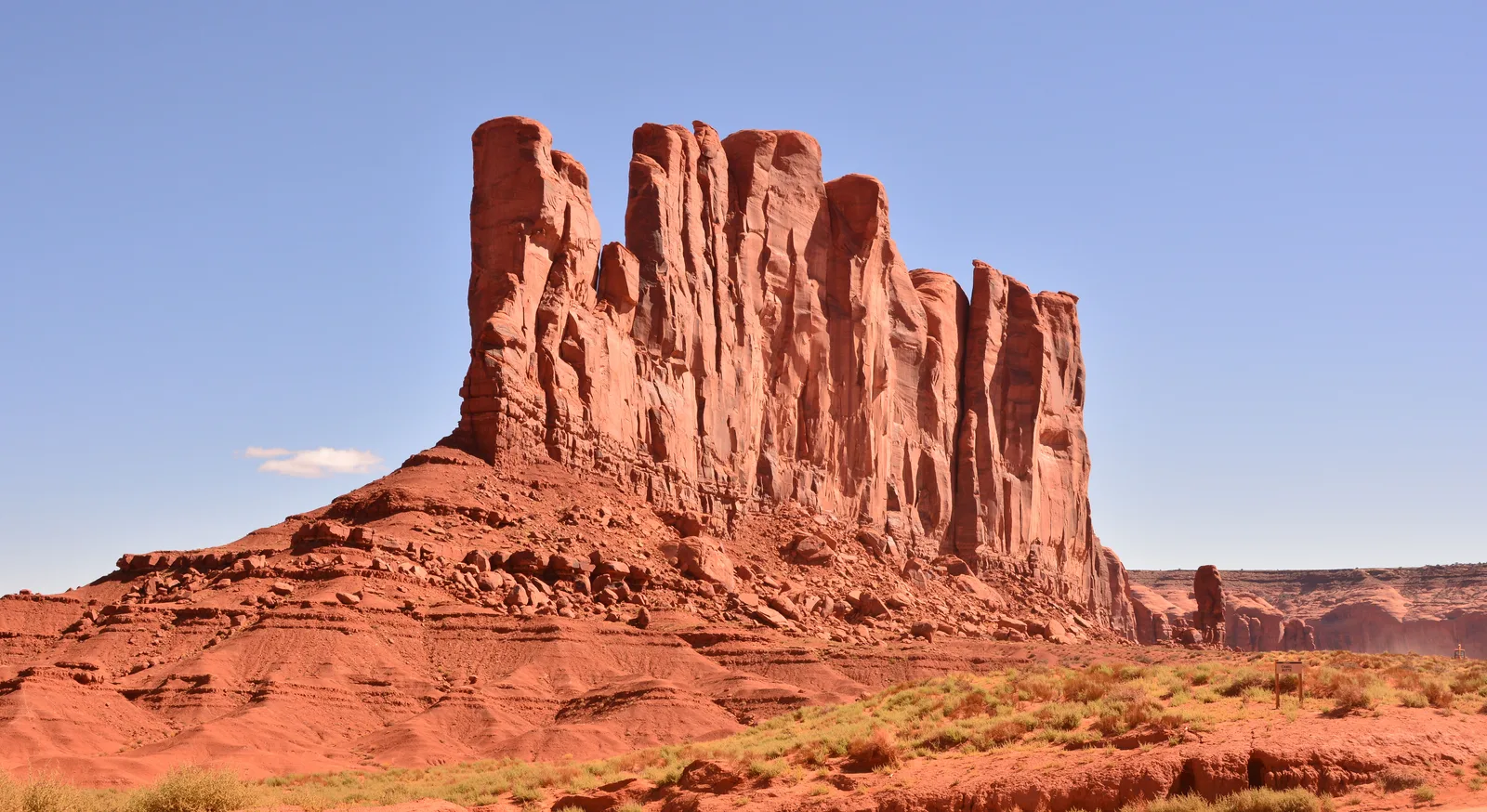
John Ford Point is the stop everyone photographs, and it earns the crowd. The view frames the same buttes you know from Stagecoach and The Searchers, and a Navajo guide station there sells jewelry and answers questions. I hired a Navajo guide for the backcountry portion beyond the self-drive loop, because that part of the valley is closed to unguided visitors, and the guide pointed out formations I would have driven past without a second look. Goulding’s Lodge, just outside the tribal park, has a small museum with Ford-era photographs, and eating lunch on its terrace with the monuments in front of me was the quietest hour of that trip.
Go early. The light is softer, the tour vans are fewer, and the heat in summer builds fast on that open road. Bring water, because there is little shade once you leave the visitor center, and check current road conditions before you set out, since rain can close sections of the loop.
The Navajo Nation Parks site lists current hours, fees, and guided tour rules for the tribal park.
New York Lets You Walk the Scene for Free
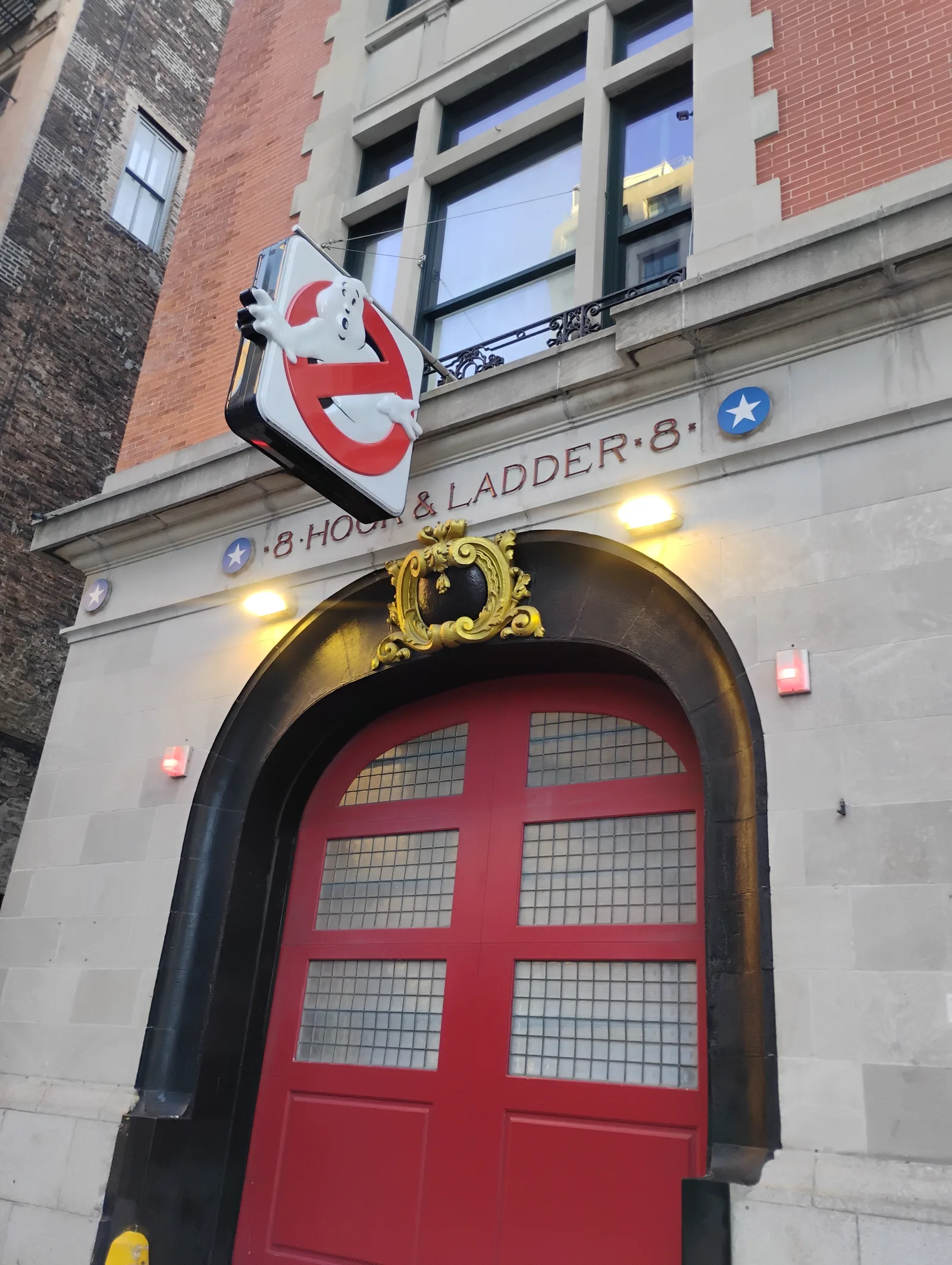
New York is the easiest film city to do on foot, because so much of it was shot on real streets that are still real streets. I started at the Ghostbusters firehouse in Tribeca, which is a working firehouse, Ladder Company 8, and I kept my visit to a quick photo from across the street because firefighters work there and tourists blocking the sidewalk do nobody any favors. That restraint is part of the deal in New York: the city is not a museum, and the best film stops are the ones that let the city keep being a city.
Katz’s Delicatessen on the Lower East Side is the opposite kind of stop, a place that was already famous before When Harry Met Sally and is still crowded for its pastrami, not its movie scene. I ate there at lunch, paid the deli counter prices without flinching, and the table with the small sign marking the scene was occupied by people eating, not posing. Grand Central Terminal is another free one: walk the main concourse, look up at the ceiling, and you have stood in more films than you can count, from North by Northwest to The Avengers, without spending a dollar.
The mistake I see visitors make in New York is building a whole day around film stops and then wondering why the day felt thin. Pick two or three scenes near places you already plan to visit, and let the rest of the city fill the hours between them. A film walk works best as seasoning, not as the main course.
My notes on the traps that waste a New York day, film-related and otherwise, are in my piece on tourist mistakes in New York.
Hawaii’s Valley That Played Everywhere
Kualoa Ranch on Oahu is the answer to a question I get constantly: where was Jurassic Park filmed? The honest answer is that Jurassic Park was filmed in several places, but the valley at Kualoa is the one people picture, the green amphitheater with the ridgeline behind it, and the ranch runs bus tours to the spots where scenes were shot. I took the movie sites tour on a rainy morning, and the rain turned out to be part of the experience: the valley looked lusher wet, the bus windows fogged, and the guide kept the group moving between downpours with stories about which productions used which ridge.
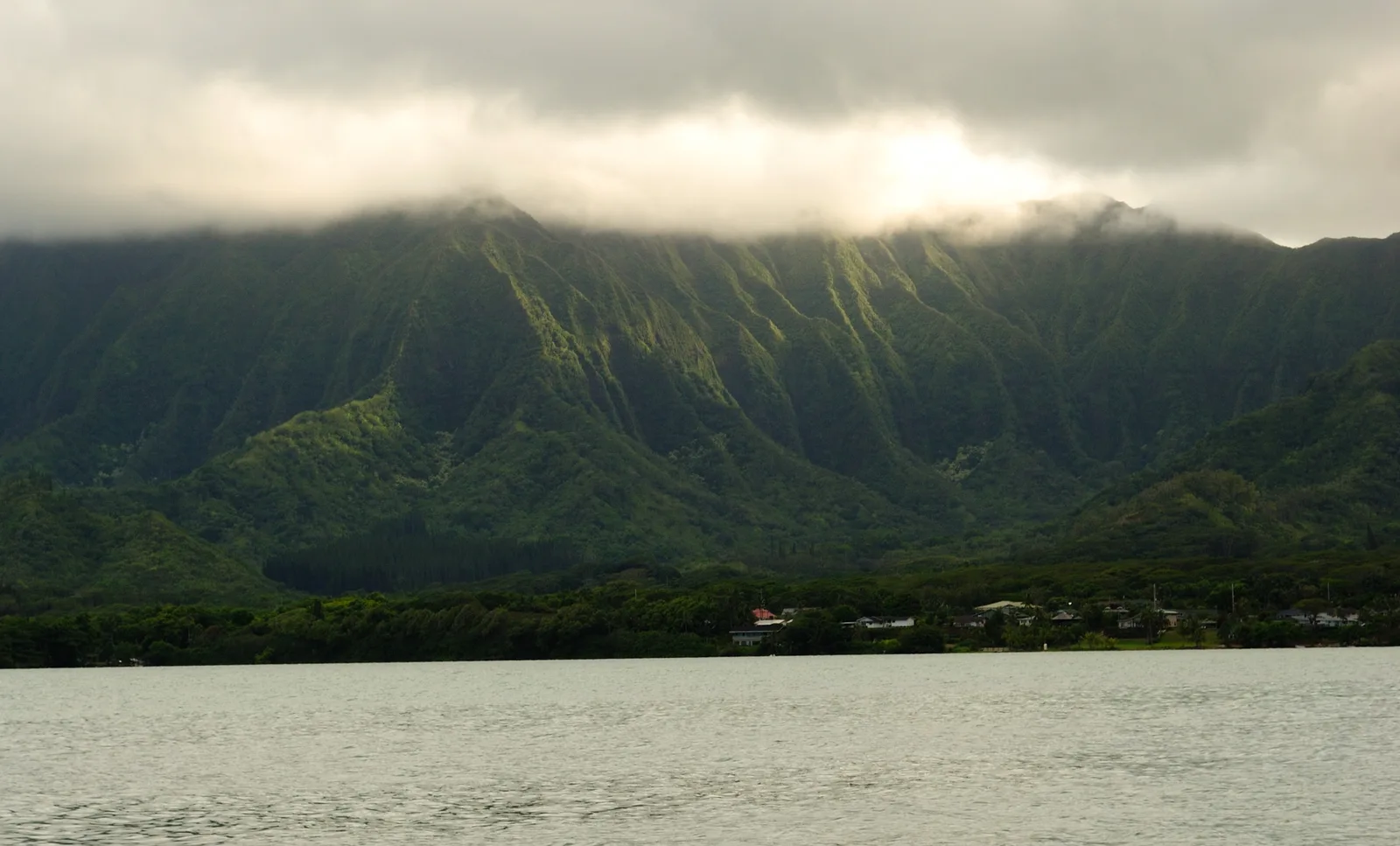
The ranch is a working cattle ranch as well as a tour operation, and that matters for what you see. You ride in a bus or an open vehicle, you stop at marked spots, you take your photo, and you move on. There is no free wandering of the set. I liked it more than I expected because the landscape itself is the star, and the guide was frank about which famous shots were filmed there and which were filmed on other islands or on soundstages.
Book ahead. The movie tour is one of the ranch’s most popular offerings, and walk-up spots on a busy day are not a sure thing. Wear shoes you do not mind getting muddy, and bring a rain layer even when the morning looks clear, because that side of Oahu makes its own weather.
Kualoa Ranch lists its tour options, schedules, and booking rules on the Kualoa Ranch site.
Los Angeles Studio Tours, Ranked by Honesty
Los Angeles has two studio experiences that could not be more different, and the difference decides which one suits you. The Warner Bros. studio tour in Burbank runs through a working lot: soundstages in use, backlot streets, the prop department, and a guide who can tell you what shot yesterday. I went on a weekday morning, and the best moment was not a famous set but a quiet backlot street dressed for a period show, empty, with a crew member moving a lamp. That is what a working studio looks like between takes, and it is more interesting than any replica.
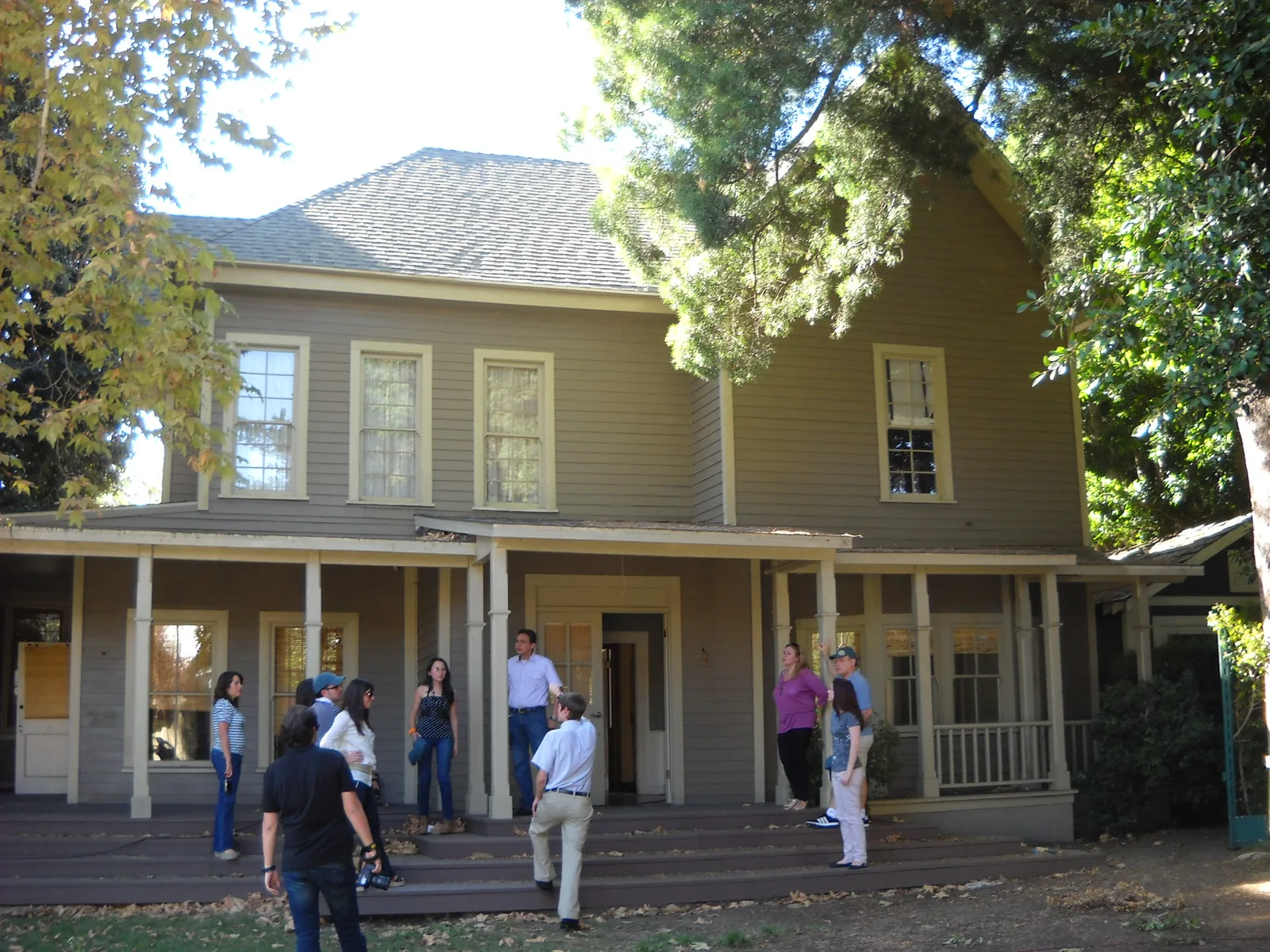
Universal Studios Hollywood is the other choice, and it is a theme park with a studio tram ride attached. The tram takes you past sets, including the Bates Motel and the Jaws lake, with a guide narrating and a few staged effects along the way. I enjoyed it, but I would not call it a studio tour in the same sense as Warner Bros. It is a day out with a film-flavored ride in the middle, and it costs and crowds like a theme park. If you have one day and kids in tow, Universal wins. If you care about how productions work, Warner Bros. wins.
Hollywood studio tours are worth visiting when you match the tour to your interest instead of picking the most famous name. The tram ride entertains. The working lot informs. Both are honest about what they are, and the disappointment comes only when you expect one and get the other.
Warner Bros. posts its tour times and ticket options on its official tour site.
Universal’s official park site covers the studio tour as part of a park visit, with hours and ticket tiers.
California has plenty of screen-worthy landscape beyond the studio gates, and my California picks cover the drives that pair well with a studio day.
The Ones I Would Skip
Savannah, Georgia, taught me the hardest film-location lesson. People go looking for the Forrest Gump bench in Chippewa Square, and the bench is not there. It was a prop, it was removed after filming, and a replica sits in a museum instead. The square itself is lovely, and Savannah is worth a weekend, but driving across town for a bench that never existed as street furniture is a wasted errand. If you are already in Savannah, enjoy the square. Do not make the square the reason for the trip.
I apply the same rule to small towns whose only film claim is a single scene shot decades ago. A town that built nothing around the film, keeps no set, and offers no tour beyond a plaque is a photo stop, not a destination. That does not make the town bad. It makes it a bad film destination. Combine it with something else, a hike, a meal, a museum, or skip it and spend the day somewhere the film is still visible in the landscape.
The other skip is any “movie location tour” that spends more time in a van than at a location. I took one in Los Angeles years ago that narrated drive-by celebrity homes between brief stops, and I left knowing less about film than when I started. A good film tour stops, lets you stand, and tells you what the camera saw. A bad one talks while you watch the city slide past the window.
How to String Them Into One Trip
The smart way to do film locations is to anchor them to a trip you already want. New York film stops fit a city weekend. Monument Valley fits a Utah and Arizona road trip. Kualoa fits an Oahu week. Los Angeles studios fit a Southern California stay. Nobody needs a cross-country film pilgrimage, and the people who try one usually burn out somewhere in Kansas, far from any camera.
If you are crossing the country anyway, the train is the most forgiving way to connect distant stops without adding driving days. I have done long rail legs between cities and used the slower pace to plan the next stop properly, and the train drops you downtown, which matters in cities where parking costs more than lunch. The best Amtrak routes for slow travel are worth checking if you are stitching distant stops together.

For kids, the ranking flips. Children remember Universal’s tram ride and Kualoa’s bus tour far longer than they remember standing on a street where a scene was filmed. Adults remember Monument Valley and the Warner Bros. backlot. Plan for the age group in the car, not for the film buff in your head, and everyone comes home happier.
Budget honestly, too. Studio tours and ranch tours charge admission, and those tickets add up for a family. The free stops, New York streets, Grand Central, Monument Valley’s self-drive loop apart from the park fee, balance the paid ones. Mix one paid experience per trip with free stops, and the trip feels full without feeling expensive.
Questions I Get Asked on the Road
Is one film location enough reason to visit a town? Only if the location is still a real, working place, like Monument Valley or a studio lot. A plaque is not a reason. A landscape is.
Which film spot is best with kids? Kualoa Ranch and Universal Studios Hollywood, because both move, both show things happening, and neither asks a child to admire a building for its movie history. Monument Valley works for older kids who like a long drive and big views.
How far ahead should I book studio and ranch tours? Days ahead in quiet seasons, weeks ahead in summer and around holidays. The popular tours sell out, and same-day tickets are a gamble I stopped taking after getting turned away in peak season.
Can I see real film sets, or just the places? Both, but rarely in the same stop. Studios show sets. Real locations show places. The confusion comes from expecting a set at a real location, or a real town on a backlot.
What should I bring? Comfortable shoes, water, sun protection for desert and ranch stops, and a rain layer for Hawaii. A phone camera is enough. The locations that photograph best are the ones with open sky, not the ones with a famous doorway.
Go See the Place, Not the Poster
If you take one thing from this article, make it this: pick film locations that are worth visiting with the sound off. Monument Valley passes that test. A working studio lot passes it. A New York street passes it, because the street was interesting before the camera arrived. The bench that is not there fails it, and so does any stop that only exists as a caption on a photo you already saw online.
Start with one anchor. For most readers, that is either New York on foot or Monument Valley on a road trip. Add a studio tour if Los Angeles is on your route, and add Kualoa if Hawaii is. Book the paid tours ahead, keep the free stops loose, and leave room for the place to surprise you. The best film location I have ever visited was not the one I planned best. It was the one where I put the phone down, looked at the landscape, and understood why a director chose it in the first place.