Are Hidden National Parks USA Travelers Skip Worth the Trouble?
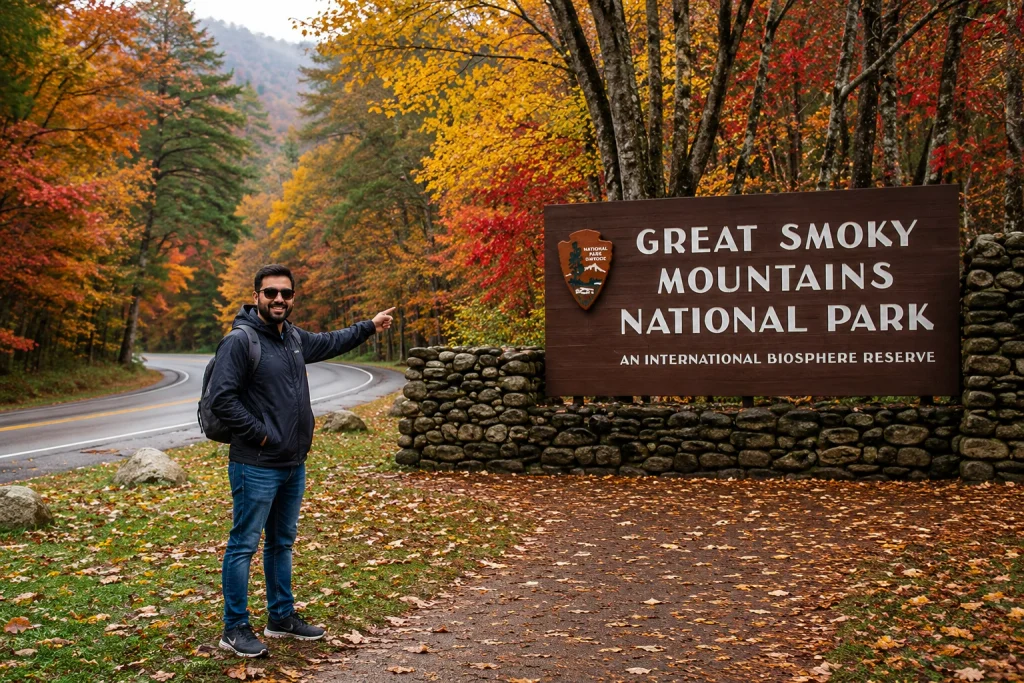
Mostly yes, and the reason they sit empty has almost nothing to do with quality. The hidden national parks USA visitors overlook are hard to reach, closed half the year, or missing a famous name, and those are three completely different problems with three different solutions. Kobuk Valley National Park in Alaska drew 7,786 visitors in 2025 while Great Smoky Mountains National Park drew 11.5 million. That gap measures access, not scenery.
Empty Almost Never Means Not Worth It
Sort the least-visited list by cause and it stops looking random.
Three things keep a park empty:
- No road access. Reaching it requires a charter flight or a ferry, which sets a hard floor on cost.
- A short or closed season. Some parks are physically unreachable for months at a time.
- No brand recognition. Road-accessible, genuinely spectacular, but sitting far from an airport with a name nobody has heard.
Only the third category is a real opportunity for most travelers. The first two are worth doing, but you need to plan around what actually makes them difficult rather than pretending the difficulty is not there.
Worth saying plainly: a park being empty is not automatically a recommendation. Some of these are empty because reaching them safely requires skills most visitors do not have.
Reason One: There Is No Road
Four of the five least-visited parks sit in Alaska, and none of them connect to the highway system.
Kobuk Valley National Park has no roads, no trails, no campgrounds, and no cell service. Getting there means flying from Anchorage to Kotzebue, roughly an hour and forty-five minutes, then chartering a bush plane into the park. The payoff is the Great Kobuk Sand Dunes, which rise about 100 feet above Arctic tundra, and the Western Arctic caribou herd crossing them twice a year on migration.

Gates of the Arctic National Park and Preserve sits entirely north of the Arctic Circle and logged 14,923 visits in 2025. There is no visitor center and no marked trail system. Hiking means following routes made by caribou.
Lake Clark National Park and Preserve at 19,778 visits and Katmai National Park and Preserve at 34,479 round out the Alaska group. Wrangell-St. Elias, the largest park in the country at over 13 million acres, managed 108,840.
Katmai is the exception worth naming. Its brown bears at Brooks Falls during the summer salmon run are the most reliable wildlife spectacle in North America, and the park runs a webcam that has made it far better known than its visitation suggests.
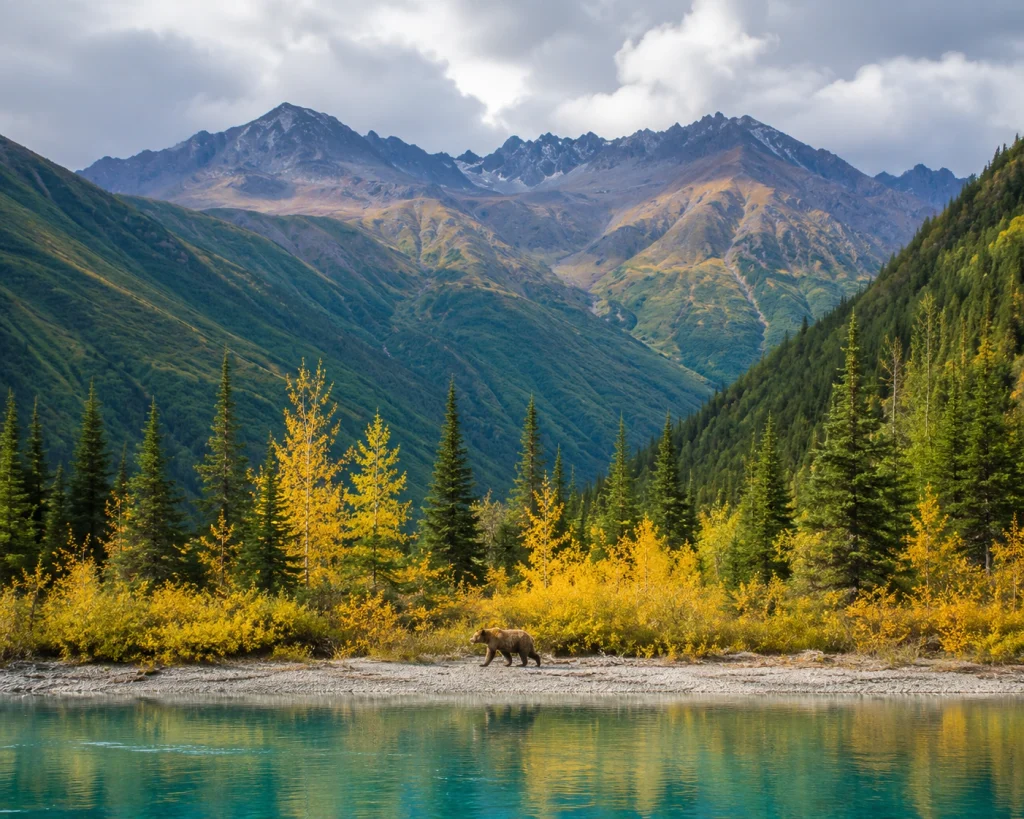
Budget realistically. Charter flights dominate the cost, and a single day trip into one of these parks commonly runs into four figures per person before lodging. Current visitation data for every park is published by the National Park Service statistics portal.
Reason Two: The Park Shuts for Half the Year
Isle Royale National Park in Michigan is the only national park that closes entirely for winter, from November 1 through April 15. Ferry service runs an even narrower window, roughly mid-May into September.

That closure is the whole explanation for its 29,091 visits in 2025, the lowest of any park in the lower 48. It sits in Lake Superior near the Canadian border, reachable only by ferry or seaplane from Michigan or Minnesota.
Here is the part that reframes it: Isle Royale has one of the highest repeat-visit rates in the entire park system. People who go once keep going back. The park holds moose, wolves, shipwrecks, lighthouses, and some of the best paddling in the country. Trip planning details are on the Isle Royale official site.
Book ferries early. The season is short, capacity is fixed, and there is no walk-up option.
One planning note specific to this park: ferries depart from more than one port, and the crossing times differ substantially. Copper Harbor and Houghton in Michigan and Grand Portage in Minnesota all serve the island, and picking the wrong one can add hours or a night of lodging to your trip.
Reason Three: A Great Park With a Forgettable Name
This is where the real value sits for most people, because these parks have roads.
North Cascades National Park in Washington recorded 46,925 visits in 2025 despite sitting less than three hours from Seattle. It holds over 300 glaciers, more than any US park outside Alaska. Most people driving Highway 20 pass through without registering that they are in a national park.

Others in this group:
- Great Basin National Park, Nevada, with bristlecone pines and some of the darkest night skies in the country
- Black Canyon of the Gunnison, Colorado, where the canyon walls are steep enough that parts of the floor get 33 minutes of sunlight a day
- Congaree National Park, South Carolina, protecting the largest old-growth bottomland hardwood forest left in the Southeast
- Guadalupe Mountains National Park, Texas, holding Guadalupe Peak, the highest point in the state
- Pinnacles National Park, California, with talus caves and one of the best places to see California condors
None of these require a charter flight. All of them require you to be willing to drive somewhere unglamorous.
The Visitation Numbers Lie More Than You Think
This is the part nobody explains, and it changes how you read every list like this one.
Channel Islands National Park in California logged 227,186 visits in 2025. That number counts everyone who walked into the mainland visitor centers in Ventura and Santa Barbara. Only a fraction actually boarded a boat. Pick an outer island like Santa Rosa or San Miguel and you can have miles of coastline to yourself, a few dozen miles off a coast holding 18 million people.

Density matters more than the raw total. Isle Royale’s 29,091 visits spread across an entire season work out to a genuinely low number of people per square mile. For it to match the crowd density of Zion National Park, it would need several million visits a year, which the ferries could not carry and the wilderness would not survive.
Two takeaways. A park with a visitor center near a city inflates its count, and a park with a long season spreads its count thin. Neither number tells you how many people you will actually see on a trail.
Hidden National Parks USA Travelers Can Reach This Year
If you want empty trails without a bush plane, start here.
- North Cascades, Washington. Fly into Seattle, drive Highway 20, done. Best from July through September once the high passes clear.
- Great Basin, Nevada. Roughly four hours from Las Vegas. Go for the Wheeler Peak scenic drive and stay for the stars.
- Congaree, South Carolina. Twenty minutes from Columbia. Best in spring and fall, since summer brings serious mosquitoes.
- Black Canyon of the Gunnison, Colorado. The South Rim is paved and open year-round.
- Guadalupe Mountains, Texas. Pair it with Carlsbad Caverns in New Mexico, which sits about 40 minutes away.
Backcountry permits for several of these are released through Recreation.gov, and the popular ones still go quickly despite low overall visitation.
Three That Do Not Justify the Cost for Most People
Honest assessment, because a list that recommends everything is useless.
- Kobuk Valley, unless you are genuinely self-sufficient. No infrastructure means no rescue nearby. The Park Service is comfortable with this park staying empty, and that should tell you something.
- Gates of the Arctic as a first Alaska trip. Start with Katmai or Denali. Build the skills, then come back.
- National Park of American Samoa as a standalone trip. It is remarkable, but the flight cost only makes sense combined with a broader South Pacific itinerary.
What the Remote Parks Actually Require
- Satellite communication. Cell service does not exist in most of these places. A personal locator beacon is not optional in the Alaska parks.
- Flexible dates. Bush flights cancel for weather constantly. Build two spare days into any Alaska park trip.
- Bear protocol. Katmai and Lake Clark have dense brown bear populations. Food storage rules are strict and enforced.
- Your own water treatment. No potable water systems exist outside developed areas.
- Cash and a paper map. Card readers and navigation apps both assume connectivity that these places do not have.
- Real insurance. Standard travel policies rarely cover bush-plane charters or backcountry evacuation. Read the exclusions before you buy.
- Fee-free days work here too. The Park Service runs several each year, listed on the fee-free days page.
What People Ask Before Booking a Remote Park
What is the least visited national park in the United States? Kobuk Valley National Park in Alaska, with 7,786 visitors in 2025. It has no roads, trails, campgrounds, or cell service. Reaching it requires flying from Anchorage to Kotzebue, then chartering a bush plane. Gates of the Arctic follows with 14,923 visits.
What is the least visited national park in the lower 48? Isle Royale National Park in Michigan, with 29,091 visits in 2025. It sits on a remote island in Lake Superior, reachable only by ferry or seaplane, and it is the only national park that closes entirely for winter, from November 1 through April 15.
Are underrated national parks actually worth visiting? Yes. Low visitation almost always reflects difficulty of access rather than quality. North Cascades has more glaciers than any US park outside Alaska yet sits under 47,000 annual visits, less than three hours from Seattle. The scenery competes with any marquee park.
Which overlooked national parks can I drive to? North Cascades in Washington, Great Basin in Nevada, Congaree in South Carolina, Black Canyon of the Gunnison in Colorado, and Guadalupe Mountains in Texas are all road-accessible. Each sees a small fraction of the traffic at comparable parks, and none require a flight or ferry.
How much does it cost to visit a remote Alaska national park? Charter flights dominate the budget. A single day trip into a roadless Alaska park commonly runs into four figures per person before lodging, and multi-day lodge trips climb higher. Costs vary widely by operator and season, so quote several before committing.
When should I visit the least crowded national parks? For road-accessible parks, September through October delivers good weather with the fewest people. For Isle Royale, the ferry season runs roughly mid-May through September. Alaska parks are effectively summer-only, with July and August offering the most reliable flying weather.
Pick Your Reason, Then Pick Your Park
Every list of hidden national parks USA travelers find online ranks by visitation and stops there. Visitation is the symptom. The barrier is the useful information.
Decide which barrier you are willing to accept. If it is cost and logistics, Alaska rewards you more than anywhere else in the system. If it is a short season and advance booking, Isle Royale is worth the ferry.
If you are not willing to accept either, drive to the North Cascades or Great Basin. You will get near-empty trails on a normal vacation budget, which is the actual answer most people are looking for.