The Florida Keys Destinations Worth Every Stop on the Overseas Highway
I drove the Overseas Highway end to end, and the destinations Florida Keys regulars kept naming were not the ones on the postcards. They were the small stops: a snorkel boat out of Key Largo, a fish sandwich in Islamorada, a beach at Bahia Honda where the water turns three shades of blue before lunch. The Keys are a 113-mile chain of islands strung together by one road, US-1, and the trip works when you treat the road as the destination and the stops as the reason to slow down.
I read up on facts about the Florida Keys before I set out, so the stops along the highway would make more sense.
The Road Is the Trip
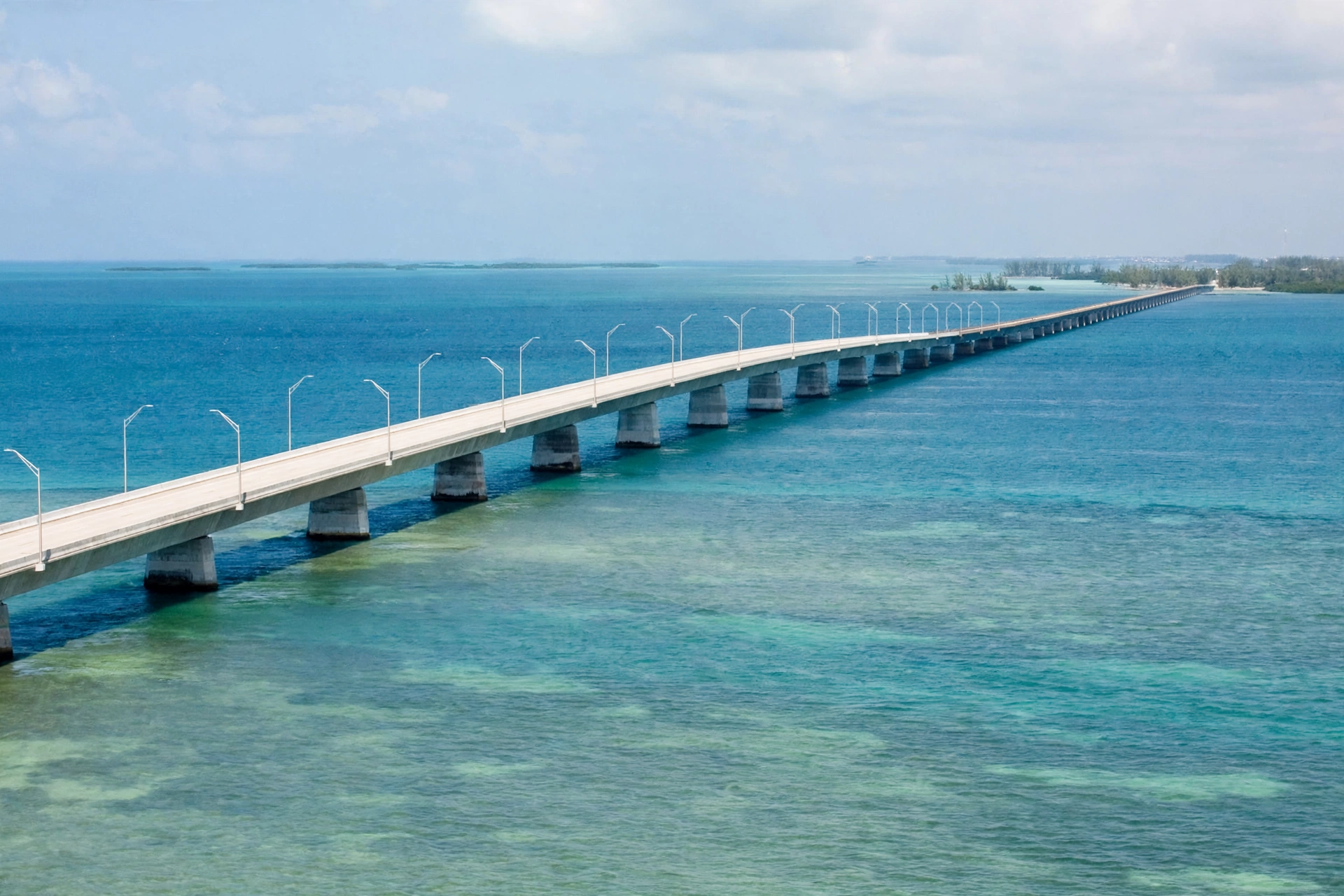
The Overseas Highway runs from Key Largo to Key West, 113 miles across 42 bridges, and the Seven Mile Bridge is the stretch everyone remembers. The water is on both sides for most of the drive, shallow and green and flat, with flats boats and kayaks scattered across it, and the sky is so wide that the clouds look close enough to touch. Without stops, the drive takes about two and a half hours. With stops, it takes a full day, and that is the right way to do it.
On the drive south, I kept wondering why the Florida Keys are called keys, so I looked it up at the next stop.
The road is mostly one lane each way, and it moves at island speed, which means slow. Passing is rare, the bridges back up when a boat goes through, and the drive rewards patience more than horsepower. I learned to leave early, plan two or three stops a day, and stop fighting the pace.
Mile markers are how the Keys measure distance, and they run from MM 112 at Key Largo down to MM 0 in Key West. Every address in the Keys is a mile marker, and locals give directions by them. Learn the system on day one and you will never get lost. The Florida Keys tourism council keeps a current road trip overview with the mile markers and the stops, and it is the best planning page I found. Florida Keys tourism council
Key Largo Sets the Pace
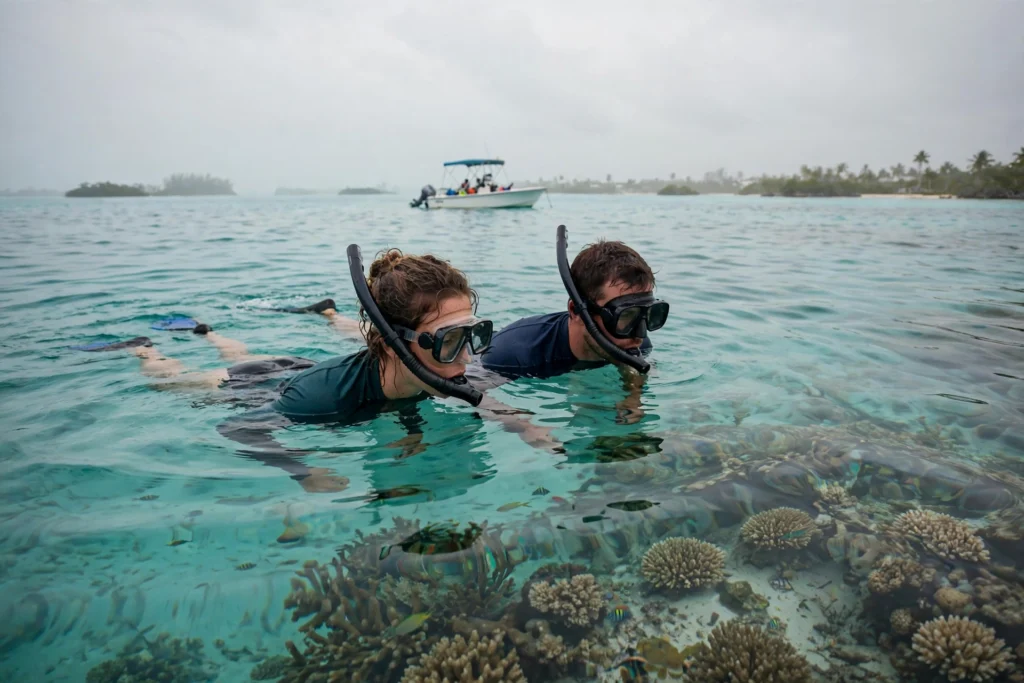
Key Largo is the first island and the diving capital of the Keys, and it sets the tone for the whole trip. John Pennekamp Coral Reef State Park, the first undersea park in the country, sits here, and its glass-bottom boat tour is the easiest way to see the reef without getting wet. The boat leaves from the park marina, the guides point out coral heads and reef fish through the glass panels, and the whole trip takes about two and a half hours. Snorkelers and divers go out on separate boats to the same reef, and the water is clear enough that you can see the coral from the surface on a calm day. John Pennekamp Coral Reef State Park
Key Largo is quieter than Key West, and that is its appeal. The restaurants are waterfront and low-key, the hotels are small, and the evenings end early. I spent my first night here eating grilled fish at a dockside table and watching the light fade over the bay, and it was the calmest night of the trip. If you dive or snorkel, base yourself here for two nights and do the reef properly instead of rushing through on the way south.
Islamorada Is Where the Keys Slow Down
Islamorada calls itself the Village of Islands, and it is the fishing heart of the Keys. The backcountry flats and the offshore grounds both sit within reach, and the charter boats leave before dawn. You do not need to fish to enjoy Islamorada. The village is a string of small resorts, art galleries, and waterfront restaurants, and the pace drops a full notch from Key Largo.
Robbie’s Marina is the stop everyone makes, and it earns the crowd. You can feed the tarpon off the dock, and the big silver fish roll up out of the water for the baitfish the staff sells by the bucket. It costs a few dollars, it takes twenty minutes, and kids love it. The marina has a small market and a restaurant, and the whole place feels like a working waterfront that happens to welcome visitors.
Eat here. Islamorada has some of the best food in the Keys, from dockside fish sandwiches to the Key lime pie that every shop claims to make best. The pie here is tart and cold and topped with whipped cream, not meringue, and that is the version I trust.

Marathon and the Bridge Everyone Photographs
Marathon is the family island, halfway down the chain, and it is where the Seven Mile Bridge begins. The old bridge runs alongside the new one, and the section near Pigeon Key is open to walkers and cyclists, which gives you the best view of the bridge stretching out over open water. I walked it at sunrise, when the light was low and the water was flat, and it was the best hour of the trip.
Sombrero Beach is the family beach in Marathon, with picnic tables, shade, and calm water that stays shallow a long way out. The Turtle Hospital runs guided tours of its sea turtle rescue center, and the tours book up, so reserve ahead.
Big Pine and the Deer Nobody Expects
Big Pine Key is the quiet island, and most drivers pass through it without stopping, which is their loss. The National Key Deer Refuge protects the tiny Key deer, a subspecies of white-tailed deer that stands about two feet tall at the shoulder, and you can see them grazing along the roadsides at dawn and dusk. Drive slowly here, especially at night, because the deer cross the road without warning and the refuge asks drivers to keep it under 30 miles per hour.
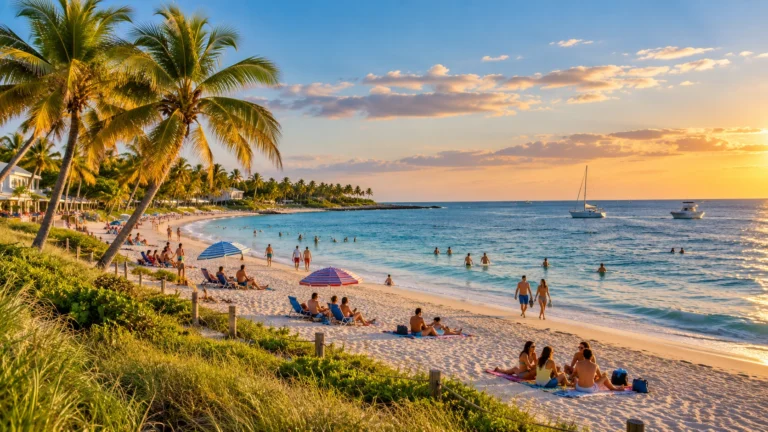
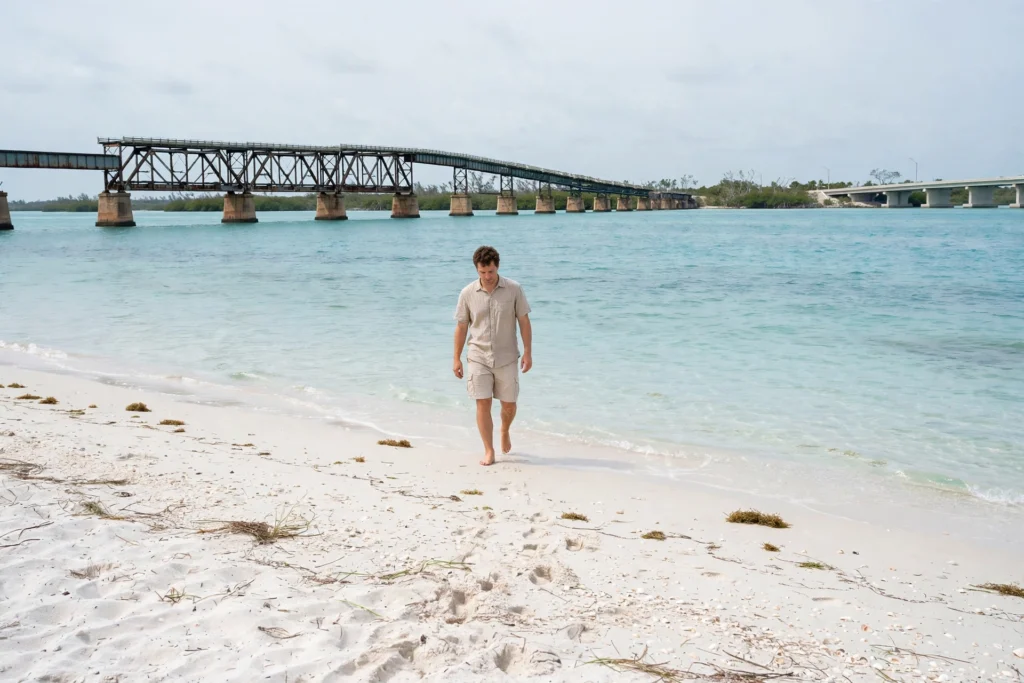
Bahia Honda State Park sits just south of Big Pine, and it has the best beach in the Keys. The sand is white, the water turns from turquoise to deep blue, and the old Bahia Honda Rail Bridge frames the view like a postcard that happens to be real. Snorkeling off the beach is good on calm days, and the park has campsites if you want to sleep next to the water. Florida State Parks runs the park, and the entry fee is small. Bahia Honda State Park
Key West Earns the Last Night
Key West is the end of the road, mile marker zero, and it is the only town in the Keys that feels like a town. Duval Street runs from the Gulf side to the Atlantic side, lined with bars, shops, and restaurants, and it is loud at night and sleepy in the morning. Walk it once in the daylight to see the old houses and the gardens, and once at night if you like a crowd. The side streets off Duval are where the town gets quiet and pretty, with white picket fences and frangipani trees.
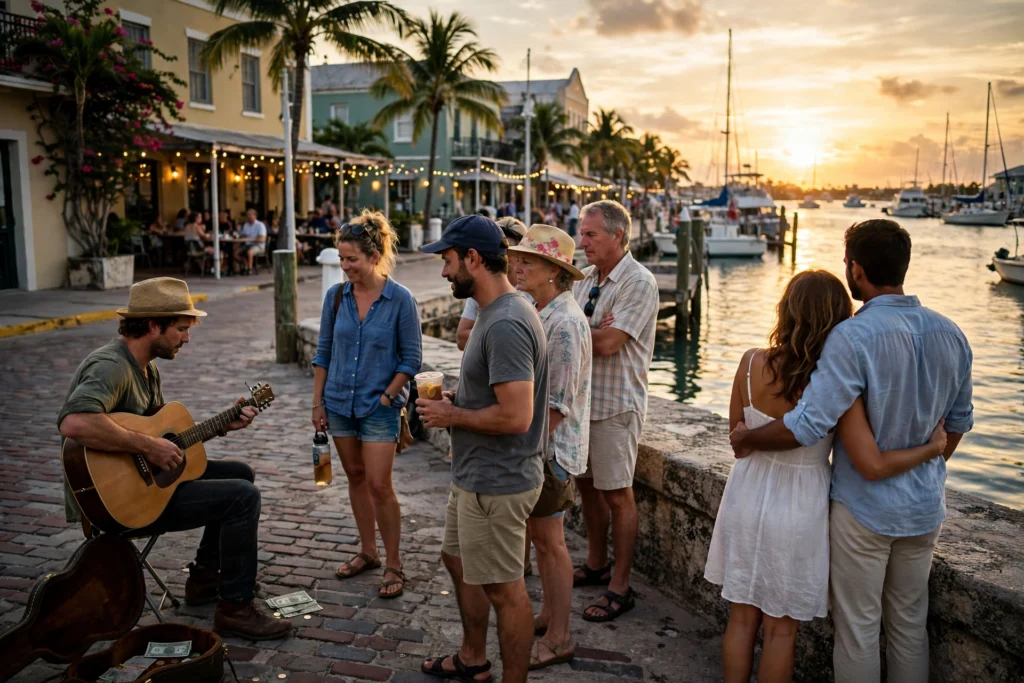
Mallory Square hosts the sunset celebration every evening, and it is the ritual that defines Key West. Street performers, food carts, and a crowd that gathers an hour before the sun goes down. The sun drops into the Gulf, the crowd applauds, and the whole square feels like a small festival. Go once, arrive early for a spot on the water, and then find a quieter sunset on your second night at Fort Zachary Taylor beach.
The Southernmost Point buoy is the most photographed spot in town, and the line to stand next to it can stretch down the block. It marks the southernmost point of the continental United States, and the photo takes thirty seconds. Do it once, early in the morning when the line is short, and move on. The Hemingway Home and Museum, with its six-toed cats and its shaded gardens, is the better use of an hour.
I stopped by the Southernmost Point in Key West early in the morning, before the line grew long.
The Dry Tortugas sit seventy miles west of Key West, and the day trip by ferry or seaplane is the best excursion in the Keys. Fort Jefferson rises out of the water, the snorkeling off the beach is excellent, and the trip takes most of the day. The National Park Service runs the ferry booking information, and the boats sell out in peak season, so reserve weeks ahead. Dry Tortugas National Park
The Stops That Make Destinations Florida Keys Worth the Slow Drive
The destinations Florida Keys drivers remember are the stops, not the miles, and the itinerary that works is slower than you think. Three nights is the minimum for the chain: one in Key Largo, one in Marathon, and one in Key West, with Islamorada and Big Pine as day stops in between. Five nights is better, and it lets you add a second night in Key West and a full day for the Dry Tortugas.
Key West versus Key Largo is the choice people ask me about, and the answer is that they are different trips. Key Largo is the dive and snorkel base, quieter and more spread out, with the reef as the main event. Key West is the walkable town, with history, food, and nightlife, and the reef is a day trip away. If you have one base, pick Key West for the town and Key Largo for the water, and split the difference with a night in Marathon.
Where to Sleep Without Regretting It
The Keys have small inns, family resorts, and vacation rentals, and the right choice depends on your island. Key Largo and Islamorada suit small waterfront inns and cottages, Marathon suits family resorts with pools, and Key West suits the old town guesthouses and the beachfront resorts on the south side. Book early for December through April, when the good places sell out months ahead.
Vacation rentals are the best value for families, and the dreamy Airbnbs in the Florida Keys are where I start looking when a hotel room feels too small for a family of four. A rental with a kitchen and a dock beats a hotel room with a mini fridge, and the price is often lower for a week. Check the location against the mile markers before you book, because a pretty rental twenty miles from the town you want is a daily drive you will regret.
Key West has the widest range of places to stay, from the guesthouses on the quiet side streets to the big resorts near Smathers Beach. Stay in Old Town if you want to walk everywhere, and stay near the beach if you want to swim before breakfast.
What to Skip in the Keys
Skip the one-day Keys trip from Miami. The drive alone eats five hours round trip, and you will see the road and nothing else. The Keys need at least two nights, and the people who do it in one day come back saying it was just a long drive. They are right, because they never stopped.
Skip driving at night through Big Pine Key. The Key deer cross the road after dark, and the refuge posts the speed limit for a reason. Plan your driving for daylight, and if you are out late in Key West, stay there for the night instead of driving north in the dark.
Skip the chain restaurants on Duval Street at dinner. The food is average, the prices are set for the location, and the better meals are a block off Duval at the small places where the staff eats. Walk two streets in any direction and the food gets better and cheaper at the same time.
When the Keys Are at Their Best
December through April is the dry season, with warm days, low humidity, and the clearest water. It is also the busiest season, with the highest prices and the most crowded restaurants. Book early, expect to pay more, and enjoy the best weather the Keys offer.
Summer is hot and humid, with afternoon thunderstorms and the highest water temperatures of the year. The snorkeling is good, the beaches are warm, and the families are out in force. If you come in summer, plan your outdoor time for the morning.
Before You Turn Onto US-1
How many days do I need for the Florida Keys?
Three nights is the minimum, with one night each in Key Largo, Marathon, and Key West. Five nights is better, and it lets you add a Dry Tortugas day and a slow morning in Islamorada. One day from Miami is not enough, and you will spend it driving.
Is Key Largo or Key West better?
Key Largo is better for diving and snorkeling, with the reef as the main event and a quieter pace. Key West is better for walking, history, food, and nightlife, with the town as the main event. Split the trip if you can, and give each island at least one night.
Can you drive the Florida Keys in one day?
You can drive it in about two and a half hours without stops, but you will miss everything that makes the trip worth doing. Plan at least three days, stop at the state parks and the small towns, and let the road set the pace instead of the clock.
What is the best time to visit the Florida Keys?
December through April has the best weather, with dry days and clear water, and the highest prices. May and June are my pick for value, with warm water and thinner crowds. September and October are the quietest and cheapest, but they fall in hurricane season, so watch the forecast.
Do I need a car in Key West?
No. Key West is walkable, and the Old Town is small enough to cover on foot. Park the car when you arrive and use the trolley, a bike, or your own two feet. The car is for the drive down the chain, not for the town at the end of it.
Drive It Slow or Don’t Drive It
The Keys reward the driver who stops every twenty miles and punish the one who treats US-1 like a highway to Key West. Take three nights at least, give the reef a morning, give the bridge a sunrise, and give Key West a full day. Eat the fish sandwich in Islamorada, walk the old bridge in Marathon, and watch the sunset from Mallory Square with the rest of the town.
Book the Dry Tortugas early, book the good rooms early, and leave the schedule loose enough for the stop you did not plan.