Fall Foliage Tours New England Does Best in a Small Van, Not a Bus
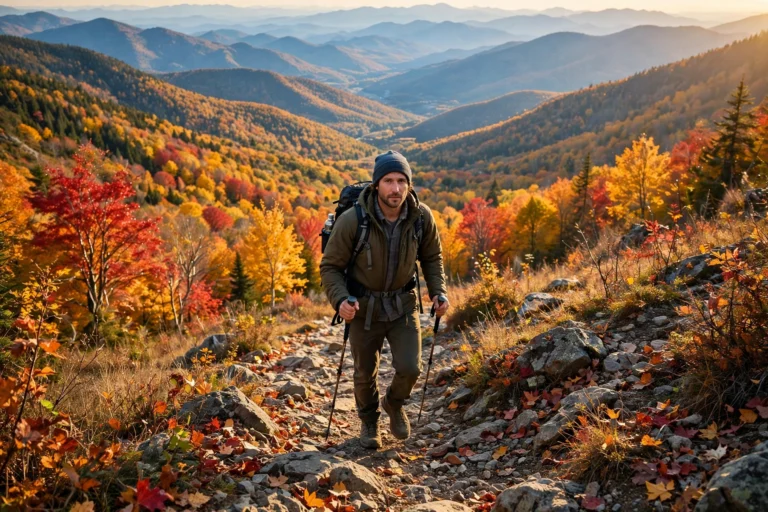
I used to think a tour meant sitting on a bus while someone read a script at me. Then I took a small van tour through the White Mountains on a cold October morning, and the driver pulled over at a farm stand I would have driven straight past, and the whole day changed. A good tour is not about the vehicle. It is about someone who knows the roads showing you the stop you would have missed. These are the fall foliage tours New England does best, seven of them, from a rail car in New Hampshire to a boat off the Maine coast.
How I Picked These Fall Foliage Tours New England Runs
I only list tours I have taken, or ones run by operators I have used in another season and trust. A tour I have not ridden tells me nothing about the guide, the pace, or the stops. I looked for small groups, real local knowledge, and at least one stop that is not on every postcard. I checked booking lead times, cancellation rules, and which tours sell out first. What I wanted was a list that works for a traveler who likes to drive but is willing to hand over the wheel for a day.
The Rail Car: Conway Scenic Railroad, New Hampshire
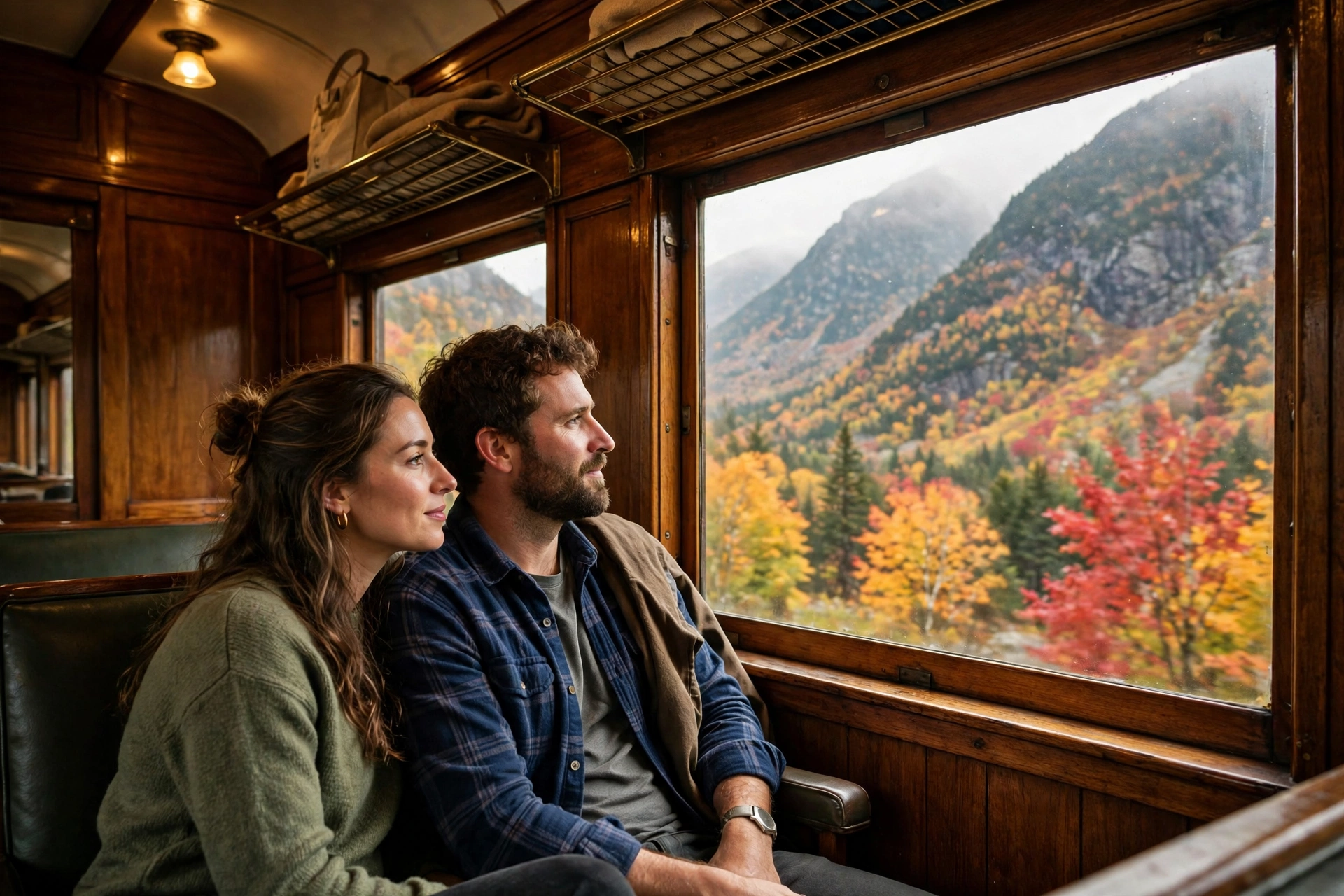
The Conway Scenic Railroad runs the Notch Train through Crawford Notch in the fall, and it is the single best seat in New Hampshire for color without driving. The train climbs from North Conway into the notch, past cliffs and waterfalls, with the maples right outside the window. The ride runs about five hours round trip in the fall, with a stop at Crawford Station, and the dome car is worth the upgrade if it is running. If you are coming up from Boston without a car, start with my best Amtrak routes.
Book early. The October weekends sell out weeks ahead, and the first-class seats go first. The honest downside is the pace. Five hours is a long sit, and the train moves slowly by design. Bring a book for the return leg, and dress in layers, because the car is warm and the platform at Crawford is cold. The railroad posts its fall schedule and fares on its own site: Conway Scenic Railroad.
If the train is sold out, drive Route 302 through the same notch instead. The color is the same, the pull-offs are bigger, and you set your own clock.
The Van: White Mountains Guided Drive, New Hampshire
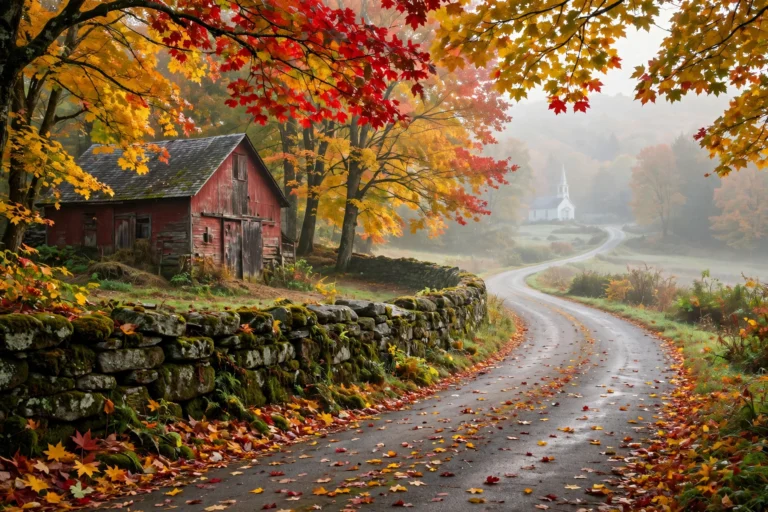
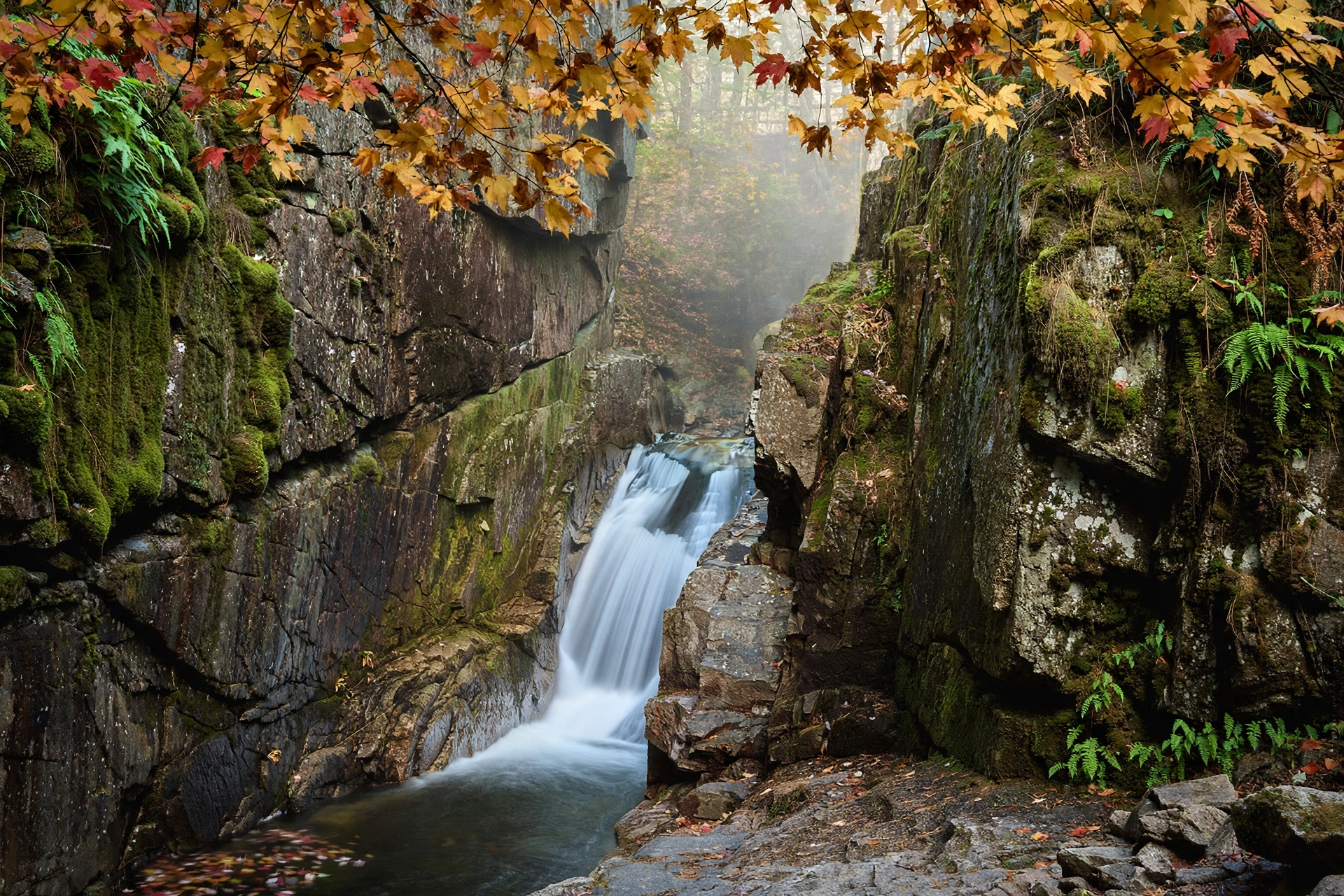
A guided van tour through the White Mountain National Forest sounds soft until you try to park at Sabbaday Falls on an October Saturday. The van solves the parking, the driver knows which lots are full by 9 AM, and the route changes with the color that week, not the color last year. My tour left from North Conway at 8 AM, stopped at three waterfalls, a covered bridge, and a farm stand, and I was back by lunch.
Small groups matter here. A twelve-seat van stops where a coach cannot, and the guide can change the route when a road closes. Ask how many seats the van holds before you book, and skip any tour that will not tell you. The forest posts road and trail conditions on its site, and it is worth checking the morning you go: White Mountain National Forest.
The honest downside is the price. A private or small-group van costs more than driving yourself, and the tip adds up. Split it with another couple if you can. The value is the parking and the local knowledge, and on a busy weekend both are real.
The Boat: Bar Harbor and Acadia by Water, Maine
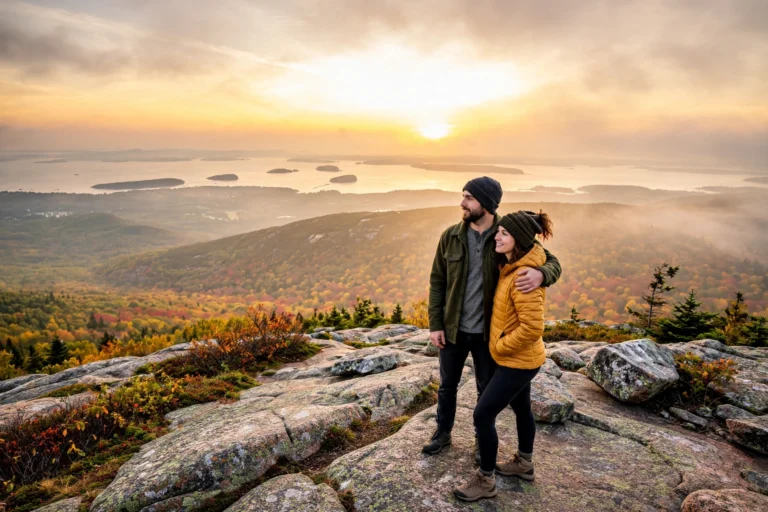
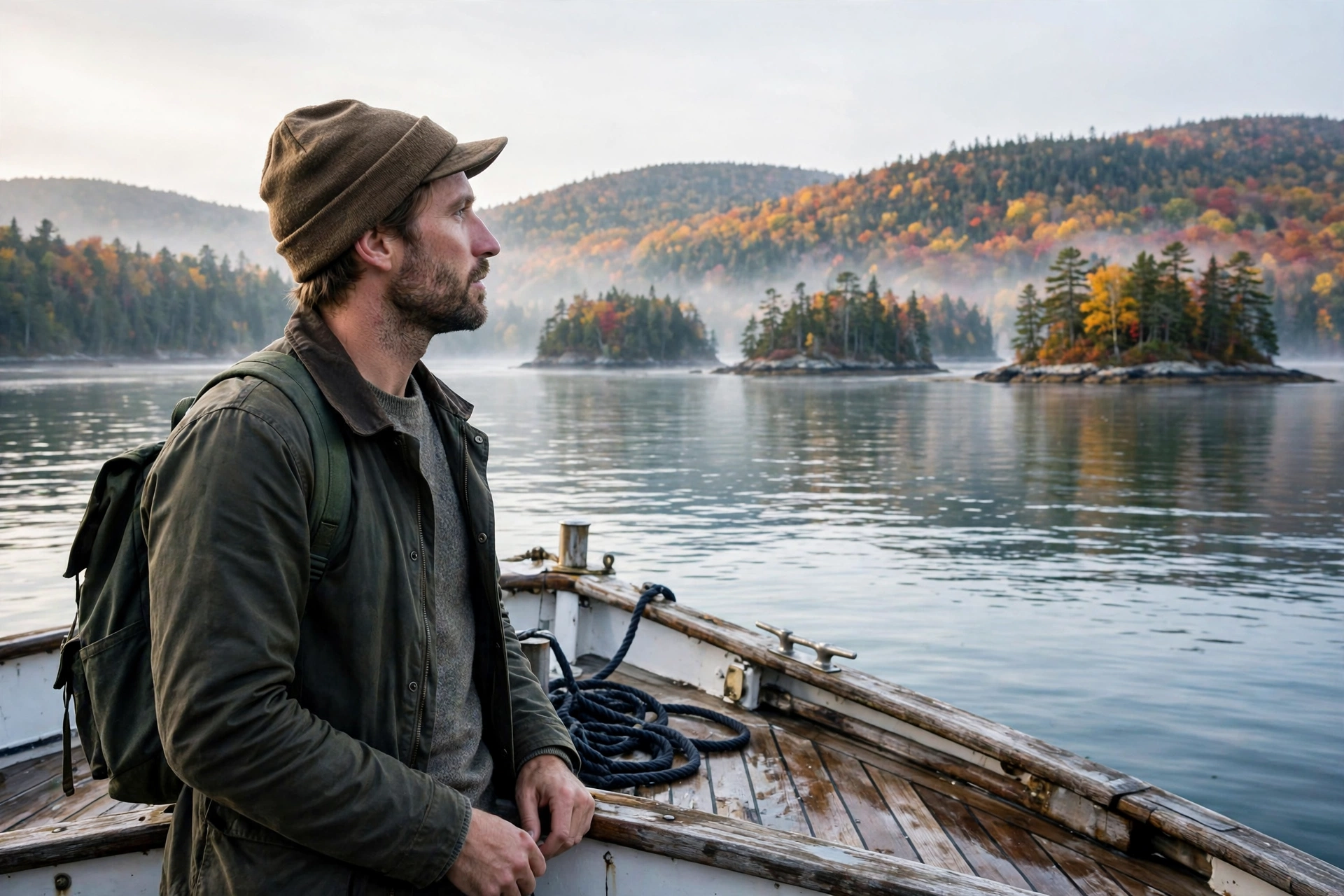
Maine looks different from the water, and October is the best month to see it that way. A boat tour out of Bar Harbor runs along the coast past the Porcupine Islands, with the color on the hills behind the harbor, and some boats add a stop at a lighthouse or a seal haul-out. The water is cold, the wind is real, and the light in the late afternoon is the best in New England.
I took the late-afternoon sailing, wore every layer I owned, and watched the sun drop behind Cadillac Mountain while the town lit up behind me. The boats run through October, but the schedule thins after the first week, so check the sailing times before you drive up. Maine’s official tourism site lists the harbor tours and the fall color reports together: Visit Maine.
Pair the boat with a morning in the park. I cover the Maine leaf-peeping spots in my Maine fall leaf peeping guide, and the boat is the afternoon that makes the day complete. The honest downside is seasickness. If the water is rough, the small boats roll, and there is no graceful way to spend two hours feeling ill. Take the bigger boat if the wind is up.
The Walk: Woodstock, Vermont
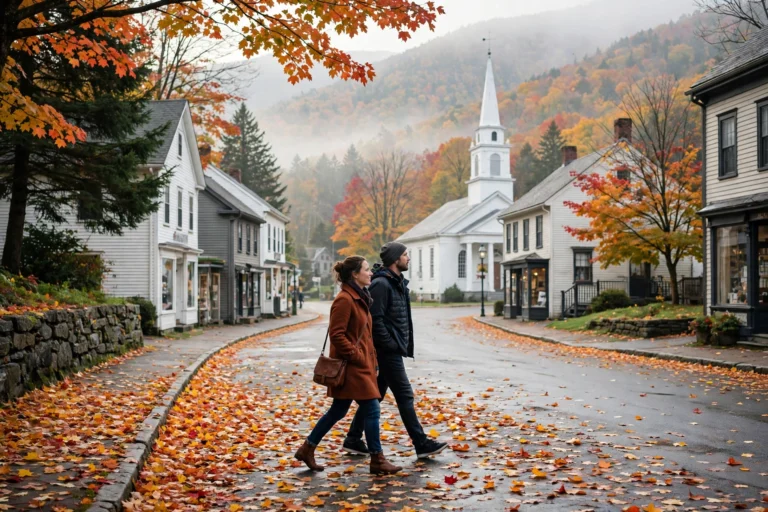
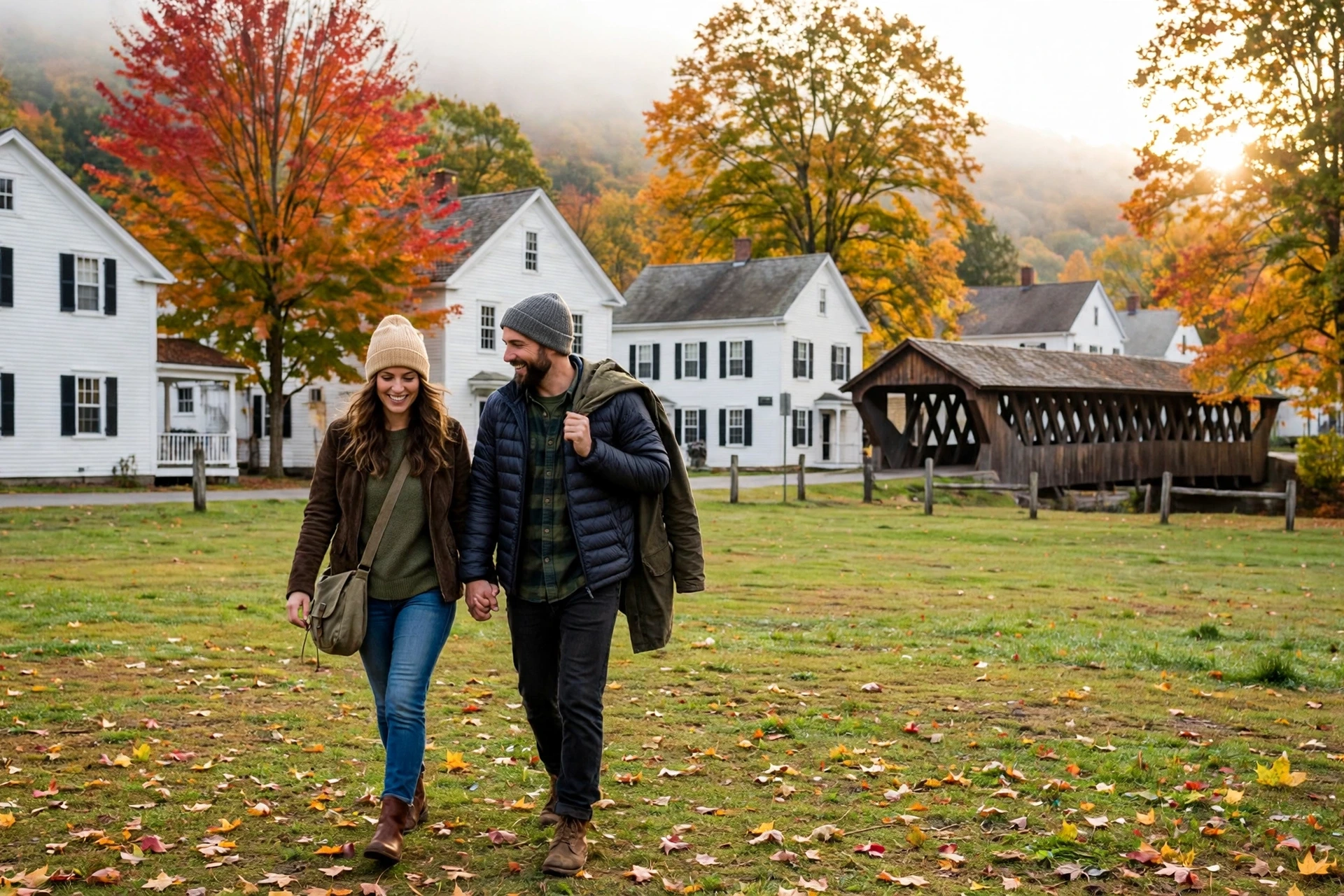
Woodstock is the prettiest village in Vermont, and a walking tour is the right way to see it, because the whole place is built at walking scale. The tour I took started at the green, walked past the covered bridge, up past the farm, and ended at a cider mill, with the guide pointing out which houses date to the 1800s and which maples turn first. It ran about two hours, and the pace was slow enough for photographs.
The color in Woodstock usually peaks in the first week of October, a few days after the higher passes. The honest downside is that Woodstock is small, and a walking tour covers it in a morning. Pair it with a drive up Route 100 in the afternoon, or you will be done by lunch and wondering what to do next. Vermont’s official tourism site lists the village walks and the fall events: Vermont Vacation.
Stay in Woodstock if you can, but book a month ahead for October weekends. Stay in Quechee or White River Junction if the village rooms are gone, and drive in for the morning.
The Cruise: Boston Harbor, Massachusetts
Boston is not the first city people name for fall color, and that is why the harbor cruise works. The Charles River and the harbor islands turn in mid to late October, later than the mountains, and a cruise out of Long Wharf gives you the skyline, the islands, and the color on the shore in one slow loop. The boats run through October, and the sunset sailing is the one to book.
I took the sunset cruise on a clear October evening, and the city lit up behind the gold trees on the riverbank, and I understood why Bostonians stay through the winter. The honest downside is the wind. The harbor is cold in October, and the open deck is colder than the cabin. Bring a windproof layer even if the day feels warm on land.
Pair the cruise with a walk through the Public Garden and the Common, where the maples turn late and bright. The city is the base, not the destination, and a day is enough before you head north to the real mountains.
The Drive: Mohawk Trail and the Berkshires, Massachusetts
The Mohawk Trail, Route 2 across northern Massachusetts, is the oldest scenic road in New England, and a guided drive through it in October is the easiest way to see the Berkshires without planning every stop yourself. The tour I took left from North Adams, climbed to the Hairpin Turn, stopped at a farm stand and a waterfall, and ended in Williamstown, with the guide calling out which hillsides were peaking that week.
The Berkshires turn later than the White Mountains, usually in the second and third weeks of October, because the elevation is lower and the oaks turn after the maples. That makes this the tour to book when the New Hampshire tours are past peak. The honest downside is the distance. The Berkshires are a long drive from Boston, and a day tour from the city spends half the day on the highway. Stay in the Berkshires the night before if you can.

The Farm: Cider and Cheese in Vermont
The last tour on this list is the one I would take again first. A farm tour in Vermont in October means cider donuts, a cheese tasting, and a walk through an orchard with the color all around you. The tour I took ran from a farm in the Mad River Valley, stopped at two creameries and a cider mill, and ended with a tasting in a barn that smelled of apples and wood smoke. It ran about four hours, and I ate lunch twice.
Book the small tour, not the big bus. The farms are small, the groups are capped, and the tastings run out when the bus arrives. The honest downside is the driving between farms, which is on narrow back roads with no shoulders. Let the tour drive, and do not try to string the farms together yourself after a tasting.
Vermont’s farm tours sell out on October weekends, so book two weeks ahead at least. The color is the backdrop, but the food is the reason to go, and the farms are the part of Vermont most visitors never see.

What to Pack for a Tour Day in October
October in New England starts cold and ends warm, and a tour day makes it worse, because you sit still on a train or a boat and then walk in the sun an hour later. I pack a base layer, a fleece, and a windproof shell, and the shell comes off by 10 AM and goes back on the moment the boat leaves the dock. A paper map rides in my pocket, because half of these tours run through valleys with no cell service, and the guide’s route is not on my phone.
Bring cash for the farm stands and the small-town tips, because the card readers fail in the same valleys where the service drops out. Bring water even on the short walks, and bring a headlamp if your tour starts before sunrise, which the good ones do. The cost of a tour day is mostly the ticket itself. The train and the boat are the priciest seats on this list, the walking tour is the cheapest, and the farm tour pays for itself in cheese if you let it.
One more thing I learned the slow way: eat breakfast before the tour, not during it. The farm stands open late, the train has no real food, and a hungry traveler is a grumpy traveler by the second stop. A diner breakfast in North Conway or Woodstock sets the day up right, and it costs less than the snack bar on the boat.
What I Would Book First
If I could only book one of these fall foliage tours New England runs this year, I would take the Conway Scenic Railroad, because the seat is the view and the train does the work. Then I would take the Woodstock walk the next morning, because the village is the color at walking speed. Book the train first, because it sells out first, and build the rest of the weekend around it.