Botanical Gardens USA Taught Me to Slow Down and Look Longer
I used to walk gardens the way I walked museums, fast, with a map in one hand and a list in the other. Then a docent in Pennsylvania told me to sit on one bench for twenty minutes and watch a single bed change in the light, and I have not rushed one since. The best botanical gardens USA trips I have taken share that habit: one garden, one slow morning, and a willingness to leave half the map unseen.
Why Botanical Gardens USA Beat a Park Walk for Me
A city park is for moving through. A garden is for stopping. That difference matters because gardens are planted with intent, and intent rewards attention. A path curves so a view opens slowly. A bench sits where the scent of one shrub carries on a breeze. A label tells you where a plant came from and why it survives here, and that small fact changes how you see the next bed.
I pick gardens the way I pick small towns, by what they do well rather than by how much ground they cover. A garden that tries to be everything, desert plants and tropical orchids and a rose collection and a children’s maze, often ends up feeling like a theme park with leaves. The gardens I return to have a clear point of view: they know their climate and plant for it.
The Conservatory Gardens That Earn a Rainy Day
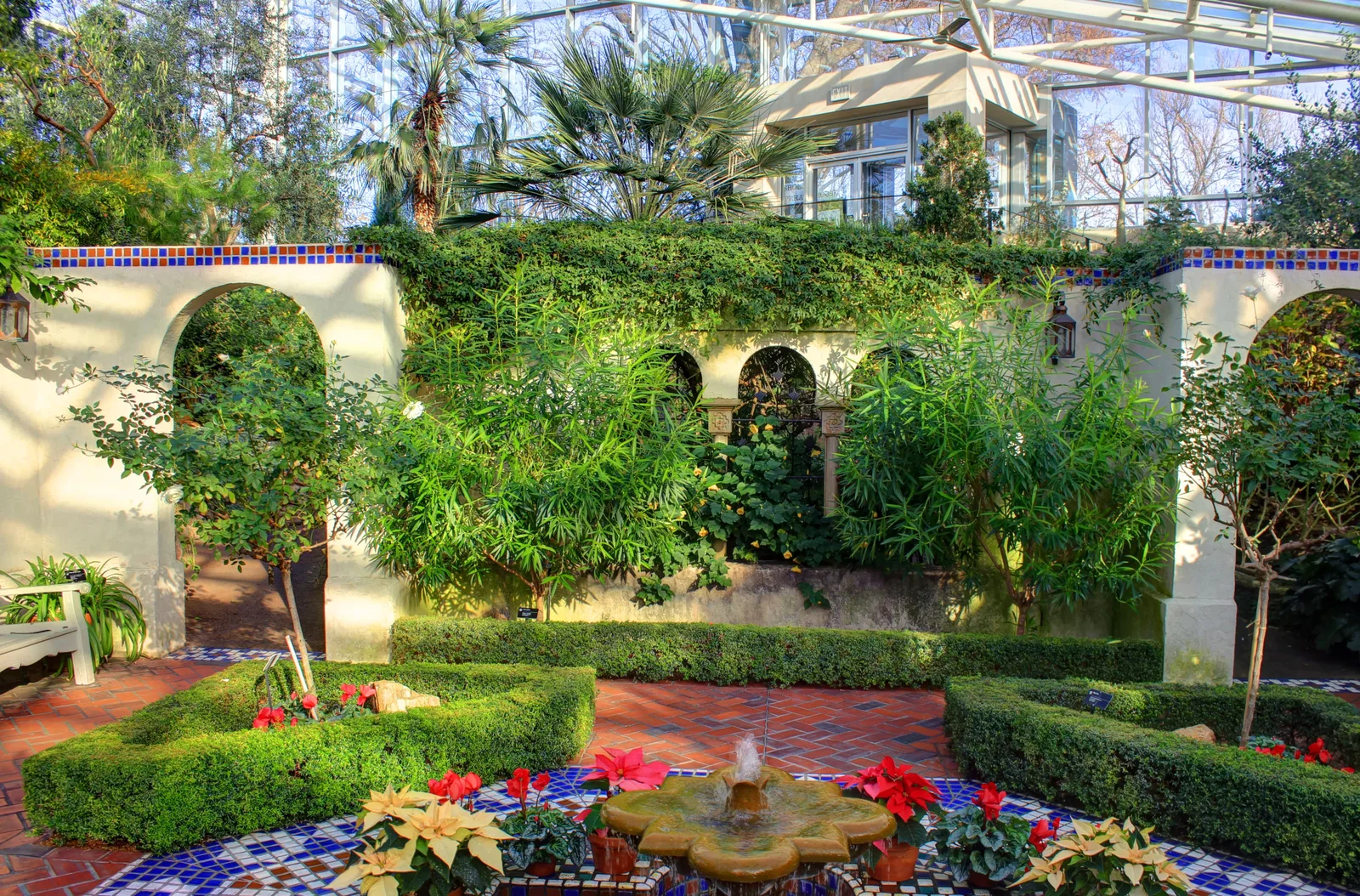
Rain used to ruin my garden plans. Now I plan around it, because conservatories are where gardens show their craft. Longwood Gardens, in Kennett Square, Pennsylvania, taught me this on a grey March morning when the outdoor beds were still bare. Inside the glass, the air smelled of damp soil and warm stone, and the planting felt composed rather than collected. I checked the official Longwood Gardens site before I went, because conservatory displays rotate and I wanted the glasshouses, not a special event crowd.
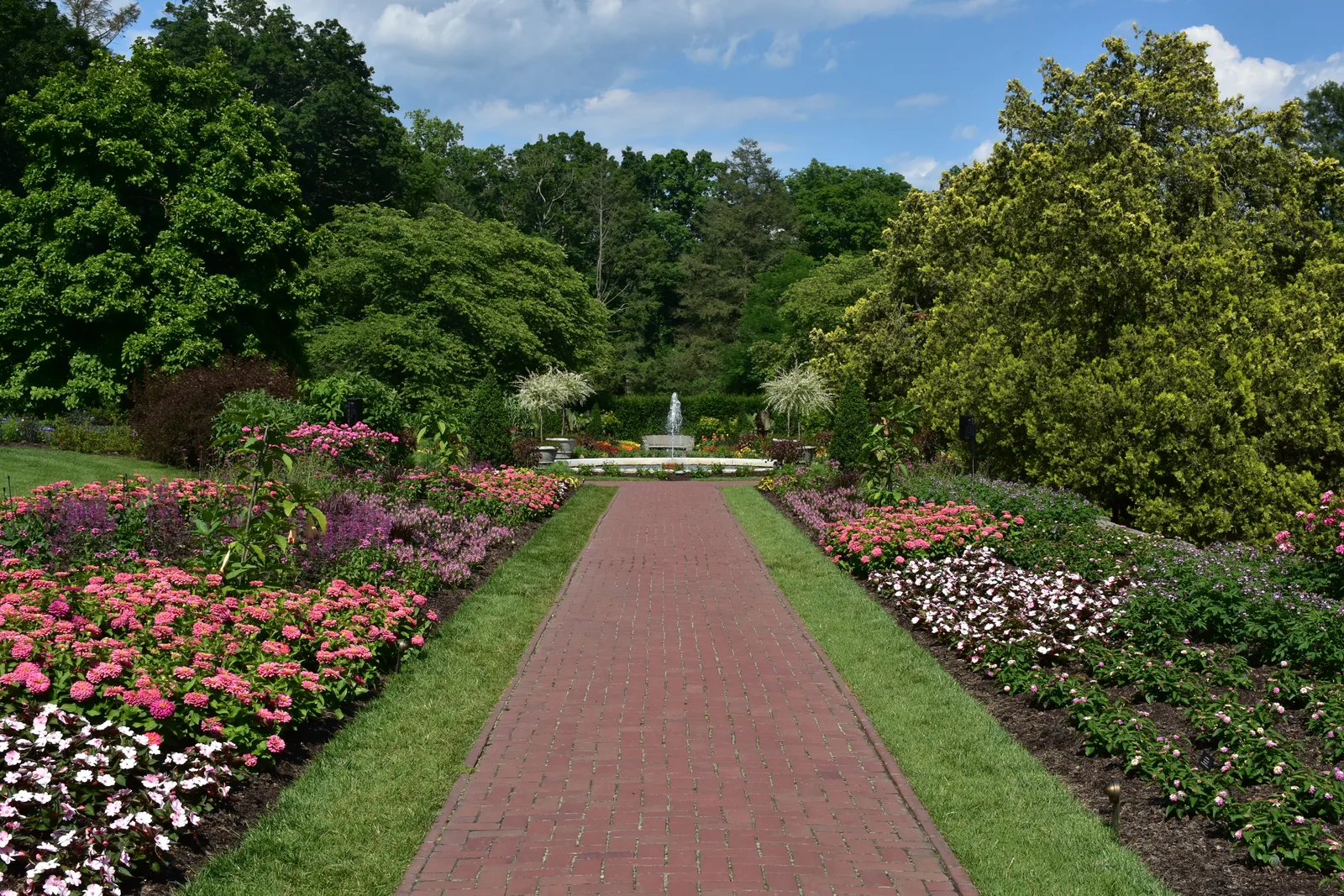
Chicago Botanic Garden, in Glencoe, Illinois, gave me the opposite lesson on a bright summer day. The outdoor gardens spread wide and flat, and the pleasure was in the walking, not the spectacle. I followed the water and sat near the prairie plantings, and I learned that a Midwest garden does not need to imitate a coastal garden to be good. Its official Chicago Botanic Garden site is where I check what is in bloom before a summer visit.
Brooklyn Botanic Garden, in Brooklyn, New York, is the garden I recommend to first timers who think gardens are quiet in a dull way. It is compact, easy to reach, and every path leads somewhere worth standing still for. In spring the cherry trees draw a crowd, so I go early, take the side paths first, and save the most photographed walk for last. The official Brooklyn Botanic Garden site lists bloom timing in general terms, and I use it to pick a week, not a day, because bloom is weather, not a schedule.
California deserves its own note here, because the state holds gardens that feel like different countries. The Huntington, in San Marino, California, pairs a desert garden with a rose garden and a Japanese garden in one visit, and the contrast is the point. San Francisco Botanical Garden, in Golden Gate Park, San Francisco, California, stays cool and foggy when the rest of the state bakes, and its cloud forest plantings feel almost unfair in their lushness. For more California scenery beyond gardens, my guide to beautiful places California covers the towns I pair with a garden day.
Desert Gardens Taught Me to Stop Looking for Green
I arrived at Desert Botanical Garden, in Phoenix, Arizona, expecting a garden to apologize for its climate. It did nothing of the sort. The trails wound between cacti and agaves that looked sculpted, the light was hard and clean, and the shade structures felt like part of the planting rather than an afterthought. I walked slowly because the heat demanded it, and slowness turned out to be the right speed for desert plants, which reveal themselves in shape and shadow rather than in color.
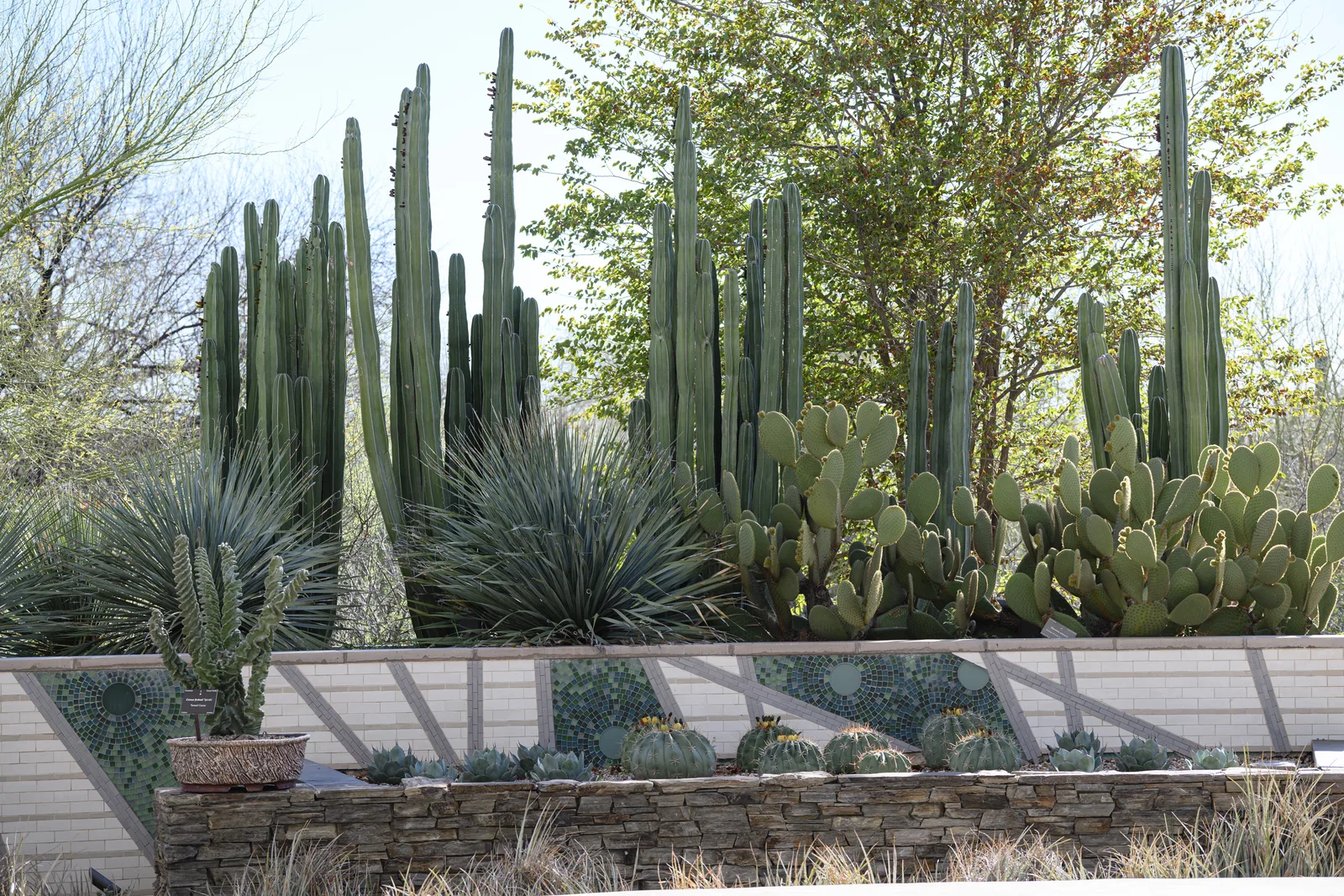
The honest negative here is simple. A desert garden in high summer is a morning-only trip. I go at opening, carry water, wear a hat, and leave before the light turns punishing. The garden rewards that discipline with a quiet hour when the birds are active and the trails are nearly empty.
Desert gardens also cured me of the idea that a garden must be lush to be beautiful. A single agave, lit from the side, holds my attention longer than a whole bed of bedding plants, and that lesson changed how I plant my own small patch of ground.
Spring Is the Argument, Not the Season
Ask gardeners when to go and most will say spring, and most will be right, but for a narrower reason than people think. Spring is not the best season because everything blooms at once. It is the best season because change is visible day to day. A bed you walk on Monday looks different on Friday, and that visible change makes a slow walk feel like a story instead of a stroll. These are the botanical gardens worth visiting in spring, in my experience: the ones with layered plantings where early bulbs, flowering shrubs, and emerging perennials overlap rather than taking turns.
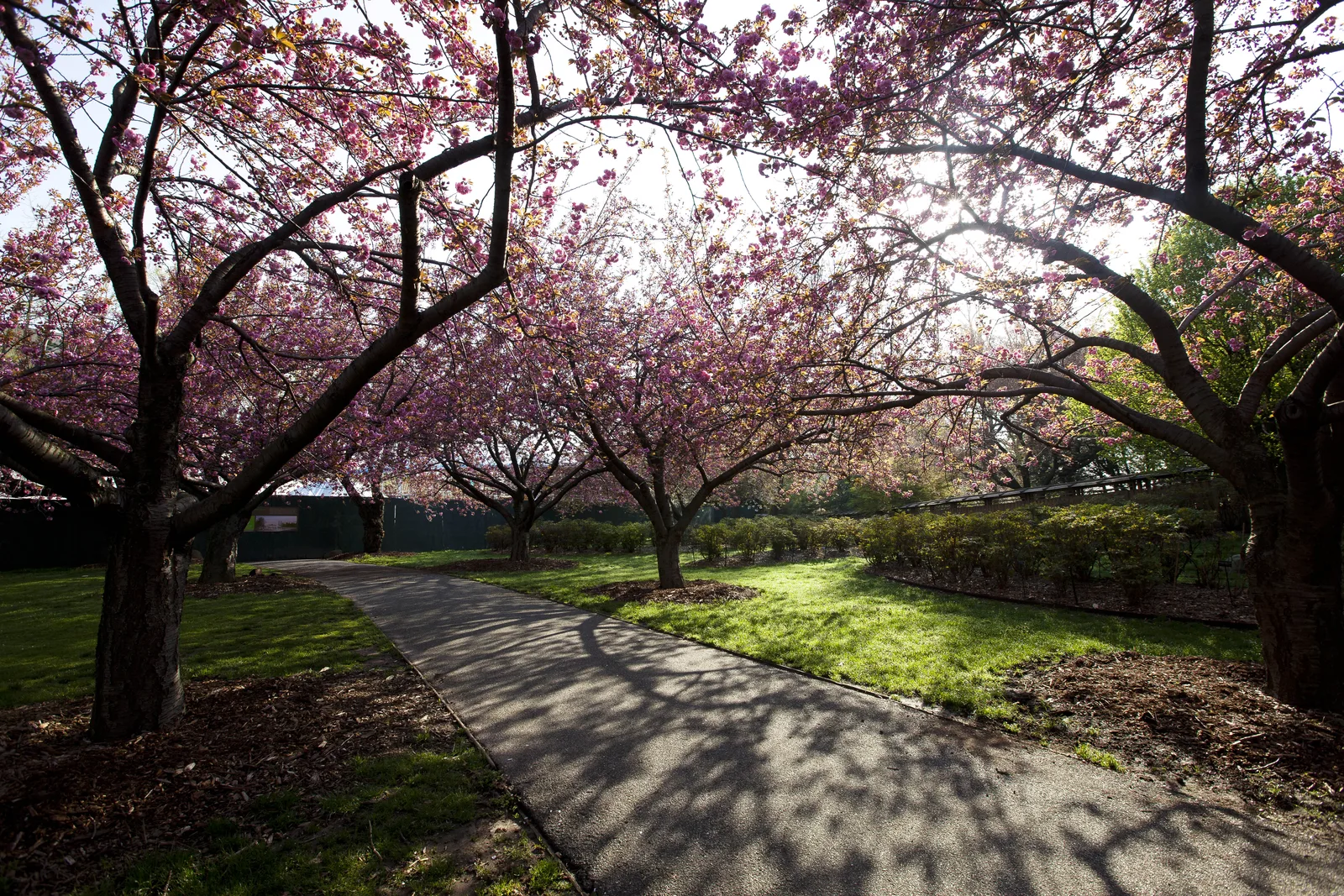
The catch is crowds. Spring weekends at famous gardens fill up, and a garden packed shoulder to shoulder loses the quiet that makes it work. I go on weekdays when I can, I arrive at opening, and I pick one famous garden and one quieter garden for the same trip, so the famous one gives me the spectacle and the quiet one gives me the bench time. If you can only go on a weekend, pick the quieter garden and skip the famous one. A garden you can hear is better than a garden you can only photograph.
Spring also tests a garden’s honesty. A garden that plants only for a two week bloom peak will look thin the rest of the year. The gardens I trust plant for four seasons, with bark and seed heads and evergreen structure carrying the months when flowers rest. Ask at the entrance what looks good here in November. The answer tells you whether the garden is a collection or a composition.
Free Gardens and the Ones Worth Paying For
Some of the best garden hours I have had cost nothing. The United States Botanic Garden, in Washington, District of Columbia, sits near the Capitol, and its conservatory is free, which still surprises me every time I walk in. The plantings are serious, the labels are clear, and the crowd is a mix of tourists, office workers on lunch breaks, and school groups, which gives the place a civic feeling no ticketed garden can fake. I check the official United States Botanic Garden site before a visit, because conservatory rooms close in rotation for care.
Free gardens have a limit. They rarely have the staff or the space for the big seasonal displays, and their cafes and restrooms are often modest. A paid garden buys you room to roam, a proper place to sit with lunch, and plantings maintained at a level a free garden cannot always match. I pay happily where the money shows in the soil, the paths, and the labels, and I skip the paid garden where the money shows only in the gift shop.
The free botanical gardens in usa worth seeking out share one trait: a clear local mission. They plant what grows in their region, they teach from it, and they do not pretend to be a larger garden. A small free garden that knows its own climate teaches more than a large garden that imports everything and waters it into submission.
Gardens With Kids Without the Meltdown
Kids and gardens can work, but only if you drop the adult plan. A child does not care about a plant collection. A child cares about water, dirt, shade, and something to climb near, and the gardens that welcome kids build for that. I look for a children’s garden area, a stream or splash feature, and a trail loop short enough that a tired child can finish it without a negotiation.
My rule is one hour of garden, then food, then a decision. A child who eats lunch under a tree will often ask to go back in, while a child dragged through three more beds will ask to leave and mean it. I bring a snack, I let the child pick one path, and I read exactly one label out loud per bed, the most interesting one, not the longest one. That small ritual keeps a garden visit feeling like discovery instead of school.
For the wider shape of a family trip, my guide to family destinations USA covers the same pace logic I use here: one main activity in the morning, a break at midday, and a free walk in the afternoon. A garden fits that pattern perfectly as the morning activity, because it tires kids out gently, outdoors, with shade and water close by.
One more honest note. Some gardens are not good for small children, and the signs will tell you so in polite language about fragile plantings and quiet zones. Believe the signs. A garden built for contemplation will not become a playground because you brought a stroller.
The Couples Test: Slow Mornings, One Good Lunch
Gardens are good couple trips for a reason that has little to do with romance and everything to do with pace. Two people can walk a garden together without agreeing on an itinerary, because the paths do the agreeing for them. You walk, you stop, you point, you sit. Conversation happens in the gaps, and the gaps are the point. These are the botanical gardens for couples usa trips I recommend most: the ones with benches placed for two, shade at midday, and a lunch spot nearby that does not require driving across town.
I plan a couples garden day as a morning in the garden and lunch in the nearest town with a main street, not as a full day inside the gates. A garden morning followed by a long lunch feels complete. A garden day that stretches past lunch starts to feel like a march, and even the best planting cannot survive a march. If the town also has a tasting room or a wine bar, so much the better, and I plan that pairing the way I plan my wine regions USA weekends: one slow activity, food in between, and a walk in the evening.
The gardens that fail the couples test are the ones with no shade, no seating, and no water. I have left such gardens early with a headache, and the garden was at fault for giving me nowhere to recover from the weather. Before a couples trip I check for benches and shade the way other travelers check for parking.
What I Pack and What I Skip
I pack light for gardens, and the list has barely changed in years. Water, a hat, comfortable shoes with grip for gravel and wet stone, a small notebook, and a snack. The notebook matters more than the camera, because a plant name written down at noon is still there at dinner, while a photo of a label is one I never look at again.
I skip the guided tram on a first visit unless the garden is very large or the heat is serious. Walking teaches the layout, and a tram teaches the highlights, and highlights are the wrong way to learn a garden. I also skip the plant sale on arrival and save it for departure, because carrying a potted plant through a garden is a chore disguised as a souvenir. Buy at the end, if the plant will survive your climate and your luggage, and leave it if it will not.
For trip shape, my guide to weekend trips USA covers the same base town logic I use for garden weekends: one town, one garden in the morning, food in town, and a walk in the evening. The region changes, the pattern holds, and it keeps a garden trip from turning into a driving trip with a garden attached.
Questions I Get Asked at the Garden Gate
Which garden should a first timer pick?
Pick the garden closest to a town you already like, not the most famous garden in the country. A garden near a good lunch and a walkable main street beats a famous garden at the end of a long drive. Save the famous garden for a trip built around it.
Are the big gardens better than the small ones?
Not always, and often not. Big gardens offer range, small gardens offer coherence, and coherence wins for a first visit. The largest botanical garden in us discussions miss this point, because size is measured in acres while a visit is measured in attention.
How long should a garden visit last?
Two to three hours is my pick for most gardens, with a break in the middle for water and a bench. Smaller gardens need about ninety minutes, and very large gardens can stretch to four hours with a proper lunch break inside the grounds. Leave before you are tired, not after.
Can you visit gardens on a budget?
Yes, and the free gardens prove it, especially the national garden in Washington and the many university and city gardens that charge nothing. Pair a free garden with a packed lunch and a walk in the surrounding park, and the day costs little more than transport.

Book the Morning, Bring Water, Leave Room for One Bench
If you take one habit from this article, take the morning. Book the first hours of the day, walk the quiet paths first, and sit on one bench long enough for the garden to stop being a view and start being a place. Bring water, a hat, and a notebook, and leave half the map unseen on purpose. The garden will still be there, and the bench will teach you more than the checklist ever did.