Affordable Christmas Getaways That Still Feel Like Christmas, Not Like a Cut Corner
I have taken affordable Christmas getaways that felt rich and expensive ones that felt thin, and the difference was never the nightly rate. It was whether the town gave me something free to do after dark, a room I could walk from, and a meal I did not have to queue for. A cheap trip that makes you drive everywhere, pay for every hour, and eat in a hurry is not affordable. It is expensive in the ways that matter, time, patience, and the holiday itself.
My Affordable Christmas Getaways Rule: Free Evenings First
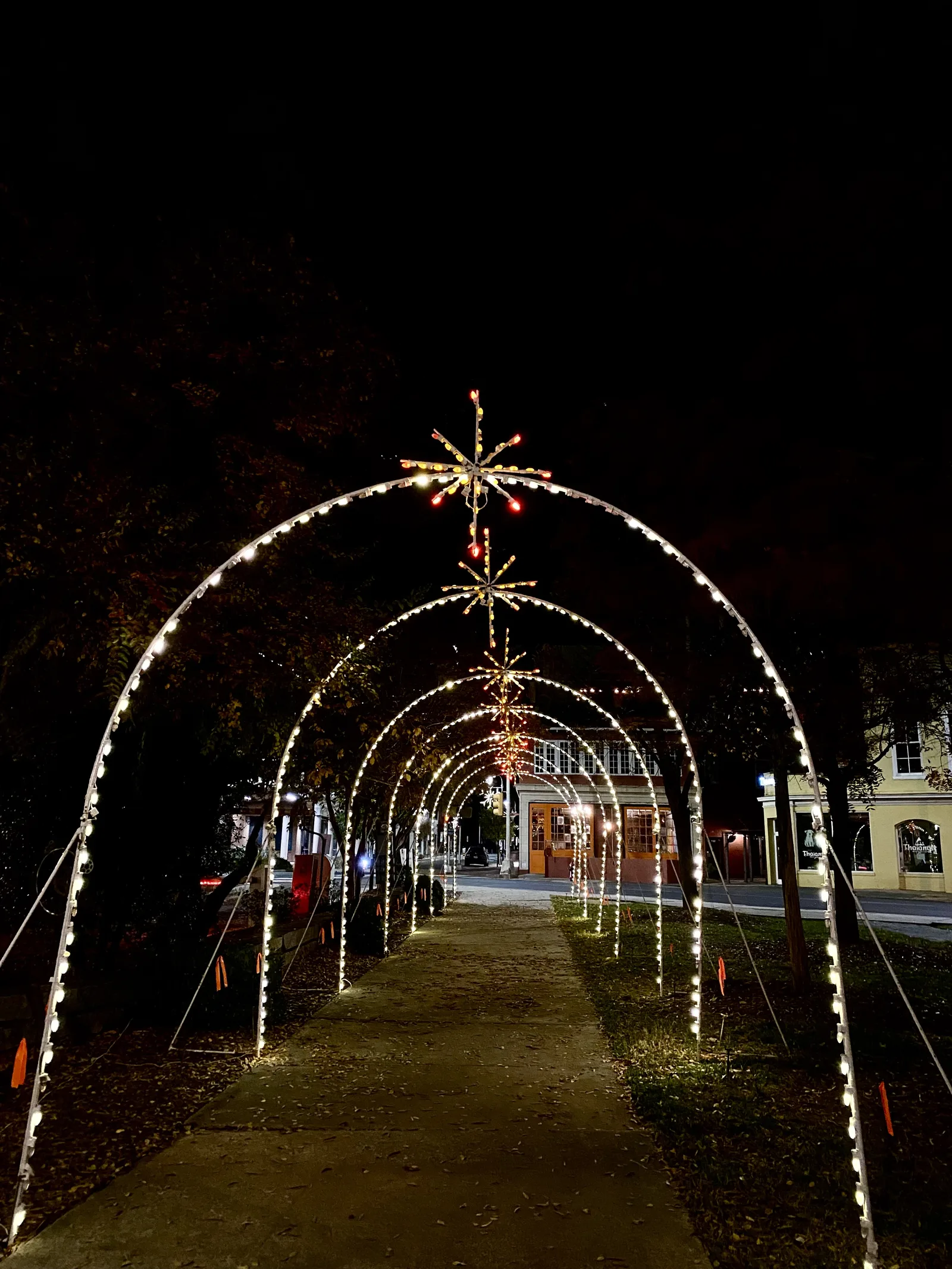
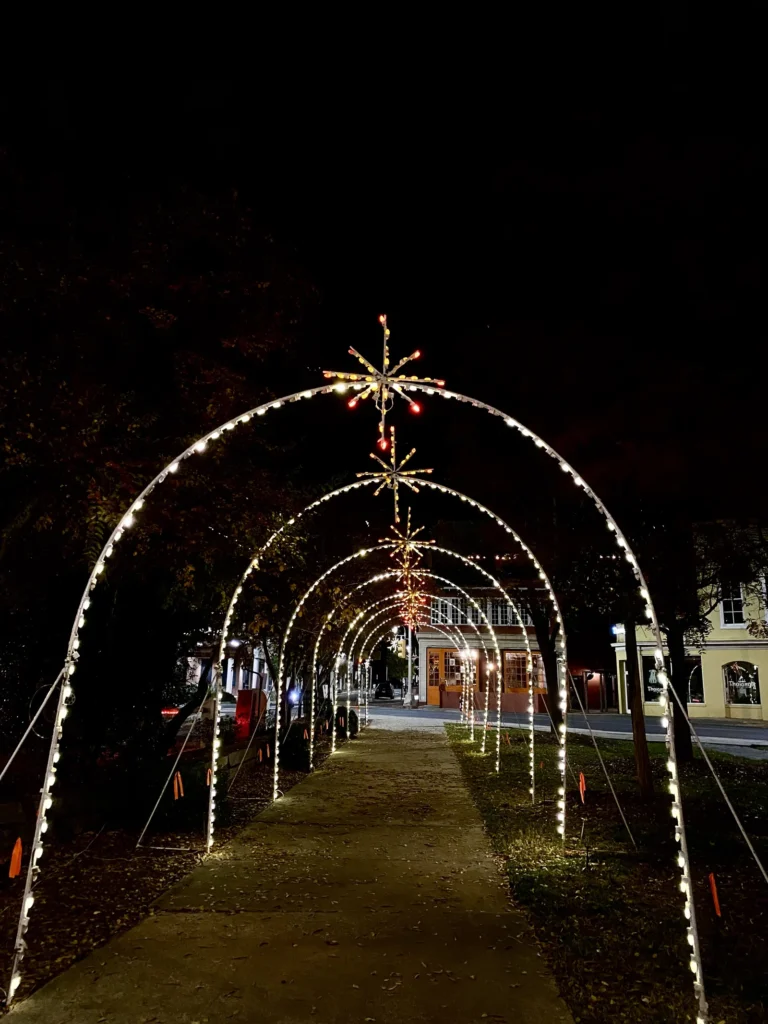
My rule is simple, and I use it before I look at any price. A town qualifies as affordable for Christmas only if I can fill two evenings for free, by walking. A lit main street, a town green, a park with lights, a church service open to visitors, a market I can browse without buying. If a town needs a ticket for every evening, the room rate is a trick, because the evenings will cost more than the room saved.
I learned this in a town where the hotel was cheap and the only evening option was a $40 attraction per person. For a family of four, that was $160 a night before dinner, and the cheap hotel suddenly cost more than a pricier room in a town with free lights. The next year I paid more for a room in a town with a free lights walk, cooked breakfast, and ate one meal out a day, and the whole trip cost less.
That is the math I want you to use. Room plus evenings plus food plus transport, not room alone. A town with free evenings, a kitchenette, and a grocery store beats a cheap room in a town with nothing free, every time.
Small Towns Beat Big Cities on Price, Every December
Big cities charge December prices for everything, hotel, parking, food, and a ride across town when you are tired. Small towns charge less for the room, and they give you the walk for free. I spent a December weekend in a small town where the room cost less than a city parking bill, the diner served breakfast all day, and the main street lights were the evening event. Nobody in my family asked for a paid attraction, because the town itself was the attraction.
The catch with small towns is Christmas Day. Shops close, restaurants switch to limited hours, and a town that was lively on the 23rd can be quiet on the 25th. I check Christmas Day openings before I book, I book Christmas Eve dinner in advance, and I plan a walk, not a shopping trip, for the 25th. A quiet Christmas Day in a pretty town is lovely, if you expected it.
I also pick small towns within driving distance when the budget is tight. A flight, a rental car, and airport parking can cost more than three nights in a small town. Driving two hours to a town you can walk beats flying two hours to a city you have to drive through. The money saved on transport is the money that pays for a good dinner on Christmas Eve.
For the small-town test I use, walkable main street, a good diner, and something free after dark, my guide to small towns in New England is the clearest version of it. Many of those towns decorate well in December, and they are easier to reach from Boston, Massachusetts or New York City, New York than a mountain resort is.
National Parks and Public Land: The Cheapest Christmas Backdrop
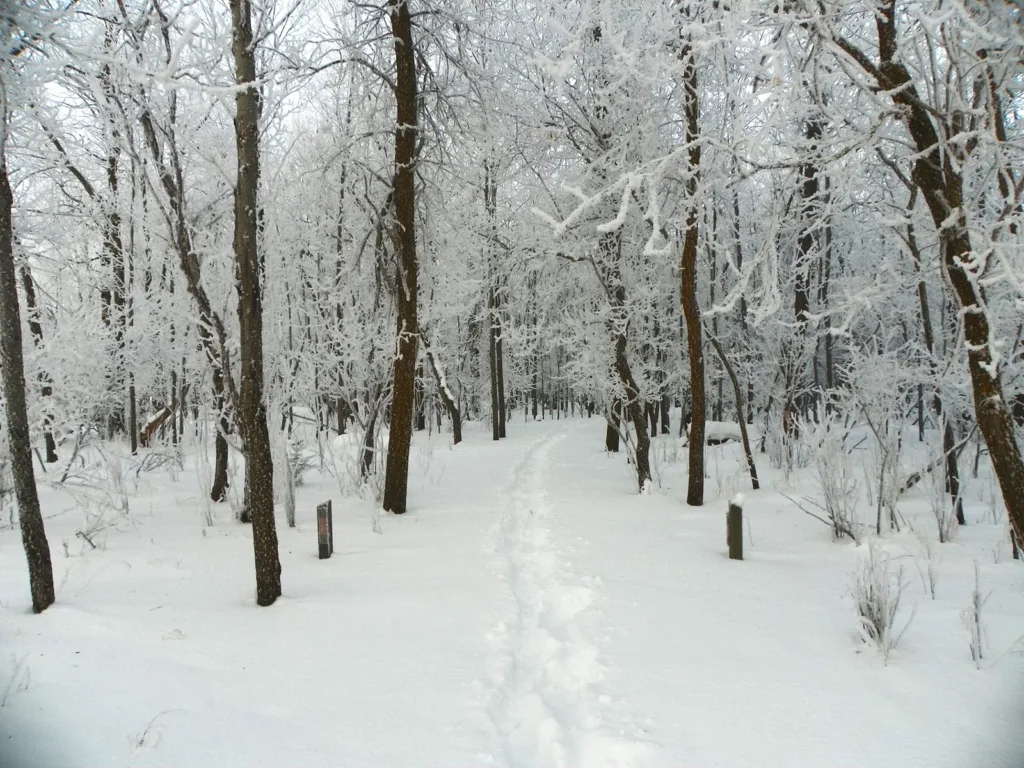
Public land is the best budget tool most travelers ignore in December. National parks, state parks, and national forests do not charge a Christmas premium, and many are quieter in winter than in summer. I spent a December day in a national park where the entrance was uncrowded, the trails were snowy but walkable, and the visitor center had a ranger program that cost nothing. The day cost us lunch and gas.
Winter in a park needs a check first, not a hope. Roads close, facilities shut for the season, and a park that looks open on a travel site can have its main road closed. I check the National Park Service site for the specific park, for road status, for facility hours, and for winter safety advice, before I drive. I also check Recreation.gov for any reservation or permit the park requires in winter, because some parks that are free in summer need a timed entry in peak season.
The budget trap in a park trip is lodging just outside the gate. Gateway towns charge peak rates in December, even when the park is quiet. I stay one town farther out, where rates drop, and I drive in early, before the day-trippers arrive. A thirty-minute drive in the morning, with a thermos and a plan, saves more than a premium room saves time.
For a park trip that pairs with a Christmas town, I like a town with a free evening and a park day trip, not a park lodge for every night. One lodge night, if you want it, and the rest in town, where food is cheaper and evenings are free.
How I Cut Food Costs Without Cooking Every Meal
Food is where Christmas budgets leak, quietly, one coffee and pastry at a time. I do not cook every meal on vacation, because that is not a vacation. I cook breakfast, I eat one meal out a day, and I snack from a grocery store for the other. That pattern cuts food costs by roughly a third compared with eating out three times a day, without turning the trip into kitchen duty.
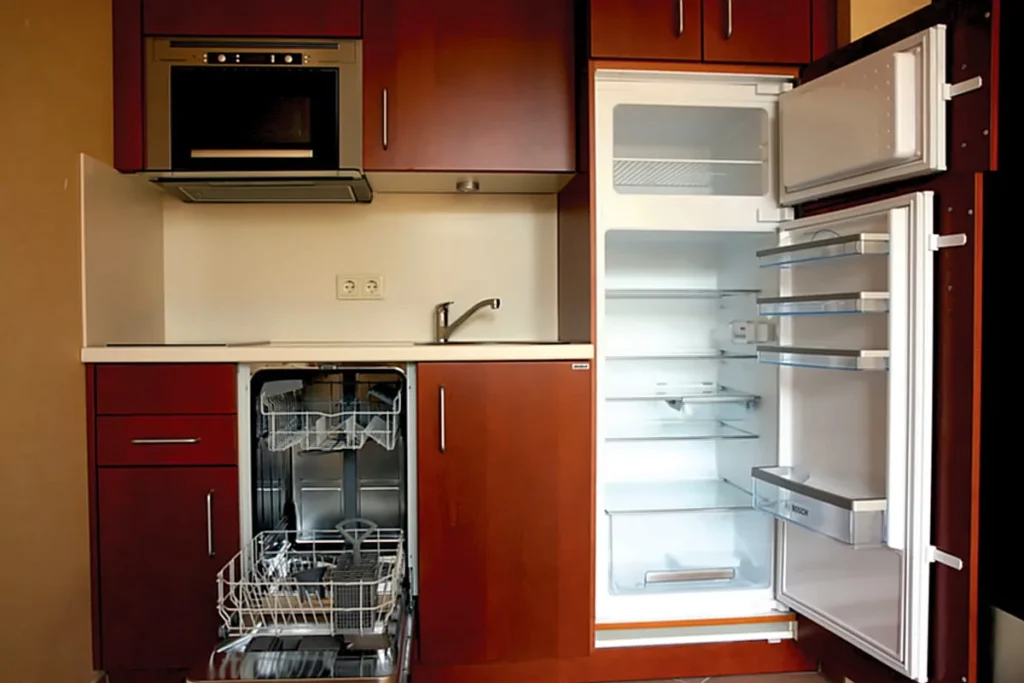
A room with a kitchenette pays for itself in two breakfasts. I buy eggs, bread, coffee, and fruit on arrival, I eat breakfast in the room, and I spend the saved money on one good dinner, not three average ones. A diner breakfast, if I want it, is a treat, not a daily habit.
I also set a treat rule for kids, and for myself. One treat per day, picked in the morning, not bought on impulse every time we pass a shop. One hot chocolate, one pastry, one ornament. That rule stops the slow leak of small purchases, and it makes the treat feel special instead of constant.
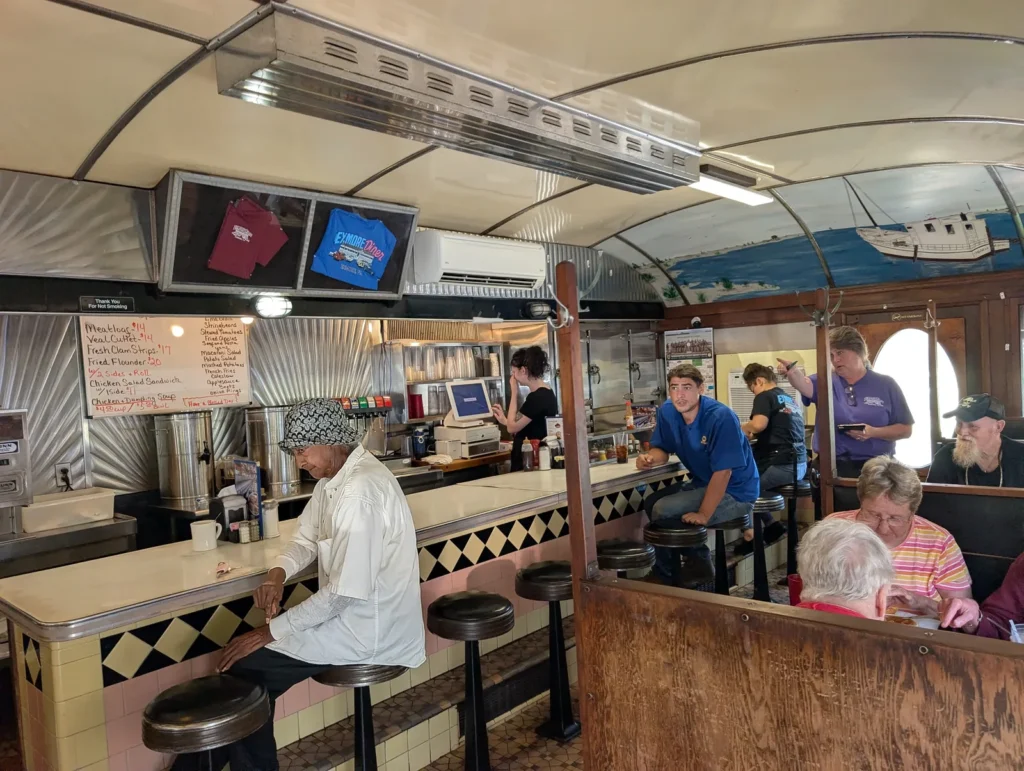
The most expensive food mistake I see is eating dinner in the most touristy spot on the main street, at peak hour, without a reservation. I walk one street over, I eat earlier, and I ask a local shopkeeper where they eat. That question has saved me money and given me better meals more times than any guidebook list.
Trains, Buses, and the Car You Might Not Need
Transport is the second budget leak, after food. A rental car for a week, with parking, gas, and insurance, can cost more than the room in a small town. Before I rent, I ask whether the town is walkable, whether a train or bus reaches it, and whether I need a car for even one day, or for the whole trip.
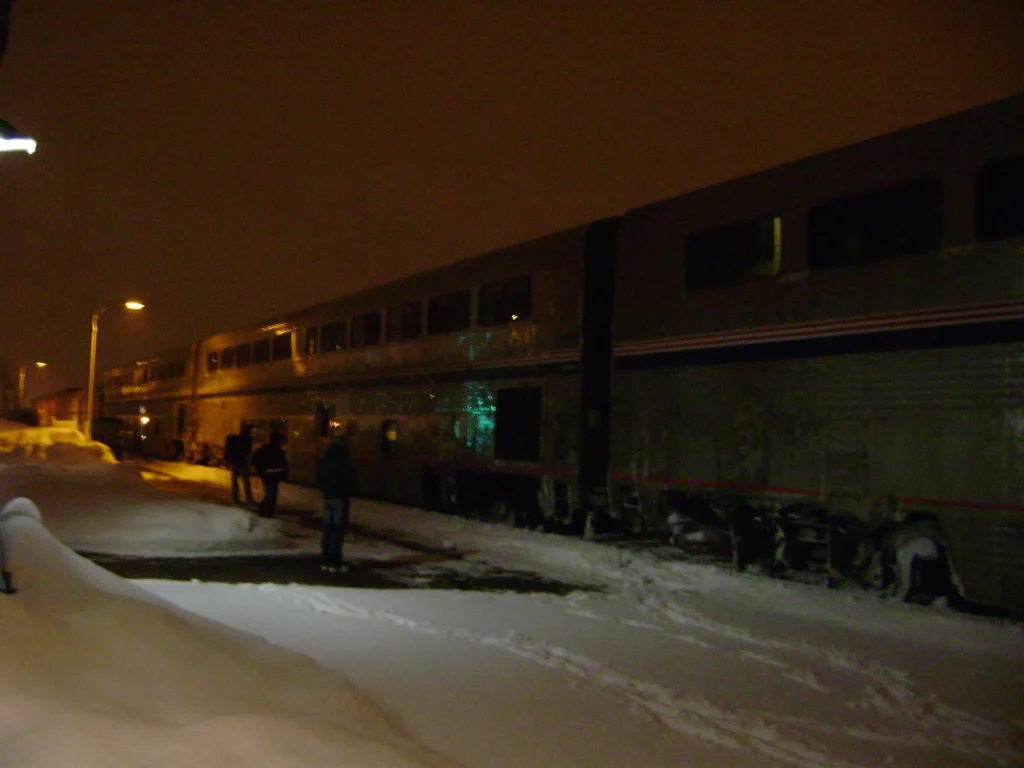
Amtrak is my first check for a Christmas trip that does not need a car at both ends. A train into a walkable town, with a room near the station, can replace a flight and a rental car, and the train ride itself becomes part of the holiday. I check Amtrak directly for schedules and fares, because third-party sites can show a different schedule, and I book early for December weekends, when trains fill.
If I do need a car, I rent for the days I need it, not the whole trip. I take a train or bus into town, I rent a car for a day trip to a park or a second town, and I return it the same day. That pattern, train in, car for a day, train out, has saved me hundreds on trips where a week-long rental would have sat parked for five days.
For a train-first Christmas trip, with coach cars, weeknight tips, and operators I recommend, my Christmas train rides guide covers the rides that pair well with a budget town stay. A train day is a contained day, with a start and an end, which also helps a family budget, because there is no extra driving, parking, or impulse stop on the way home.
Free and Cheap Christmas Events Worth Planning Around
The best cheap Christmas events are public, and they repeat every year, which means you can plan around them without a ticket. Tree lightings, light walks, markets, carol sings, and parades. I check the official town tourism site for dates, because a tree lighting that was on the first Friday last year can move, and a roundup post will not tell you.
Markets deserve a specific budget warning. A market is free to enter, and it is easy to spend $100 on ornaments, food, and gifts you did not plan to buy. I set a market budget before I go, in cash, and I buy one ornament from a maker, not five from resellers. The cash limit is the trick. A card makes a market feel free until the statement arrives.
For market towns with stall-by-stall advice, and for the weekday-evening trick that makes markets enjoyable instead of crowded, my Christmas markets guide is the companion piece here. Markets are where a cheap Christmas trip can get expensive, or where it can stay cheap, depending on whether you set a limit before you walk in.
I also look for library, church, and community events, which are often free and often better than paid shows. A community choir, a school concert open to the public, a library story hour. These events are where a town feels like itself, and they cost nothing, which is the point of a budget trip that still feels like Christmas.
What Cheap Means, and What It Does Not
Cheap does not mean uncomfortable, cold, or far from everything. I will not book a room that is cold, dirty, or a long drive from the town, just because it is cheap. A bad room ruins a budget trip faster than a good room costs, because you spend the trip trying to get warm, trying to get clean, or trying to get into town.
Cheap also does not mean skipping the one thing that makes the trip special. If a town has one paid event that is worth it, a train ride, a show, a tour, I budget for that one thing and cut elsewhere, usually by cooking breakfast and skipping a second paid event. One good paid event, plus free evenings, is a rich trip. Five average paid events, plus a cheap room far away, is a thin trip that cost more.
My test for any cheap trip is this. At the end of the day, can I walk outside, see lights, and feel like I am on holiday, without paying again. If yes, the trip is affordable, whatever the room cost. If no, the trip is expensive, whatever the room cost.

A Sample Budget Week, Without Invented Prices
I will not quote prices I have not verified for 2026, because December rates change by weekend and by town, and a fake precise budget is worse than a general one. Instead, here is the shape of a budget week that has worked for me, with the levers that move the total.
Drive, do not fly, to a walkable small town within three hours. Book a room with a kitchenette, in town, for five nights, not seven, with a travel day on each end at home. Cook breakfast, eat one meal out a day, set a market budget in cash. Fill evenings with free lights walks, a library or community event, and one paid train ride or show, booked early. That shape, with those levers, has consistently cost my family less than a city hotel weekend, while feeling longer and calmer.
The levers, in order of impact, are transport first, room location second, food pattern third, and paid events last. Most budget advice starts with events, because they are visible. The money is in transport and food, because they repeat every day.
Book It Cheap, Book It in This Order
Book the room in town first, because a cheap room far away is not cheap. Book Christmas Eve dinner second, because small-town restaurants fill. Book the one paid event third, early, because it is the only ticket that truly sells out. Book transport last, flexibly, because December weather changes plans and a cheap non-refundable ticket can become a loss.
Check official sources for every date that matters. Town tourism for events, National Park Service for park roads, Amtrak for trains, Recreation.gov for permits. A roundup post is a starting point, not a source, and a budget trip built on wrong dates costs more than a trip built on right ones.
The Getaway I Would Book Again on a Tight Budget
If money were tight and Christmas mattered, I would drive to a small town I can walk, book a kitchenette room in town for five nights, and plan free evenings, one paid train ride, and one good dinner on Christmas Eve. I would cook breakfast, eat lunch from a grocery store, and spend the saved money on a walk, not a queue.
That trip is not a cut corner. It is the trip I remember, because the evenings were free, the town was walkable, and nobody was counting tickets. Affordable, done right, does not feel cheap. It feels calm.