Fifteen Things to Do in Seattle, Done Slowly, in One Weekend Loop
Seattle is one of the most populous cities in the US, and it still feels like a town that runs on ferries, coffee, and rain. I spent a long November weekend there with no car, no tight schedule, and a list I had built over three earlier trips, and the city rewarded the slow pace. The things to do Seattle hands you in late November are not the summer postcards. They are markets at 8 AM, a tower above the clouds, a ferry across grey water, and neighbourhoods that look better in the rain than they do in the sun. Here are the 15 stops I would repeat, in the order I would do them.
The 15 Things to Do Seattle, in the Order I Would Do Them
Day One: The Market, the Needle, and the View
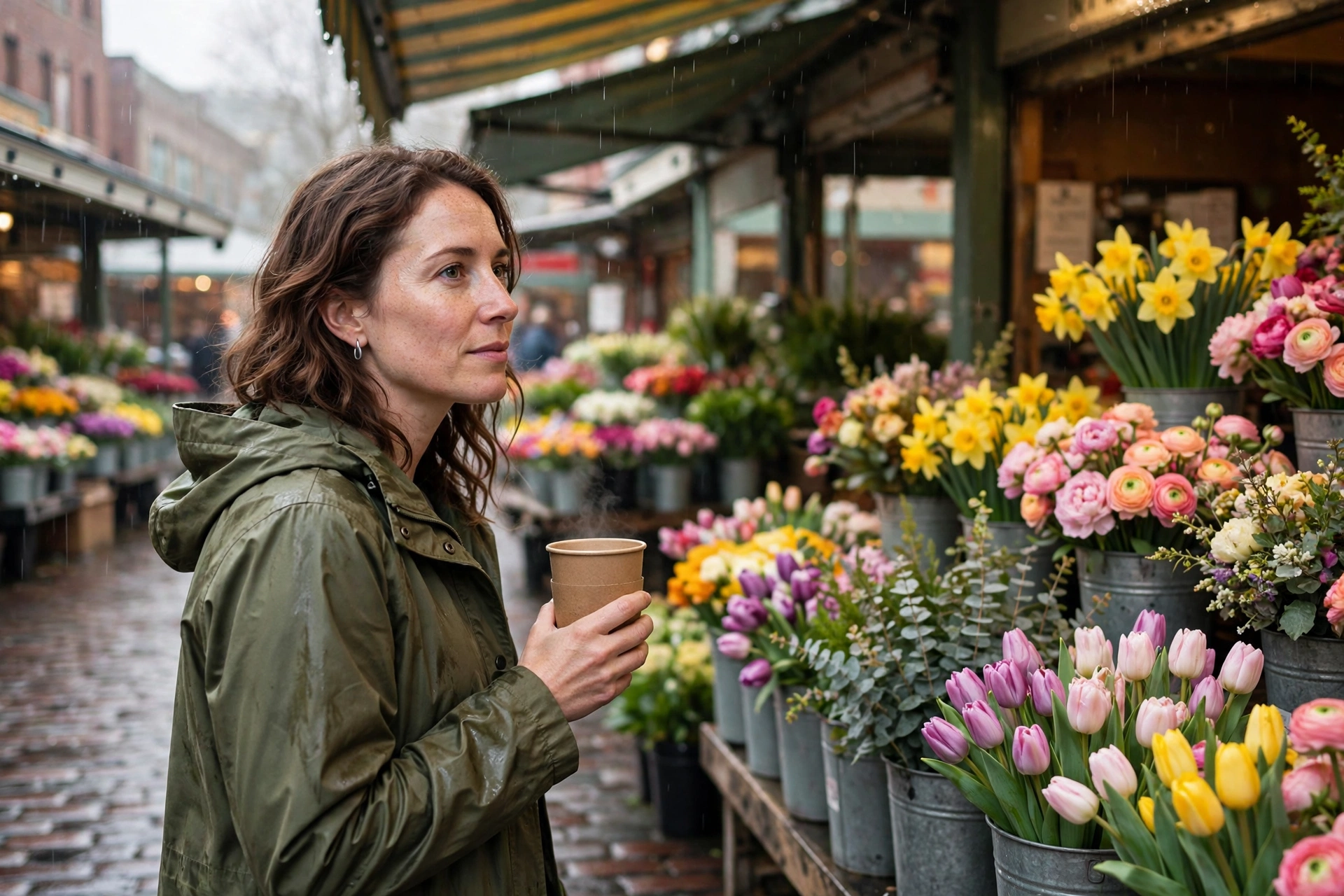
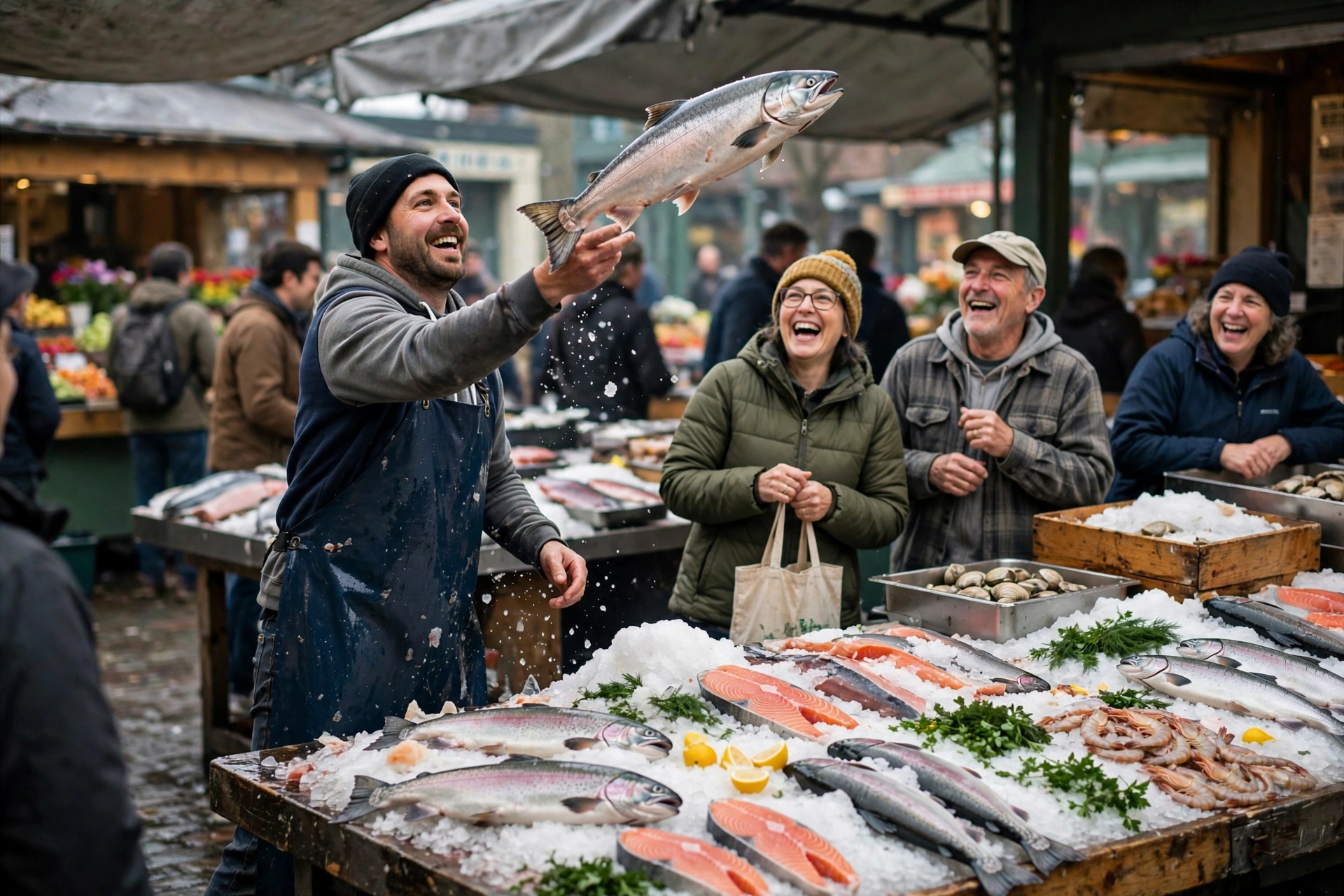
1. Pike Place Market. Start at 8 AM, before the crowds arrive. The market opened in 1907 and is one of the oldest continuously operating public markets in the country. The fish-throwing at Pike Place Fish Market is real, loud, and worth watching once. I buy breakfast from a bakery stall, coffee from a vendor who remembers regulars, and flowers from the stands on the main arcade, which cost less here than anywhere else in the city. The lower levels hold the shops tourists miss, and the market’s own site lists the vendors and the hours before you go.
2. Space Needle. Walk from the market to Seattle Center on the monorail, which takes about two minutes and costs a few dollars, or walk the mile if the rain holds off. The Needle was built for the 1962 World’s Fair, and the top deck still delivers the best view in the city. The open-air deck has glass benches that lean you out over the edge, and the Loupe, the revolving glass floor one level down, turns slowly enough that you barely notice it moving. Tickets are timed, and general admission runs $35 to $55 for adults depending on the date and time, so book the slot you want and check the official site for the day’s price before you buy.
3. Chihuly Garden and Glass. It sits at the foot of the Needle at 305 Harrison Street, and the walk between the two takes about a minute. Dale Chihuly’s blown-glass work fills eight galleries, a glasshouse with a 100-foot suspended sculpture, and a garden where glass and plants share the same beds. Adult admission runs $40 to $45, and the official combo with the Needle and an IMAX film costs $74. Give it 90 minutes. The glasshouse is the room people photograph, but the garden in the rain is the part I remember.
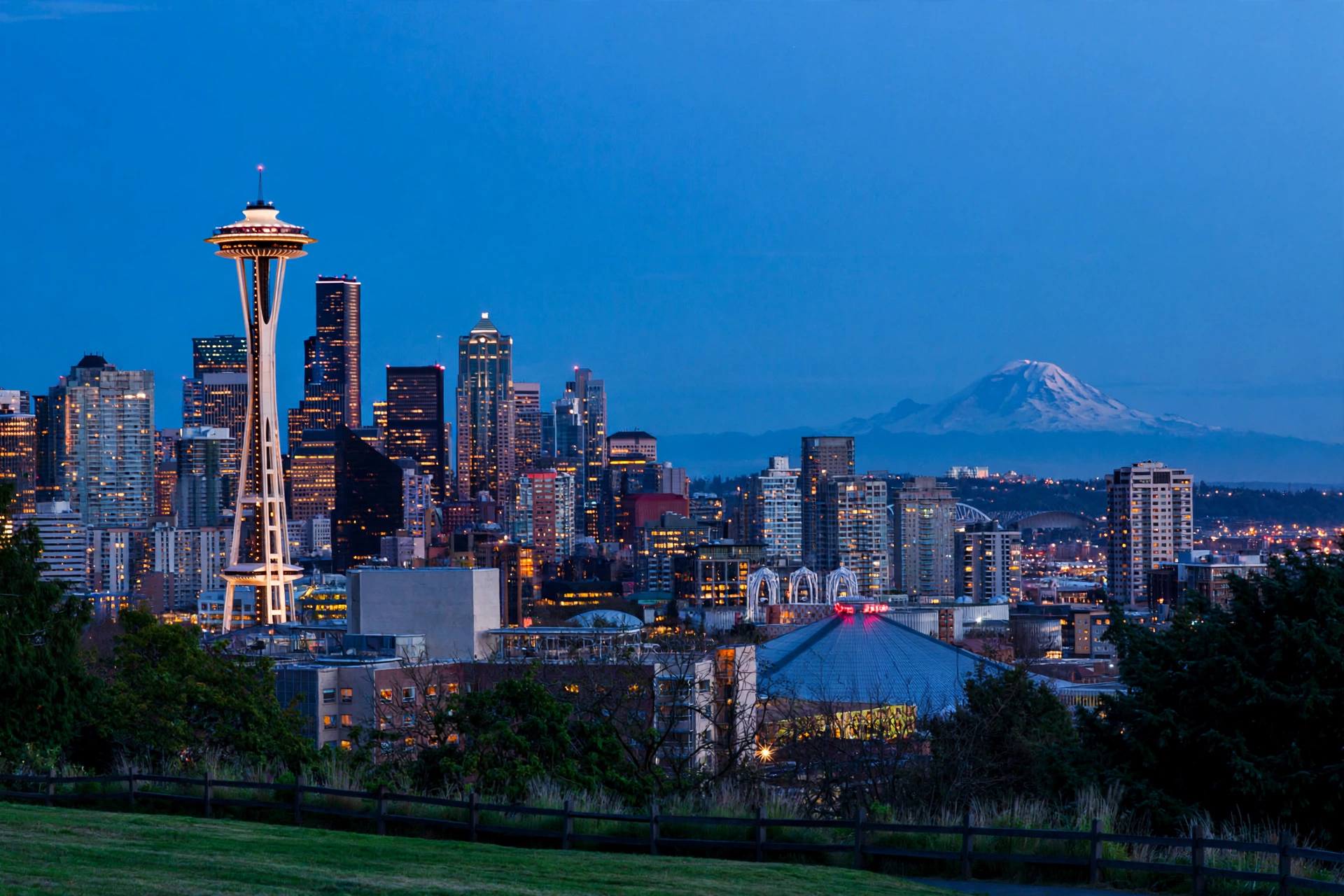
4. Kerry Park. End day one on Queen Anne Hill at Kerry Park, a small viewpoint at 211 West Highland Drive with the classic postcard: downtown, the Needle, Elliott Bay, and Mount Rainier behind it all on a clear evening. It is free, it is small, and it fills up at sunset. Go an hour before sunset, bring a coat, and stay for the lights. This is the view of the Needle, not from it, and it is the better photograph.
Day Two: Water, Locks, and the Weird Side
5. The Waterfront and Overlook Walk. Start at the Seattle Aquarium end of the waterfront and walk south along the new Overlook Walk, which connects Pike Place Market down to the water on a wide pedestrian bridge. The waterfront was rebuilt in the last few years, and the walk is the best free thing downtown. The piers hold the tourist shops and the seafood counters. I skip the shops and eat at the counter places where the fishermen eat.
6. Seattle Aquarium. It sits on Pier 59, right on the water, and it is smaller than the Georgia Aquarium but better for what it is: a Puget Sound aquarium, full of local water. The giant Pacific octopus is the star, and the tide-pool touch tanks are where kids spend their time. Give it 90 minutes, and go early, when the school groups have not arrived yet.
7. Seattle Great Wheel. The wheel stands on Pier 57, and a ride takes about 20 minutes for three slow turns over the bay. Think of it as a moving viewpoint: on a clear evening the city lights come on while you are at the top. The gondolas are enclosed and heated, which matters in November.
8. Museum of Pop Culture. MoPOP sits at Seattle Center in the Frank Gehry building that looks like a crumpled guitar, and the inside matches the outside. The music exhibits, the science-fiction galleries, and the rotating shows are all worth an hour or two. Check the schedule before you go. The museum closes for private events more often than people expect, and a wasted trip across town is the one mistake I keep making.
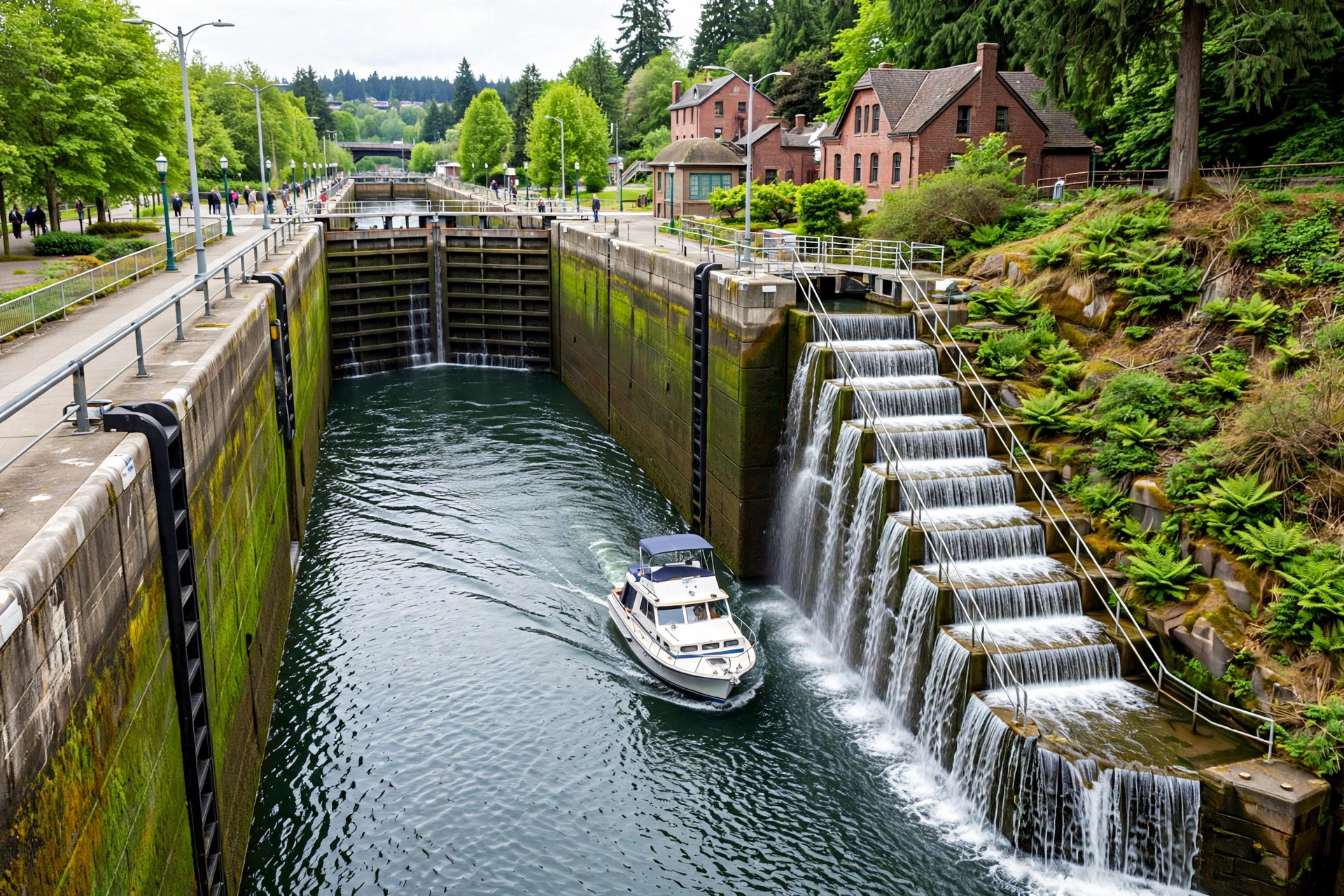
9. Ballard Locks. Take the bus north to Ballard and walk the Hiram M. Chittenden Locks, where boats rise and fall between Puget Sound and Lake Union. The salmon ladder runs beside the locks, and in season you can watch salmon climb the steps through the viewing windows. November is past the main run, but the locks themselves are worth the trip, and Ballard’s main street has the best lunch in the city.
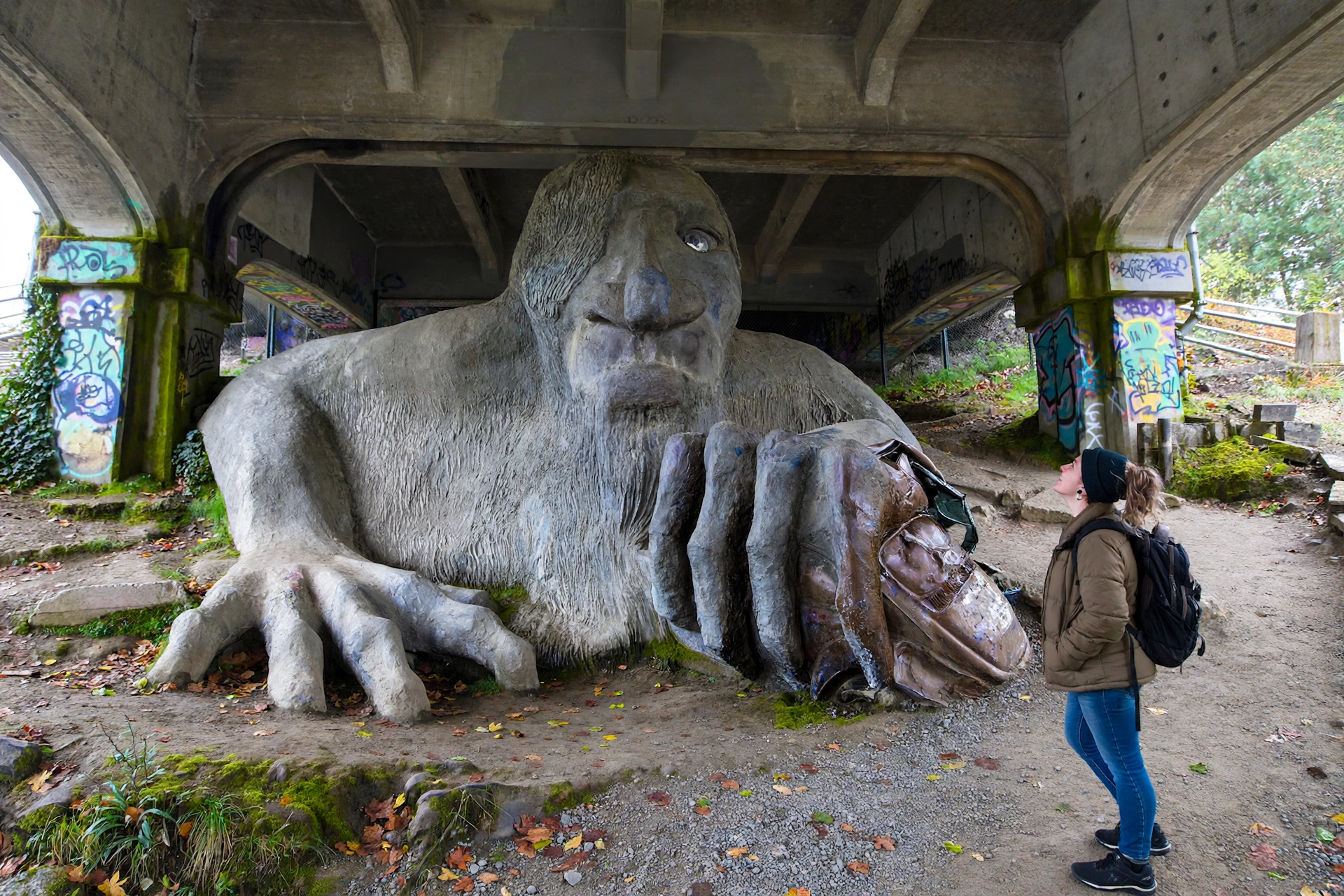
10. Fremont Troll. From Ballard, cross to Fremont and walk under the Aurora Bridge to find the Troll, an 18-foot concrete sculpture clutching a real Volkswagen Beetle. It has been there since 1990, and it is exactly as strange as it sounds. The neighbourhood around it is worth an hour: bookshops, a chocolate factory, and the Sunday market if your weekend lines up.
Day Three: Neighbourhoods and the Rain Plan
11. Pioneer Square Underground Tour. Start in Pioneer Square, the city’s oldest neighbourhood, and take the Underground Tour through the buried streets and storefronts left behind when the city rebuilt after the 1889 fire. The guides are funny, the stories are dark, and the underground passages are the driest place in Seattle on a rainy day. Book ahead. The morning tours sell out on weekends.
12. Capitol Hill. Ride the light rail up to Capitol Hill and spend the morning walking. The hill holds the city’s best bookshops, its busiest brunch spots, and Volunteer Park, with its conservatory and the water tower view. The neighbourhood is where Seattle lives when it is not performing for visitors, and the coffee here is better than downtown, at half the line.
13. Fremont, on foot. Fremont earns a second visit on foot, without the Troll as the goal. Walk the main street slowly, stop at the chocolate factory, and eat at one of the small restaurants on the side streets. The neighbourhood calls itself the center of the universe, and on a grey afternoon with a warm bowl of noodles in front of you, it is hard to argue.
14. A coffee crawl, done properly. Seattle’s coffee scene is not one shop. It is a crawl, and the right way to do it is three shops in three neighbourhoods, one cup each, no laptops, no rush. Start at the market, take one in Capitol Hill, and finish in Fremont. The Starbucks at Pike Place draws a line out the door most mornings, and I skip it. The line is the attraction, not the coffee, and the independent shops a block away pour a better cup for less money.
The One Day Trip Worth the Drive
15. Snoqualmie Falls. If you have a car for one day, drive 30 miles east to Snoqualmie Falls, a 268-foot waterfall with a free park and a short walk to the viewpoints. The falls run hard in November, and the mist off the base soaks the lower viewpoint. The lodge above the falls is a good lunch stop. If you only have time for one trip out of the city, this is the one. Mount Rainier is the bigger name, but it is two hours each way, and in November the mountain hides behind clouds more often than it shows itself.
November in Seattle: The Rain Plan
Late November in Seattle is rainy and short-dayed, and the honest version of this list says so. Sunset lands around 4:30 PM, the rain comes in waves rather than all-day downpours, and the temperature sits in the 40s and low 50s. Pack a waterproof shell, not an umbrella, and layers you can add or shed. The rain plan is simple: do the outdoor stops in the gaps between showers, and keep the indoor stops, the market’s lower levels, the museums, the aquarium, for the wet hours. Rain changes which things to do Seattle does best, and the city knows it. The coffee shops fill up, the museums get quiet, and the waterfront empties, which is when the waterfront is at its best.
The other November truth is the crowds, or the lack of them. Summer Seattle is packed. November Seattle is not. The Needle has short lines, the market is walkable, and the restaurants seat you without a wait. The trade is the weather, and it is a fair trade.
What the Weekend Costs
The priciest stops are the Needle and Chihuly, and the combo ticket is the way to buy them. The Needle runs $35 to $55 for adults, Chihuly $40 to $45, and the official combo with an IMAX film is $74. Book both for the same day and walk between them. The ferry to Bainbridge Island is the cheapest thrill in the city: $11.35 for an adult walk-on, paid westbound only, with the return free, and riders 18 and under free. Everything else on this list is free or cheap. Kerry Park, the waterfront, the locks, the Troll, and the neighbourhood walks cost nothing. The market costs whatever you eat. A slow weekend in Seattle runs about $150 per person for the paid stops, plus food and a hotel, which is less than a single day at a theme park.
The light rail from the airport costs a few dollars and drops you downtown, which means you do not need a car until the Snoqualmie day. Visit Seattle keeps a current calendar of free November events, which is worth a look before you book. The monorail between downtown and Seattle Center is the one ride worth paying for, and it takes two minutes. Buses cover Ballard and Fremont, and the city is walkable in a way most American cities are not.
What I Would Skip
I skip the original Starbucks line, as I said, and I skip the waterfront gift shops, which sell the same souvenirs at three times the market price. I skip the Seattle Center food court at lunch, when the school groups fill it, and eat in the market instead. And I skip the Space Needle on a cloudy day when the top is inside the cloud deck. Check the live webcam before you book, because a ticket to a whiteout is money spent on fog.
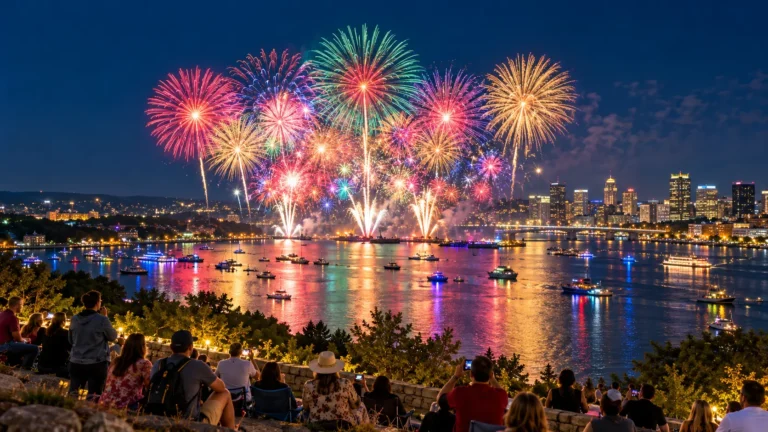
One more skip, for July rather than November: Seattle is one of the best cities to watch fireworks from Gas Works Park on the Fourth of July, but that is a July trip, not a November one, and the park is a cold, empty field in late fall.
What People Ask Before a November Weekend in Seattle
Do I need a car? No, not for the city stops. The light rail, the monorail, and the buses cover everything on this list except Snoqualmie Falls. Rent a car for one day if you want the falls, and return it the same evening.
Is two days enough? Two full days cover the market, the Needle, the waterfront, and one neighbourhood properly. Three days cover the whole list at the pace I wrote it. If you only have a weekend, cut the day trip and keep the city.
What if it rains the whole time? It will not rain the whole time. Seattle rain comes in waves, with dry gaps between them. Use the gaps for the outdoor stops and the wet hours for the museums, the market’s lower levels, and the coffee crawl. The city is built for rain, and so is this list.
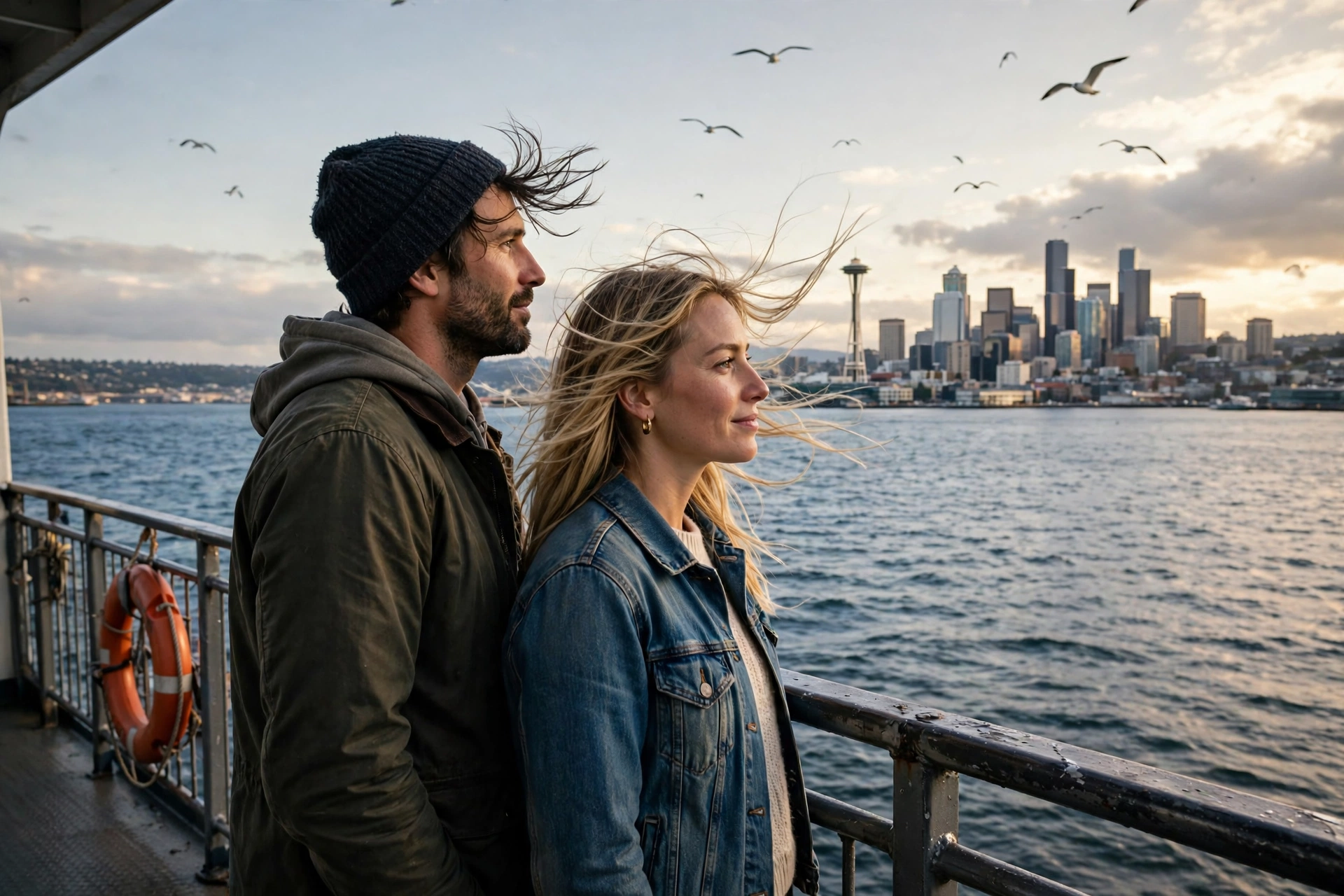
Is the Bainbridge ferry worth it if I am not going to the island? Yes, as a ride. The crossing takes about 35 minutes, the skyline view back toward Seattle is the best in the city, and the walk-on fare covers the round trip. Get off at Bainbridge, walk the main street for an hour, and come back. It is the cheapest boat ride in the Pacific Northwest.
Where should I stay? Downtown or Capitol Hill, near the light rail. Downtown puts you at the market and the waterfront. Capitol Hill puts you in the neighbourhoods. Either works, and both are walkable. Avoid the airport hotels. The light rail is cheap, but the airport is a long way from the city you came to see.
My Call on a Slow Seattle Weekend
Seattle rewards the slow weekend, and it punishes the rushed one. The city is not a checklist. It is a market at 8 AM, a tower above the clouds, a ferry across grey water, and a neighbourhood that looks better in the rain. Do the 15 stops in the order I wrote them, keep the rain plan in your pocket, and let the city set the pace. That is the Seattle trip worth taking.