I Walked Florida’s Gulf Coast End to End, and the Quiet Beaches Won
I came to Florida expecting one long crowded shoreline, and I left with a different map in my head. The Gulf side rewards patience, early mornings, and a willingness to drive past the first parking lot. Gulf Coast beaches Florida visitors picture are real, white sand and water so calm it looks poured, but the best days I had came from the stretches between the famous names. This guide covers the beaches I would return to, the towns that support them, what a day costs, and the places I would skip.
The Sand Tells You Where You Are
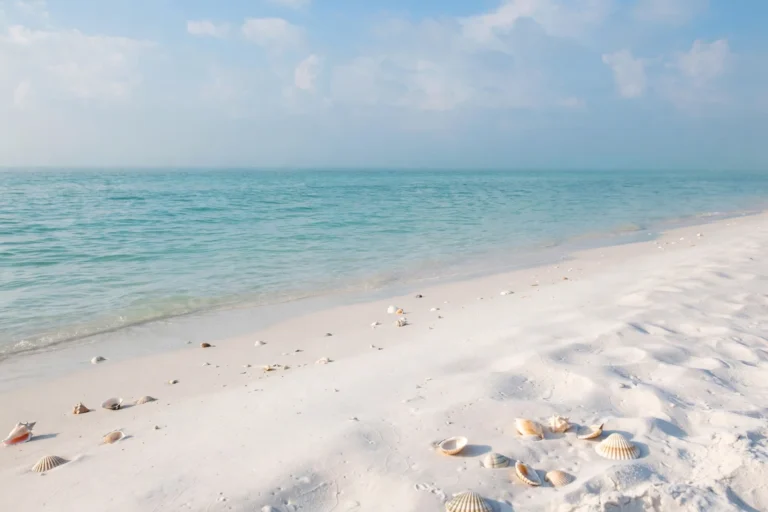
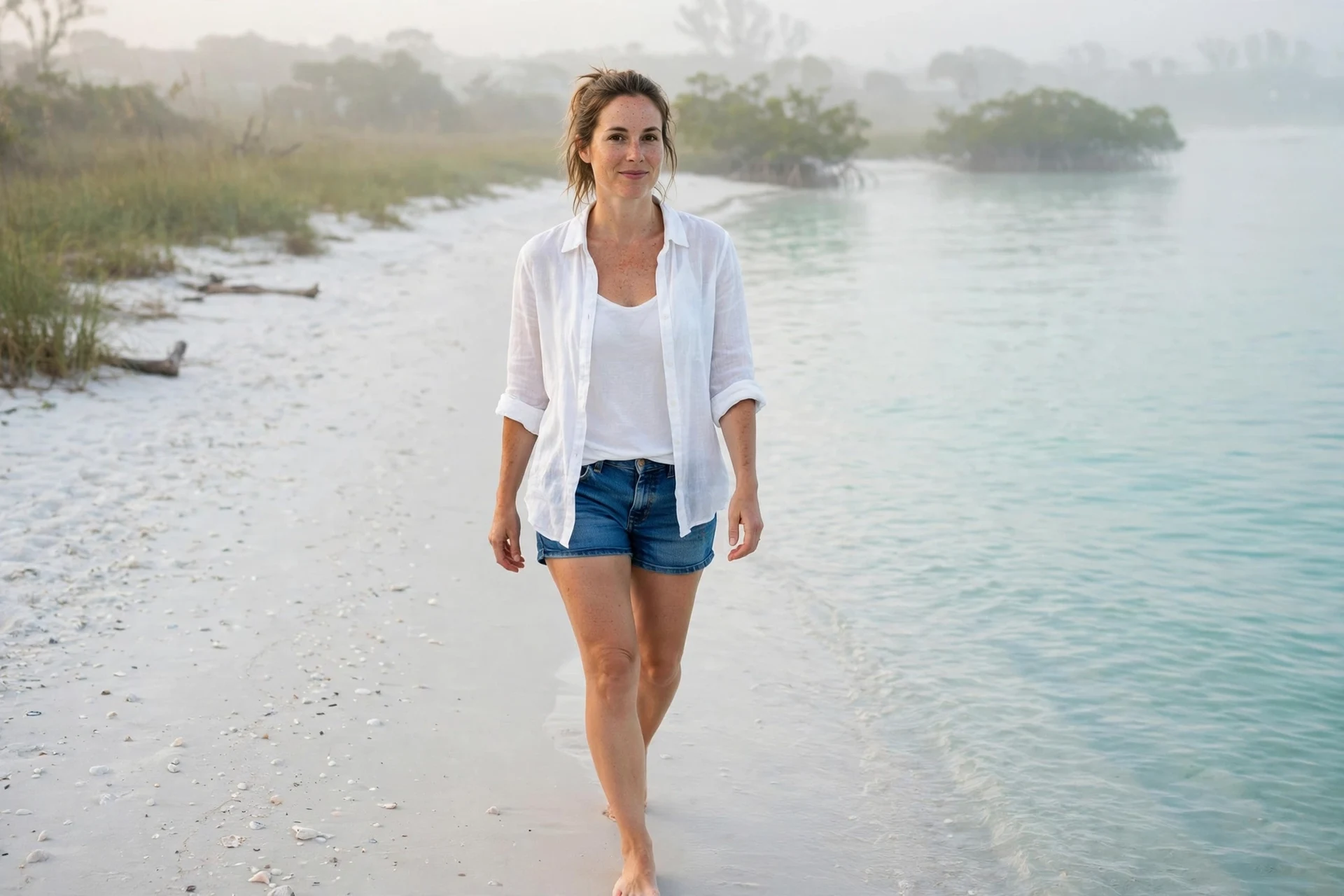
Stand barefoot at Siesta Key, Florida, and the sand feels cool even at noon. It is quartz, ground down from the Appalachian Mountains and carried south over thousands of years, and it stays pale and soft underfoot while darker sand elsewhere turns hot by midmorning. I walked the main beach at 8 in the morning with a coffee from a shop on Ocean Boulevard, and the sand squeaked under my shoes the way clean quartz does.
Drive north to Clearwater Beach, Florida, and the sand changes character. It is still white and fine, but the beach is wider, flatter, and busier, with hotels stacked along the shore. I liked Clearwater at sunrise, when joggers and fishermen owned the pier. By 2 in the afternoon the same stretch felt like a different place. The beach you get depends on the hour you arrive.
Gulf Coast white sand beaches look alike in photos, but they feel different underfoot. Siesta Key sand stays cool and dry. The Panhandle sand near Destin is so white it almost glows at midday, and it packs firm enough for a stroller. The sand around Fort Myers Beach runs coarser, mixed with shell, and it holds heat longer. If you are pushing a stroller, the sand itself should shape your choice.
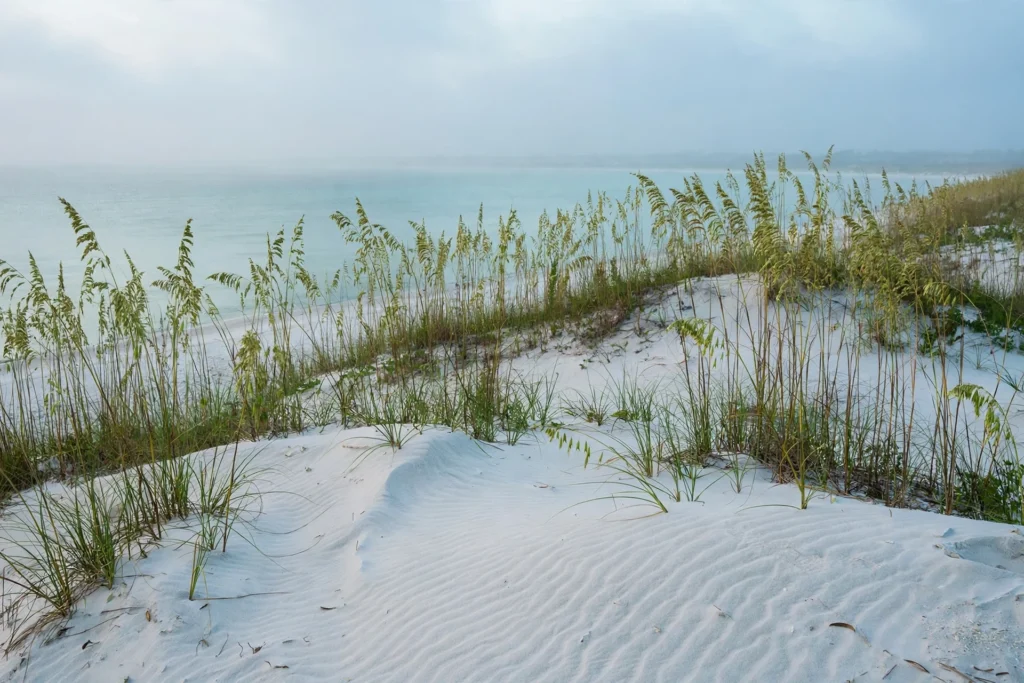
What Makes Gulf Coast Beaches Florida So Gentle at the Shoreline
The Gulf of Mexico is a shallow, warm basin, and that geography does the work. Waves here rarely build the way they do on the Atlantic side, because the open water distance wind travels over is shorter and the continental shelf slopes gently for miles. I waded in at Honeymoon Island State Park, Florida, on a still June morning and walked out fifty yards before the water reached my chest. A father nearby had his toddler sitting in six inches of water, building a moat with a plastic cup.
That calm water changes who can enjoy the beach. My mother, who will not swim anywhere with a real break, floated for an hour at St. Andrews State Park, Florida, near Panama City Beach, in water that barely rippled. On the same trip I watched a teenager learn to paddleboard in a cove at Caladesi Island State Park, Florida, falling in twice and laughing both times. Calm water defines this coast for families.
Calm does not mean safe without thought. Afternoon thunderstorms build fast over the Gulf in summer, and lightning clears beaches with little warning. I learned to check the sky at 2 in the afternoon the way locals do, and to treat a dark line on the western horizon as a signal to pack up. Rip currents are rarer here than on the Atlantic, but they still form near passes and jetties, especially after storms. Swim in the morning, watch the sky in the afternoon, and ask a lifeguard about conditions before you set up for the day.
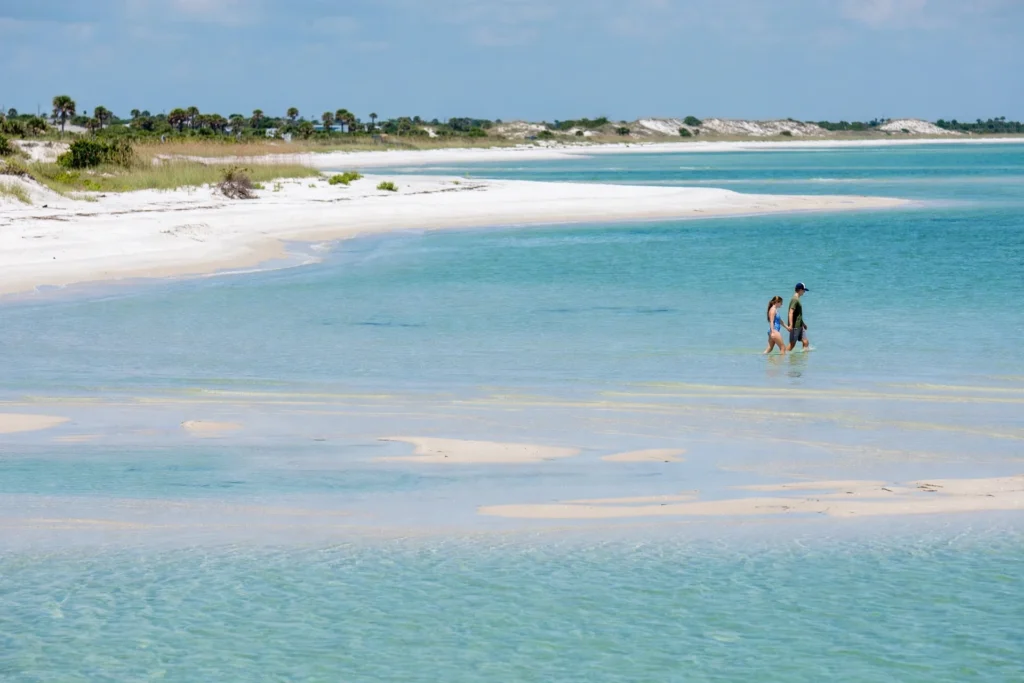
The Panhandle Towns Where the Beach Still Feels Local
The Florida Panhandle runs on a different clock from the rest of the state. Destin, Florida, gets the headlines for its emerald water, and the color is real, a green that looks edited until you see it from the bridge over the pass. I stayed in Destin once in October, after the summer crowds thinned, and the water was warm enough to swim while the parking lots sat half empty. Destin works best outside July, when Highway 98 traffic stops swallowing your afternoon.
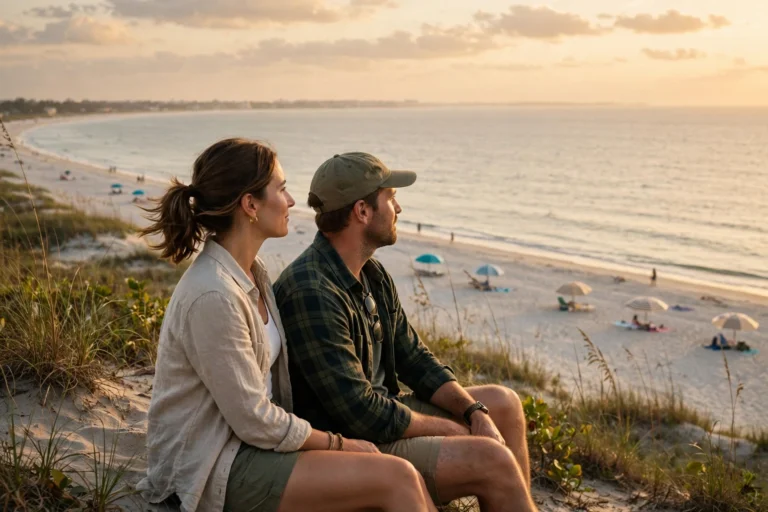
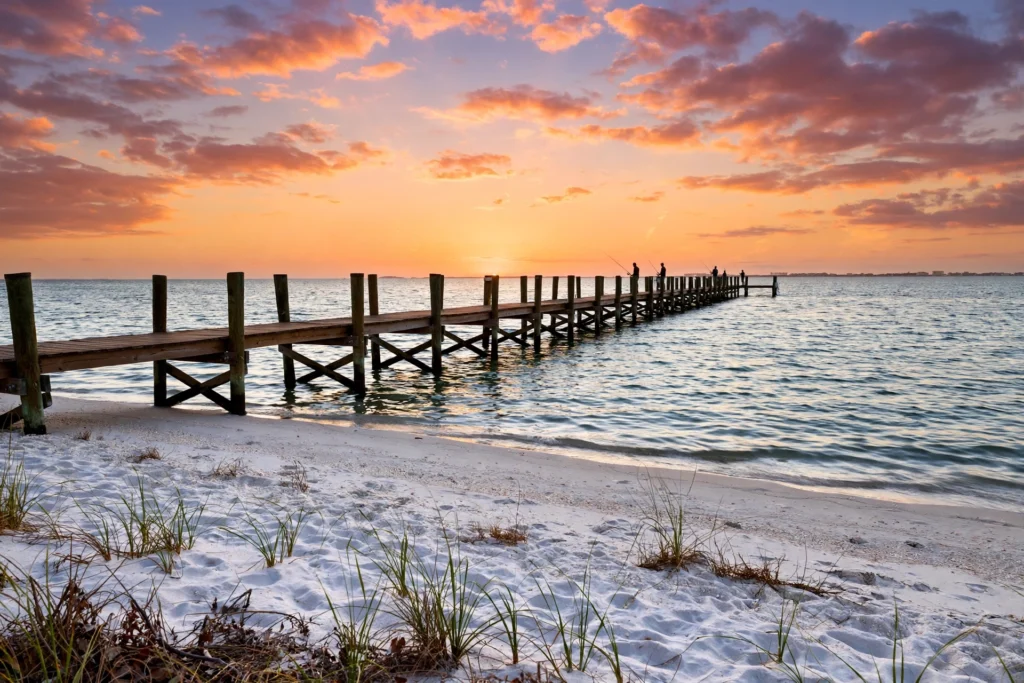
West of Destin, Pensacola Beach, Florida, keeps a low skyline and a long pier where fishermen cast for king mackerel at dawn. I walked the pier at 6:30 in the morning and watched the sun come up over water that looked like hammered metal. The beach here is part of Gulf Islands National Seashore, a chain of barrier islands protected by the National Park Service, and that protection shows in the dunes. Sea oats hold the sand in place, and boardwalks carry you over the dunes instead of through them. The Park Service page for the seashore lists the Florida areas, fees, and camping options, and I checked it before my trip to confirm which lots charged an entrance fee. Gulf Islands National Seashore is the place to start if you want the undeveloped side of the Panhandle.
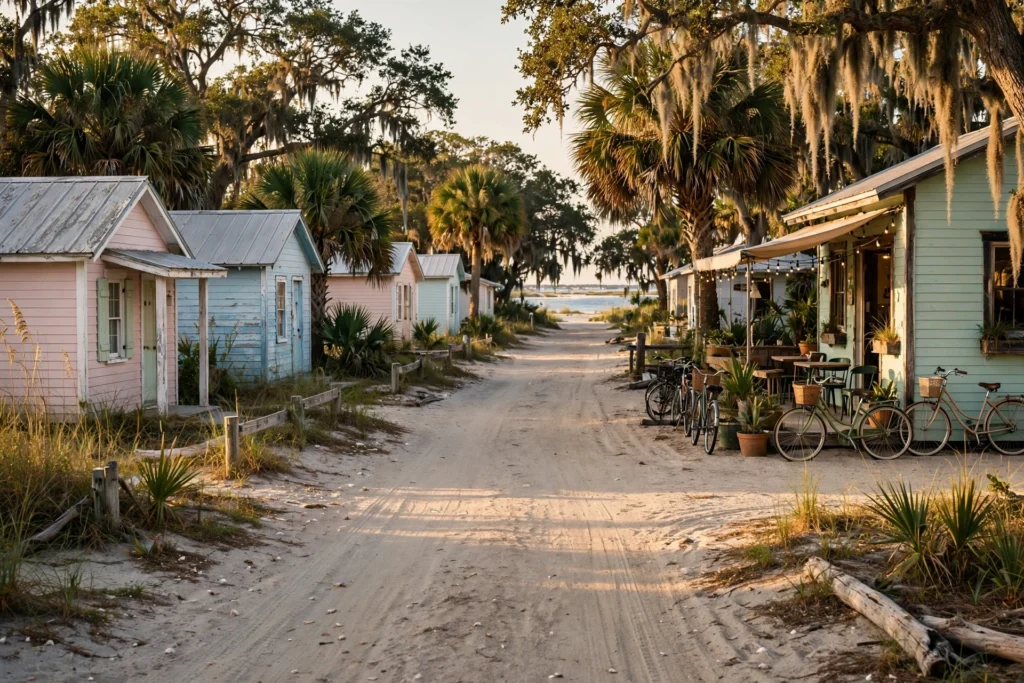
Florida panhandle beach towns like Grayton Beach, Florida, and Mexico Beach, Florida, reward drivers who leave Highway 98. Grayton Beach sits inside a state park of the same name, with a coastal dune lake behind the beach and weathered cottages nearby. I rented a bike there and rode to the beach access in ten minutes. Mexico Beach is quieter still, a small town rebuilding steadily after Hurricane Michael, with wide sand and almost no high rises. Go there for space, not for nightlife.
White Sand, Calm Water, and Room for Kids
Families ask me the same question in different words: which beach lets kids play without me hovering at the waterline. The answer is a short list, and it starts with the state parks. Best Gulf beaches Florida families return to share three traits: shallow entry, lifeguards or calm coves, and shade nearby. Honeymoon Island State Park has all three, with a nature trail, a playground, and a beach where the water stays shallow a long way out. I watched a ranger lead a kids program there on a Saturday morning, teaching a dozen children how to spot a horseshoe crab without touching it.
Caladesi Island State Park takes more effort and gives more back. You reach it by ferry from Honeymoon Island or by paddling across the channel, and the crossing filters the crowds. The beach is wide and pale, with a concession stand, restrooms, and a nature trail through mangroves. I took the ferry at 10 in the morning and counted fewer people in two hours than I had seen in ten minutes at Clearwater. Catch an early boat, because the return line grows long after lunch.
Bring a pop-up shade tent, because natural shade is scarce on most Gulf beaches and the sun reflects off the white sand from below as well as above. Pack more water than you think you need, and freeze half the bottles the night before so they stay cold. Arrive before 10 in the morning if you want a spot near the restrooms and the lifeguard stand, and plan to leave by 2 when the heat and the afternoon storms build.
The Quieter Stretches Worth the Extra Drive
Not every good beach has a name you know. The quieter stretches locals mention in passing are usually state parks, county parks, or the far ends of barrier islands. Fort De Soto Park, Florida, near St. Petersburg, is a county park with five islands, a historic fort, and a beach that won national praise years ago and feels uncrowded on weekdays. I kayaked the mangrove tunnels there one morning, then swam at the north beach in the afternoon. The park charges a small parking fee, and the beaches have restrooms, showers, and picnic shelters.
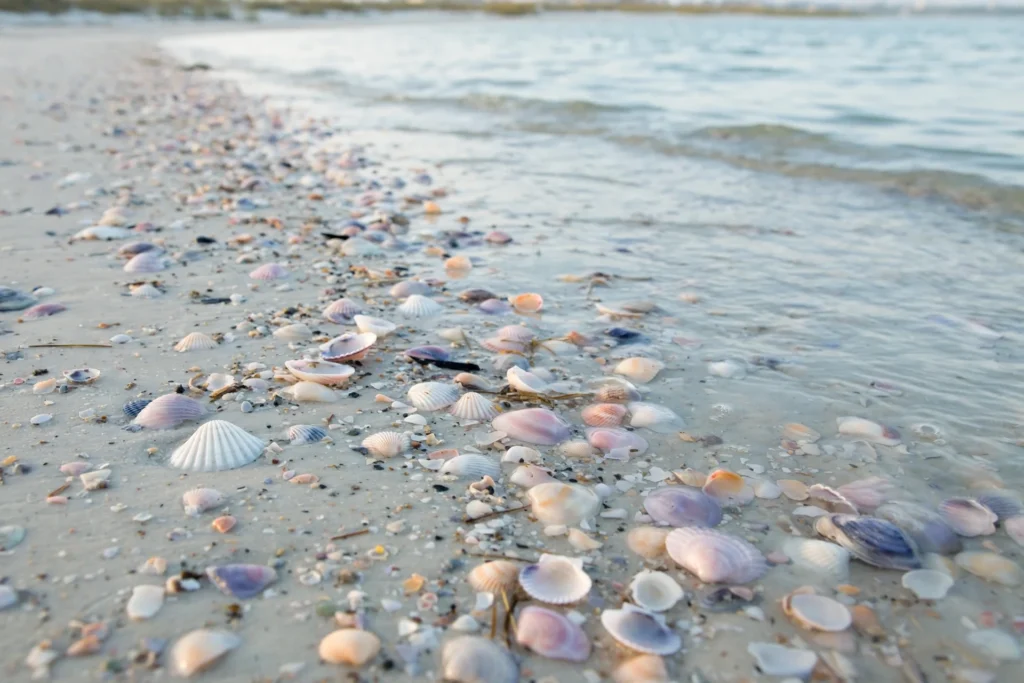
Sanibel Island, Florida, and Captiva Island, Florida, sit off Fort Myers, and both are still rebuilding after recent hurricanes. The shelling on Sanibel is famous for a reason: the island curves like a hook and catches shells by the bucket. I visited on a day trip and found the beaches open but some businesses still closed. Check conditions before you go, and support the businesses that have reopened, but do not expect the island to feel finished yet.
State Parks Do the Heavy Lifting Here
Florida’s state parks are the reason this coast stays accessible. The park system protects the dunes, keeps the buildings back from the water, and charges a small entry fee that pays for restrooms, lifeguards, and trails. I have visited Gulf beaches in every part of the state, and the state park beaches were better kept than the public accesses next to hotels every time. The Florida State Parks site lists every park, its entry fee, and its amenities, and I use it to plan each trip. Florida State Parks covers the beach parks from the Panhandle to the Keys, and the park pages note which beaches have lifeguards, which allow pets, and which need a reservation for camping.
Grayton Beach State Park and St. Joseph Peninsula State Park, Florida, near Port St. Joe, anchor the Panhandle park beaches. St. Joseph Peninsula has a long, pale beach and cabins on the bay side that book out months ahead. I tried to book a cabin there for a spring weekend and found the next opening three months out, which tells you how much people value a beach with a front porch and no crowds.
What a Beach Day Costs, and Where the Money Goes
A Gulf beach day can cost almost nothing or a small fortune, and the difference is mostly parking and food. State park entry runs a few dollars per vehicle, and county beach lots charge by the hour or by the day, with rates that climb near the popular beaches. I paid more for parking at Clearwater on a Saturday than I paid for lunch, and I paid nothing at all at several Panhandle county accesses where the lot was free and the walk was short. Arrive early and the parking question mostly answers itself.
Beachfront restaurants charge resort prices for average food, and the better meals are usually a few blocks inland. In Destin I ate fried shrimp at a harbor stand for half the price of the waterfront dining room across the street. Pack sandwiches for lunch, eat dinner in town, and the food budget drops by half.
Lodging sets the real price of a Gulf trip. Beachfront hotels in Clearwater and Destin charge peak rates in summer and on holiday weekends, while the same rooms cost far less in October or February. I stayed in a small motel in Pensacola Beach in February for less than half the July rate, and the beach was empty enough that I had a stretch of sand to myself. If your dates are flexible, late October and early March give you warm water, thin crowds, and lower prices. Book campsites and park cabins months ahead, because the cheapest places to stay near the best beaches fill first. For a low-cost overnight base near the sand, campgrounds in Florida are often the cheapest option that still keeps you close to the beach.
Reading the Water Before You Wade In
The Gulf looks tame, and most days it is, but the water has moods worth learning. Red tide, a naturally occurring algae bloom, can irritate eyes and throats and leave dead fish on the sand. It comes and goes by region and season, and it may clear before you arrive, so check the state beach conditions report the week of your trip and again the morning you head out. Be ready to drive twenty miles to a beach outside the affected stretch. I have done that drive twice, and both times the next beach over was clear.
Heat is the hazard people underestimate most. White sand reflects the sun, the breeze hides how hot you are getting, and dehydration creeps up by midafternoon. I drink a bottle of water an hour on the beach, wear a hat, and reapply sunscreen every two hours, and I still got sunburned once on a cloudy day in March. Plan shade, plan water, and plan a break indoors during the hottest hours.
Questions I Get Asked on the Sand
Which Gulf beach has the whitest sand? The Panhandle beaches around Destin and Pensacola Beach have the whitest sand I have seen, fine quartz that looks almost blue in bright light. Siesta Key runs a close second, with sand that stays cooler underfoot.
Is the water warm enough to swim in winter? The water stays swimmable in South Florida through winter, in the low 70s in January and February. In the Panhandle the water drops into the 60s in winter, which feels cold without a wetsuit. I swim in Naples in February and wade in Destin the same month.
Can I bring my dog to a Gulf beach? Most Gulf beaches ban dogs, but a few allow them on leashes at set times. Fort De Soto has a dedicated dog beach, and parts of Pensacola Beach allow leashed dogs. Check the rules for each beach before you go, because fines are real and rangers enforce them.
When is the best time to visit? Late October through early December and March through May give you warm water, thin crowds, and lower lodging prices. Summer brings heat, afternoon storms, and full parking lots. Winter brings cool water in the Panhandle and the best shelling after cold fronts.
Pick One Beach, Then Stay Put
The mistake I see most often is the beach crawl: four beaches in one day, an hour of driving between each, and no time to learn any of them. The Gulf rewards the opposite. Pick one beach, arrive early, stay through lunch, and let the place show you what it does at different hours. The crowd thins at 4 in the afternoon and the beach becomes yours again.
Gulf Coast beaches Florida travelers remember are rarely the ones with the most amenities. They are the ones where you found a quiet stretch, watched the water for an hour, and went back the next morning because you wanted more of it. Start with one beach from this guide, plan your trip around it, and let the rest of the coast wait for the next visit. The state tourism board keeps current beach guides, events, and regional trip ideas, and I check it when I plan a new stretch of coast. VISIT FLORIDA is a useful starting point for matching a beach to the season you are traveling in.