
Arizona Campgrounds Taught Me to Chase Shade, Water, and Quiet
My first Arizona camping trip taught me more in one hot afternoon than a dozen guidebooks had. I picked a pretty spot on a map, drove in at midday, and spent the rest of the day chasing the thin line of shade cast by my own tent. The campgrounds Arizona travelers return to year after year are not always the prettiest ones on paper. They are the ones with shade in the afternoon, water close by, and a short walk to a trail that still feels quiet at sunrise.
Arizona rewards campers who plan around heat, height, and distance. The state packs desert floor, red rock canyon, and pine forest into drives of two or three hours. Pick the wrong elevation for the wrong month and you will spend your trip hiding from the sun.
Why Arizona Camping Feels Like Three Trips in One
Arizona camping splits into three rough worlds. The low desert around Phoenix and Tucson runs hot for much of the year, then cools into fine camping weather in late fall and winter. The red rock country around Sedona sits in the middle, warm by day and cool at night. The high country around Flagstaff and the Grand Canyon South Rim sits near 7,000 feet, which means cold nights even in summer.
I plan by elevation first and scenery second. A site that looks ideal in a photo can sit on bare rock with no afternoon shade, while a plain pine site a thousand feet higher feels like a different state. Check the forecast for your site’s elevation, not for the nearest town.
Crowds follow the weather. Spring brings the biggest rush to the Grand Canyon and Sedona, summer pushes families toward the Flagstaff pines, and winter belongs to the low desert. Travel midweek if you can. A Tuesday arrival changes everything.
The Best Campgrounds Arizona Regulars Book First
The sites regulars book first share a short list of traits. They have trees or rock walls that shade the pad by late afternoon. They sit close enough to a trailhead that you can walk out at dawn without driving. They have a flat spot for a tent and a table that does not wobble on uneven ground. They stay quiet after dark, or at least quiet enough that you hear wind and coyotes instead of generators and car doors.
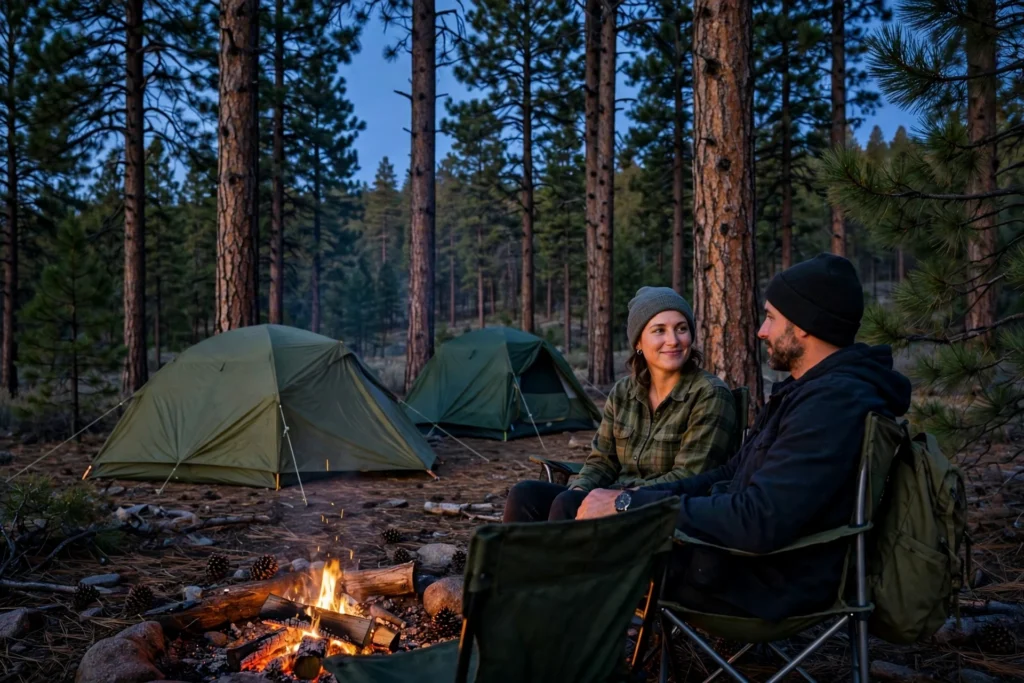
Mather Campground, on the South Rim of Grand Canyon National Park, sets the standard for a big, well-run park campground. It sits in a ponderosa pine forest a short walk from the rim, with a shuttle stop that makes a car optional once you arrive. Book it as early as the reservation window allows in spring and fall, because the weekends go first and the weekdays follow close behind.
Along Oak Creek Canyon, north of Sedona, the campgrounds trade open sky for creekside shade. Cottonwoods line the water, and the temperature drops a few degrees the moment you turn off the highway. These sites suit tent campers who want a shaded morning walk, then dinner in Sedona. Arrive before dark.
South of Flagstaff, the forest campgrounds in Coconino National Forest offer the coolest summer camping in the state without a long drive from town. The nights drop into the fifties even in July. Bring a warm sleeping bag, because the swing between afternoon and midnight can catch people who packed for Phoenix.
Arizona State Parks campgrounds fill a different gap. They sit near lakes, rivers, and desert trails, they often have showers and hookups, and they work well for a first night on a longer loop. Lost Dutchman State Park, east of Phoenix at the foot of the Superstition Mountains, makes a strong winter base, with desert trails out the back of the campground. Check the park site for current fees and reservation rules before you drive out.
Mather Campground and the South Rim Rhythm
Camping at the Grand Canyon works best when you slow down and let the rim set the schedule. Mornings belong to the rim trail, when the light moves across the canyon layers and the crowds are still eating breakfast. Midday belongs to shade and a slow lunch, because the sun at 7,000 feet burns faster than most visitors expect. Evenings belong to the shuttle ride west along Hermit Road, where the viewpoints face the sunset.
I made my best South Rim days simple. I walked out before sunrise with a headlamp and a jacket, watched the canyon fill with light, and came back to camp for a late breakfast. Then I picked one trail or one viewpoint for the afternoon instead of trying to see the whole rim in a day. The canyon rewards that pace. It is too big to rush.
Parking near the popular viewpoints fills early, so park once, ride the shuttle, and walk the rim trail between stops. Bring more water than you think you need, because there is little shade on the trail and the dry air hides how much you sweat.
For current hours, alerts, and camping information, check the Grand Canyon National Park site before your trip, since water restrictions, road work, and seasonal closures can change a plan fast.
Oak Creek Canyon and Sedona Without the Crowd Crush
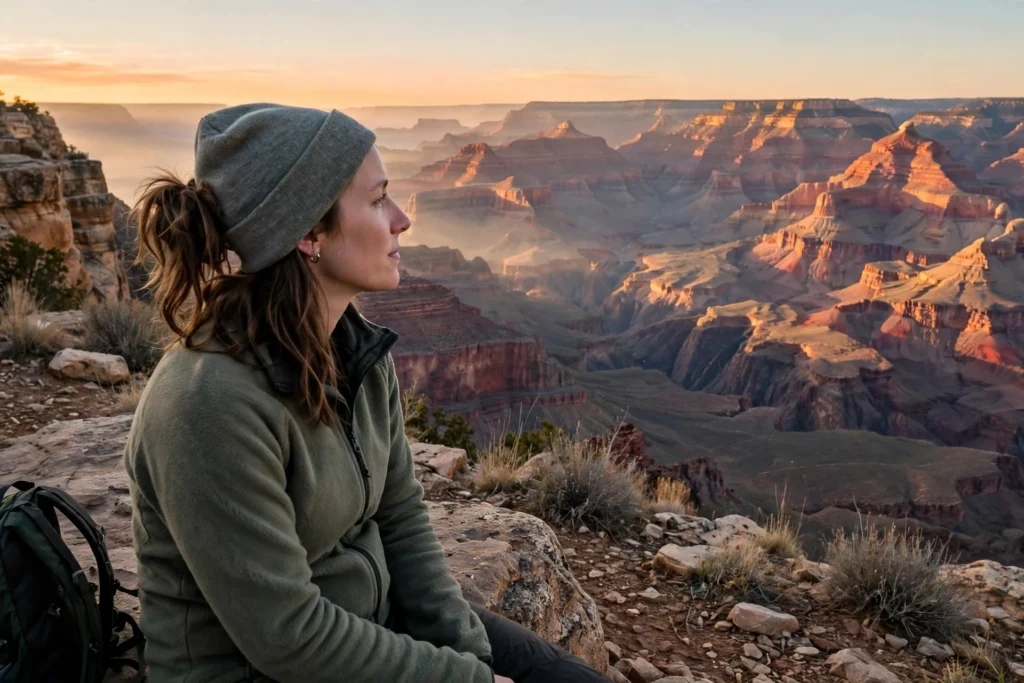
Sedona draws crowds for good reason, and the red rock views from town live up to the photos. Camping near Sedona works best when you treat the town as a day trip instead of a base for every meal and hike. Stay in the canyon, drive in early, and leave before the afternoon traffic stacks up on the highway. The canyon campgrounds give you a quiet night and a creek to cool your feet.
The best campgrounds near Sedona, Arizona, sit along Oak Creek, where the water runs cold and the cottonwoods throw real shade. I look for a site with a flat tent pad and a short path to the creek, and I skip any site that sits right on the road, because the canyon funnels sound and the early tour traffic starts before sunrise. Arrive in the afternoon, set up camp, and walk the creek before dinner. The Colorado River gorge lies a drive east, for a different day trip, while Oak Creek stays the camp draw here.
If you want to pair a Sedona camp night with a town day, start with the best things to do in Arizona and pick one or two that fit the season, rather than stacking a full list onto a single hot afternoon.
Flagstaff Pines, Cool Nights, and Forest Roads
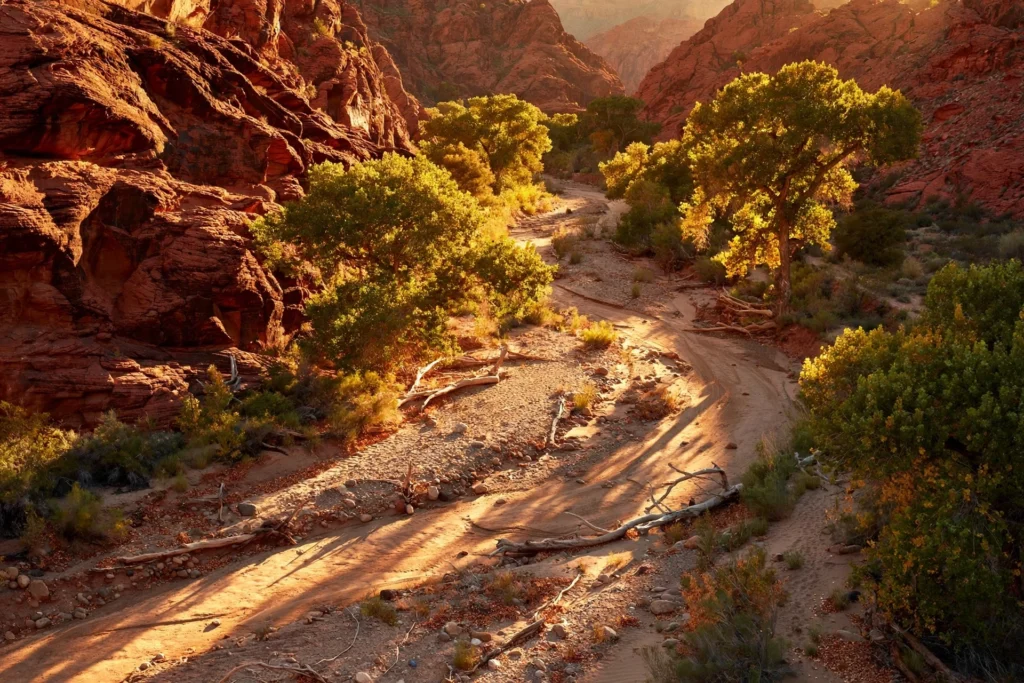
Flagstaff sits at the center of Arizona camping for a reason. It is a real town with grocery stores, gear shops, and restaurants, and it sits within an hour of pine forest, red rock, and the road to the Grand Canyon. Campgrounds near Flagstaff, Arizona, make a strong base for a first Arizona trip, because you can fix a forgotten item in town, sleep cool in the pines, and still reach a different landscape every day.
The forest campgrounds south and east of town run through ponderosa pine and open meadow. I keep a fleece and a warm hat by the tent door even in August, because the temperature can fall twenty degrees between dinner and midnight.
The Coconino National Forest site lists campgrounds, alerts, and road status for the Flagstaff and Sedona areas. Check the Coconino National Forest page for current closures, fire restrictions, and flood alerts in Oak Creek Canyon, where heavy rain can close roads with little warning.
Desert Camping Tips That Keep a Trip From Going Sideways
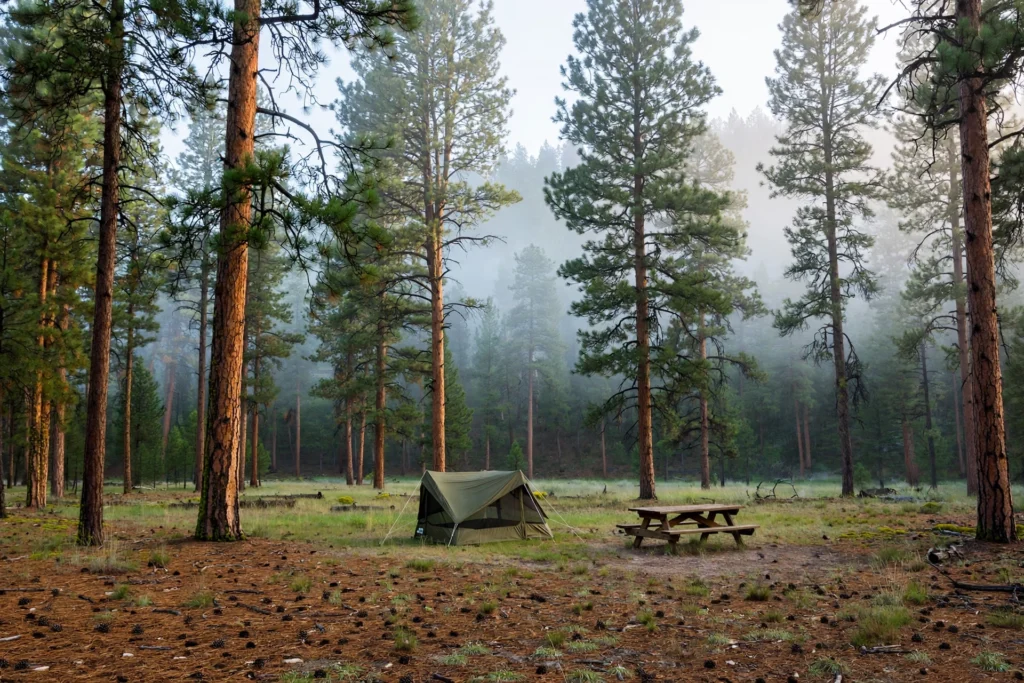
Desert camping is simple once you respect the sun, the wind, and the distance between services. The sun does the most damage, and it does it quietly. I set up camp in the morning or late afternoon, never at noon, and I pick a site with afternoon shade even if the morning view is better somewhere else. A cheap tarp strung between two trees buys you a whole afternoon of usable camp time.
Water planning comes next. I carry a gallon per person per day for drinking, plus extra for cooking and washing, and I keep a separate jug in the car as a reserve. Desert air dries you out without making you feel sweaty, so drink on a schedule instead of waiting until you feel thirsty.
Wind is the desert camper’s second surprise. Afternoon gusts can lift a poorly staked tent, scatter light gear, and drive sand into every zipper. Stake every guy line, even when the morning feels calm, and keep small items in a bin with a lid instead of loose on the table. Desert nights swing cold too, and the temperature can drop thirty degrees between sunset and midnight. Pack a bag rated well below the forecast low.
RV Sites, Hookups, and the Rig-Size Reality Check
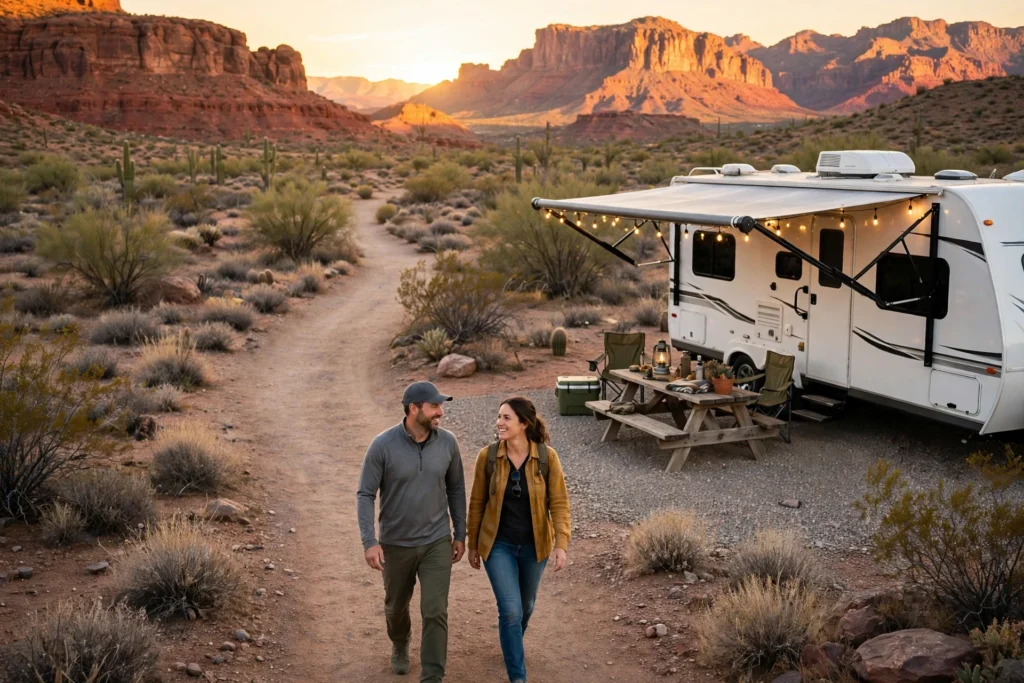
RV campgrounds in Arizona range from full-hookup parks near town to dry forest sites where you bring everything and leave with everything. A big rig needs a long, level pad, a wide turn, and a site that does not force a tight back-in off a narrow loop road. A small trailer or camper van can slip into sites that a forty-foot motorhome cannot reach.
Measure your rig before you book, and read the site details instead of the campground name. Site length, pad surface, hookup type, and dump station access matter more than the photos. Believe the maximum vehicle length in the listing.
Full hookups let you run the air conditioner through a hot desert afternoon and empty tanks without a trip to town. Electric-only sites work well in the pines, where the nights stay cool. Dry camping gives you space and quiet, but it asks you to manage water, power, and waste on your own.
Most federal and state campgrounds in Arizona take reservations through Recreation.gov, and the popular sites open months ahead. Set up an account before the booking window opens, save your rig details, and have a second-choice site in mind before you click. For reservations, availability, and booking windows, start at Recreation.gov and search by park or forest name rather than by town.
What I Skip, and What I Pack Instead
I skip the campgrounds that sit right on a highway with no trees between the sites and the road. The noise runs all night, the headlights sweep the tent, and no view makes up for a bad sleep. I also skip sites that promise a lake view and deliver a muddy shore with no shade. Families need the busy parks with pools and playgrounds, and they are fine for a night, but they are not the trip I want.
I skip summer weekends in the low desert entirely. The heat makes even a shaded site feel like work, the air conditioner runs all day in an RV, and a tent trip turns into a test of endurance. Winter and early spring belong to the desert, summer belongs to the pines, and fall belongs to the canyon country. That simple split has saved more trips than any gear upgrade.
What I pack instead is boring. I pack a shade tarp, a water jug, a warm bag, a headlamp with fresh batteries, and a paper map of the area. Phone service drops out in canyons and on forest roads. I pack a small repair kit with tent pole splints, duct tape, and a spare stake, and I shop in Flagstaff or Phoenix before I head out.
Questions Campers Ask Before They Book
Do I need a reservation, or can I just show up?
Most popular Arizona campgrounds take reservations, and the well-known ones book out weeks or months ahead in spring and fall. A few forest and park sites still run first-come, first-served, but counting on a walk-up site on a Friday in April is a gamble. Book early and keep a backup plan.
When is the best month to camp in Arizona?
It depends on elevation. March through May and October through November suit the Grand Canyon and Sedona, June through September suit Flagstaff pines, and November through March suit the low desert. Pick your month by elevation first, then by scenery.
Can I camp with kids at the Grand Canyon?
Yes, and Mather Campground suits families well, with a shuttle stop, a rim trail, and ranger programs in season. Keep kids close to the rim edge, carry extra water, and plan one short activity per day instead of a long hike. The visitor center and shuttle make the park easy without a car.
What should I do about fire restrictions?
Check the current restrictions on the day you travel, because they change with wind and dryness. Many forest campgrounds ban wood fires in dry months and allow propane stoves instead. Bring a propane stove as a backup, never leave a fire unattended, and use only the metal fire ring at your site.
Is dispersed camping allowed in Arizona national forests?
Dispersed camping is allowed in many parts of Coconino and Kaibab National Forests, with rules on distance from roads and water, stay limits, and fire use. Check the forest site for the current rules, pick a site that already shows use, and leave it cleaner than you found it.
Pick Your Base, Book Early, and Go
Arizona camping works when you pick one base and book it early. Start with the Grand Canyon for a first trip, Flagstaff pines in summer, or the desert in winter. Book as soon as the window opens, pack for the elevation you will sleep at, and carry more water than the forecast seems to ask for.
Then go. Walk the rim at sunrise, wade the creek in the canyon, and sit by the fire in the pines. The best site is the one you reach early, set up in shade, and wake up in before the rest of the world stirs.
For park campgrounds, current fees, and seasonal openings, check the Arizona State Parks site before you finalize a winter or spring loop, since the popular parks shift their reservation windows through the year.