
Florida’s Beach Towns Are Not All the Same, and Picking Wrong Costs You the Trip
I have driven both Florida coasts in the same week, swum in flat Gulf water on Tuesday and been knocked sideways by Atlantic surf on Thursday, and I stopped pretending the state offers one beach trip. The beach towns Florida puts in one brochure cover calm family sand, loud spring break strips, quiet fishing piers, and high priced resort rows, and they do not mix. Pick the wrong coast for your crew and you spend the week driving, paying for parking you did not expect, and eating where you did not want to eat. This list sorts ten towns by how they feel on foot, what they cost, and who they suit.
Why the Best beach towns Florida Has Are Split by Two Very Different Coasts
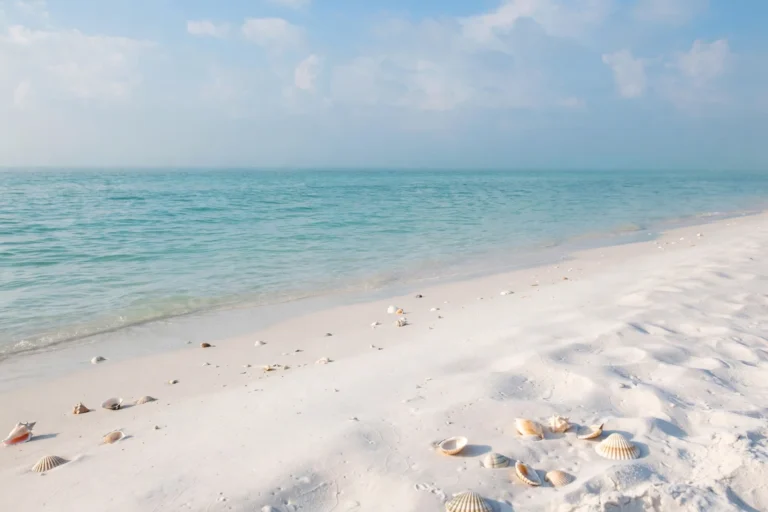
The Gulf side and the Atlantic side feel like two states. Gulf water runs warm, shallow, and calm for long stretches, with soft white sand and sunsets that pull crowds to the beach at 6 p.m. Atlantic water runs cooler, rougher, and livelier, with wider beaches, stronger surf, and mornings that suit walkers and surfers more than toddlers. I plan around that split before I look at hotels, because it decides whether small kids can wade alone, whether you need a beach umbrella or a surfboard, and whether dinner means a barefoot cafe or a dress code. If you want to compare individual beaches before you pick a town, start with the best beaches in Florida and match the sand and water to the trip you want.
Drive times sharpen the choice. The Gulf towns below sit within a few hours of Tampa, Florida, and Sarasota, Florida. The Atlantic towns string along Interstate 95 and A1A, and St. Augustine, Florida, to Cocoa Beach, Florida, is a straight drive of about two hours if traffic cooperates. For broad trip planning, VISIT FLORIDA lists regional beach guides and current travel notes by coast.
Florida Gulf beach towns reward slow days, with knee deep water and soft sand. Atlantic towns reward early risers, with steady breeze and bigger beaches. Neither side is better in the abstract. The right side depends on who is traveling and how much noise you can stand after 9 p.m.
Three Gulf Towns That Stay Calm Even in March
These three sit close together on the Gulf, and they share calm water and a slower pace. They differ in price, crowds, and how far you have to drive for dinner.
Siesta Key, Florida
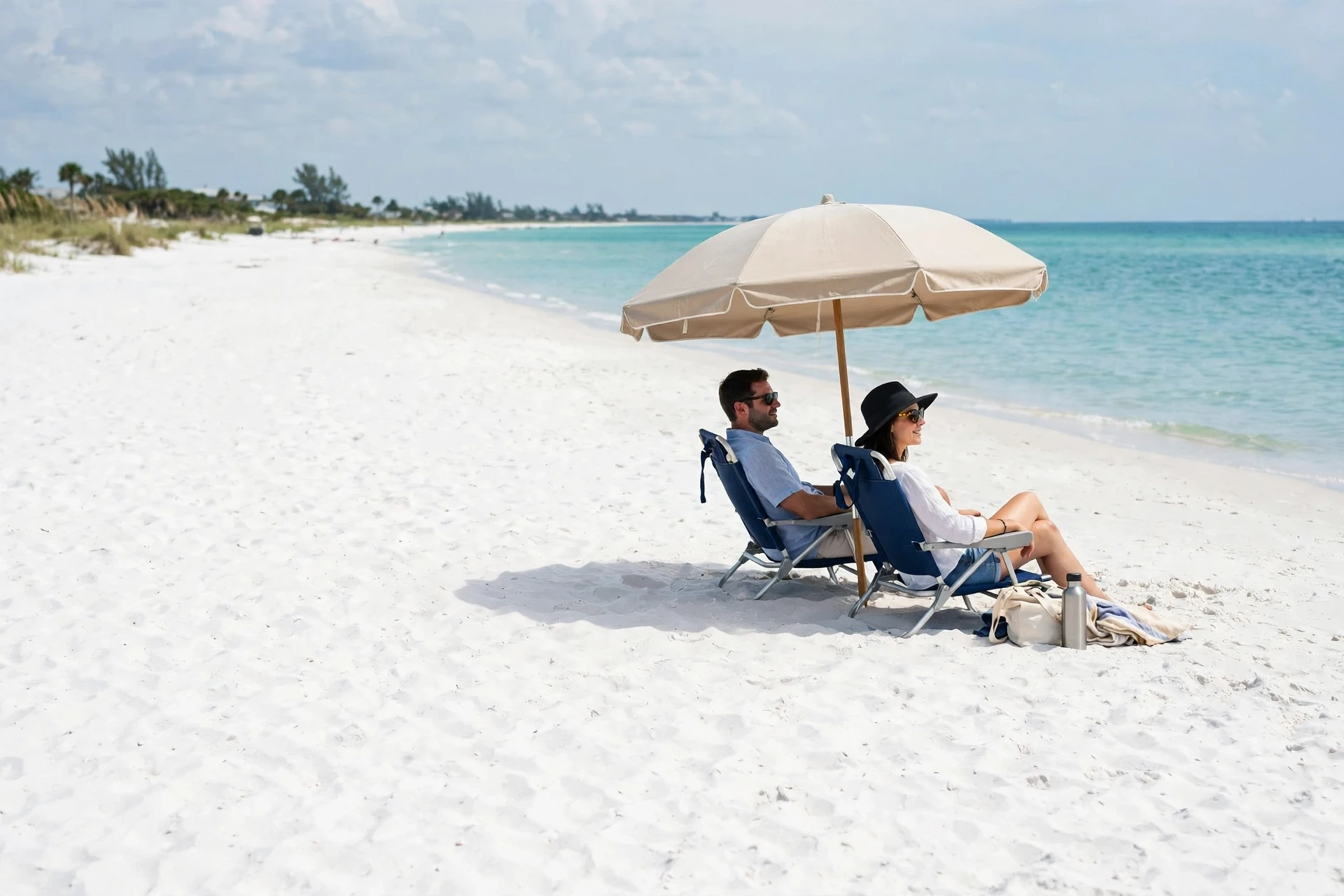
Siesta Key has sand so fine and white it squeaks underfoot, and it stays cool even at midday in July. I parked in the main public lot by 9 a.m. on a Saturday in March and got one of the last shaded spots near the pavilion, then watched cars circle for 40 minutes after 10:30 a.m. Rentals run about $40 to $50 a day for two chairs and an umbrella in season, so bring your own if you can. Siesta Key suits the Florida beach towns families mention first when they want calm water and a wide beach. If Siesta Key sets the bar for you, the Florida Gulf Coast beaches nearby offer the same calm water with fewer crowds.
Sanibel Island, Florida
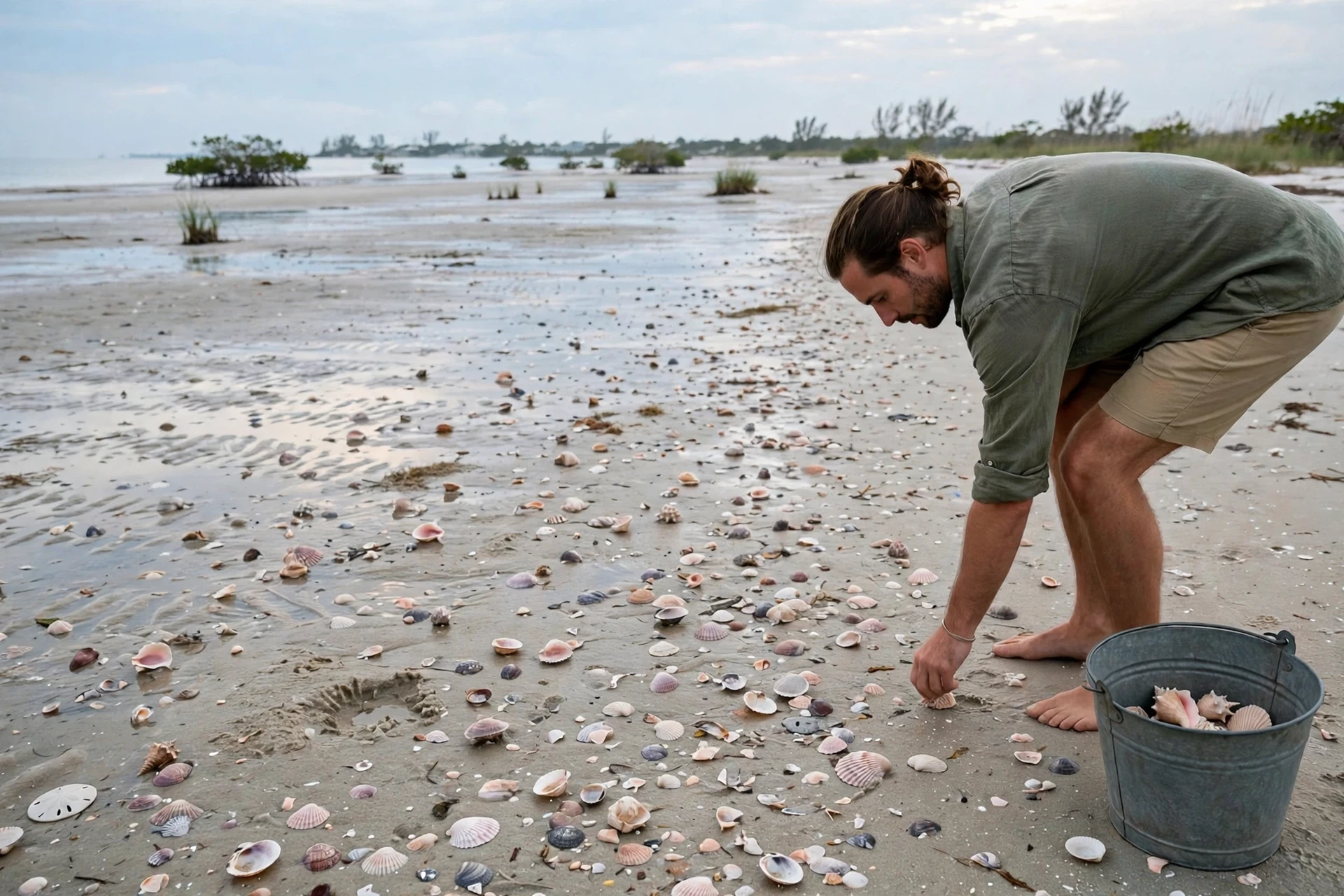
Sanibel Island moves at a different speed. The speed limit drops, the bike paths run for miles, and the shelling draws people out at low tide with buckets and mesh bags. The beach sand is coarser here, mixed with shells, so bring water shoes if your feet are sensitive. Sanibel is one of the quiet beach towns in Florida that still feels quiet in season, but quiet comes with a price. Check rebuilding and beach access conditions before you book, because storm recovery has changed which accesses are open.
Anna Maria Island, Florida
Anna Maria Island is seven miles long, low rise, and easy to cross on foot or by free trolley. I stayed near the north end, walked to the beach in five minutes, and used the trolley to reach restaurants at the south end without moving the car. The beaches face west, the water stays gentle, and the sand stays soft and pale. Rooms book early, especially in February and March, and the trolley runs on island time, so I waited 25 minutes once on a busy afternoon. Anna Maria suits couples and families who want to park the car and forget it.
Naples and Clearwater Beach Cost More, and the Trade Is Clear
These two Gulf towns are polished, busy, and expensive, and they know it. You pay for clean beaches, good restaurants, and a town that works.
Naples, Florida
Naples feels orderly in a way few Florida towns do. The beach near the pier is wide and clean, the water is calm, and the downtown streets are lined with shops and restaurants you can walk to from a hotel. Naples is not a budget town. Hotel rooms in season often run well over $250 a night, parking downtown costs more than in smaller towns, and dinner for two with a drink each can pass $120 without trying.
Clearwater Beach, Florida
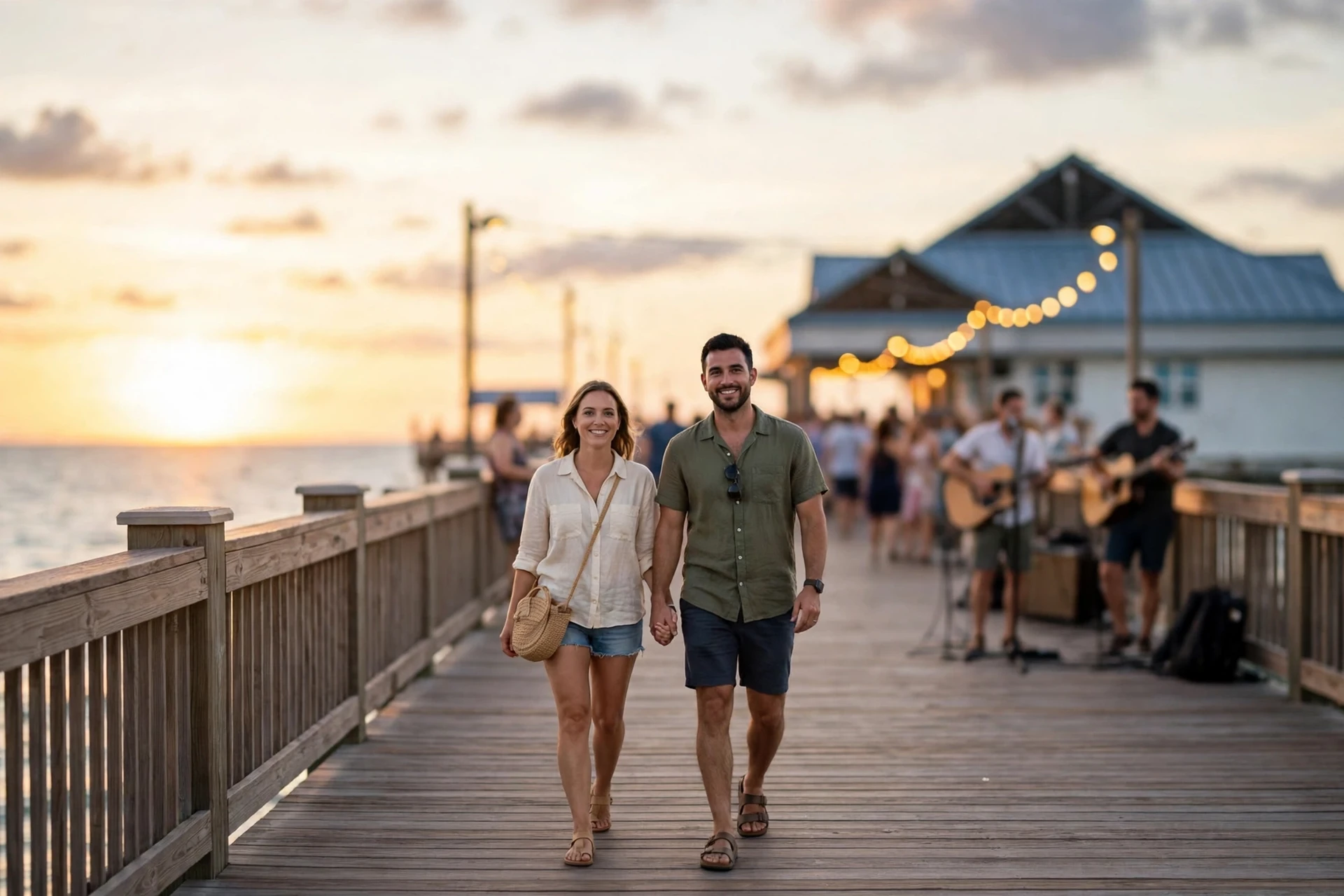
Clearwater Beach is the loudest town on this list, and it owns that energy. The sand is wide and white, the water is clear and calm, and Pier 60 hosts a nightly sunset celebration with street performers, vendors, and families. The trade is crowds and traffic. The bridge onto the beach backs up on weekend afternoons, parking garages fill and charge $3 to $4 an hour in season, and the main strip feels like a resort corridor. For maps, beach access, and event times, Visit Clearwater Florida keeps current listings for the beach and downtown.
Atlantic Towns Where You Can Park Once and Walk All Day
The Atlantic side gives you history, surf, and towns where the beach, the shops, and dinner sit within a few blocks. These four are the best walkable beach towns in Florida for travelers who hate driving once they arrive.
St. Augustine, Florida
St. Augustine is the oldest town on this list, and the beach is only part of the draw. I spent a morning at St. Augustine Beach, Florida, then drove ten minutes into the historic district and walked streets lined with coquina stone, old churches, and small museums. Parking is the pinch point. The historic district garages fill by late morning on weekends, and street parking near the beach turns over slowly. I paid for a garage spot and walked everywhere after that, which worked better than circling. For historic district hours and beach access, Visit St. Augustine posts current visitor information.
Delray Beach, Florida
Delray Beach has the most polished downtown of any Atlantic town here. Atlantic Avenue runs from the beach to the train station, lined with restaurants, galleries, and shops, and the beach itself is wide, clean, and well kept. Delray is also one of the cute Florida beach towns that photographs well and costs more than it looks. The beach is less calm than the Gulf, with real waves and a stronger current, so check the flags before you swim.
Flagler Beach, Florida
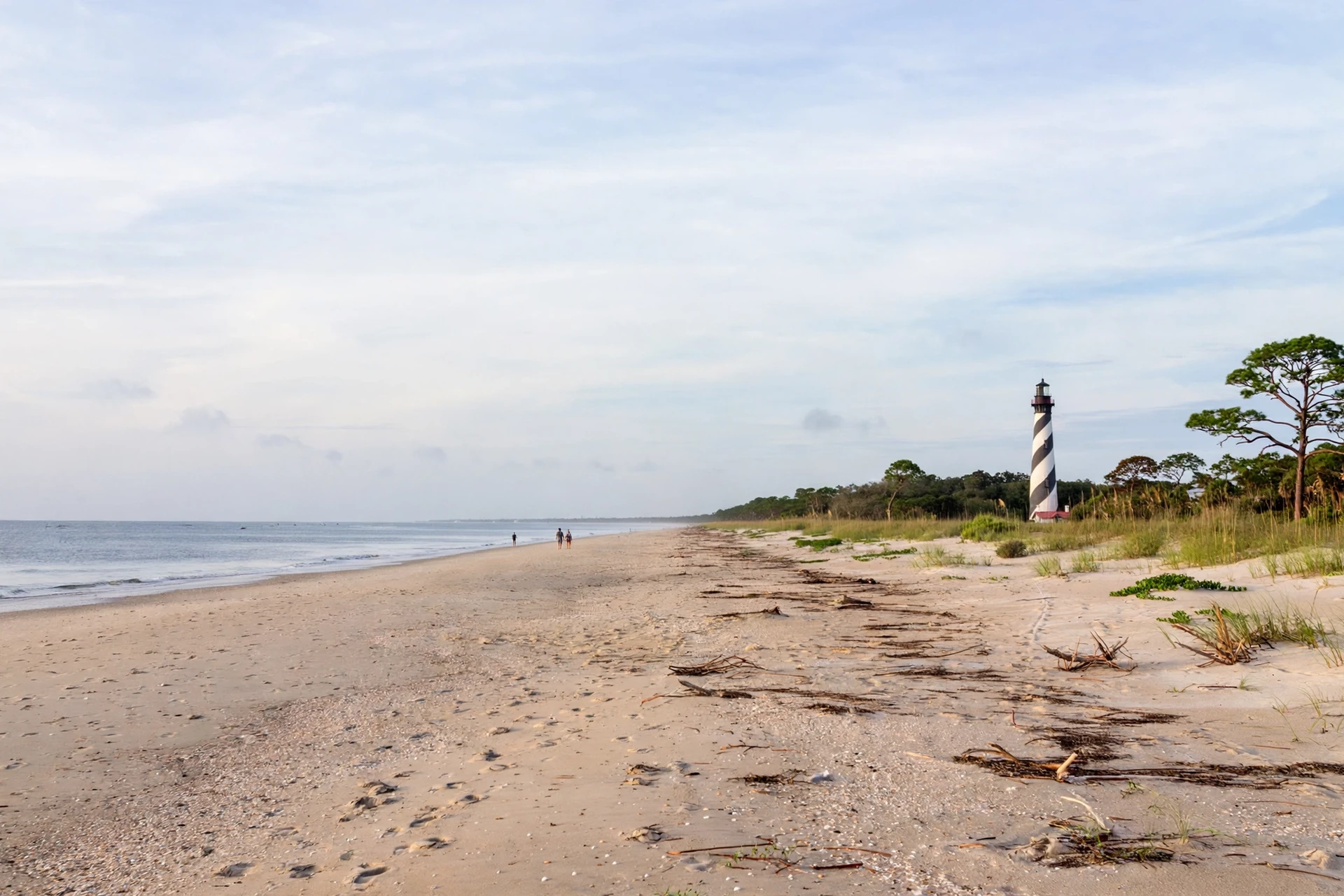
Flagler Beach is the quiet answer to the Atlantic. The town has a long fishing pier, a short main street with diners and surf shops, and a beach where you can walk for a mile and pass only a handful of people. The sand is darker and coarser than Gulf sand, the surf is steady, and the beach feels natural rather than groomed. Flagler suits travelers who want quiet mornings, long walks, and low prices. Rooms cost far less than in Delray Beach or St. Augustine, parking is easy, and dinner is simple and cheap.
Cocoa Beach, Florida
Cocoa Beach is the family surf town. The beach is wide, the waves are gentle enough for beginners, and the Cocoa Beach Pier stretches out over the water with restaurants, shops, and fishing. The town has a space coast feel, with the Kennedy Space Center a short drive north and rocket launches sometimes visible from the beach. Cocoa Beach is easy and affordable, and that is the point. Rooms cost less than in South Florida, parking near the pier fills but side street access points stay open, and the town has plenty of casual places to eat. Stay a few blocks south of the pier for quieter sand, and check the launch schedule before you book, because a launch day brings traffic and crowds.
Key West Refuses to Act Like a Beach Town
Key West belongs on this list for the opposite reason most towns do. The beaches here are small, rocky in places, and crowded, and nobody comes to Key West only for the sand. The water is clear and warm, the snorkeling and sailing trips leave from the harbor all day, and the town has a loose, late night energy that no other town on this list matches. If the water is the reason you are going, plan a day for snorkeling in the Florida Keys before you judge Key West by its beaches.
Key West costs more than you expect and moves slower than you expect. Rooms in Old Town run high in season, parking is scarce and pricey, and the drive from Miami, Florida, takes about four hours if traffic is kind. Come here if you want history, food, water trips, and a town that stays up late. Skip it if your trip is only about a wide sandy beach, because you will find better sand on either coast for less money. For island events, ferry times, and official visitor notes, Florida Keys tourism council lists current information for Key West and the lower Keys.

Parking, Prices, and the Hours That Change Everything
Most beach towns Florida travelers love share the same pinch points, and they are all about timing. Parking fills by 10:30 a.m. on weekends in Siesta Key, Clearwater Beach, and Delray Beach, and it stays tight until late afternoon. I now arrive by 9 a.m. or after 4 p.m., and I pay for a garage or lot rather than circling side streets.
Prices swing hard by month. February and March bring the highest hotel rates on both coasts, with spring break crowds in Clearwater Beach and Cocoa Beach and snowbird demand in Naples and Siesta Key. May and September bring lower rates, warm water, and thinner crowds, and I prefer late April and early May for a Gulf trip and late September for an Atlantic trip.
Food costs add up fast. A casual beach lunch for two runs about $35 to $50 with drinks, and a sit down dinner in Naples or Delray Beach can pass $100 without dessert. I save money by booking a room with a kitchenette, eating one big meal out a day, and buying breakfast supplies at a grocery store on arrival.
Beyond the Sand, Florida Rewards a Slower Drive Inland
The beach towns get the attention, but some of my best Florida days happened an hour inland. I drove from the Gulf coast to small farm towns, ate lunch at a diner with a hand written menu, and walked a main street with no chain stores in sight.
If you have an extra day, pair a beach base with one inland drive. From St. Augustine, drive west to Palatka, Florida, and walk the riverfront. From Siesta Key, drive east to Myakka River State Park, Florida, for a morning hike and a canopy walk. From Cocoa Beach, drive inland to the small towns along the St. Johns River, Florida, for a quiet afternoon. For ideas on where to wander next, read about charming small towns in Florida and pick one that sits within an hour of your beach base.
Questions I Get Asked Before Anyone Books a Room
Which coast is better for small kids?
The Gulf coast is better for small kids, because the water stays shallow and calm, the sand is soft, and the waves rarely knock a toddler over. Siesta Key, Anna Maria Island, and Clearwater Beach give families wide sand and lifeguards in season. The Atlantic side works too, but you need to watch the surf and the current more closely.
When is the cheapest time to visit a Florida beach town?
Late April through May and September through early October usually bring lower hotel rates, warm water, and thinner crowds on both coasts. February and March cost the most, with spring break and snowbird demand pushing prices up. Summer is warm and busy, but deals appear, especially on weekdays and in smaller towns like Flagler Beach.
Do I need a car in these towns?
You need a car to reach most of these towns, but you do not always need to drive once you arrive. Anna Maria Island, Delray Beach, St. Augustine, and Key West work well on foot, by trolley, or by bike once you park.
Which town is best if I want quiet and low prices?
Flagler Beach is the best pick for quiet and low prices, with easy parking, a long pier, and simple diners. Sanibel Island is quiet too, but it costs more and books early. Anna Maria Island sits in the middle, with calm water and a small town feel, though rooms cost more than in Flagler Beach.
Can I visit two towns in one trip without driving all day?
Yes, if you stay on one coast. Pair Siesta Key with Anna Maria Island, or St. Augustine with Flagler Beach, or Clearwater Beach with St. Petersburg, Florida, for an easy two town trip. Crossing from the Gulf to the Atlantic takes most of a day, so save that drive for a separate trip and enjoy the coast you chose.
Pick One Coast, Book the Walkable Block, and Go
Stop trying to see all ten towns in one week. Pick the Gulf if you want calm water, soft sand, and slow evenings. Pick the Atlantic if you want surf, history, and towns you can walk. Book a room within a ten minute walk of the beach, arrive before 10 a.m. on your first day, and plan one inland drive to break up the sand. That is the trip that works. The rest is just choosing which sunset you want to watch first.