Plan a Trip to Alaska in This Order or You Will Book It Twice
Alaska punishes people who choose destinations first. The constraints cascade, so if you plan a trip to Alaska by picking places and then finding dates, you will discover that your dates rule out half your list.
Season decides what is possible, geography decides what is reachable, and a handful of fixed-capacity bookings decide the rest. Work through those three in order, and one current closure that most guides have not updated.
Decision One: The Season Rules Out More Than You Think
The tourist season runs roughly mid-May through mid-September. Outside that window, most lodges, tours, and park services shut entirely.
Then comes the conflict nobody flags clearly enough: you cannot see the midnight sun and the northern lights on the same trip.

Aurora requires darkness. In June, Anchorage gets around 19 hours of daylight and Fairbanks more, with the remaining hours never reaching true night. Aurora season effectively runs late August through April.
So pick one:
- Mid-June through July. Maximum daylight, warmest weather, every tour running, highest prices, most people. No aurora.
- Late August into mid-September. Fall color on the tundra, fewer mosquitoes, and darkness returning far enough for aurora. Some operators start closing.
- Late September through March. Aurora, dog sledding, and hot springs. Most summer infrastructure is closed.
Late August is the compromise most people should book. It is the only window where both are genuinely on the table.
Decision Two: Most of the State Has No Roads
Alaska has very little road system relative to its size, and this single fact reshapes every itinerary.
Juneau, the state capital, has no road connection to the rest of North America. You reach it by plane or ferry. The same applies to Ketchikan, Sitka, Skagway, and most of Southeast Alaska.
That leaves three ways to move:
- The road corridor. Anchorage, the Kenai Peninsula, Talkeetna, Denali, and Fairbanks. This is where most first trips happen, and rightly so.
- The Alaska Marine Highway. A state-run ferry system serving Southeast and the Aleutians, designated a National Scenic Byway. Schedules and reservations at the Alaska DOT ferry site.
- Bush planes. The only access to Katmai, Lake Clark, Gates of the Arctic, and Kobuk Valley.
Trying to combine the road corridor with Southeast in one week does not work. Pick one.
The scale problem is easy to underestimate on a map. Alaska is larger than Texas, California, and Montana combined, and its road network would look sparse in a state a fraction of the size. Distances between towns on the corridor routinely run three to five hours, and there is rarely an alternate route if something closes.
Denali’s Park Road Is Still Closed at Mile 43
This is the correction that matters most, because outdated articles still describe bus rides that have not been possible since 2021.
The Denali Park Road runs 92 miles into the park. The Pretty Rocks Landslide near Mile 45.4 forced a closure at Mile 43 in August 2021, and the National Park Service states the closure is expected to remain through summer 2026 while the Polychrome Area Plan is carried out.

What that means for your itinerary:
- Private vehicles reach Mile 15 at Savage River. Buses turn around at Mile 43.
- Eielson Visitor Center at Mile 66, Wonder Lake at Mile 85, and Kantishna at Mile 92 are not reachable. The classic reflected-Denali photograph from Wonder Lake is off the table.
- A 475-foot bridge is under construction to bypass the slide. Full bus service is projected for 2027, not this season.
- If an operator advertises Eielson or Wonder Lake for a 2026 date, treat it as an error and make them confirm it.
Check the NPS Denali conditions page, which the park says supersedes all its other trip-planning information.
Denali is still worth going to. Backcountry day hiking requires no permit, off-trail travel is the intended mode, and overnight permits are free and issued in person at the Backcountry Information Center, no more than a day ahead. Just build the trip around what is open rather than what older articles describe.
The alternative view of the mountain is from the south. Talkeetna sits roughly 60 air miles away, and flightseeing from there gives you the peak without the park road at all.
Decision Three: Book the Fixed-Capacity Things First
Some Alaska inventory cannot expand. Book these before flights, because flights are flexible and these are not.
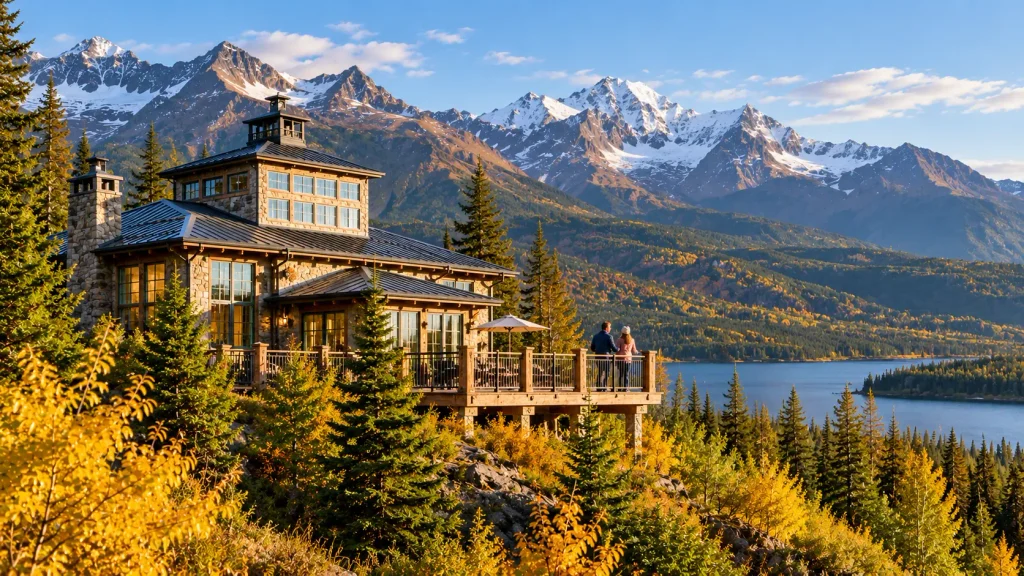
- Lodges inside or near the parks, which often release 12 months ahead and fill quickly.
- Bear viewing at Katmai, where Brooks Falls platforms have hard capacity limits during the July salmon run.
- Alaska Railroad seats, particularly the dome cars on the Coastal Classic to Seward and the Denali Star to Fairbanks. Book at alaskarailroad.com.
- Day cruises into Kenai Fjords out of Seward, which sell out in July.
- Flightseeing from Talkeetna onto the Denali glaciers, weather permitting.
Rental cars deserve a mention of their own. Alaska has a small fleet relative to summer demand, and prices climb steeply as inventory thins. Reserve early with free cancellation and rebook if rates drop.
Read the rental agreement before you plan any gravel driving. Most Alaska contracts prohibit the Dalton Highway and the Denali Highway outright, and taking a standard rental onto either voids coverage entirely.
How to Plan a Trip to Alaska Around a Single Corridor
For a first visit of seven to ten days, run the road corridor and do it properly.
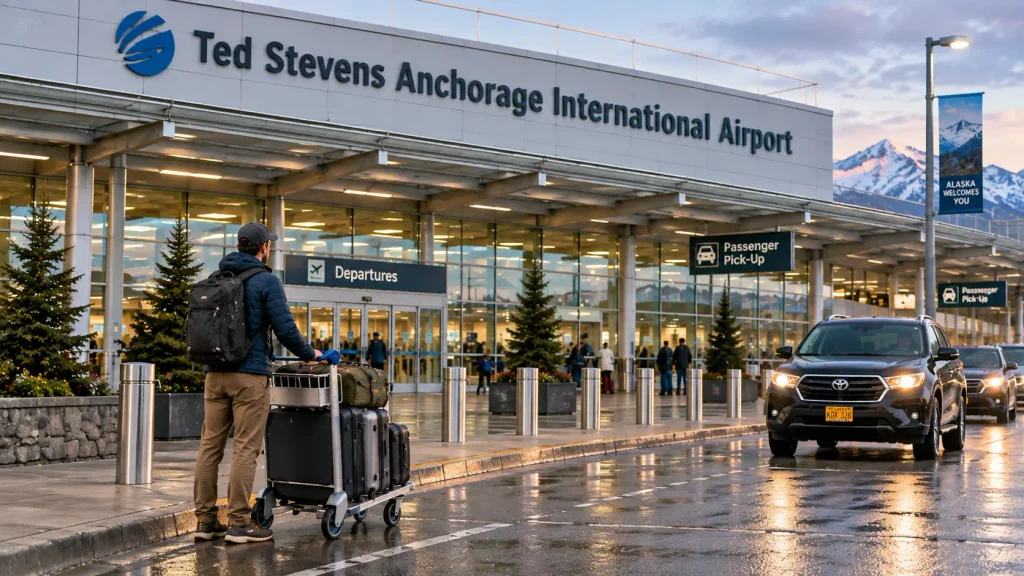
A structure that works: fly into Ted Stevens Anchorage International Airport, drive the Seward Highway along Turnagain Arm to the Kenai Peninsula, spend two or three nights around Seward for Kenai Fjords National Park and Exit Glacier, then head north to Talkeetna and Denali.
Two additions worth the detour. Homer at the end of the peninsula gives you the Homer Spit and Kachemak Bay. Fairbanks adds Chena Hot Springs and, in the right season, aurora.
For a car-free version of the same route, the railroad covers Anchorage to Seward, Denali, and Fairbanks on its own schedule, and the Glacier Discovery train reaches Spencer Glacier at a stop with no road access at all.
Park details for the Kenai side are on the NPS Kenai Fjords site.
The Whittier Tunnel Runs on a Timetable
Whittier is the departure point for several Prince William Sound cruises, and reaching it is unlike any other drive in the country.
The Anton Anderson Memorial Tunnel is a single-lane tunnel shared by cars and trains. Traffic alternates direction on a published schedule, and the tunnel closes overnight.
Practical consequences:
- Check the schedule before you leave Anchorage, not when you arrive at the queue.
- Add an hour of buffer if you have a boat to catch.
- A missed window means waiting, sometimes half an hour or more, and there is no alternative route.
- A toll applies on the Whittier-bound trip only, charged per vehicle rather than per passenger.
Where the Money Actually Goes
Alaska costs more than people budget, and the overruns come from predictable places.
- Flights within the state are expensive and often necessary. Anchorage to Juneau is a flight, not a drive.
- Guided activities carry the budget. Bear viewing, flightseeing, and glacier cruises each run into the hundreds per person.
- Lodging is limited and priced accordingly in Seward, Talkeetna, and the Denali entrance area during July.
- Food costs more, particularly outside Anchorage, because nearly everything is shipped in.
- Fuel is pricier the further you get from Anchorage. Fill up before long stretches.
- Weather cancels tours and refunds vary by operator. Ask about the cancellation policy before you pay a deposit, particularly for flightseeing.
One saving worth knowing: the shoulder weeks in late May and early September see meaningful drops on lodging while most operators still run.
Four Alaska Plans That Do Not Work
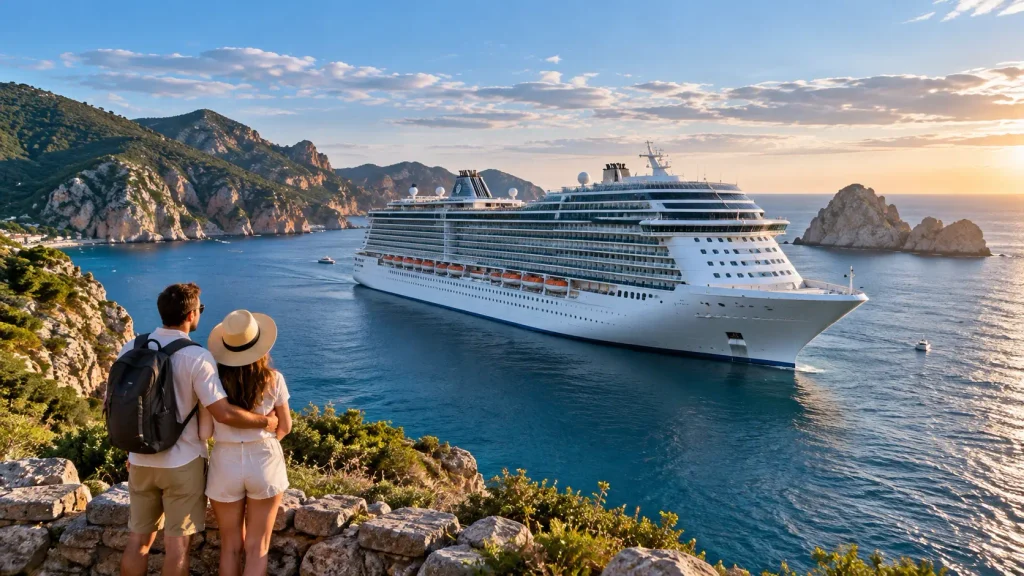
- A cruise as your only Alaska. Ports are Southeast towns, and shore time is short. It is a good trip, but it is not the interior.
- Trying to see Denali the mountain rather than the park. The peak is visible only about a third of the time in summer. Build the trip around the park and treat a clear view as a bonus.
- Booking a July aurora tour. No operator can deliver darkness that does not exist. If someone sells you one, that is the tell.
- Two weeks split between the road system and Southeast. The transit eats your trip. Choose one and go deeper.
Questions People Send Before Booking Alaska
When is the best time to visit Alaska?
Mid-June through July for maximum daylight and full tour operations. Late August into mid-September for fall color, fewer mosquitoes, and the return of aurora visibility. The main season runs mid-May to mid-September, and most services close entirely outside it.
Can you see the northern lights in Alaska in summer?
No. Aurora requires darkness, and June nights in Anchorage and Fairbanks never get dark enough. Aurora season runs from roughly late August through April, with Fairbanks the most reliable base. Any summer aurora tour is selling something it cannot deliver.
How many days do you need in Alaska?
Seven to ten for a first trip covering the road corridor from Anchorage through the Kenai Peninsula to Denali. Fewer than seven means cutting one major region. Two weeks lets you add Fairbanks or Southeast, but not both without spending most of it in transit.
Is the Denali Park Road open?
Not fully. The road has been closed at Mile 43 since the Pretty Rocks Landslide in August 2021, and the National Park Service expects that closure to hold through summer 2026. Eielson Visitor Center, Wonder Lake, and Kantishna are unreachable. Full bus service is projected for 2027.
Do you need a car in Alaska?
For the road corridor, yes, or the Alaska Railroad as a car-free alternative between Anchorage, Seward, Denali, and Fairbanks. For Southeast, no, since Juneau and Ketchikan have no highway connection at all and are reached by plane or state ferry.
How much should you budget for an Alaska trip?
More than you expect, driven by guided activities rather than lodging. Bear viewing, flightseeing, and glacier cruises each run into the hundreds per person. In-state flights, limited lodging inventory in peak July, and shipped-in food all add up. Late May and early September cost meaningfully less.
Lock Your Dates, Then Your Corridor
Most people who plan a trip to Alaska badly do it by working backwards from a destination list. Do these in order instead and the trip assembles itself. Choose your season first, accepting that midnight sun and aurora are separate trips. Choose one corridor second, road system or Southeast, not both. Then book the capacity-limited items before you touch flights.
Before any of it, open the Denali conditions page. If your plan involves Wonder Lake or Eielson, you need a different plan this year.