Bear Valley Is the Sierra Ski Day I Drive Past Tahoe to Find
I first drove up Highway 4 to Bear Valley on a Saturday in February, expecting a small local hill and a short day. I left eight hours later with tired legs, no lift line longer than three minutes, and a new rule for Sierra weekends: when Tahoe looks crowded, keep driving south. This is a big mountain that skis like a local secret, and the secret holds because the drive filters out the crowds.
The Day Lodge Sits Halfway Up the Mountain, and That Changes Everything
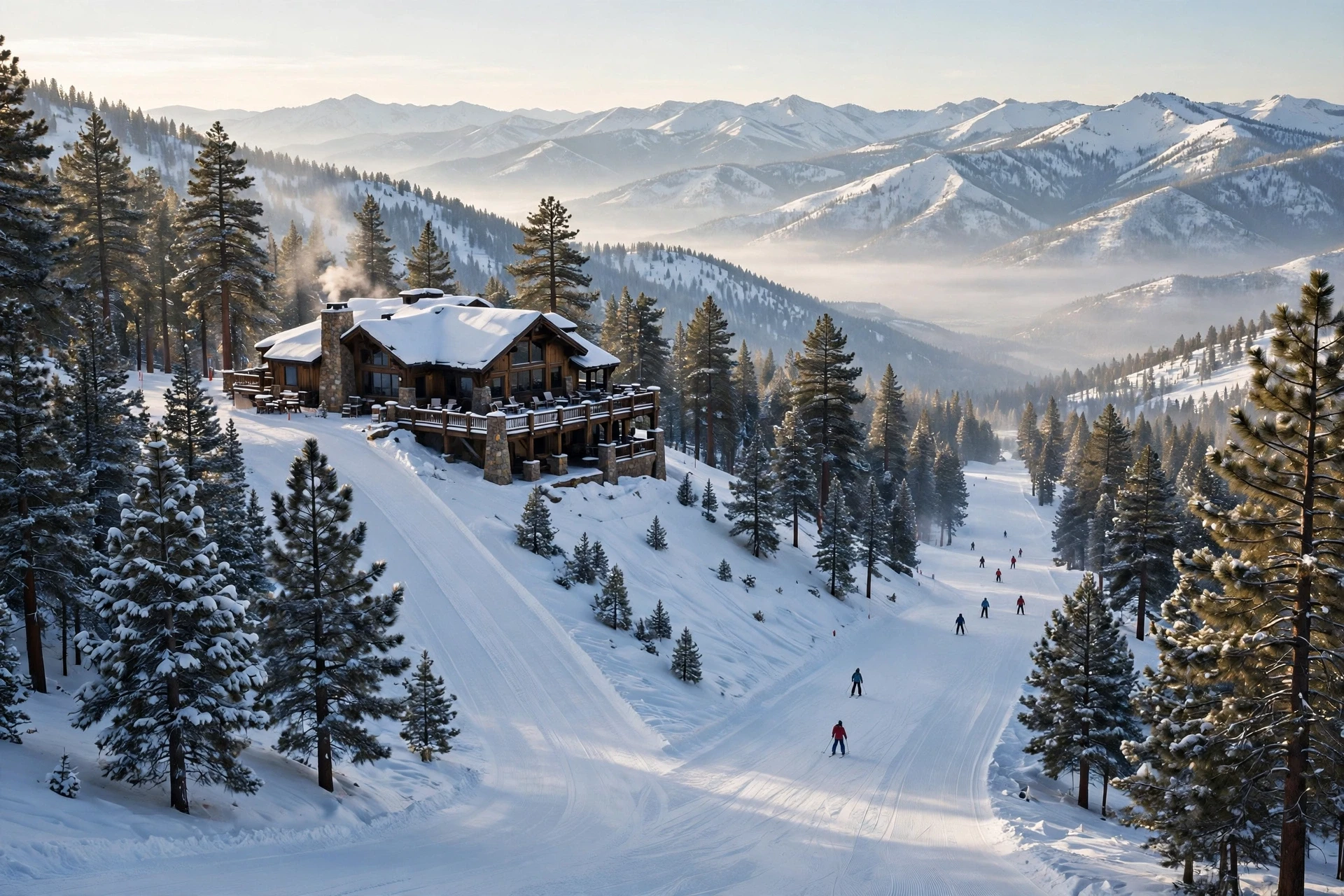
The first strange thing you notice is where you park. The day lodge sits at 7,750 feet, roughly halfway up the vertical, so you start your day in the middle of the mountain instead of at the bottom. You park high, click in, and ski down into the bowls below you. It feels wrong for about ten minutes, then it feels like the smartest layout in California.
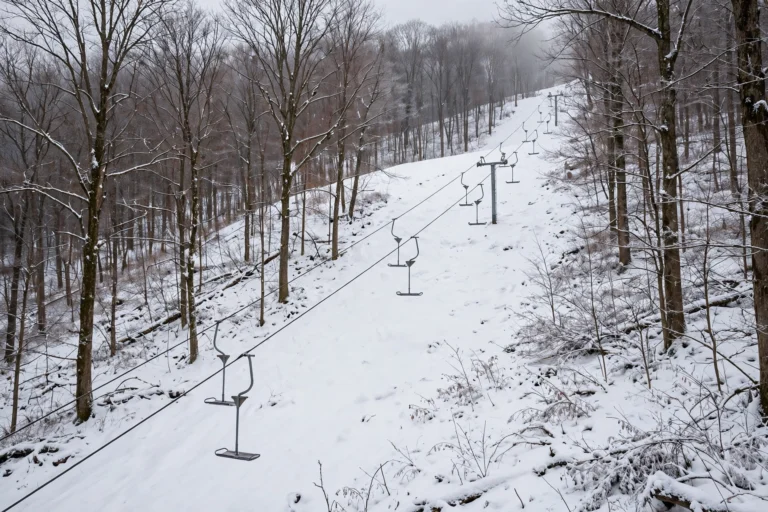
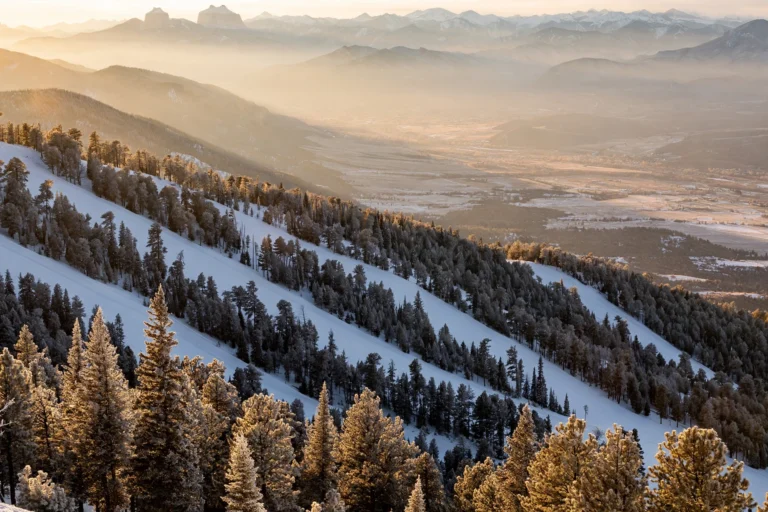
That mid-mountain base shapes the whole day. The front side fans out from the Mokelumne Express, a high-speed six-pack installed in 2017, and the runs below the lodge drop through open bowls and tree lines toward the base at 6,600 feet. When the lower mountain stays closed, and that happens more often than the trail map admits, your day lives on the upper 950 feet, which is still a proper ski day, just a shorter one.
The lodge itself is plain and practical, built for people who came to ski rather than to be seen skiing. The cafeteria runs at a normal pace, the rental shop moves fast, and the deck catches afternoon sun. Nothing about it tries to impress you. That is part of the charm, and part of the reason families keep coming back. On a bluebird afternoon, the deck fills with people who have already skied their legs out, boots unbuckled, faces to the sun, in no hurry to drive anywhere. The food is simple lodge food, burgers and chili and hot chocolate, served without ceremony. I have eaten better meals in Arnold and worse meals at fancier resorts, and I keep coming back to this deck because the view does the work.
A Bear Valley Morning, Pod by Pod
The mountain breaks into four pods, and the order you ski them matters more than it does at most resorts.
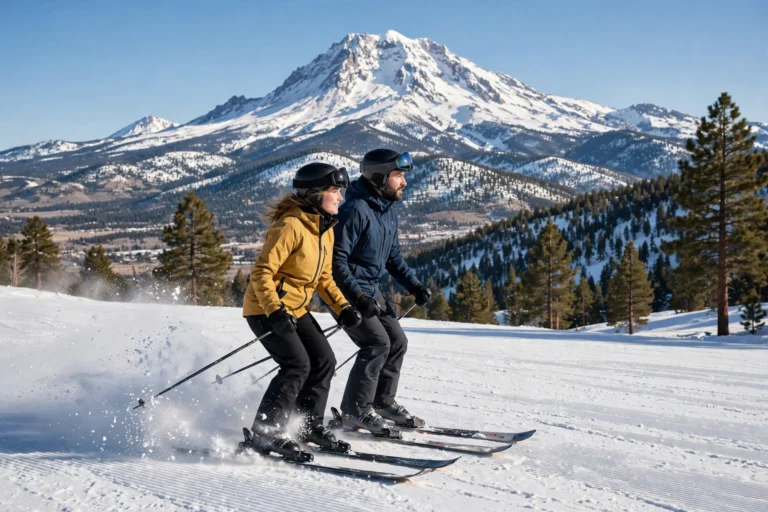
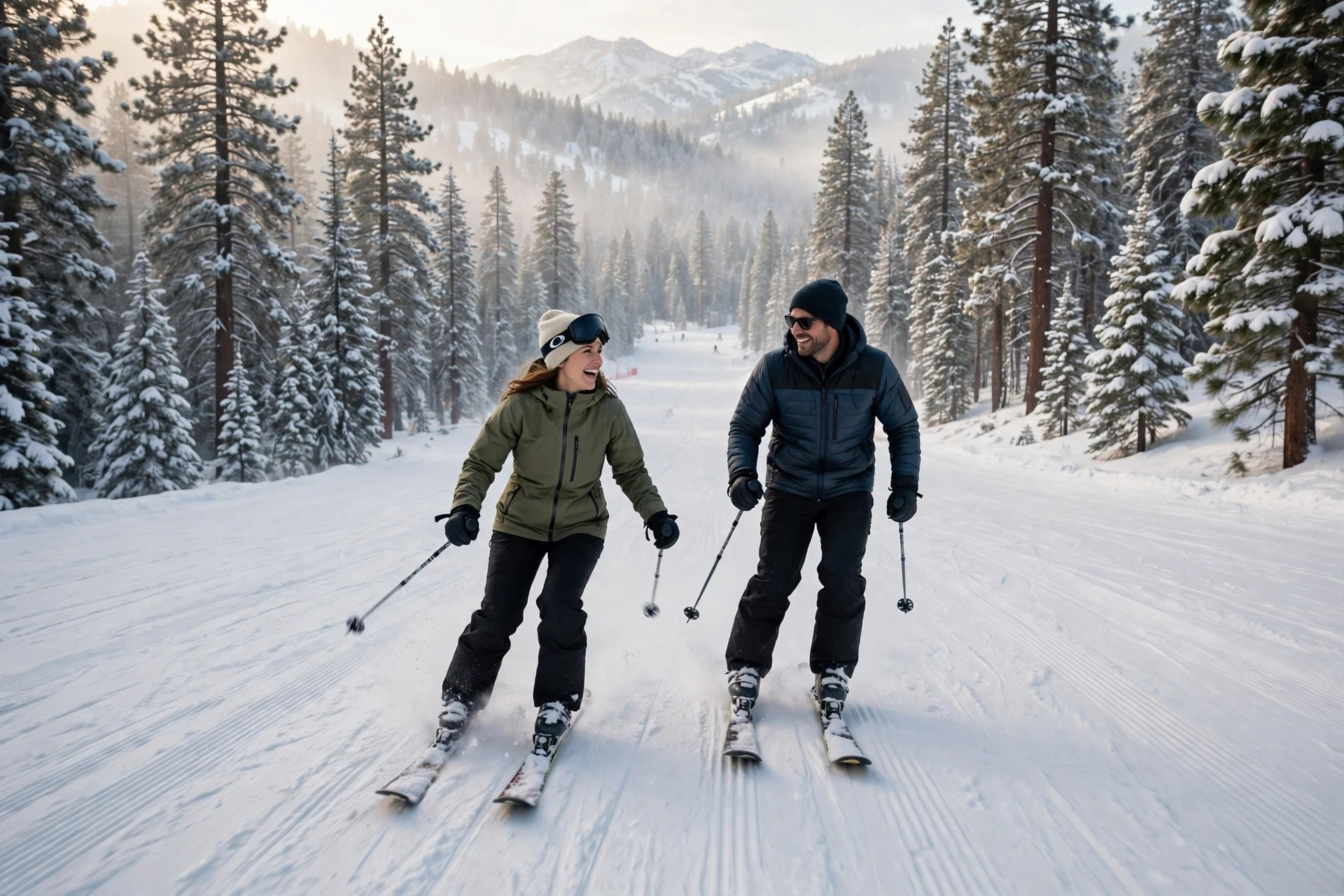
Start on the front side off the Mokelumne Express. The groomers here are wide, the pitch is honest without being punishing, and the lift is fast enough that you can lap the upper mountain three times in the time one Tahoe lift line takes. This is where intermediates should spend the first hour, while the snow is still firm and the light is clean.
Then cross to Bear West, under the Polar Express. This pod holds the best intermediate tree runs on the mountain, spaced widely enough that a confident blue skier can thread them without feeling trapped. The snow stays softer here into the afternoon because the aspect faces away from the morning sun. On a storm day, Bear West is where I go first, not last.
The third pod is the one people talk about in the parking lot: Grizzly Bowl and Snow Valley, more than 1,100 feet of largely ungroomed vertical below the lodge. You ski down into it and ride back out, which means committing to terrain you cannot see from the top. The chutes are short and steep, the cliff bands are real, and the snow can be the best on the mountain or a frozen mess depending on the week. Check with patrol before you drop in. Grizzly opens conditionally, and when it is closed, it stays closed, no matter how good it looks from the lift.
The fourth pod is the Village Side, ungroomed descents that end away from the lifts and need a shuttle return. I have skied it twice. The first time was a powder morning I still think about. The second time was a crusty afternoon I would rather forget. Treat it as a bonus, not a plan.
What the Low Base Costs You on a Thin Year
Here is the honest part. The summit tops out at 8,500 feet, which is low for the Sierra, and the base sits at 6,600 feet. In a thin snow year, the lower mountain below 7,500 feet often never opens, and the resort skis much smaller than its 1,680 acres suggest. The effective vertical on those days is about 950 feet, and the run count drops with it.
Snowmaking covers only about 100 acres on the upper mountain, so the resort cannot manufacture its way out of a dry December the way higher, better-equipped areas can. The 2025-26 season told the story plainly: the mountain opened in late November, paused mid-season when the snow ran out, reopened on Christmas Day, and closed on March 29. That is not a complaint. It is the deal you accept for the empty lift lines, and you should know it before you book a room.
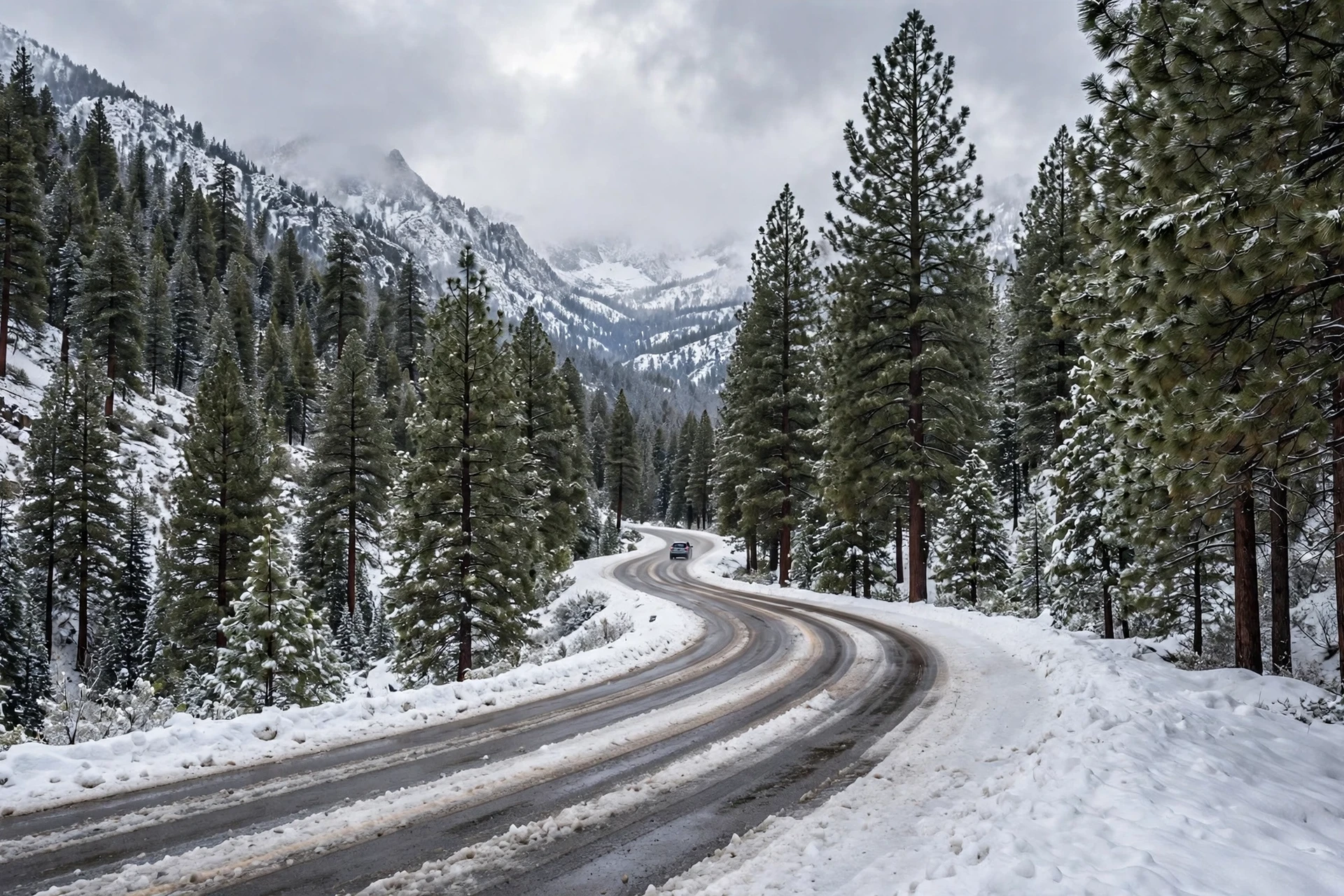
The other cost is the drive. Highway 4 over Ebbetts Pass closes for winter east of the resort, which is fine, since you approach from the west, but the road from Angels Camp climbs steadily and the last stretch can be slow in a storm. Carry chains even if you have all-wheel drive. Caltrans runs chain controls on this highway regularly, and the patrol does not wave you through on confidence alone.
The Village Is Three Miles From the Lifts, So Plan the Night First
Newcomers make one mistake here more than any other: they assume the village and the ski area are the same place. They are not. Bear Valley Village sits at about 7,100 feet on Highway 4, and the ski area is three to four miles further up Mt. Reba Road, with no lift connecting them. You drive between the two, every time.
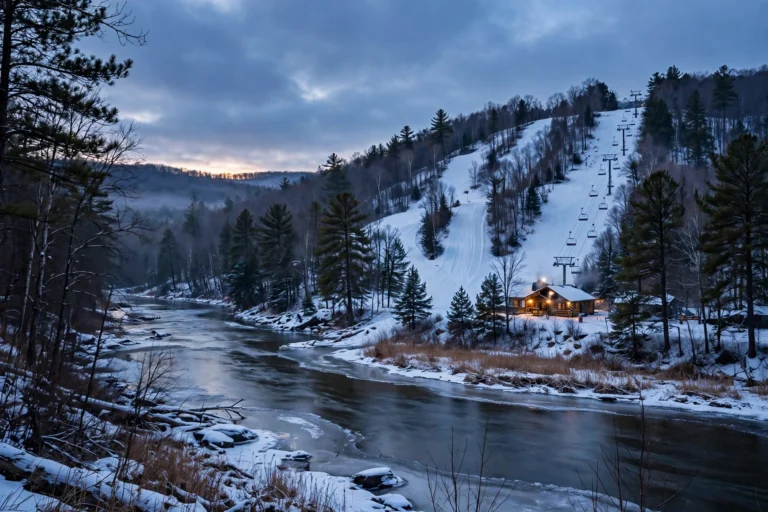
That separation turns into a strength once you plan around it. The village is quiet in the best sense: a small lodge, a general store, a handful of cabins, and a meadow that holds snow late into spring. The store stocks the basics and a surprising amount of ski wax, and the meadow behind the lodge is where kids build snow forts while their parents drink coffee on the porch. It feels like a mountain town from forty years ago, before ski villages became shopping districts. The cabins in Arnold, down the highway, give you more choice and lower prices, and the drive up in the morning takes about 25 minutes in clear weather. I stay in Arnold when I want restaurants and a hot tub, and in the village when I want to walk out the door into the quiet.
Book the room before you watch the snow forecast. Lodging this far off the main Tahoe corridor is limited, and the few cabins near the village go first on storm weekends. The mountain sits inside the Stanislaus National Forest, and the Forest Service page for the forest is worth a look if you want to pair the ski day with a snowshoe walk. The resort is owned since November 2023 by California Mountain Resort Company, and it runs on the Cali Pass, which also covers several other California areas, so pass holders show up in waves on powder days. Even then, the lift lines stay short. That is why the place works.
When to Go, and the One Page to Check Before You Leave
The season typically runs from late November into April, but the resort had not posted a 2026-27 opening date when I last checked its site in mid-November, and I will not guess one here. Opening depends on natural snow, and the mountain opens when the upper mountain is ready, not when the calendar says so. Before you drive up, read the snow report on the resort’s own site and check which lifts are spinning. Which lifts run on a given day is a daily call, not a published guarantee.
Midweek is the move if your schedule allows it. A Tuesday here feels like a private mountain: empty groomers, no wait at the lodge, and the kind of quiet that makes you ski slower just to stretch it out. Saturdays are busier but still calm by Tahoe standards. The only days that feel crowded are the big storm weekends, and even those clear out by mid-afternoon when the day-trippers head home. The best snow usually falls between January and March, and the spring weeks in late March can be the finest skiing of the year, soft corn snow under a warm sun, with the lower mountain open more often than in December. I have had my best days here in March, when the days are long and the mountain feels generous.
If you ski here more than once a season, the Cali Pass math works quickly. If you come once, buy the day ticket online in advance, since walk-up prices cost more at most California resorts now, and this one is no exception. I am not printing a ticket price here because the resort prices by day and the number changes; check the site the week you go.
The Runs I Skip, and the Ones I Lap
Every mountain has runs that look better on the map than they ski, and this one is no different. I skip the lower-mountain groomers on icy mornings, when the sun has not reached them and the surface is closer to a rink than a trail. I skip the Village Side descent unless the snow is soft and I have time for the shuttle, because a scratchy run that ends with a bus ride is a bad trade. And I skip trying to ski all four pods in one day on a first visit. The mountain rewards a slow lap of two pods over a frantic tour of four.
The runs I lap are the upper front-side groomers off the Mokelumne Express in the morning, the Bear West trees after lunch, and one careful drop into Grizzly Bowl on the days patrol has it open and the snow is right. That is a full day, and it leaves me wanting to come back, which is exactly what a ski day should do.
The beginner area deserves a line of its own, because it is where this mountain quietly beats the bigger resorts. The Cub lift serves a gentle bowl near the lodge, wide enough for a first-timer to turn without fear and short enough that a parent can watch from the deck. The progression works: a morning on Cub, an afternoon on the easiest front-side groomers, and a second day on the Bear West blues. Families who learn here come back, and the mountain knows it.
Book the Room in Arnold, Then Watch the Storm Track
Here is the plan that works. Book a cabin in Arnold or the village for a midweek night in January or February. Check the resort snow report the morning you leave, and carry chains. Ski the front side first, Bear West after lunch, and Grizzly only if patrol says it is good. Eat in the lodge, drive back down in the dark, and sleep well. The mountain will still be there in the morning, and the lift line will still be three minutes long. If you are building a longer California trip around the ski day, the Visit California site is where I start for the wider picture.