Luxury Ski Resorts Are Worth It for the Day Around the Skiing, Not the Snow
I have skied the famous names and the quiet ones, and the difference between a good ski trip and a great one rarely comes down to snow alone. The best luxury ski resorts make the whole day feel easy: the lift is close, the boots are warm, lunch is a real meal, and nobody queues for anything that matters. This list holds the ten I would book again with my own money, in the order I would book them.
What luxury ski resorts get right that the rest miss
A high-end ski trip is not about thread counts or champagne at lunch, though both help. It is about friction. At an ordinary resort, friction shows up everywhere: a shuttle that runs every forty minutes, a rental shop line that eats the morning, a lift maze that dumps you at the wrong base. The resorts below remove it. Ski valets carry your skis, and the lift you need sits steps from the door.
Service at this level also means staff who fix problems before you notice them. I once arrived in a whiteout with a boot that would not buckle, and a tech had it swapped before I finished my coffee. That is the standard I measured these ten against.
Ten resorts, ranked by how the day feels on the mountain
1. Deer Valley, Utah
Deer Valley runs on a simple idea: fewer people, better snow. The resort caps daily lift ticket sales, and the groomers work through the night, so the first runs feel like fresh corduroy. It is skiers only, which keeps the slopes calm and the lines short.
The base area is compact. You park, or get dropped off, and you are on a lift within minutes. Lunch at the Stein Eriksen Lodge is the kind of meal people plan a day around, and the ski valet at the Montage Deer Valley means you never carry your own skis. Deer Valley sits a short drive from Salt Lake City International Airport, which makes a long weekend realistic.
2. Aspen Snowmass, Colorado
Aspen has four mountains, and that spread is the point. Aspen Mountain is steep and direct, right above town. Aspen Highlands holds the expert terrain and the famous Highland Bowl. Buttermilk is the easy family hill, and Snowmass is the big sprawling one with room for everyone. One lift ticket covers all four.
The town itself does half the work. You can ski to the base of Aspen Mountain and walk to dinner in ten minutes. The Little Nell sits at the gondola plaza, ski-in and ski-out, and its wine list alone justifies a stay. For the full picture of the state, start with Colorado’s best ski resorts before you narrow it down.
3. Vail, Colorado
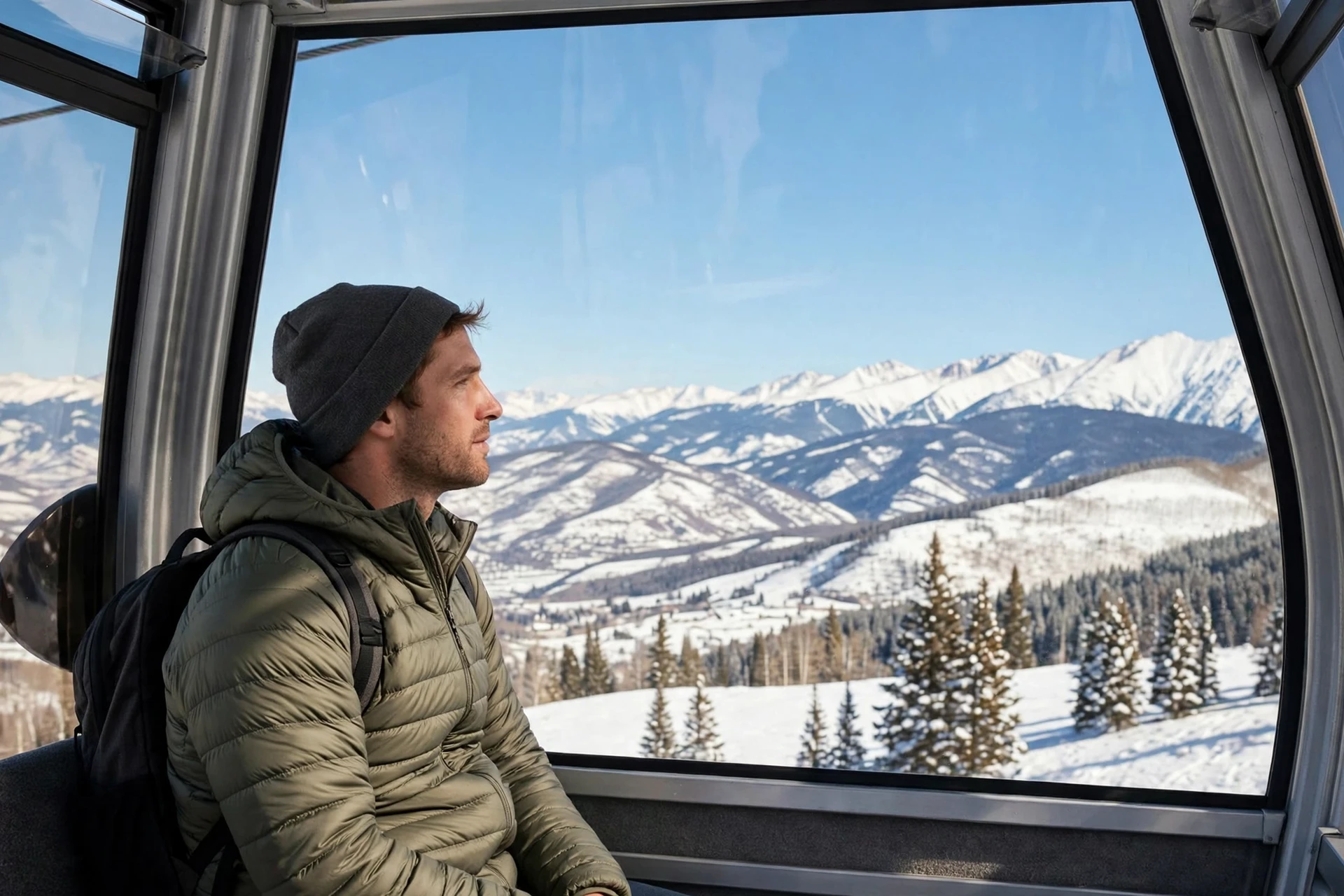
Vail is the biggest ski area in the United States by acreage, and it skis bigger than it looks on the map. The front side holds the groomed cruisers, the Back Bowls hold the wide-open powder fields, and Blue Sky Basin feels like a different resort entirely.
The villages do the rest. Vail Village and Lionshead are built for walking, with heated streets, real restaurants, and shops that stay open late. The lift system is fast and modern, so you spend the day skiing instead of standing. Check lift and ticket details on the official Vail site before you book.
4. Beaver Creek, Colorado
Beaver Creek is the quieter sibling in the same valley as Vail, and for many skiers it is the better choice. The grooming is famously precise, the lift lines stay short, and the mountain hosts hand out warm cookies at the base in the afternoon.
The village is compact and walkable, built around an ice rink that fills up at dusk. Families like it because the beginner terrain sits right by the base, and strong skiers like it because the Birds of Prey course and the Grouse Mountain side hold serious terrain.
5. Jackson Hole, Wyoming
Jackson Hole is the steepest resort on this list, and it does not apologize for it. The vertical drop from the summit of Rendezvous Mountain is more than 4,000 feet, and the tram climbs it in nine minutes. The terrain demands respect: narrow chutes, long bump runs, and Corbet’s Couloir at the top.
That edge is what makes it luxurious in a different way. The crowds are thin, the snow stays light, and the town of Jackson keeps its rough western character instead of polishing it away. The Four Seasons Resort and Residences Jackson Hole sits at the base in Teton Village, with a spa that earns its keep after a hard day.
6. Whistler Blackcomb, British Columbia
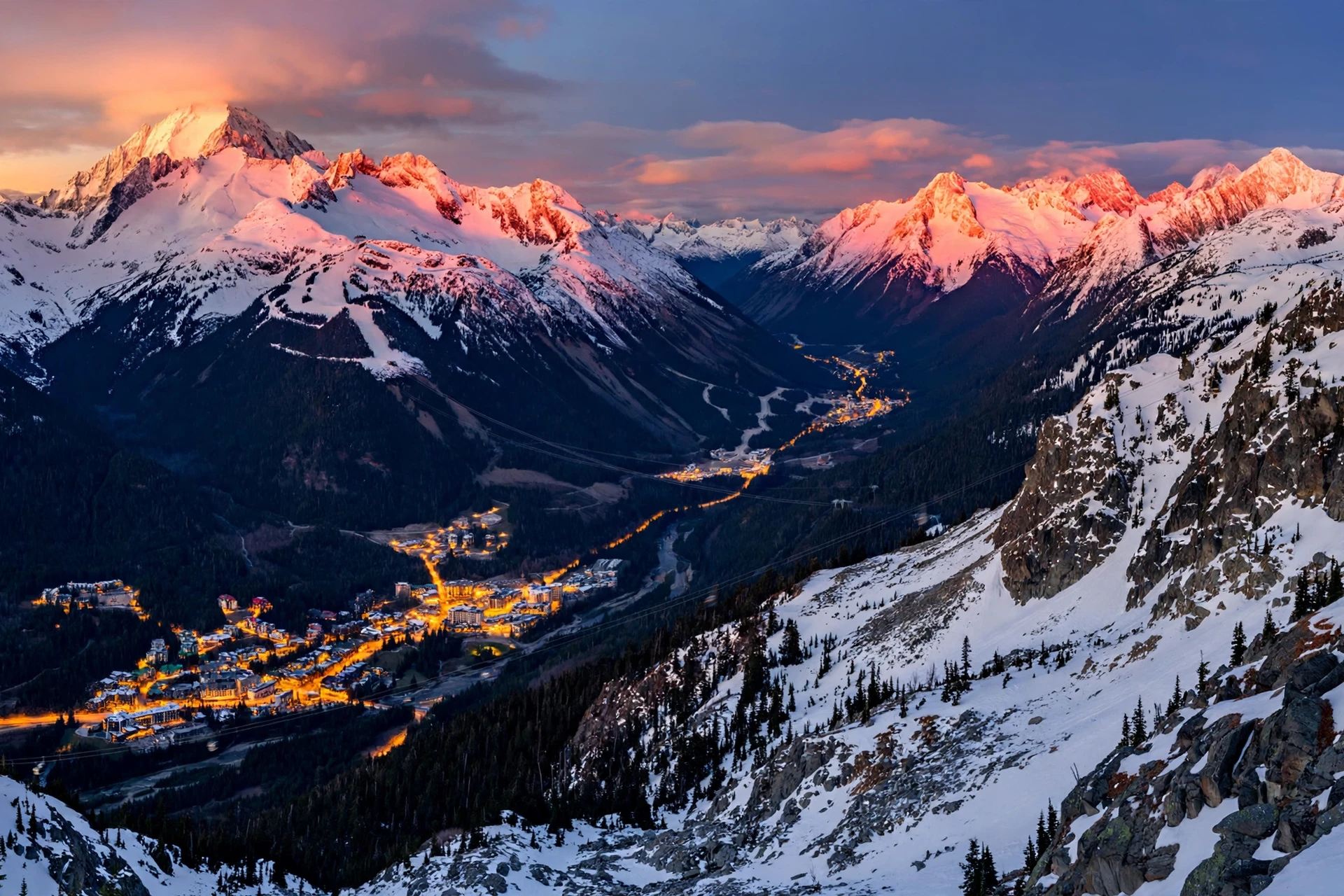
Whistler Blackcomb is the largest ski area in North America, and it skis like two resorts joined by a gondola. The PEAK 2 PEAK Gondola links Whistler Mountain and Blackcomb Mountain across a valley, and the ride alone is worth the ticket. Lift tickets and terrain status are on the official Whistler Blackcomb site.
The village is a real pedestrian town, not a base lodge with shops attached. You can ski to your hotel, walk to dinner, and never touch a car for a week. The snow here is heavier than in the Rockies, so bring wider skis or rent them on the mountain.
7. Zermatt, Switzerland
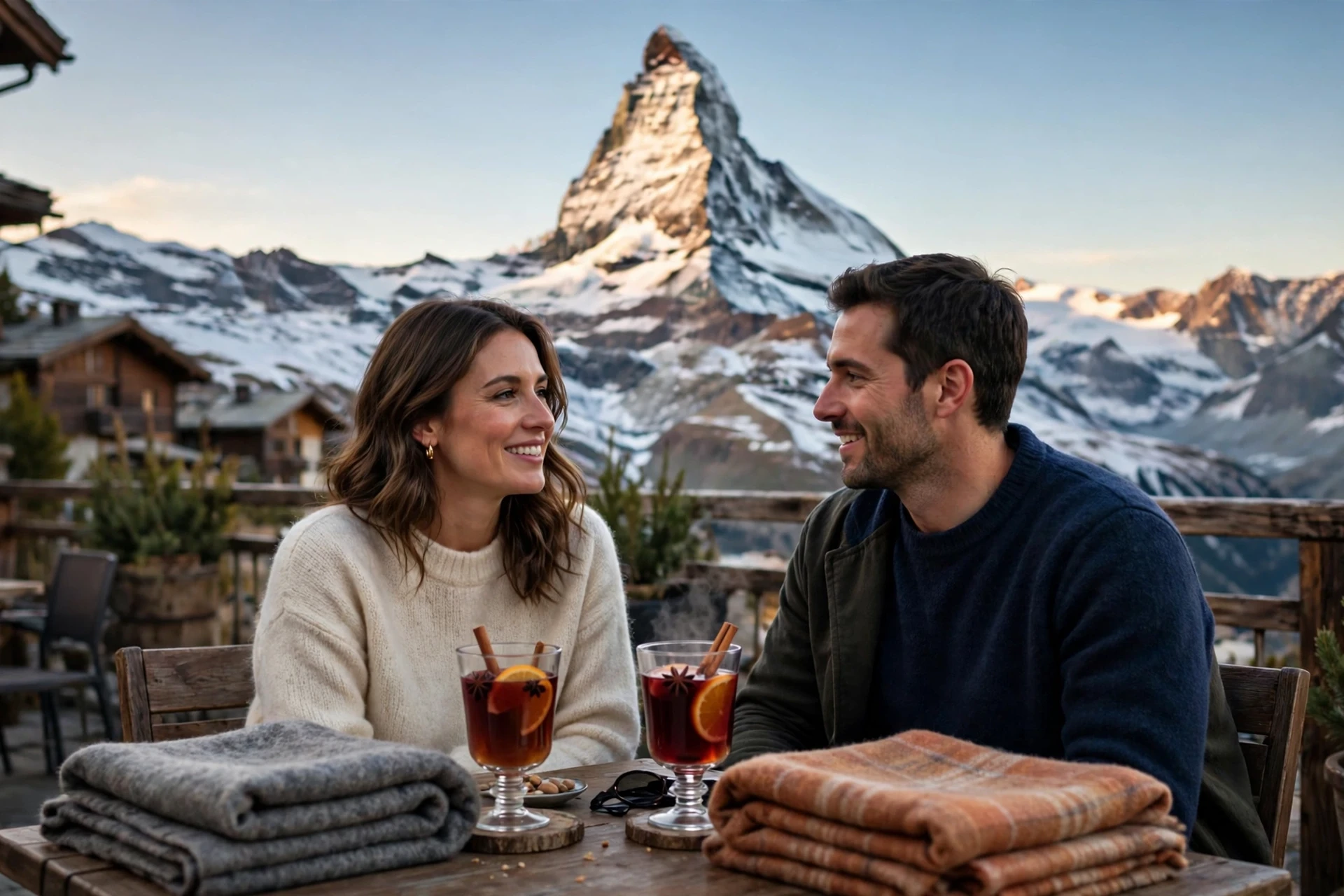
Zermatt is car-free, and that one fact changes the trip. You arrive by train, walk through a village of wooden chalets, and look up at the Matterhorn from the main street. The skiing runs high, with lifts reaching above 12,000 feet, and the Theodul Glacier keeps snow late into spring. Lift passes and train connections are on the official Zermatt tourism site.
The mountain restaurants are the best on this list. Long lunches on sun terraces are a local tradition, and the food beats most city restaurants. You can ski across the border into Cervinia, Italy, for lunch and ski back before the lifts close.
8. Courchevel, France
Courchevel sits in Les Trois Vallees, the largest linked ski area in the world, and Courchevel 1850 is its polished center. The grooming is immaculate, the lift system is fast, and several restaurants hold Michelin stars. You can ski from one valley to the next and return by lift without ever repeating a run.
The village is built for walking, with shops and hotels clustered around the slopes. The ski schools here are strong, which matters if you travel with someone learning. The altitude keeps the snow reliable deep into the season. Book restaurants early; the good ones fill weeks ahead in peak season.
9. St. Moritz, Switzerland
St. Moritz hosted the Winter Olympics twice, in 1928 and 1948, and it still carries that history in its hotels and ski clubs. The resort sits on a frozen lake in the Engadin valley, and the light here is different from anywhere else in the Alps: sharp, bright, and steady through the afternoon.
The skiing spreads across Corviglia, Corvatsch, and Diavolezza, with long cruisers and serious off-piste. The town has two sides, the lakefront St. Moritz Bad and the hillside St. Moritz Dorf, and the funicular between them runs all day.
10. Lech am Arlberg, Austria
Lech is the quiet end of the Arlberg region, and it keeps a lower profile than its neighbor St. Anton. The village is small and traditional, the hotels are family-run, and the skiing connects across to Zurs and on to St. Anton.
The snow record here is strong, and the slopes stay uncrowded even in February. The White Ring circuit is the signature day: a marked loop of lifts and runs that circles the valley and takes most of a day to complete.
Ski-in, ski-out access changes the whole trip
A ski-in, ski-out room is worth more than a bigger room. When your door opens onto the snow, the day starts the moment you step outside. You skip the shuttle, the boot bag, and the walk across a cold parking lot in ski boots. That saved time adds up to an extra run or two every morning.
The best setups on this list are the Montage Deer Valley and The Little Nell in Aspen, both true ski-in, ski-out at the base. Beaver Creek and Vail also have slopeside lodging where you clip in at the door. When you compare prices, weigh the room rate against the shuttle time you save.
Chalets with spas are where the money shows
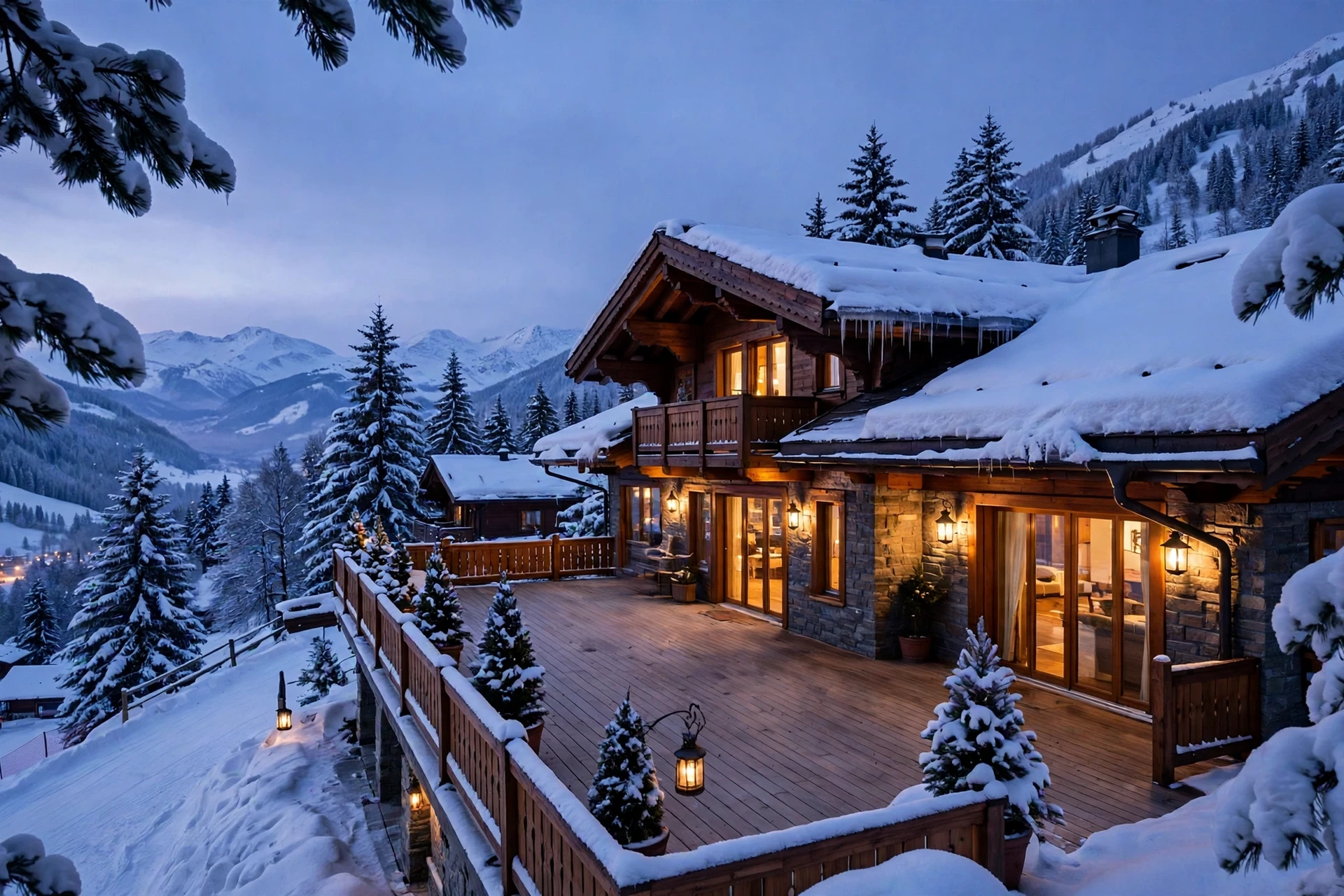
A luxury ski chalet with a spa is not about the size of the bathtub. It is about what happens at four in the afternoon, when your legs are done and the light is going. A good spa has a pool long enough to swim in, a sauna that runs hot, and therapists who know what a ski day does to a body.
The top chalets in Courchevel and Zermatt run the full program: private chef, heated boot room, in-house massage, and a driver on call. In North America, the resort spas at Jackson Hole and Deer Valley do the same work inside a hotel. Either way, check what is included before you book.
Two-person trips: where couples get the best of it
The best ski resorts for couples share three things: a town worth walking in after dark, restaurants that take a reservation for two without a fuss, and terrain that lets two skiers of different levels meet for lunch. Aspen wins on the town, Zermatt on the romance of the village, and Beaver Creek on ease.
St. Moritz suits couples who like long lunches and slow afternoons. Courchevel suits couples who want the food to be the point of the trip. Whistler suits couples where one skis hard and the other does not, since the village has plenty to do off the snow. Pick the resort that matches the slower skier, not the faster one; the trip works when both people come back happy.
Booking a high-end ski vacation without the guesswork
High end ski vacation packages bundle the parts that cost the most when bought separately: lodging, lift tickets, transfers, and sometimes lessons or rentals. The bundle is often cheaper than the pieces, and it removes the risk of a sold-out lift ticket ruining a trip. Ask exactly what the package includes before you pay, and get it in writing.
Lead times matter more than discounts. The best rooms at Deer Valley and Aspen go months ahead for Christmas and Presidents’ Day week. If your dates are fixed, book the room first and the flights second; rooms sell out faster than seats.
Lift tickets deserve the same attention. Several resorts on this list cap daily sales or raise prices as the date approaches, so buying early is how you guarantee a place on the mountain. Check cancellation terms too; the best packages let you move dates for a fee instead of losing the whole trip.
For the wider US picture before you commit to one mountain, ski resorts across the USA gives a useful comparison of regions and seasons.
Where I would skip, and what I would not pay for
Not every famous name earns its price. I skip the resorts where the village is a shopping mall with a ski hill attached and the lift lines eat the morning. A long lift queue at a resort charging top prices is a sign the mountain is oversold.
I also skip the add-ons that sound good in a brochure and do nothing on the mountain. A private guide is worth it on your first day at Jackson Hole or Zermatt, where the terrain is complex, and a waste of money on a groomed cruiser hill you could read from the trail map.
The biggest waste I see is the oversized room. You sleep in it and change in it. Spend the money on location instead: a smaller room at the base beats a suite a shuttle ride away every time.
Questions I keep getting before anyone books
How far ahead should I book a luxury ski trip?
For Christmas and Presidents’ Day week, book five to six months ahead for the best rooms and slopeside locations. For a January or March trip, two to three months is usually enough. Lift tickets often cost less the earlier you buy, and some resorts cap daily sales.
Are the most luxurious ski resorts in the world worth the price?
They are worth it when the price buys time: short lift lines, slopeside access, and service that removes waiting from the day. They are not worth it when the money goes to a lobby you never sit in. Compare the room rate to the location before you compare it to other resorts.
Can beginners enjoy these resorts?
Yes, and several on this list are better for beginners than cheaper hills. Beaver Creek and Deer Valley have gentle terrain right at the base, strong ski schools, and short walks from lesson to lift. Tell the ski school your level honestly; a lesson matched to your ability beats a brave guess.
What should I pack that first-timers forget?
Sunscreen and lip balm with sun protection, because the sun at altitude is strong even on cloudy days. A second pair of gloves, since wet gloves end a ski day early. Layers you can add or remove, and a small day pack for water and an extra layer.
Is a ski-in, ski-out room worth the extra cost?
For most skiers, yes. It saves the shuttle, the boot walk, and the morning hassle, and it lets you ski back to your door at the end of the day. If you ski only a few hours a day, a cheaper room near the village shuttle works fine.
Pick one, book it early, and stop comparing
The best luxury ski resorts share one trait: they make the day feel easy from the first lift to the last run. Pick the resort that fits the way you ski, not the one with the most famous name. Book the room early, buy the lift ticket early, and leave one dinner unplanned. The snow will do the rest.