Ascutney Is Not a Resort Anymore, and That Is Why It Works
I drove to Brownsville, Vermont, on a grey Saturday in February with no lift ticket bought, no reservation made, and no idea whether the hill would even be running. That is the whole experience of Ascutney Mountain Vermont now, and it is the reason I keep going back. The resort that stood here for 64 years closed in 2010. What replaced it is smaller, slower, volunteer-run, and run on real snow. It is the opposite of a ski vacation, and for a certain kind of skier it is the best weekend in New England.
Skiing Ascutney Mountain Vermont on a Volunteer-Run Hill
The hill today is run by Ascutney Outdoors, a local nonprofit, on land the town of West Windsor owns. Volunteers staff the lifts, run the lodge, and groom the trails. There is no ticket window the way a resort has one, no base village, no high-speed quad, and no snowmaking. When it snows, the hill opens. When it does not, it waits. That is the deal, and the people who ski here accept it because the trade is a quiet mountain, short lines, and a lift ticket that costs less than lunch at a big resort.
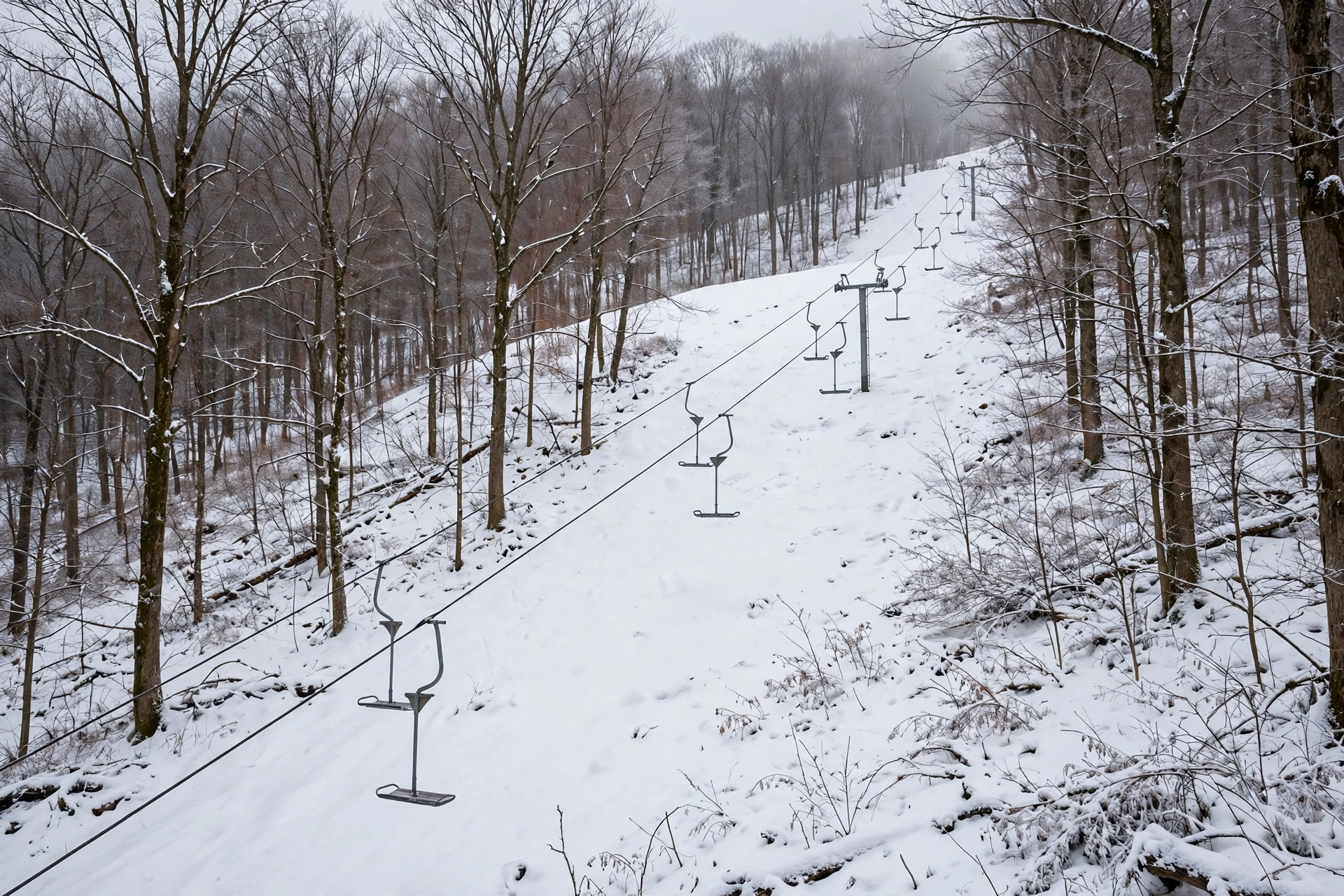
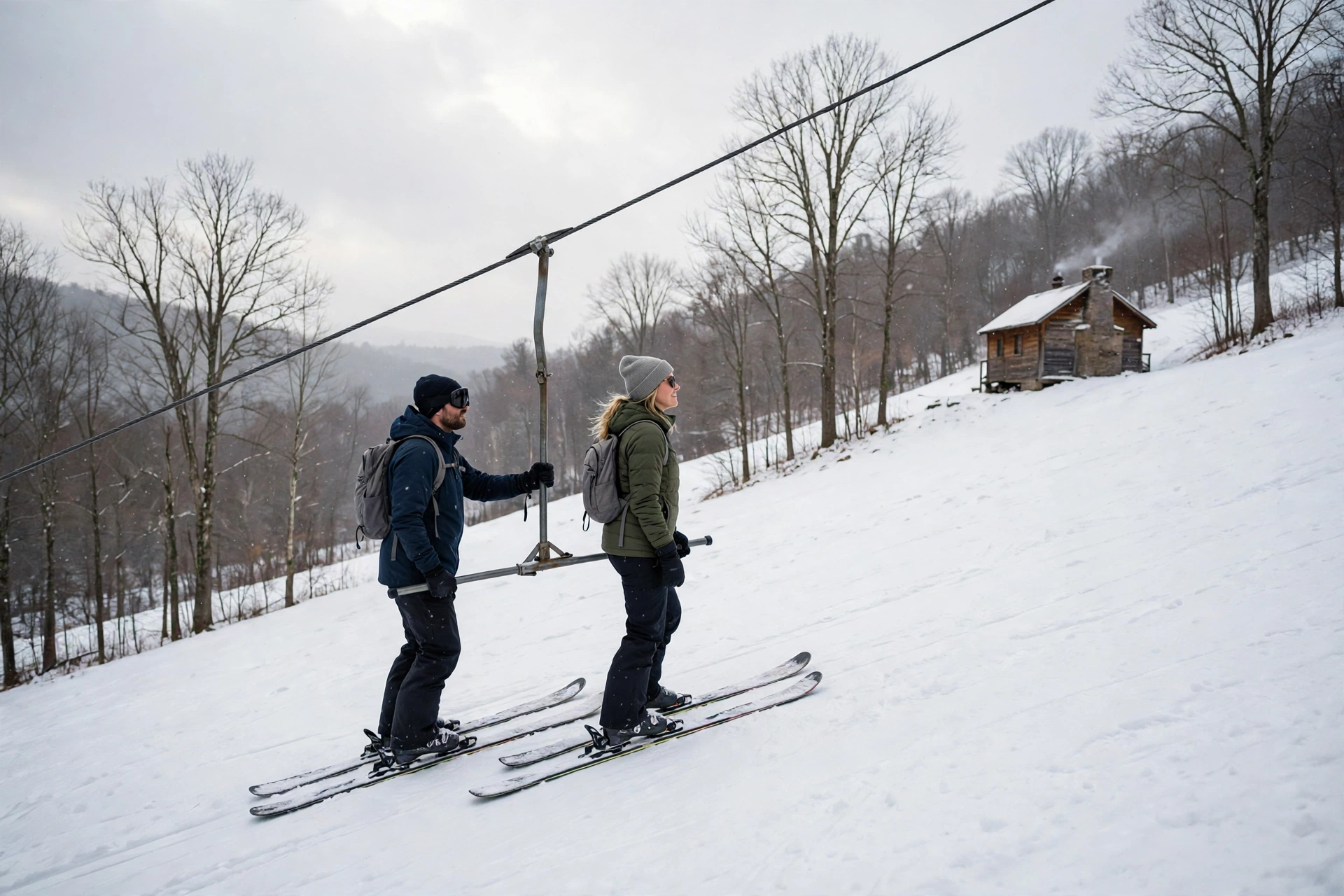
The lift system is simple. A 1,800-foot T-bar, installed in 2019 and first run in February 2020, serves eight maintained trails over 26 acres, with about 435 feet of vertical. A rope tow covers the lower slope. A separate handle tow serves the family tubing hill. That is the whole lift system, and it is enough. The T-bar ride takes a few minutes, the trails are short, and you can lap the hill all afternoon without ever standing in a line longer than five minutes. I counted my runs one Saturday and stopped at 22, which is more skiing than I get in a day at a mountain five times the size.
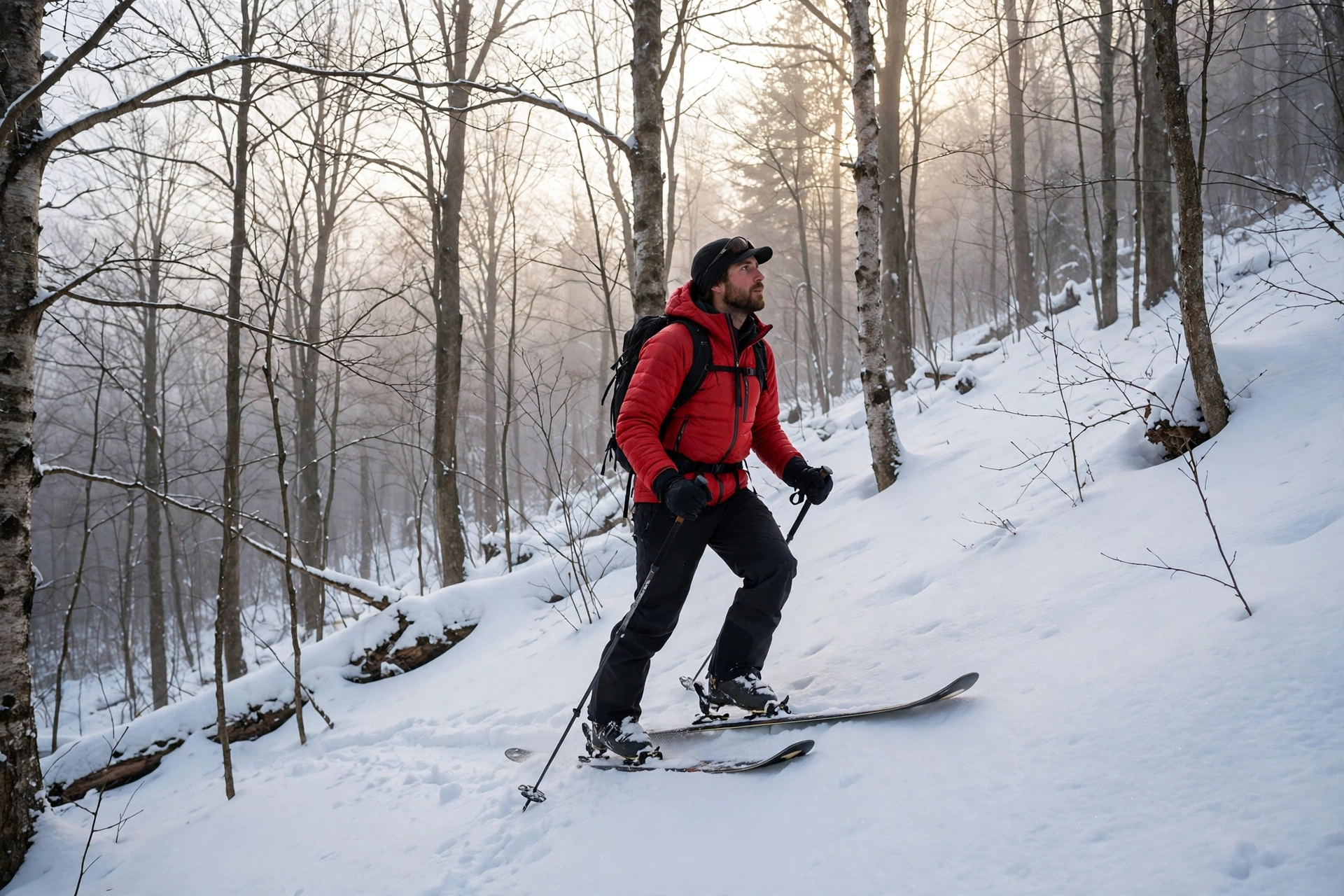
The trails are the honest kind. They are narrow by modern standards, cut through hardwoods, with natural snow that skis soft after a storm and firm after a thaw. There are no terrain parks, no groomed boulevards, no high-speed cruising runs. The pitch is gentle to moderate, which suits progressing skiers, families, and anyone who would rather make clean turns than chase vertical. Advanced skiers will find the hill too small for a full day, and the hill does not argue with that. It knows what it is.
What the Old Resort Left Behind
The old Ascutney Mountain Resort operated from 1946 to 2010, and at its end it had 57 trails and five chairlifts, with a base lodge, a hotel, and a real-estate plan that never quite worked. When it closed, the mountain sat quiet for five years, and the lifts rusted where they stood. The land was bought in 2015 by the town of West Windsor, with help from the Trust for Public Land, and placed under a conservation easement that keeps the upper mountain wild. That easement matters. It means lift service can never return to the upper mountain, and the backcountry up there stays backcountry.
The nonprofit that runs the hill today, Ascutney Outdoors, marked its tenth anniversary in November 2025. In that decade it brought skiing back with a rope tow in 2016, built the Ascutney Outdoors Center in 2018, and installed the T-bar in 2019. More than 3,000 skiers and tubers came through in the 2025 winter season, which is a lot for a hill with one T-bar and no snowmaking. The numbers tell the story plainly. People want this place to exist.
None of the old resort’s numbers apply to the hill today. If you read a listing that promises 56 trails, six lifts, or a high-speed quad, it is describing a resort that has been closed for 16 years. The current hill has eight trails, two lifts plus a tubing tow, and 435 feet of vertical. I say that plainly because the stale listings are everywhere, and they set people up for the wrong trip.
The Hill Today: A T-Bar, a Rope Tow, and Eight Trails
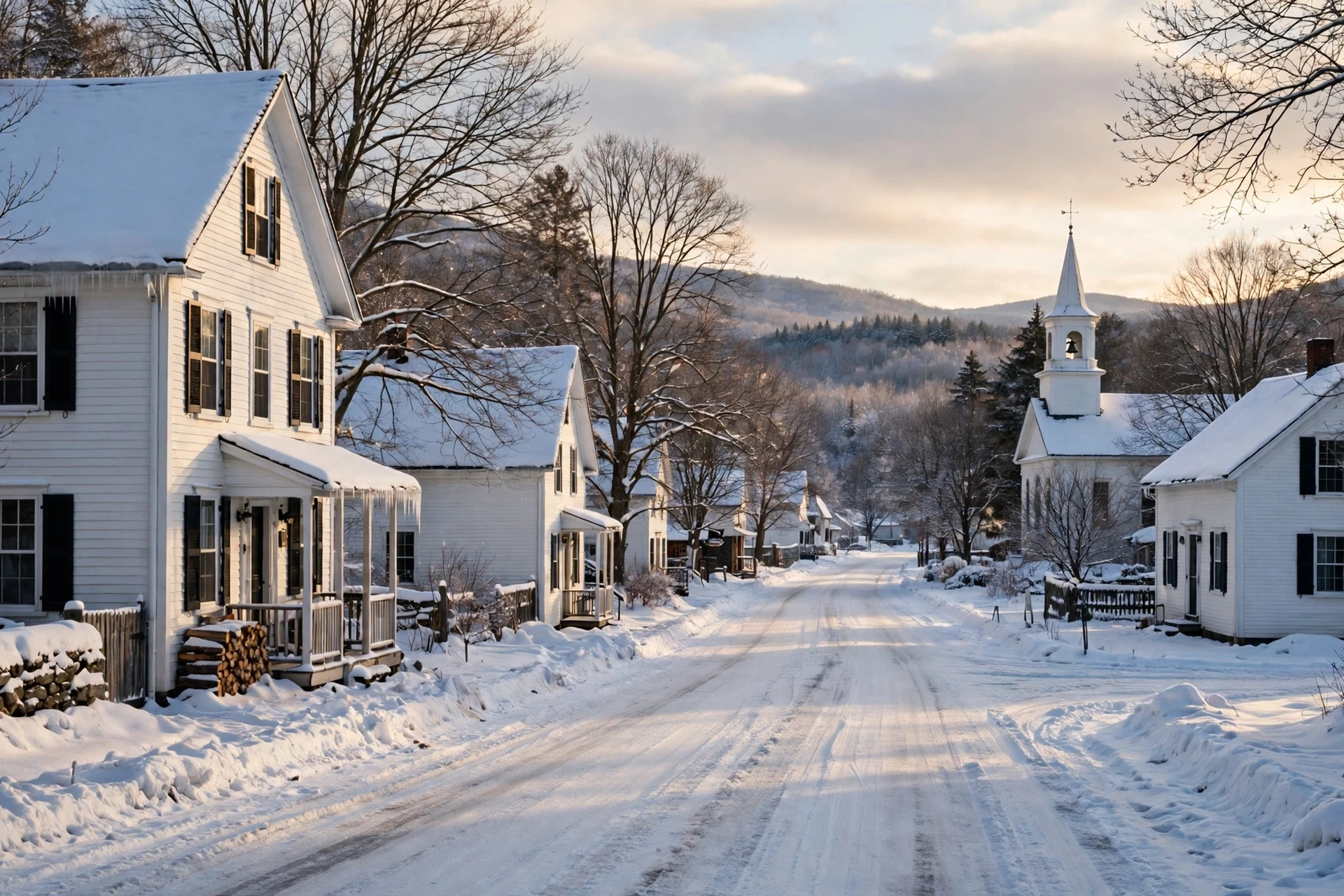
A day at Ascutney starts at the base on Ski Tow Road in Brownsville, at 449 Ski Tow Road. The lodge is small and warm, with a snack bar, a wood stove feel, and a rack of donated skis that tells you what kind of place this is. Parking is free and close. There is no village to walk through and no ticket maze to navigate. You buy your ticket, clip in, and ride the T-bar.
The eight trails are the heart of the place. They run through hardwoods on the lower mountain, and they are maintained by volunteers who know every dip and roll. The snow is natural only, which means the skiing changes with the weather in a way groomed resort snow does not. After a fresh storm, the trails are soft and forgiving. After a thaw and a freeze, they are firm and fast. The hill grooms what it can, but it cannot make snow, and it does not pretend otherwise. Check the hill’s own site before you drive up. If there has been no snow in two weeks, the skiing will show it.
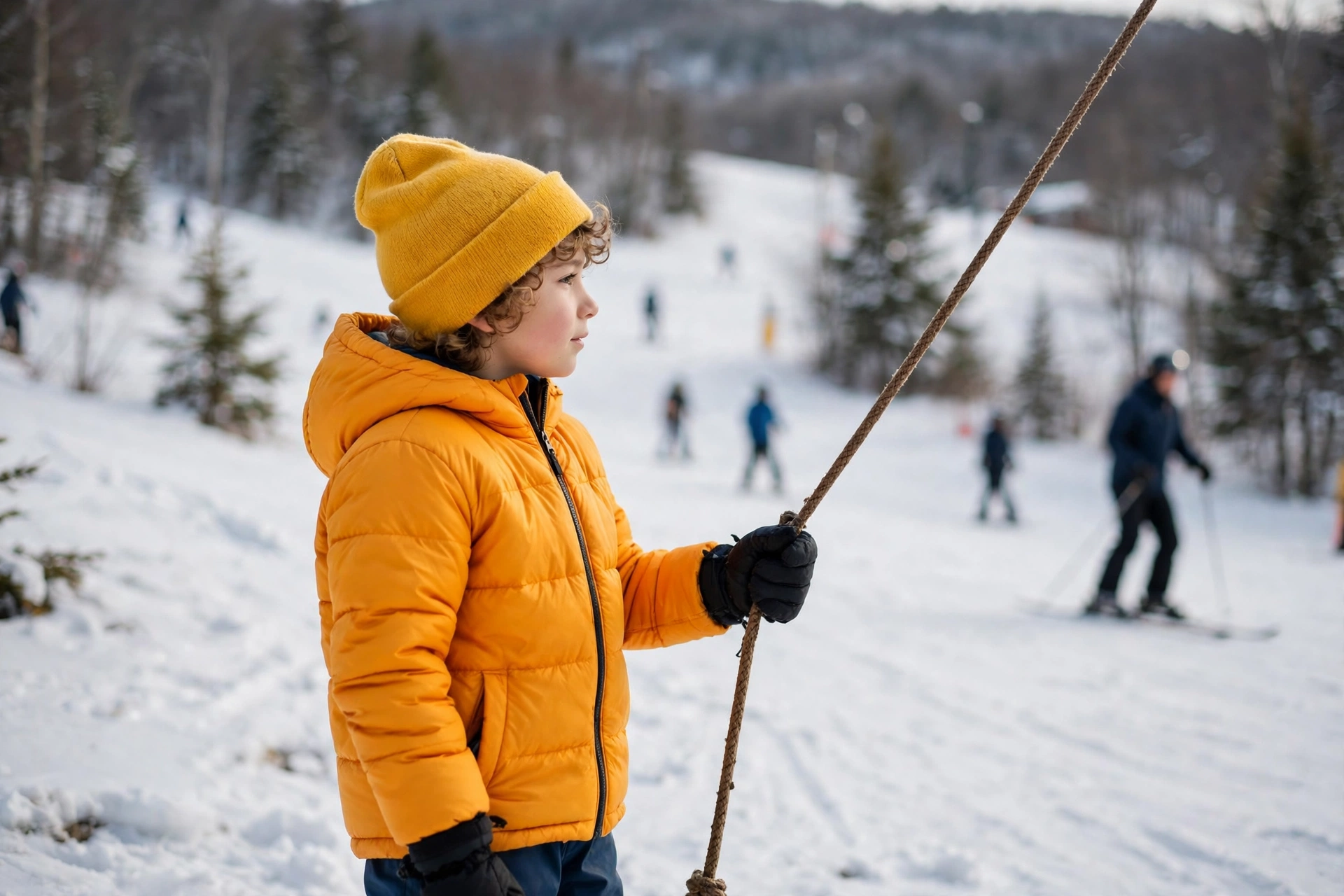
The tubing hill is the surprise hit. It has its own handle tow, and on a Saturday afternoon it is full of kids and parents who came for the tubing and stayed for the cocoa. It is the kind of simple fun that big resorts charge a fortune for, and here it is part of the same small ticket. Families with young kids should plan their day around it. The tubing runs when the hill runs, and it closes when the snow goes.
Beyond the Lifts: Trails, Backcountry, and the Outdoors Center
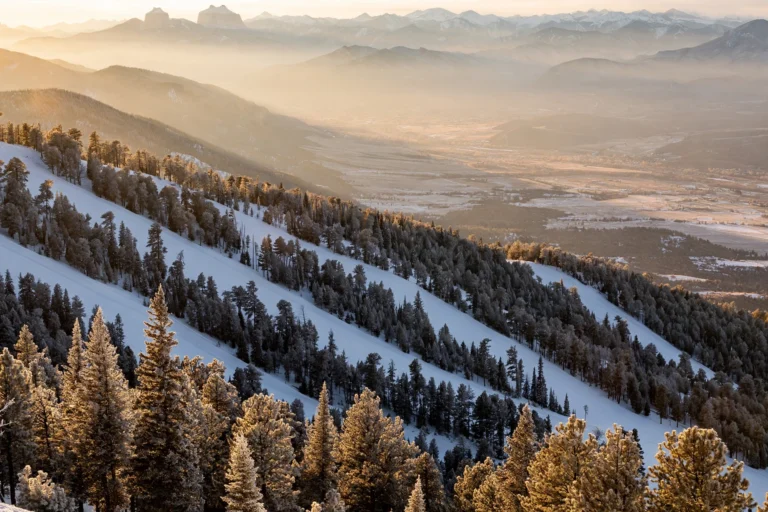
The ski hill is only part of what Ascutney Outdoors runs. The land holds 35 to 50 miles of multi-use trails for hiking, mountain biking, cross-country skiing, and snowshoeing, and the upper mountain is backcountry terrain for skiers willing to earn their turns on foot. The conservation easement keeps that upper ground wild, which is the point. You can skin up the old resort roads and ski down through open hardwoods, and on a clear day the view from the summit of Mount Ascutney, at 3,150 feet, runs across the Connecticut River valley into New Hampshire.
The Ascutney Outdoors Center, built in 2018, is the base for all of it. It hosts the learn-to-ski program that brings local elementary school kids to the hill, and it is where the community gathers in winter. That program is the detail that tells you the most about this place. A resort teaches tourists. A community hill teaches its own kids.
Mount Ascutney State Park sits on the same mountain, with its own trails to the summit and a campground that runs in summer. The park and the ski hill are separate operations, but they share the mountain, and a winter visitor who skis the hill on Saturday can snowshoe the park trails on Sunday. The state park page lists the trails and the conditions, and it is worth a look before you plan a weekend.
Planning a Weekend Around Brownsville
A weekend at Ascutney Mountain Vermont works best when you treat the hill as the anchor, not the whole trip. The skiing runs after real snowfall, typically January through March, and only on weekends, so the trip is a planning exercise first. Watch the snow, watch the hill’s site for operating days, and go when the cover is good. Do not book a hotel for a fixed weekend in December and hope the snow shows up. It might not, and the hill will not open for hope.
Base yourself in Brownsville or Windsor, a short drive from the hill, or in Woodstock, about 20 minutes away, which has the restaurants and inns that make a winter weekend comfortable. The Vermont tourism site keeps a current list of Woodstock inns and winter events, which is the easiest way to book the weekend around the hill. There is no lodging on the hill and no ski-in, ski-out option. That is part of the charm and part of the plan. You drive to the hill in the morning, ski until your legs give out, and eat dinner in a real town.
Bring your own gear if you can. The hill is small and simple, and rental options are limited compared with a resort. Check the hill’s site before you go to confirm what is available on the day you visit, and do not assume a full rental shop will be waiting. The same goes for lessons. The learn-to-ski program serves local school kids, and visiting skiers should confirm lesson availability ahead of time rather than counting on a walk-up lesson.
Food is simple. The lodge snack bar covers cocoa, soup, and sandwiches, and the towns nearby cover dinner. Pack a lunch if you want to save money, and bring water. The lodge is warm and welcoming, but it is not a restaurant, and nobody there pretends it is.
The Honest Limits
The limits are the point, but they are still limits. There is no snowmaking, so a dry January means a closed hill. The vertical is 435 feet, so strong skiers will lap the whole mountain in an hour and want more. The hill runs weekends only, and only when the snow allows, which means a trip planned a month out can fall apart on a warm forecast. Do not treat Ascutney like a resort with guaranteed operations. Treat it like a community hill that opens when the mountain says so.
Prices and hours are not printed here for a reason. The hill does not publish a 2026-27 season calendar the way a resort does, and the numbers change with the season. The hill’s site is the only place to confirm the operating days, the hours, and the ticket price for the weekend you want. I checked it while writing this, and the honest answer is that the season had not started yet, which is exactly what a November article should say. Plan the trip, watch the snow, and go when the hill opens.
The other limit is the drive. Brownsville is rural, the roads are rural, and a snowstorm that makes the skiing good also makes the driving slow. A front-wheel-drive car with good tires handles it fine, but give yourself extra time and do not count on plows the way you would on an interstate. The hill is worth the drive, and the drive is part of the trip.
What I Tell People Who Ask About Ascutney
Is it worth a trip from Boston or New York? Only if you pair it with something else. The hill alone is a half-day of skiing, and the drive from Boston is about two and a half hours. Pair it with Woodstock, with the state park trails, or with a second small hill nearby, and it becomes a weekend. Drive up just for the T-bar and you will leave by lunch wondering why you came.
Can my kids learn to ski here? Yes, and this is one of the best places in New England for it. The rope tow, the gentle pitch, and the patient volunteers make it a kind place to learn. Confirm lesson availability ahead of time, and bring the kids on a day with fresh snow rather than a crusty one.
What about the backcountry? The upper mountain is real backcountry, with no patrol, no grooming, and no lift. Go with a partner, carry the right gear, and know the route before you climb. The old resort roads make the skin up straightforward, and the ski down through the hardwoods is the best skiing on the mountain. It is also the skiing that demands the most respect.
When does the season start? When it snows, and not before. In most years that means January, with the hill running weekends through March. The hill’s site posts operating days as the season approaches, and that page is the only reliable source. Do not trust a third-party listing that gives a fixed opening date.
Is there anything to do if the hill is closed? Yes. The state park trails are open for snowshoeing, Woodstock is a short drive, and the Connecticut River valley has farm stands and general stores worth a slow afternoon. A closed hill does not have to mean a wasted weekend, but it does mean you should have a backup plan before you leave home.
My Call on Ascutney
Ascutney is not a resort anymore, and the hill is better for it. It is a small, volunteer-run place with eight trails, a T-bar, and a community that refused to let its mountain die. Go in January or February, after a real storm, with your own gear and a flexible plan. Ski the morning, tube with the kids in the afternoon, and eat dinner in Woodstock. That is the quiet ski weekend, and there is nothing else in New England quite like it.