Places to Visit in California That Surprised Me More Than the Postcards Did
I have driven California end to end more times than I can count, and the places to visit in California that stay with me are the ones that surprised me, not the ones on every postcard. This state rewards slow travel. It punishes anyone who tries to see it all in a week. The twelve below are the ones I would go back to, in the order I would send a friend.
12 Places to Visit in California, Ranked by the Trip They Give You
1. Yosemite National Park
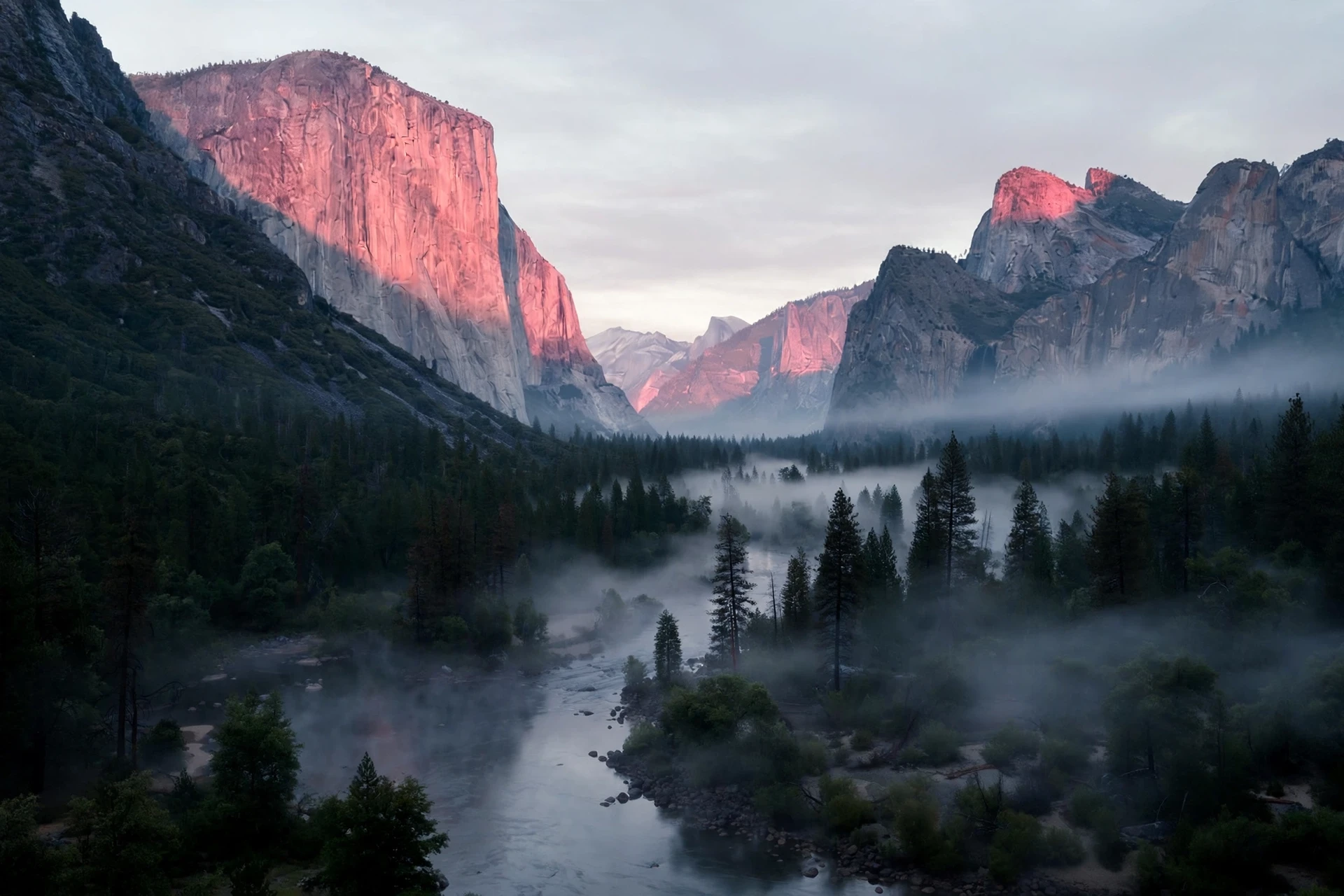
Yosemite National Park earns the top spot because nothing else in the state makes you feel that small that fast. I walked into Yosemite Valley at dawn once and the granite walls were lit pink while the valley floor was still in shadow. That hour is the whole trip. The valley floor loop is flat and easy, and the mist trail to Vernal Fall climbs hard enough that you earn the view. Book lodging months ahead, because the valley fills up fast in summer, and check the park site before you go, since the reservation rules for peak season change year to year. Yosemite National Park
2. Big Sur
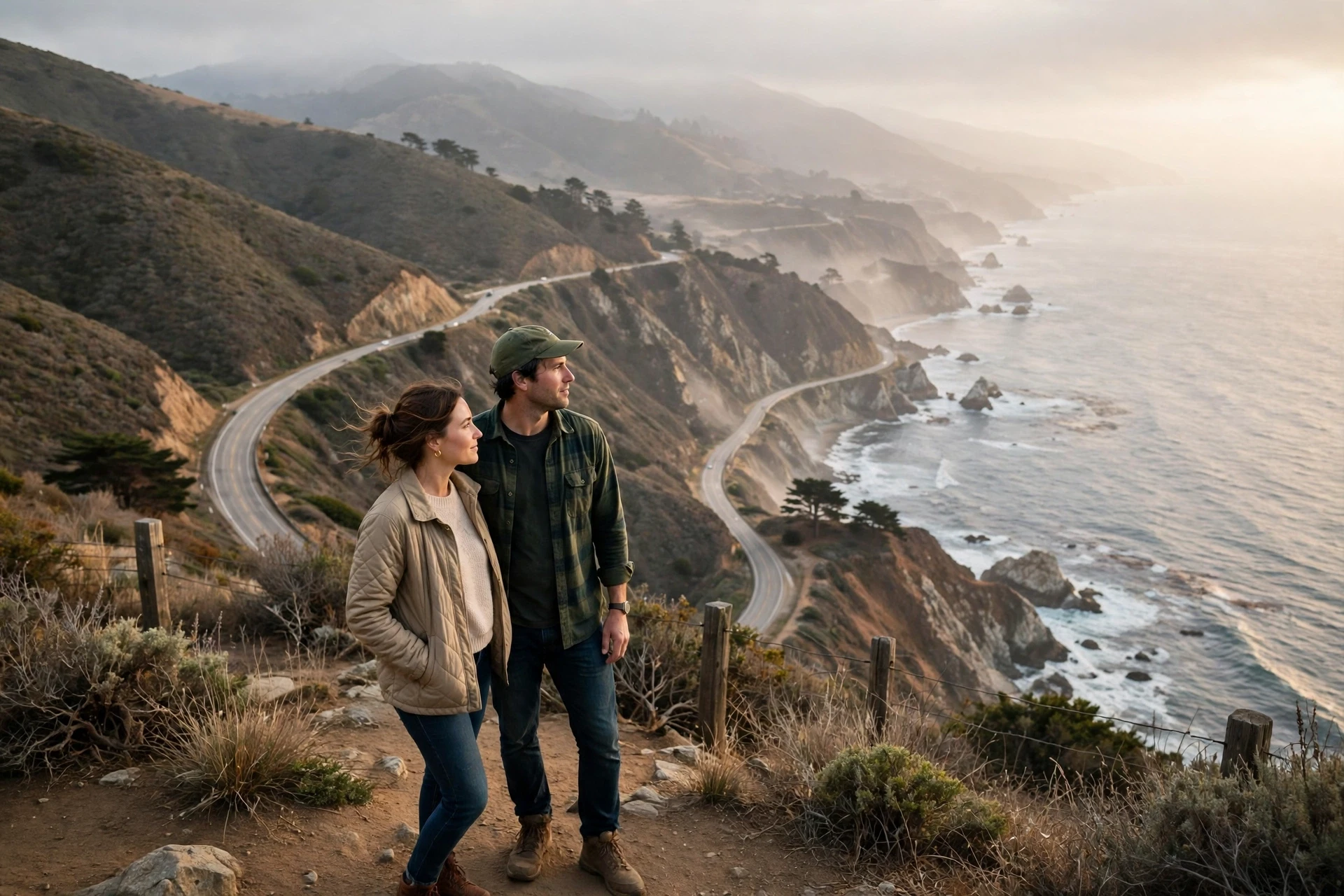
Big Sur is a ninety-mile stretch of Highway 1 where the mountains drop straight into the Pacific, and the drive itself is the attraction. I pulled over at Bixby Creek Bridge at golden hour and counted more photographers than cars. Stop at Pfeiffer Beach for the purple sand and the rock arch, and eat lunch in Big Sur village before the afternoon fog rolls in. Cell service drops out for long stretches, so download your maps before you leave Carmel. Gas is scarce and pricey along the coast, so fill up before you turn south.
3. San Francisco
San Francisco works best on foot, one neighborhood at a time. I start in the Mission District for coffee and murals, then ride a cable car up to Nob Hill for the view back down. Fisherman’s Wharf is crowded and loud, and I skip the chain restaurants there, but the sea lions at Pier 39 are free and fun for ten minutes. The fog can drop the temperature fifteen degrees in an hour, so carry a layer even in August. Stay outside the downtown core if you want quiet streets and cheaper parking.
4. San Diego
San Diego is the easiest city in California to enjoy without a plan. Balboa Park holds museums, gardens, and the San Diego Zoo in one walkable green space, and I have spent full days there without once checking a schedule. La Jolla Cove gives you sea lions on the rocks and kayakers below the cliffs, and the sunset there is the best free show in the city. The food scene runs from fish tacos at beach shacks to serious fine dining in the Gaslamp Quarter. Parking near the beach fills by mid-morning on weekends, so arrive early or take the bus.
5. Joshua Tree National Park
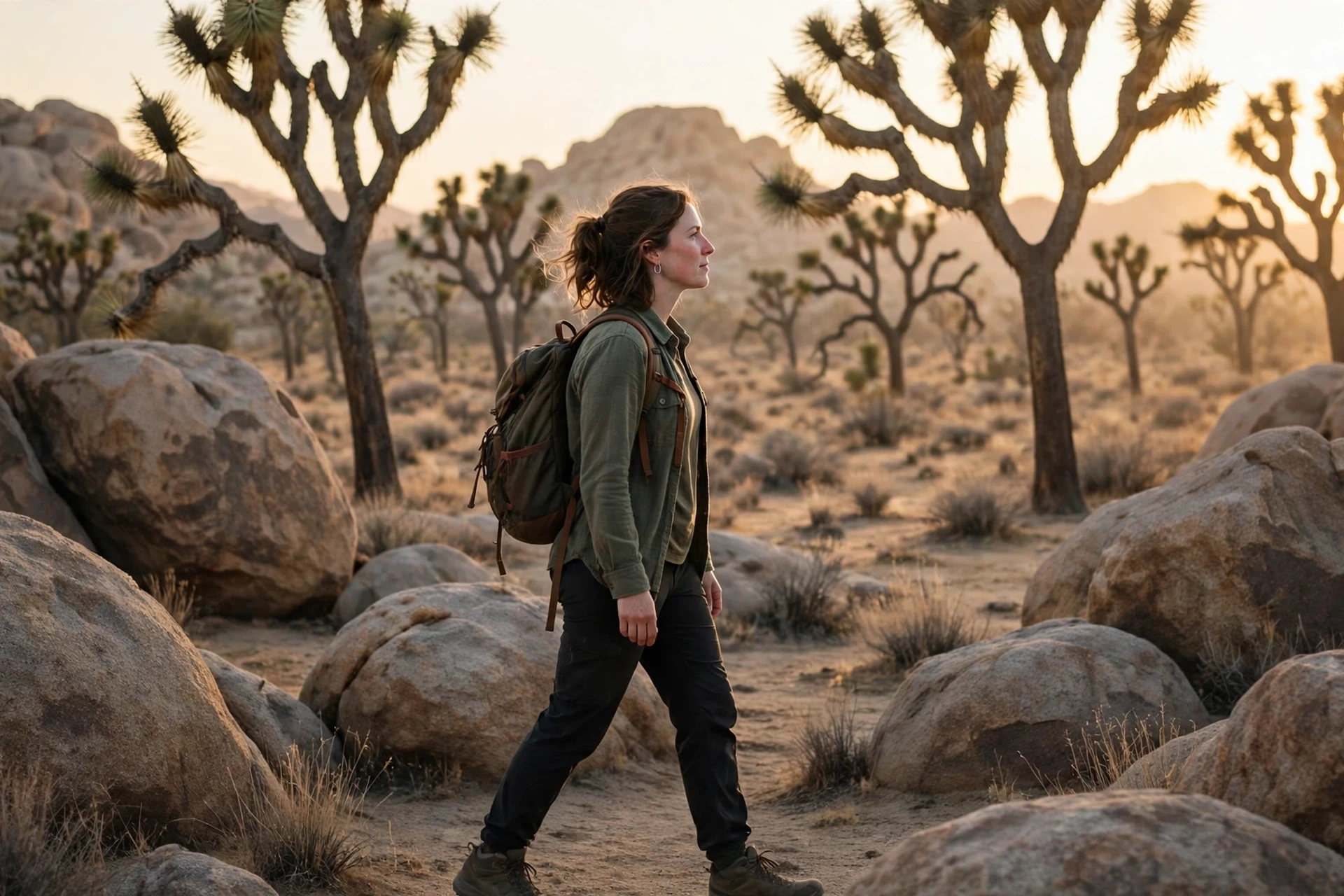
Joshua Tree National Park looks like another planet after dark, and that is the point. I camped there in March and the stars were so thick I stopped trying to name constellations. The trees themselves are strange and spiky, and the boulder piles invite scrambling for anyone with decent shoes. Daytime heat is serious from late spring through early fall, so hike before ten in the morning and carry more water than you think you need. Joshua Tree National Park
6. Lake Tahoe
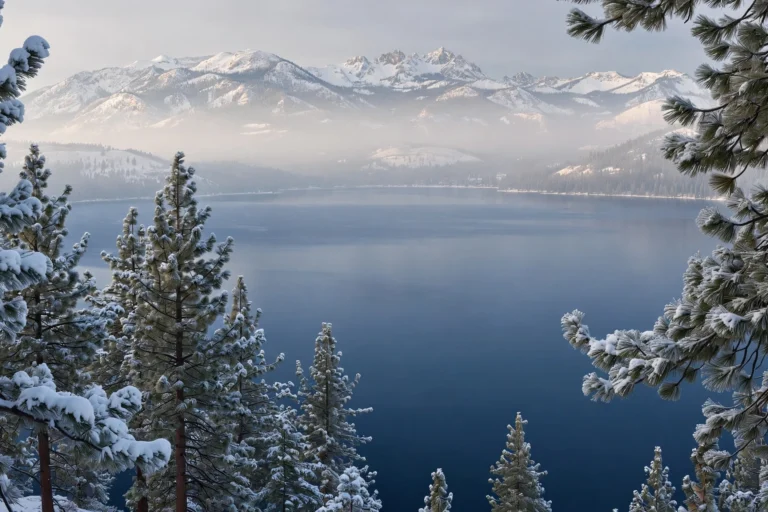
Lake Tahoe is the clearest large lake I have swum in, and the water stays cold enough to make you gasp even in July. I like the north shore for quiet beaches and the south shore for restaurants and the gondola up Heavenly Mountain. Winter turns the whole basin into a ski town, and summer turns it into a lake town, so pick your season by what you want to do. The drive around the lake takes about three hours without stops, and the pullouts on the east shore are worth every one of them.
7. Napa Valley
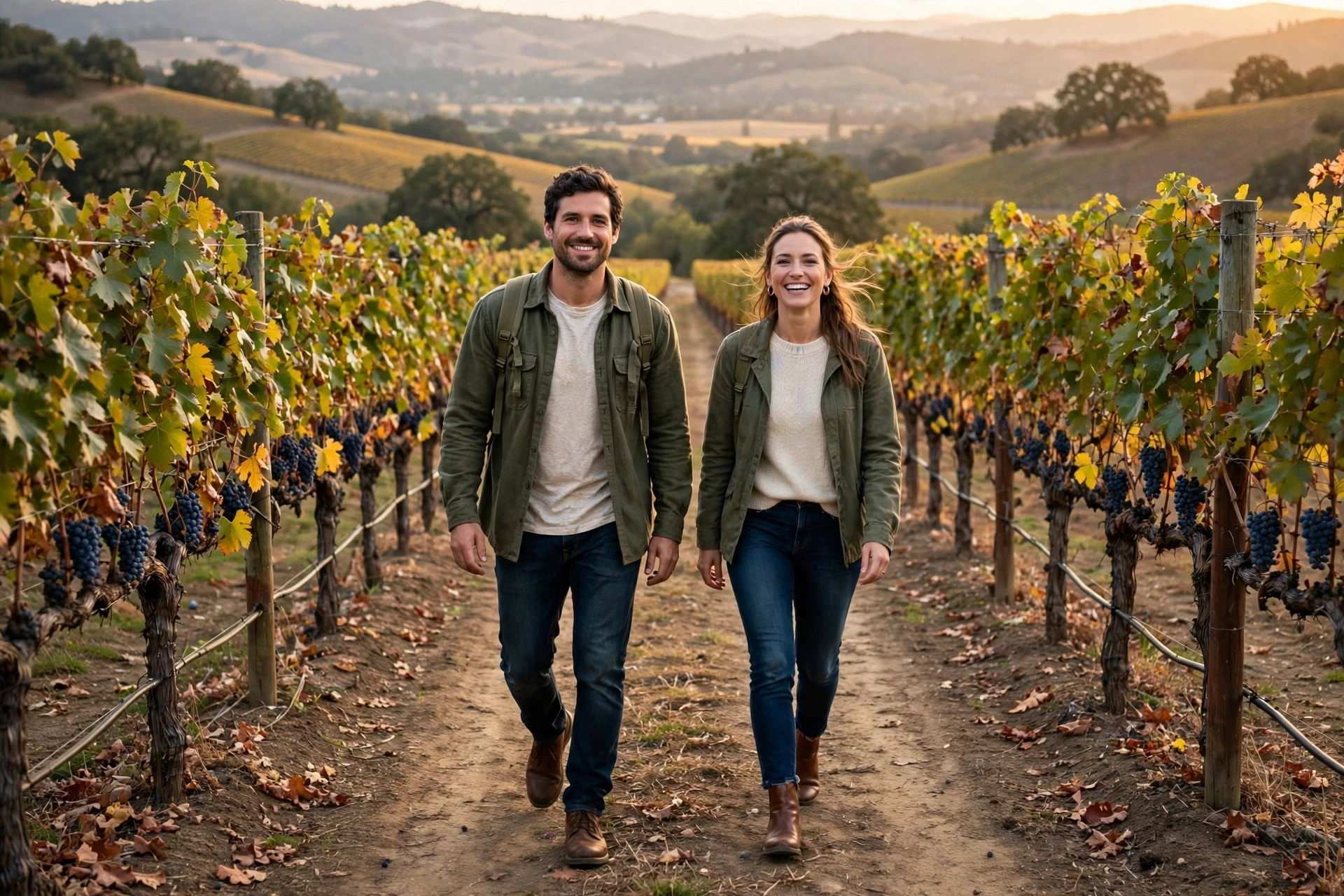
Napa Valley is more than wine, though the wine is the reason most people come. I have had better days here when I mixed one tasting with a bike ride on the Napa Valley Vine Trail and lunch in St. Helena. Tasting rooms now mostly require reservations, and many charge a fee that is waived only with a purchase, so budget for it. If wine is not your thing, the food alone justifies the trip, and the valley is an easy day trip from San Francisco if you leave before the morning traffic builds.
8. Monterey and Carmel
Monterey and Carmel-by-the-Sea sit ten minutes apart and feel like different worlds. The Monterey Bay Aquarium is the rare aquarium that adults enjoy as much as kids, and the jellyfish gallery alone is worth the ticket. Carmel is all white sand, storybook cottages, and a main street made for slow walking. The 17-Mile Drive between the two towns passes golf courses and the Lone Cypress, and I think it is worth the toll once, early in the morning before the tour buses arrive.
9. Los Angeles
Los Angeles is too big to see in a weekend, so stop trying. I pick one side of the city per trip. Griffith Observatory at sunset gives you the skyline, the Hollywood Sign, and the whole basin in one frame, and it costs nothing to walk the grounds. Santa Monica and Venice Beach work as a single long bike ride along the coast. Traffic is the real villain here, so I plan no more than two stops a day and I never schedule anything across town at rush hour. Visit California
10. Santa Barbara
Santa Barbara is the California I picture when someone says the word, red tile roofs and palm trees and a beach ten minutes from downtown. State Street runs from the hills to the pier, and the Santa Barbara Mission sits at the top of it with gardens worth a slow hour. The harbor has whale watching boats in season and kayak rentals year round. I like it as a two-night stop between Los Angeles and Big Sur, because it slows the whole trip down in a good way.
11. Death Valley National Park
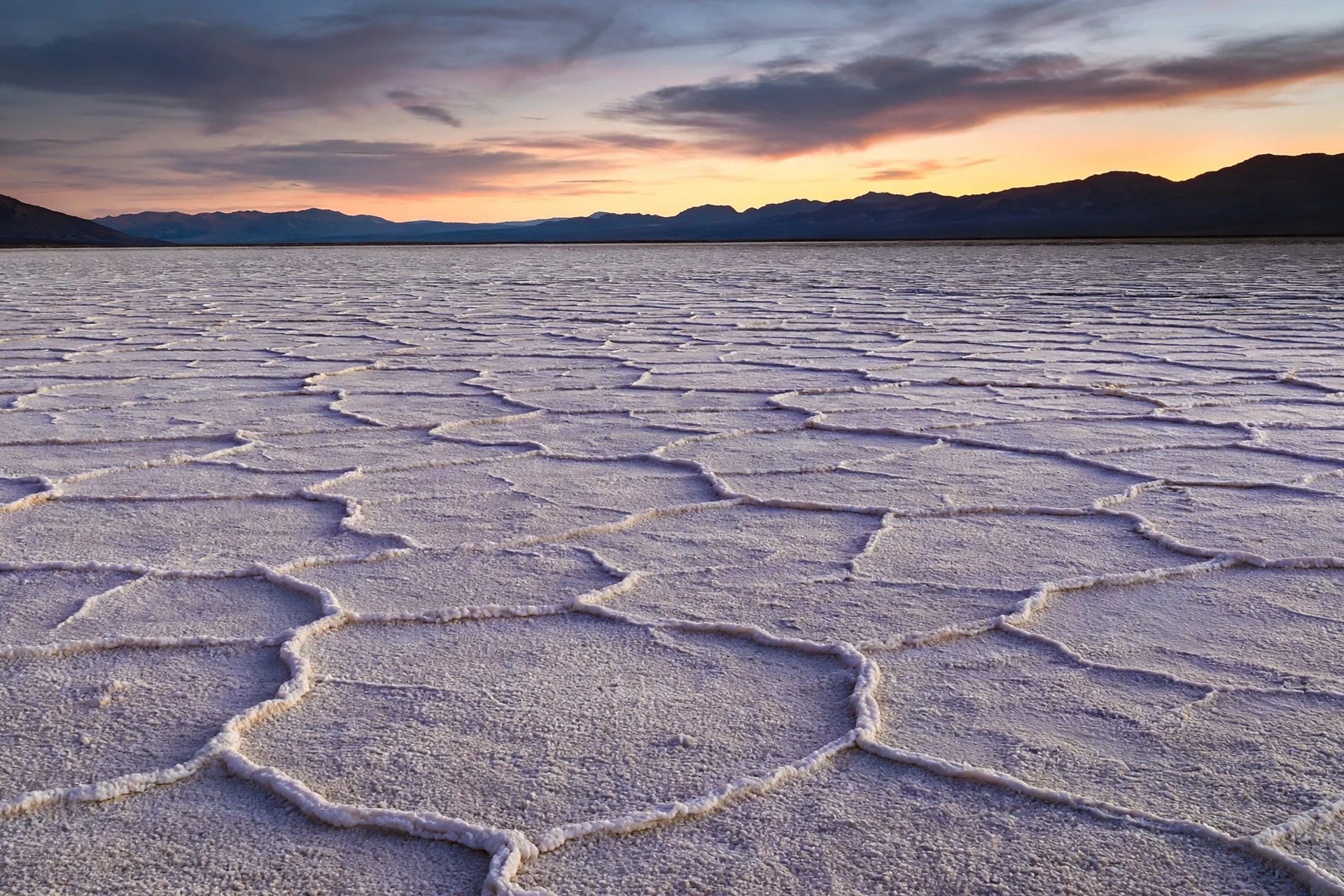
Death Valley National Park is the most extreme landscape in the state, and the most misunderstood. I visited in February and wore a jacket at Dante’s View while looking down at Badwater Basin, the lowest point in North America. Summer heat here is dangerous, not just uncomfortable, so the park is a winter and early spring trip. The distances are huge, the gas stations are few, and the night sky is one of the darkest in the country. Fill your tank at every chance and carry a gallon of water per person.
12. Palm Springs
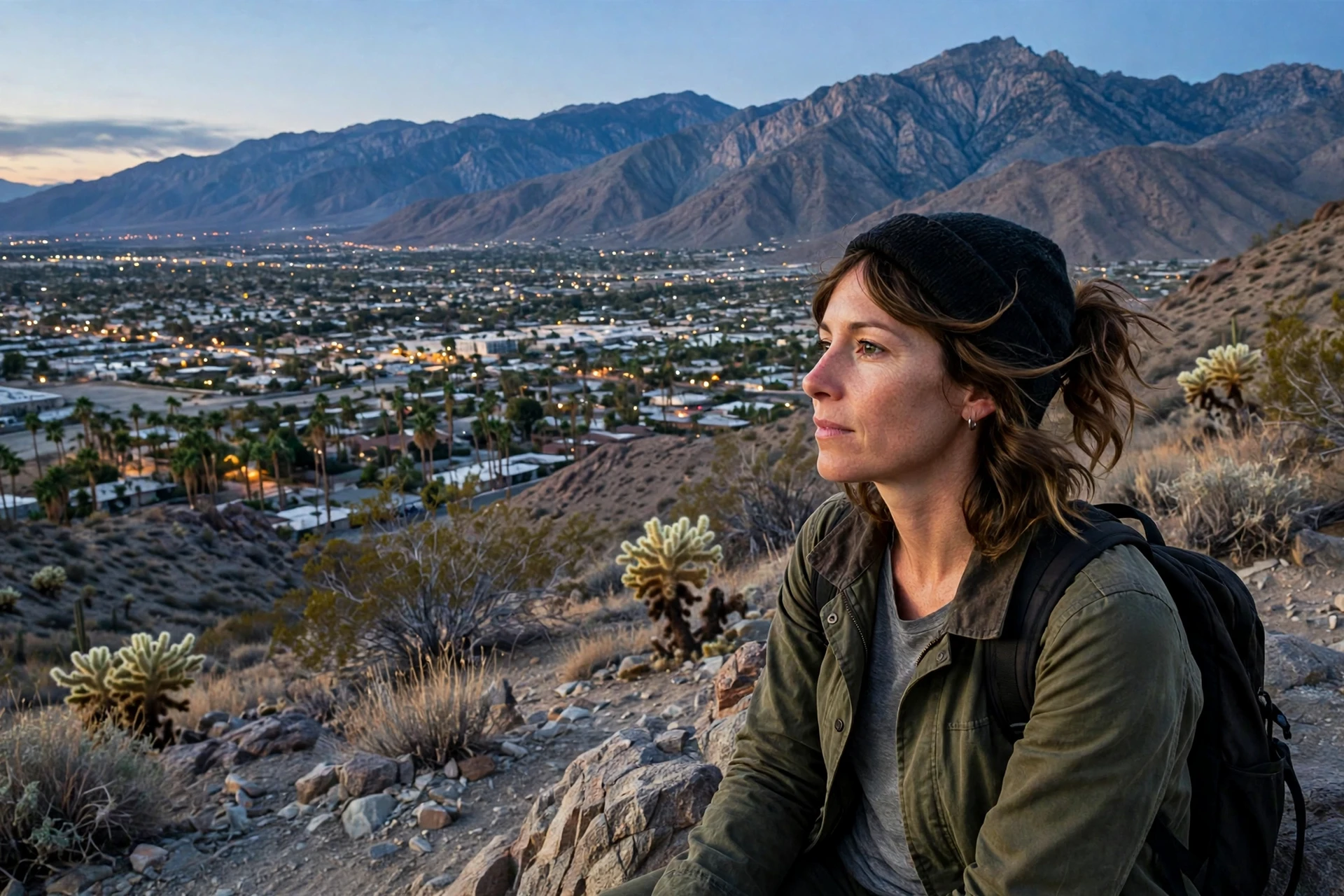
Palm Springs is a desert town built for doing nothing well. Mid-century houses, mountain views, and pools everywhere, plus the Palm Springs Aerial Tramway climbing two miles up Mount San Jacinto to pine forest and snow in winter. I go for the architecture walking tours and the Thursday night street fair on Palm Canyon Drive. Summer is brutally hot, so the sweet spot is November through April, when the days are warm and the evenings cool enough for dinner outside.
When Each Place Earns the Drive
Timing decides whether California delights you or drains you. The coast is best from September through November, when the summer fog lifts and the crowds thin. Yosemite waterfalls peak in May and June, then shrink through summer, while the valley is packed from June to August. Joshua Tree and Death Valley belong to winter, when the days are mild and the nights are clear. Lake Tahoe splits cleanly between ski season and lake season, and the shoulder months of May and October can be quiet and lovely if you do not mind cold water. Book national park lodging three to six months ahead for summer weekends. For the cities, a weekday stay saves money and stress, and a Sunday morning in San Francisco feels like a different city from a Saturday afternoon.
What a California Trip Costs in Real Numbers
California is expensive, and pretending otherwise helps no one. A rental car is the biggest line item for most trips, and prices swing hard with the season, so compare early and recheck a week before you travel. Hotels in San Francisco and Los Angeles run high, while smaller towns like Carmel and Santa Barbara can surprise you in either direction. National park entry is charged per vehicle and covers a week, which makes the parks one of the better deals in the state. Napa Valley tastings add up fast, so set a per-day tasting budget before you arrive and stick to it. The cheapest way to see California is to camp in the national parks and cook your own food, and the most expensive way is to wing it in the cities without reservations. I budget a daily food allowance and then add a cushion, because the best meals in this state are rarely the cheapest ones.
How I Would String These Together
If you only have a week, pick three of these places to visit in California and give each one two full days. My favorite first-timer route runs San Francisco to Monterey to Big Sur, then inland to Yosemite, because it mixes city, coast, and mountains without a single brutal drive. A southern loop runs Los Angeles to Palm Springs to Joshua Tree to San Diego, and it works best in winter when the desert is kind. A longer trip can link the two halves with a drive up the coast, but that is a ten-day commitment, not a long weekend. Do not try to add Lake Tahoe to a coastal trip unless you have the extra days, because the drive north eats a full day each way. California State Parks
Where My Money Felt Wasted
I have paid for things in California I would not pay for again. The Fisherman’s Wharf restaurants with picture menus and barkers outside are a trap, and the food two blocks inland is better and cheaper. Some Napa Valley tasting rooms charge a high fee for a pour you could get at a wine bar for less, so I check the fee before I book. The 17-Mile Drive toll is worth it once, but I would not pay it twice in one trip. And the Hollywood Walk of Fame is a sidewalk with stars on it, surrounded by crowds and souvenir shops, so I tell friends to see it on the way to something else, never as the destination. None of these are scams. They are just places where the experience does not match the price or the hype.
California Questions I Get Asked on Every Trip
How many days do I need for California?
Seven days covers one region well, like the Bay Area and the coast, or the south. Ten to fourteen days covers the highlights from San Francisco to San Diego without rushing. Anything less than five days means picking one city and one day trip.
Is California safe for a road trip?
Yes, with normal care. The main risks are not crime but driving conditions, mountain weather, and desert heat. Keep your car fueled, carry water in the desert, and check road conditions before mountain passes in winter. I also keep my valuables out of sight in city parking lots, which is good practice anywhere.
Do I need a car in California?
Outside San Francisco and central Los Angeles, yes. The coast, the parks, and the wine country are all built for drivers. Rideshares work in the cities but get expensive fast on day trips, and buses rarely reach trailheads or coastal pullouts, so a rental car is the practical choice for most visitors.
When is the cheapest time to visit California?
January and February are usually the cheapest for hotels in the cities and the coast, and the desert parks are at their best then. Avoid holiday weekends and summer in Yosemite if price matters, and book flights early, since airfare to the big California airports swings with the season too.
Can I visit California with kids?
Easily. San Diego and Monterey are the most kid-friendly bases, with zoos, aquariums, and beaches in one place. Yosemite works for kids who can handle a few miles of walking, and the valley floor is flat enough for strollers on the paved paths.
Start With Three, Not Twelve
Pick three places from this list, book them properly, and leave room for the unplanned stop. California rewards the traveler who slows down and punishes the one who races. My best days here were never the ones I scheduled tight. They were the foggy morning on Highway 1, the extra hour at Balboa Park, and the night the stars came out over Joshua Tree. Go see those for yourself.